

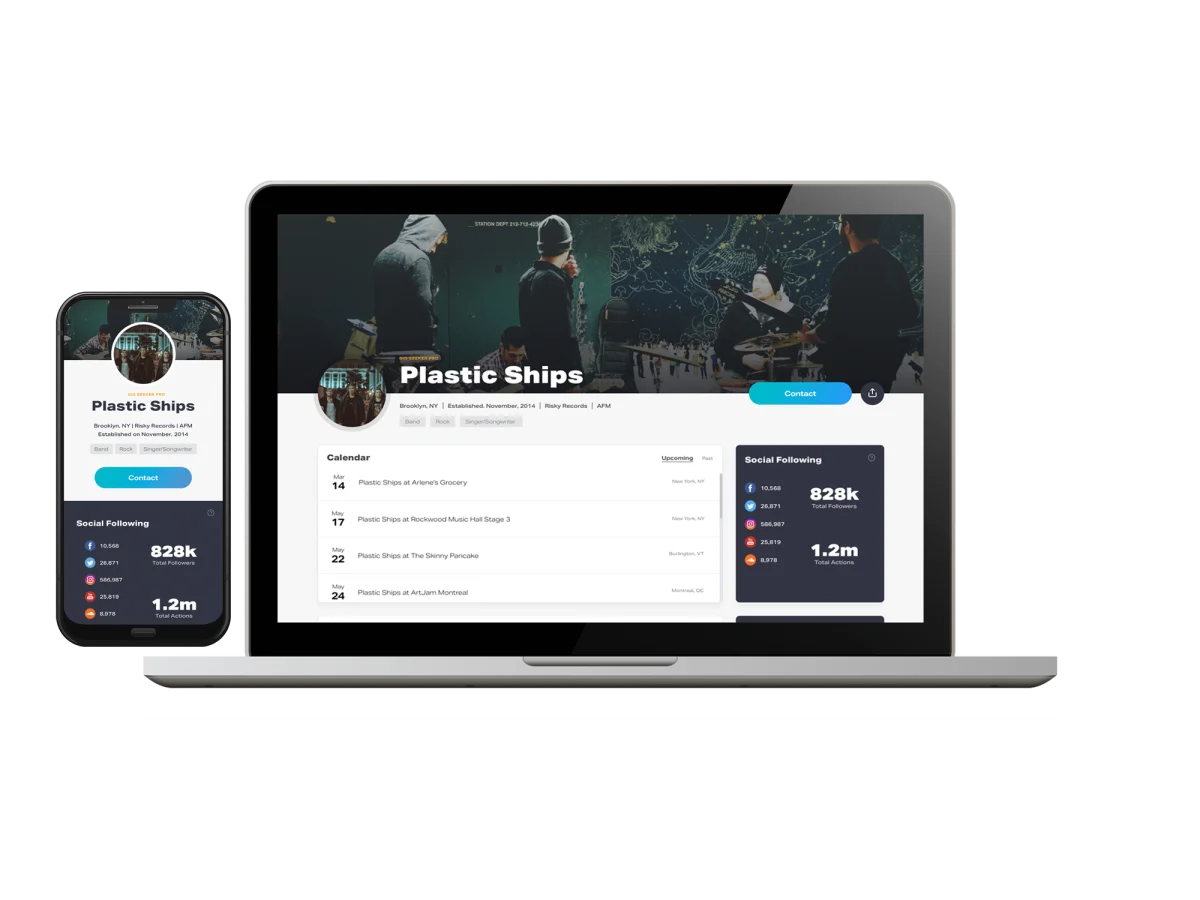
In an era defined by the democratization of music production and distribution, the barrier to entry for aspiring musicians has never been lower. However, this accessibility has resulted in a hyper-saturated market where visibility is the primary currency. According to recent industry data, over 100,000 new tracks are uploaded to streaming platforms like Spotify every single day. For the independent artist, the challenge is no longer just creating music, but effectively communicating their brand to industry gatekeepers. Central to this communication strategy is the Electronic Press Kit (EPK), a professional digital resume that has evolved from a niche requirement to an industry-standard necessity.
The Evolution of Music Promotion: From Physical to Digital
The concept of the press kit is not new. Historically, artists and their management teams relied on physical press kits—glossy folders containing a physical CD or cassette, a printed biography, a high-resolution 8×10 photograph, and a collection of newspaper clippings. These kits were expensive to produce and even more costly to distribute via traditional mail. The transition to the Electronic Press Kit began in earnest during the late 1990s and early 2000s as digital media began to displace physical formats.
A pivotal moment in this chronology occurred in 2001 with the launch of platforms like Sonicbids, which standardized the digital submission process for festivals and venues. This shift allowed artists to bypass the logistical hurdles of physical mailers, offering a centralized, linkable repository of their work. Today, the EPK serves as a dynamic, interactive portal that provides a comprehensive overview of an artist’s professional identity, accessible to anyone with an internet connection.
1. The Strategic Architecture of Artistic Identity
An EPK is far more than a simple collection of links; it is a curated narrative of an artist’s career. In the professional music landscape, talent buyers and journalists often have less than 60 seconds to make an initial assessment of an artist’s viability. Therefore, the EPK must offer a concise yet compelling representation of artistry.
The architecture of a modern EPK typically includes several core components:
- The Biography: A multi-tiered narrative that includes a "hook" or "elevator pitch," a short 100-word bio for quick reading, and a long-form bio for detailed features.
- High-Resolution Visuals: Professional photography that conveys the artist’s aesthetic. These are not merely for show; they are functional assets that journalists use for headers and promotional posters.
- Curated Audio and Video: Instead of a full discography, a strategic EPK features the artist’s strongest work, often accompanied by high-quality music videos or live performance footage to prove stage presence.
- Data-Driven Achievements: Including specific metrics, such as "10,000 streams within the first month of release" or "Sold out 200-capacity venue in Chicago," provides tangible proof of market traction.
By organizing these elements into a single, cohesive package, artists present themselves as business-ready entities rather than hobbyists.
2. Streamlining Communication in a High-Volume Industry
The music industry operates on a foundation of high-volume networking. Booking agents, festival curators, and A&R representatives receive hundreds of inquiries weekly. The friction caused by broken links, large email attachments that clog inboxes, or missing contact information is often enough for a professional to move on to the next candidate.
The EPK solves this logistical bottleneck by serving as a "one-stop shop" for information. Industry professionals have noted that a single link to a well-organized EPK is significantly more likely to be reviewed than an email containing five different attachments and three different platform links (e.g., SoundCloud, YouTube, and Instagram). This efficiency respects the time of the gatekeeper, which is a critical, though often overlooked, aspect of professional etiquette in the arts.
From a technical standpoint, the modern EPK also ensures that files are delivered in the correct formats. While a fan might listen to a song on a streaming service, a radio programmer needs a high-quality WAV file or a 320kbps MP3, and a magazine editor needs a 300 DPI (dots per inch) image. An EPK provides these technical assets in a downloadable format, removing the need for back-and-forth correspondence.
3. Establishing Professional Credibility through Social Proof
In the independent sector, credibility is often synonymous with "social proof." When a promoter considers booking an unknown act, they are essentially managing risk. They need assurance that the artist is professional, reliable, and capable of drawing an audience.
The EPK serves as a repository for this assurance. By featuring press quotes, reviews from reputable music blogs, and testimonials from previous venues, the artist builds a "wall of credibility." For example, a quote from a respected outlet like Pitchfork or a local alternative weekly acts as a third-party endorsement that carries more weight than any self-written biography.
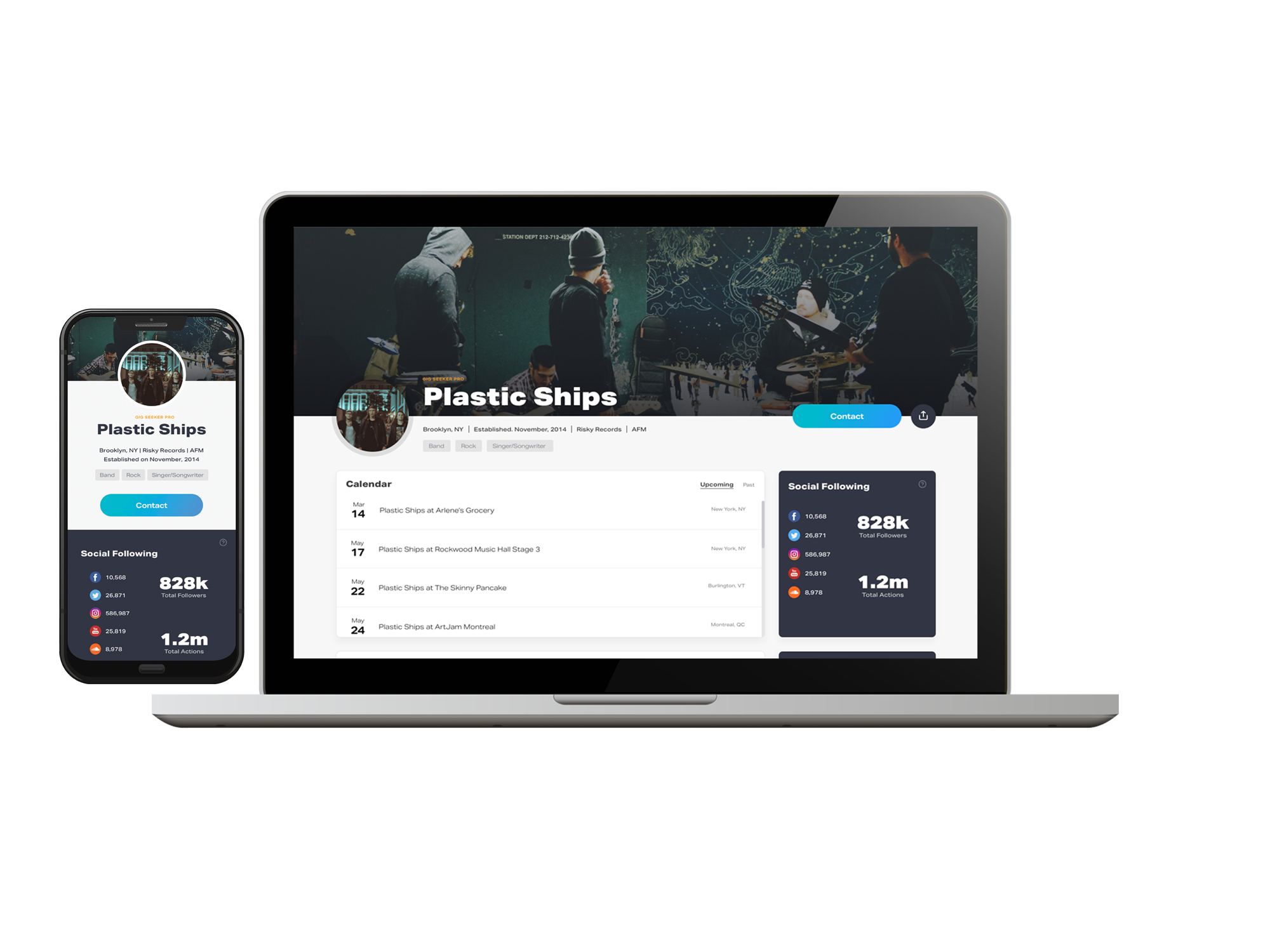
Furthermore, the aesthetic quality of the EPK itself serves as a proxy for the artist’s professionalism. A polished, mobile-responsive, and easy-to-navigate kit suggests that the artist invests in their career and pays attention to detail—traits that are highly valued by tour managers and festival organizers who require dependable partners.
4. Global Accessibility and the 24/7 Talent Search
The digital nature of the EPK provides a level of accessibility that was impossible in the era of physical media. Because the kit is hosted online, it is available 24 hours a day to a global audience. This is particularly relevant given the international nature of the modern music business, where a booking agent in Berlin might be scouting for a festival in Tokyo by looking at an artist based in Nashville.
Analysis of talent scouting trends indicates that many industry professionals conduct research outside of traditional business hours. A journalist might be looking for a last-minute replacement for a feature at 2:00 AM, or a sync agent might be searching for a specific "vibe" for a television commercial on a weekend. If an artist’s materials are locked behind "gatekeeper" platforms or require a personal response to access, they miss these "passive" opportunities. An EPK ensures that the artist is always "open for business."
5. The EPK as a Dynamic Tool for Career Evolution
Unlike a printed resume, an EPK is a living document. The trajectory of a successful indie artist is rarely linear; it is marked by constant updates, new releases, and escalating milestones. The ability to update an EPK in real-time allows an artist to maintain a narrative of momentum.
When an artist reaches a new milestone—such as surpassing a million streams on a single, winning a regional music award, or completing a successful tour—the EPK should be updated immediately. This demonstrates to the industry that the artist is on an upward trajectory. This "active development" signal is vital for attracting long-term partners like labels or booking agencies, who are looking for artists with a proven track record of growth rather than static talent.
Industry Analysis: The Shift toward Professional DIY
The rise of the EPK reflects a broader shift in the music industry toward what analysts call "Professional DIY." In this model, independent artists take on the roles traditionally held by labels—marketing, PR, and booking—using digital tools to achieve professional results.
Data from the International Federation of the Phonographic Industry (IFPI) shows that the independent sector is the fastest-growing segment of the music market. However, this growth has led to a "noise" problem. The EPK is the primary tool used to cut through this noise. Industry analysts suggest that as AI-generated music and content further saturate platforms, the "human story" and the professional branding found in an EPK will become even more valuable as markers of authenticity and quality.
Official Perspectives and Market Impact
While individual reactions from talent buyers vary, the consensus among major festival organizers is clear: a professional digital presence is a prerequisite for consideration. In inferred statements from various festival application guidelines (such as those for SXSW or Glastonbury), the requirement for a "comprehensive digital press kit" is frequently listed as the first step in the submission process.
The impact of failing to maintain an EPK can be measured in lost revenue and missed opportunities. Independent artists who utilize professional EPK services or maintain high-quality self-hosted kits report a higher rate of response from media inquiries and a more streamlined booking process for tours.
Implications and the Path Forward
The Electronic Press Kit has transcended its role as a mere promotional tool to become a fundamental component of an artist’s business infrastructure. It is the bridge between the creative process and the commercial reality of the music industry. For the indie artist, the EPK is not just a resume; it is a statement of intent. It tells the world that the artist is not only a creator of music but a professional ready to engage with the complex machinery of the global music business.
As the industry continues to evolve, the integration of more advanced data analytics into EPKs is expected. Future iterations may include real-time streaming data, social media sentiment analysis, and interactive "virtual reality" previews of live performances. Regardless of the technology, the underlying principle remains the same: the need for a clear, professional, and accessible representation of one’s art. For those looking to transition from local performers to global artists, the creation of a high-quality EPK is the most logical and necessary next step.
