

The digital landscape for independent musicians has undergone a radical transformation over the last decade, shifting from a model of centralized discovery on platforms like MySpace to a fragmented ecosystem across Instagram, TikTok, X, and YouTube. In this decentralized environment, the "link in bio" has evolved from a simple directory of URLs into a sophisticated digital storefront and fan engagement hub. Music marketing expert and "Get More Fans" author Jesse Cannon has conducted an extensive evaluation of the current market offerings, concluding that Koji represents the most effective solution for musicians, producers, and instrumentalists looking to maximize their digital footprint.
The primary challenge facing modern artists is the "one link" restriction prevalent on major social media platforms. While these platforms serve as powerful engines for discovery, they often restrict the artist’s ability to direct traffic to multiple destinations, such as streaming services, merchandise stores, and tour dates simultaneously. Cannon’s analysis suggests that Koji transcends the limitations of its competitors by offering a modular, app-based architecture that prioritizes user experience and monetization without the friction of traditional web navigation.

The Strategic Importance of the Digital First Impression
In the competitive attention economy, the initial interaction a potential fan has with an artist’s profile is critical. Cannon emphasizes that many artists overlook the psychological impact of this first impression. A cluttered or unintuitive landing page can lead to high bounce rates, where a user leaves the page before engaging with the content.
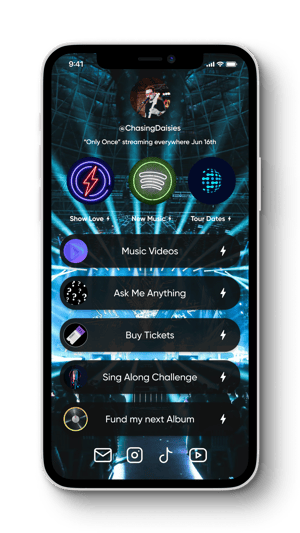
Koji addresses this by providing a suite of free tools designed to facilitate storytelling. Unlike standard link-in-bio services that offer a static list of buttons, Koji allows for a high degree of visual customization, including integrated graphics and personalized text. This capability enables musicians to maintain brand consistency across platforms, ensuring that the transition from a TikTok video to a bio link feels like a continuation of the artist’s aesthetic rather than a generic redirect.
Technical Innovation: The Koji App Store Architecture
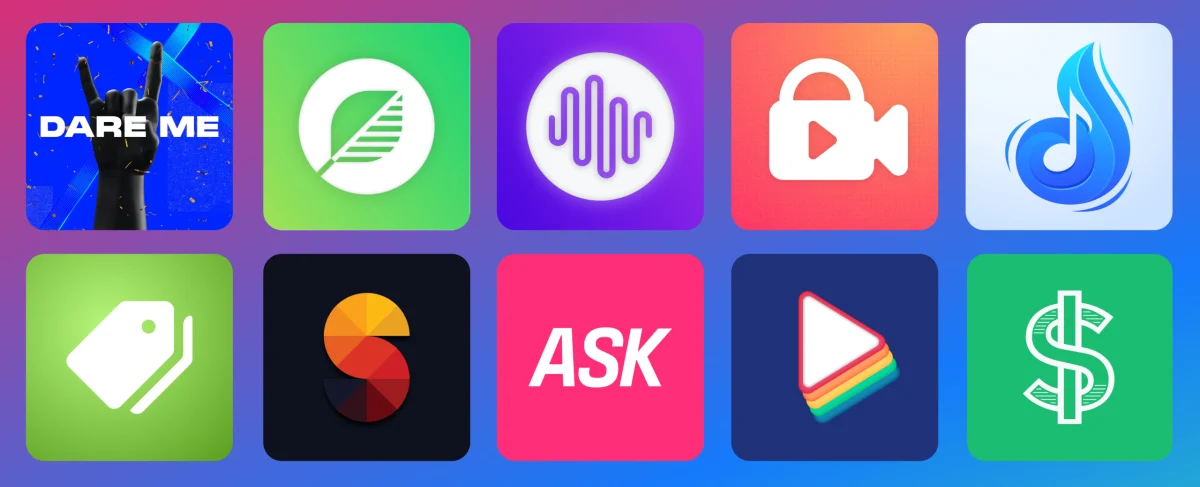
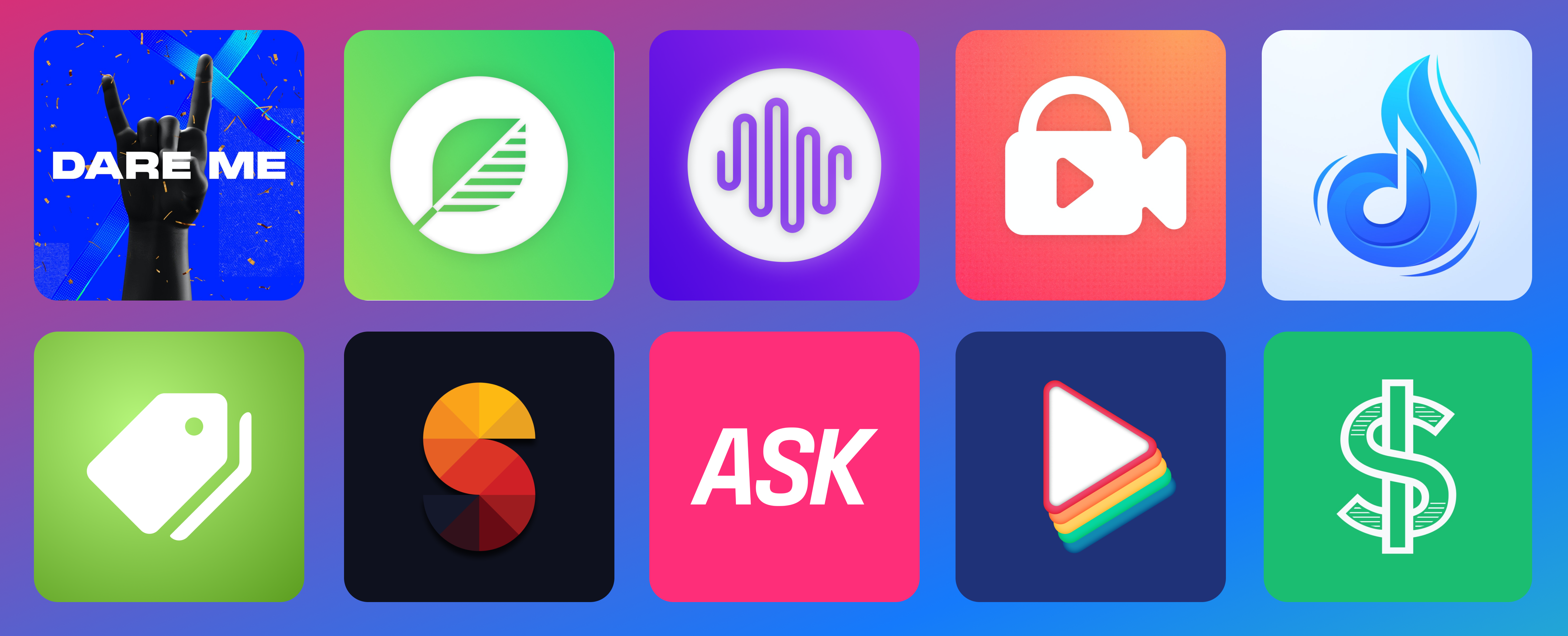
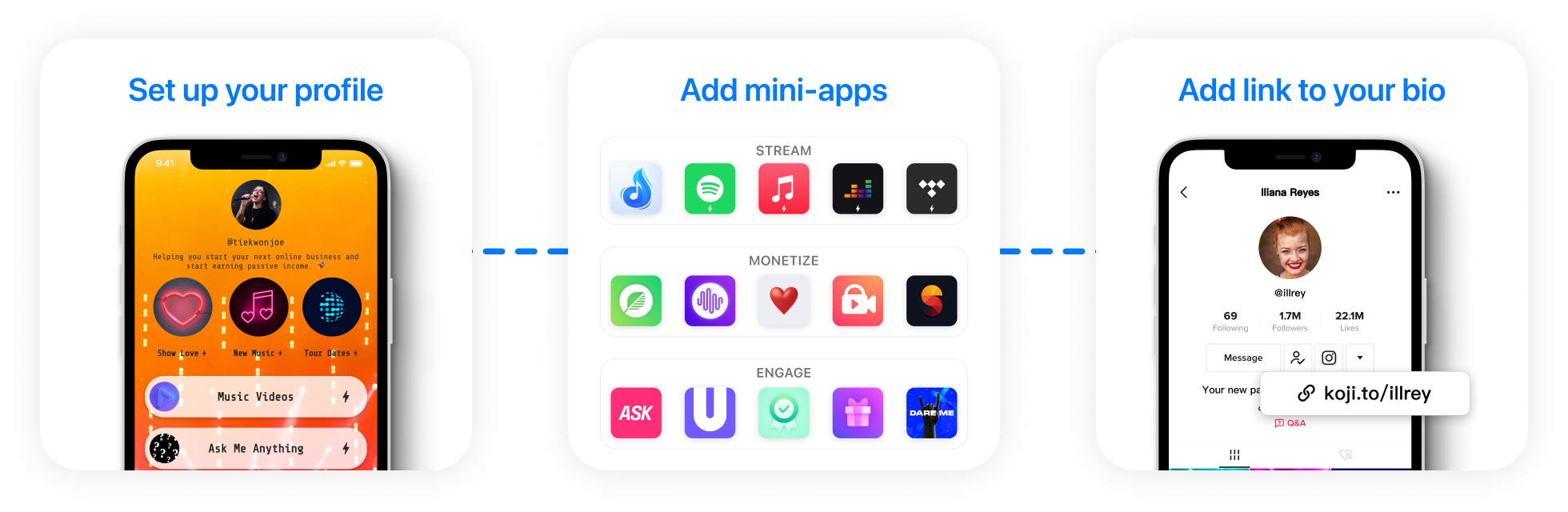
One of the defining features of the Koji platform is its integrated App Store. This is not a collection of native iOS or Android applications, but rather a library of web-based "mini-apps" that run directly within the social media browser. This technical distinction is vital for conversion rates; because these apps do not require a separate download, fans can interact with them instantly.

Cannon notes that this architecture allows for "high-quality marketing" that was previously only available to artists with significant web development budgets. The App Store includes tools for email collection, video interaction, and direct sales. By keeping the user within the hosting platform’s environment, Koji reduces the friction that typically occurs when a user is forced to open an external browser window, which often leads to dropped connections or lost interest.
Monetization and the Creator Economy
For the modern independent artist, the ability to monetize a fan base directly—bypassing the traditional gatekeepers of the music industry—is a necessity. The creator economy is currently valued at over $250 billion, and tools like Koji are at the forefront of this shift. Cannon highlights that Koji offers limitless opportunities for monetization at any stage of an artist’s career.
Unlike many third-party storefronts that take a significant percentage of an artist’s revenue, Koji’s model is designed to be more creator-friendly. The platform hosts several mini-apps tailored specifically for musicians, such as:

- Locked Content: Allowing fans to pay for exclusive access to unreleased tracks or behind-the-scenes footage.
- Tip Jars: Providing a direct way for supporters to contribute financially during live streams or after viewing content.
- Digital Downloads: Selling beats, sample packs, or high-resolution audio files directly through the link in bio.
- Video Shouts: Offering personalized video messages or feedback on fan-submitted music.
Chronology of the Link in Bio Evolution
To understand the significance of Koji’s entry into the market, it is necessary to examine the timeline of link-in-bio services.
- 2016: Linktree launches, popularizing the concept of a "micro-landing page" to solve Instagram’s single-link restriction.
- 2018-2019: Numerous competitors enter the market, focusing largely on aesthetic variations of the list-based link format.
- 2020: Koji pivots to the creator economy, introducing the concept of "Link in Bio 2.0" by launching its app-based infrastructure.
- 2021-2022: The platform gains significant traction among musicians as the industry shifts toward "social commerce," where transactions happen directly within social apps.
- 2023: The sector reaches a maturation point, with major players like Linktree acquiring smaller innovators to integrate app-like features into their own ecosystems.
This chronology illustrates a shift from simple navigation (Link in Bio 1.0) to integrated functionality and commerce (Link in Bio 2.0). Cannon’s endorsement of Koji is rooted in this second-generation approach, which treats the link in bio as a comprehensive business headquarters.
Data-Driven Insights and Market Analysis
Industry data supports the move toward more interactive link-in-bio solutions. According to market research on social media conversion, "friction" (the number of steps required to complete an action) is the single greatest deterrent to online sales. Traditional websites often require multiple clicks to reach a checkout page. In contrast, data from integrated mini-apps shows a significant increase in "click-through-to-purchase" rates when the transaction occurs within the social app’s native browser.
Furthermore, the rise of "zero-party data"—information that a fan intentionally and proactively shares with a brand—has become a cornerstone of music marketing. Koji’s email and SMS collection apps allow musicians to own their audience data, a critical safeguard against changing social media algorithms that can suddenly limit an artist’s organic reach.
Building the Optimized Artist Profile
Jesse Cannon provides a strategic framework for musicians looking to maximize their reach through Koji. He suggests that the profile should not be viewed as a static document but as a dynamic environment. Key recommendations include:
- Prioritizing Engagement: Placing the most important call-to-action (such as a new single or tour tickets) at the very top of the page.
- Utilizing Media Previews: Using apps that allow fans to hear music or watch videos without leaving the profile.
- Incentivizing Data Sharing: Offering a free download or exclusive content in exchange for an email address.
- Regular Updates: Treating the Koji profile as a "news feed" that reflects the artist’s current priorities.
- Aesthetic Cohesion: Ensuring that the color palette and imagery align with the artist’s latest release or brand identity.
Cannon posits that if a fan clicks on a Koji link, the goal should be to build a "deeper relationship." This involves moving beyond the transactional "listen to my song" and toward a more immersive "join my community."
Broader Impact and Industry Implications
The shift toward platforms like Koji signifies a broader democratization of the music industry. In the past, the infrastructure required to manage a fan list, sell merchandise, and host exclusive content was expensive and technically demanding. Today, an independent artist can launch a professional-grade storefront in minutes.
However, this democratization also brings increased competition. As every artist now has access to these tools, the differentiator becomes the quality of the "first impression" and the strategic use of these apps. Industry analysts suggest that the future of music marketing lies in "micro-moments"—short, high-value interactions that occur while a fan is browsing social media. Koji’s mini-apps are built specifically to capture these moments.
The implications for the music industry are profound. As more artists move toward direct-to-fan (D2F) models, the reliance on traditional labels for distribution and marketing support continues to wane. Tools that empower artists to act as their own CEOs are not just conveniences; they are essential components of a sustainable career in the 21st century.
Conclusion
The analysis provided by Jesse Cannon underscores a fundamental truth in the modern music business: the technology an artist uses to connect with their fans is just as important as the music itself. Koji’s unique app-based approach offers a level of functionality and customization that surpasses traditional link-in-bio services. By focusing on user experience, reducing transactional friction, and providing robust monetization tools, Koji has positioned itself as the premier choice for creators who view their digital presence as a holistic business. As the creator economy continues to expand, the ability to turn a casual social media follower into a dedicated, paying fan will remain the ultimate goal, and Koji provides the most direct path to achieving that objective.
