

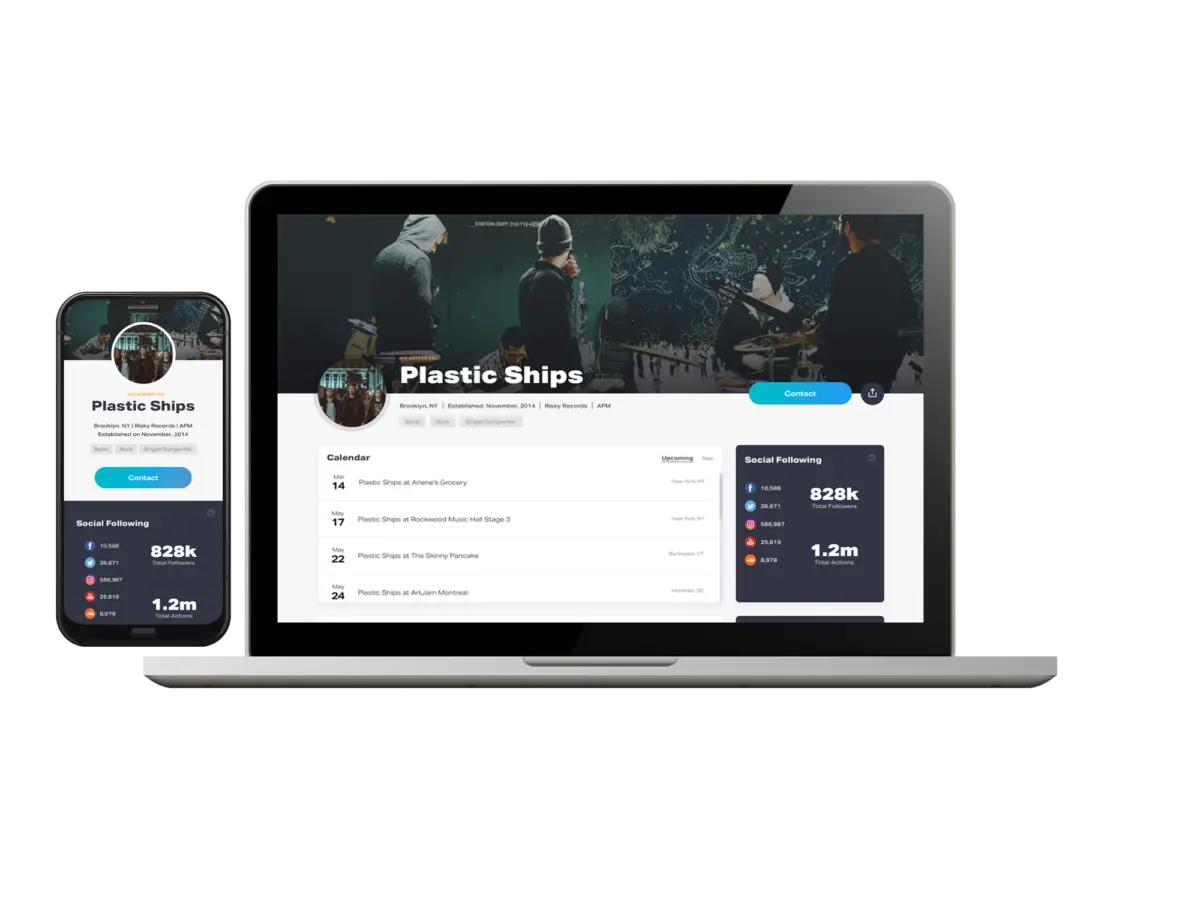
The landscape of the global music industry has undergone a radical transformation over the last two decades, shifting from a centralized, label-driven model to a decentralized ecosystem where independent artists now command a significant share of the market. In this highly competitive environment, where more than 100,000 new tracks are uploaded to streaming platforms every day, the ability to capture the attention of industry gatekeepers—booking agents, festival talent buyers, journalists, and label executives—has become the primary hurdle for emerging talent. At the center of this professional outreach strategy is the Electronic Press Kit (EPK), a digital resume and media hub that has evolved from a luxury into an absolute necessity for any artist seeking to transition from a hobbyist to a professional career.
The Historical Evolution of Music Promotion
To understand the current significance of the EPK, one must look at the chronology of music promotion. In the late 20th century, the "press kit" was a physical entity. Independent bands and their managers would compile folders containing a physical demo tape or CD, a printed biography, a glossy 8×10 black-and-white promotional photograph, and photocopies of newspaper clippings. These kits were expensive to produce and cumbersome to mail, often ending up in literal slush piles at record labels and radio stations.
The year 2001 marked a pivotal shift with the founding of platforms like Sonicbids, which pioneered the standardization of the digital press kit. This innovation allowed artists to move their promotional materials online, providing a centralized link that could be updated in real-time. By the 2010s, as social media and streaming services began to dominate, the EPK integrated these new metrics, allowing artists to showcase not just their music, but their data-driven reach. Today, the EPK serves as a sophisticated, interactive portal that synthesizes an artist’s sonic identity, visual brand, and commercial viability into a single, professional package.
A Concise Representation of Artistry and Brand Identity
The primary function of an EPK is to provide a curated, concise representation of an artist’s work. In a professional context, brevity and clarity are paramount. Industry professionals often have mere seconds to evaluate a pitch. A well-structured EPK acts as a digital elevator pitch, organized to highlight the most relevant information immediately.
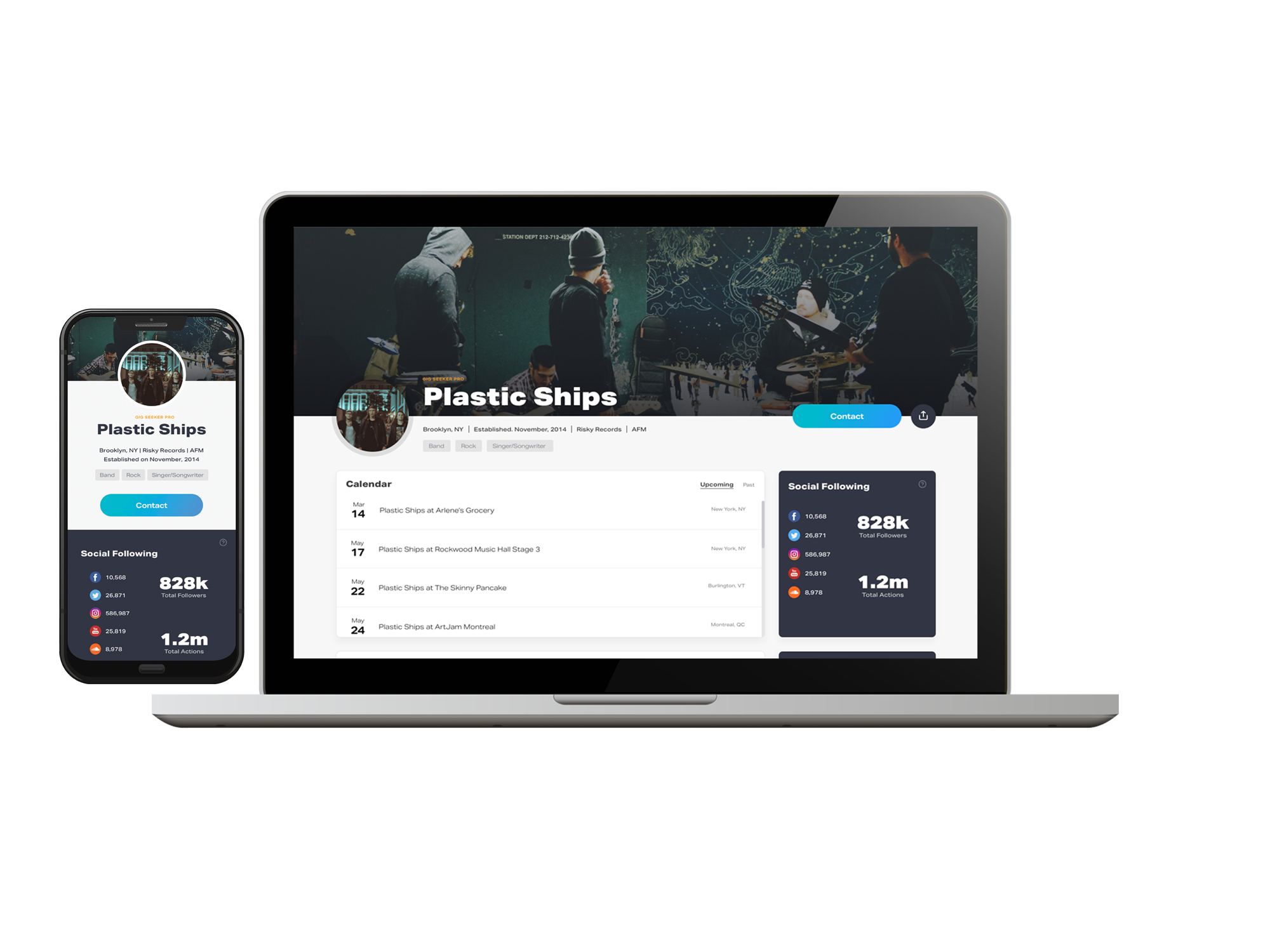
A standard professional EPK typically includes a high-resolution biography, professional-grade promotional photography, and a discography. However, in the current market, the inclusion of "social proof" has become a critical data point. This includes streaming statistics—such as reaching milestones like 10,000 monthly listeners on Spotify—and engagement metrics from platforms like TikTok and Instagram. By presenting these facts clearly, an artist demonstrates that they possess an existing audience, which significantly lowers the perceived risk for a venue or promoter.
Streamlining Industry Communication and Operational Efficiency
The music industry operates on high-volume communication. For a booking agent at a mid-sized venue or a journalist at a major music publication, receiving dozens of disjointed links to SoundCloud, YouTube, and Dropbox is a major deterrent. The EPK solves this logistical bottleneck by consolidating all assets into one accessible location.
From a journalistic perspective, the EPK is an essential resource. When a writer is assigned to cover an artist, they require quick access to high-resolution images for layout, correct spellings of band members’ names, and a clear narrative of the artist’s history. If these materials are not readily available, the artist risks losing the coverage to a competitor who is better prepared. The EPK essentially serves as a "self-service" portal for the media, ensuring that the information published about the artist is accurate and aligns with their intended brand image.
The Psychology of Professionalism and Credibility
Beyond the practical utility of an EPK lies its role in establishing psychological credibility. In the independent music sector, the barrier to entry is low, but the barrier to professional success remains high. An artist who presents a polished, professional EPK signals to the industry that they are a serious business entity.
Analysis of talent buying trends indicates that promoters are more likely to book acts that demonstrate "professional readiness." This readiness is reflected in the details: high-quality technical riders (documents outlining stage requirements), professional stage plots, and a history of media coverage. Including quotes from reputable music critics or testimonials from previous venue owners serves as a form of endorsement. In a field where qualitative assessments of music are subjective, these quantitative and reputational markers provide a more objective basis for decision-making.
Accessibility and the Global Scouting Network
The digital nature of the EPK allows for 24/7 global accessibility, which is vital in an industry that never sleeps. A talent scout in London may be reviewing an artist from Nashville at 3:00 AM local time. Without a centralized digital presence, that artist is effectively invisible during those hours.
Furthermore, the EPK facilitates "passive discovery." Many EPK platforms are searchable databases used by festival organizers to fill specific slots in their lineups. For instance, if a festival is looking for an indie-folk act with a specific geographic draw, a properly tagged and optimized EPK can ensure the artist appears in the search results. This discoverability is a powerful tool for artists who may not yet have the representation of a major booking agency.
The Living Document: Tracking Growth and Milestones
One of the most significant advantages of the modern EPK over its physical predecessor is its adaptability. It is a living document that must evolve in tandem with the artist’s career. This continuous growth is a key indicator of momentum—a quality that labels and agents value above almost all others.
When an artist adds a new performance at a prestigious festival, a new sync placement in a television show, or a significant increase in their social media following, the EPK should be updated immediately. This chronological record of success creates a narrative of "upward trajectory." For an industry professional, seeing an artist who is consistently hitting new milestones is a compelling reason to engage. It transforms the artist’s pitch from a request for a favor into an invitation to join a winning team.
Industry Reactions and Expert Analysis
Industry veterans emphasize that the quality of an EPK often reflects the quality of the artist’s management and overall career strategy. "We receive hundreds of submissions a week for our summer series," says one veteran festival programmer. "The first thing we look at is the EPK. If the photos are low-quality or the links are broken, we move on. It doesn’t matter how good the music is; if they aren’t professional enough to put together a press kit, they aren’t professional enough to handle a main-stage performance."
This sentiment is echoed across the industry. Data suggests that artists who utilize professional EPK services are 40% more likely to receive a response from promoters than those who send unsolicited, unorganized emails. The EPK acts as a filter, allowing the industry to separate those who are "hobbyists" from those who are "professionals."
Broader Implications for the Future of Music Marketing
Looking forward, the role of the EPK is likely to expand even further into the realm of data analytics and interactive media. We are already seeing the integration of video content—such as live performance captures and "behind-the-scenes" footage—becoming a standard requirement. As artificial intelligence begins to play a larger role in talent scouting, the metadata contained within an EPK will become crucial for algorithmic discovery.
The EPK also represents the "democratization of professionalism." In the past, only artists with major label backing could afford the high-quality PR materials necessary to get noticed. Today, for a nominal subscription fee or a bit of sweat equity, an independent artist can present themselves with the same level of polish as a signed act. This leveling of the playing field is one of the most significant shifts in the modern music economy.
Conclusion and Strategic Outlook
In conclusion, the Electronic Press Kit is far more than a collection of songs and photos; it is a foundational pillar of an artist’s professional infrastructure. It serves as a resume, a brand guidelines document, a media hub, and a credibility validator. For the independent artist, it is the primary tool used to navigate the transition from the practice room to the international stage.
As the music industry continues to grow in complexity and volume, the artists who succeed will be those who recognize that their music is only one part of the equation. The other part is the ability to communicate their value effectively to the professionals who can help them reach a wider audience. By investing the time and resources into a high-quality EPK, artists are not just organizing their files; they are investing in the long-term viability of their careers. The music business thrives on storytelling, and the EPK is the most powerful medium an artist has to tell their story to the world.
