

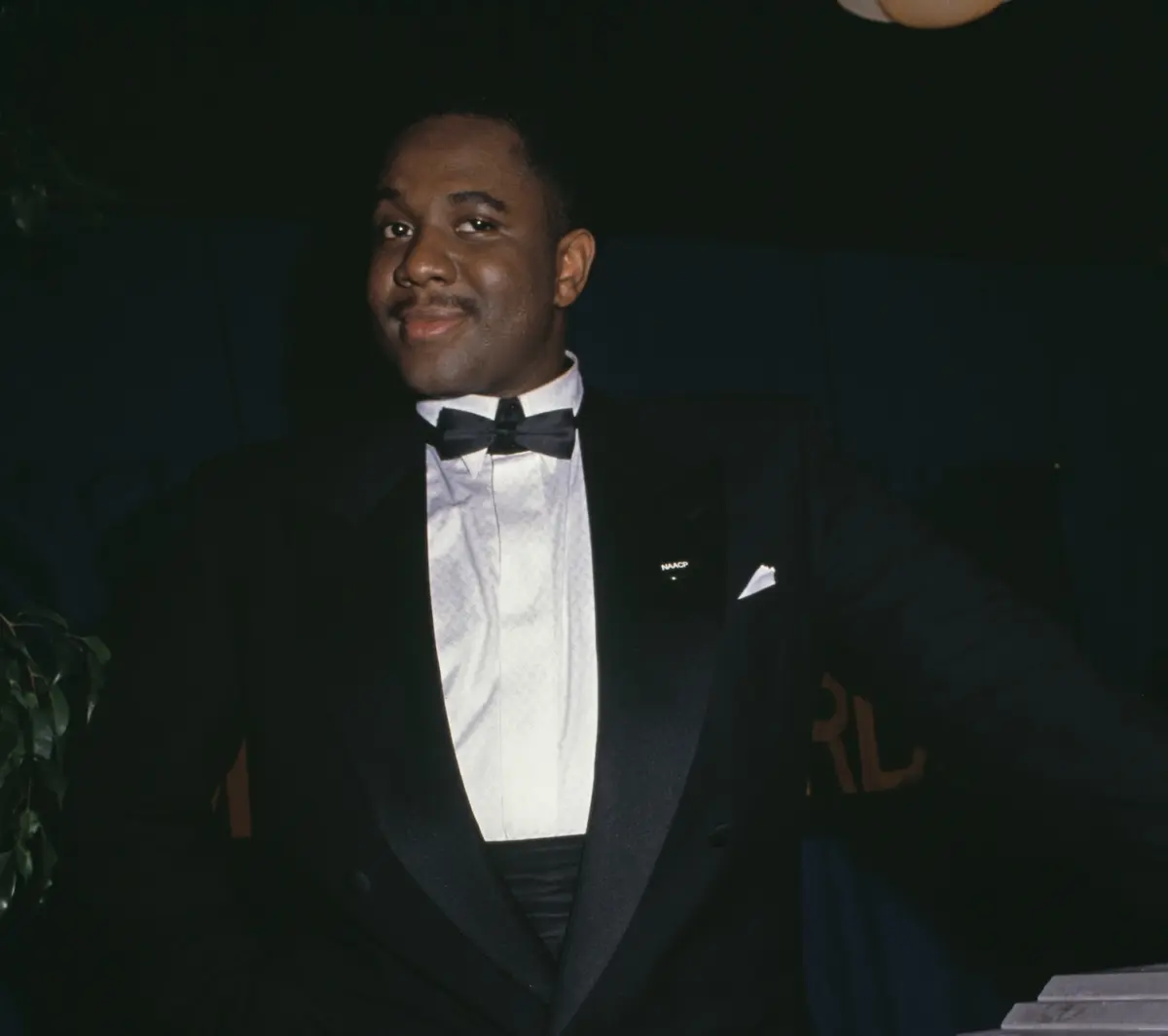
The world of rhythm and blues is mourning the loss of Freddie Jackson, the celebrated R&B singer whose smooth, romantic vocals captivated millions from the mid-1980s through the early 1990s. Jackson, aged 69, passed away last night, with his family sharing the somber news in a social media statement posted this afternoon. The statement conveyed that the beloved artist "went home to rest last night," though a cause of death has not been publicly revealed. His passing marks the end of an era for a generation of music lovers who found solace and passion in his distinct sound, a hallmark of the "quiet storm" genre that dominated Black radio waves for years.
A Harlem Genesis: Early Life and Musical Roots
Born Frederick Anthony Jackson on October 2, 1956, in Harlem, New York City, Jackson’s musical journey began not in the glittering lights of a recording studio but within the sacred walls of the neighborhood’s White Rock Baptist Church. It was there, immersed in gospel music from a tender age, that he honed his vocal prowess and developed the emotive delivery that would later become his signature. This foundational experience in the church choir instilled in him a profound understanding of melody, harmony, and the power of a heartfelt performance.
During these formative years, Jackson forged a crucial relationship with fellow musician Paul Laurence. Laurence, a talented songwriter and producer, would become an indispensable partner in Jackson’s career, co-writing and producing many of his most iconic hits. Their collaboration was a testament to the synergy that can arise from shared roots and a common musical vision. Before his solo breakthrough, Jackson cut his teeth in the competitive New York music scene, joining Laurence’s group, the Laurence Jones Ensemble (LJE). The group frequented New York nightclubs, where Jackson’s voice began to garner attention. He also gained valuable studio experience singing on demo recordings and contributing background vocals to records by established artists, most notably Melba Moore. For a period, he ventured to California, lending his voice to Mystic Merlin, a funk band that released several albums in the early 1980s. However, it was his return to New York and a pivotal signing with Capitol Records that would truly launch his solo career into the stratosphere.
The Ascent to Stardom: Defining the Mid-80s R&B Sound
Jackson’s career trajectory shifted dramatically with the release of his debut single, "Rock Me Tonight (For Old Times Sake)," in 1985. The track, a sleekly produced and yearning ballad written and produced by Paul Laurence, immediately resonated with audiences. Its smooth instrumentation, soulful delivery, and universal theme of romantic longing struck a chord, propelling it to the coveted No. 1 spot on the Billboard R&B chart. The song’s appeal transcended genre boundaries, achieving significant crossover success by reaching the Top 20 on both the Billboard Hot 100 in the U.S. and the UK singles chart, signaling the arrival of a major new voice in popular music.
The success of "Rock Me Tonight" was not an isolated event but the prelude to a string of hits that would solidify Jackson’s status as a leading figure in contemporary R&B. His debut album, also titled Rock Me Tonight, became a platinum-selling sensation, cementing his commercial viability and critical acclaim. The album featured another monumental single, "You Are My Lady," which mirrored its predecessor’s success by also topping the R&B chart and climbing to No. 12 on the Hot 100. These early triumphs laid the groundwork for an incredibly prolific period.
His 1986 follow-up album, Just Like The First Time, proved to be an even greater commercial and artistic success. This album further showcased Jackson’s versatility within the romantic R&B framework, yielding an astonishing four singles that reached No. 1 on the Billboard R&B chart: "Tasty Love," "Have You Ever Loved Somebody," "Jam Tonight," and "I Don’t Want To Lose Your Love." While "I Don’t Want To Lose Your Love" technically peaked at No. 2, its pervasive radio play and enduring popularity often place it among his chart-toppers in the public’s memory. Just Like The First Time also achieved platinum certification, underscoring his consistent appeal and the strong demand for his brand of sophisticated, heartfelt R&B.
Dominance on Black Radio and the Quiet Storm Era
While Freddie Jackson’s presence on the Billboard Hot 100 may have become less pronounced after his initial crossover hits, his dominance on Black radio and within the R&B landscape was absolute and undeniable. Between 1985 and 1990, Jackson amassed an incredible ten No. 1 hits on the Billboard R&B chart, a testament to his consistent ability to craft songs that deeply resonated with his core audience. This period was a golden age for the "quiet storm" format, a genre characterized by smooth, romantic ballads often played during late-night radio programming. Jackson’s "fluttery, frictionless sound," characterized by his smooth tenor and impeccable phrasing, became the quintessential voice of this genre, epitomizing the sound of R&B radio just before the sweeping cultural shift brought about by the rise of rap and New Jack Swing.
His impact wasn’t limited to the airwaves. Jackson also made notable appearances in other media, extending his reach beyond purely musical endeavors. In 1989, his heartfelt duet with the late Irene Cara, "Love Survives," graced the soundtrack of the animated movie All Dogs Go To Heaven, introducing his voice to a younger audience. The following year, he made a memorable cameo appearance as himself in Abel Ferrara’s acclaimed 1990 crime movie King Of New York, adding a layer of authenticity and cool to the film’s gritty urban narrative. These ventures highlighted his broader cultural relevance and demonstrated how deeply ingrained his music had become in the fabric of late 20th-century American popular culture. His smooth, sophisticated image, often clad in tailored suits, perfectly complemented his music, presenting an artist who embodied romance and elegance.
Navigating a Changing Musical Landscape and Enduring Influence
The early 1990s brought significant shifts in the music industry, particularly within R&B. The emergence of New Jack Swing, hip-hop, and more aggressive R&B styles began to alter the mainstream sound, leading to a decline in chart dominance for artists like Jackson, whose signature style was rooted in traditional balladry. While his mainstream chart visibility on the Hot 100 waned, Freddie Jackson’s influence and legacy proved remarkably resilient.
His music, rich with intricate melodies and soulful vocal arrangements, became a fertile ground for sampling by a new generation of hip-hop artists. Samples of Jackson’s records have appeared on dozens, if not hundreds, of rap songs, illustrating how his smooth sound provided a nostalgic and sophisticated backdrop for modern beats. This phenomenon demonstrated a profound respect for his artistry from an unexpected quarter. For instance, Grand Puba famously sang a snippet of "Rock Me Tonight" on Brand Nubian’s track "Slow Down," showcasing a direct homage. Perhaps even more famously, Big Boi of Outkast delivered the iconic line, "cooler than Freddie Jackson sipping a milkshake in a snowstorm" on their hit "So Fresh, So Clean," cementing Jackson’s status as a cultural touchstone and a symbol of effortless cool. These references ensured that Jackson’s name and music continued to resonate with younger audiences, even if they were discovering him through the lens of hip-hop.
Later Career and Lasting Legacy
Despite the evolving trends in popular music, Freddie Jackson never truly retired from his passion. He continued to tour consistently, performing for his dedicated fanbase around the world who cherished his classic hits. He also continued to record new music, demonstrating his enduring commitment to his craft. His last album, Love Signals, was released in 2018, nearly four decades after his initial breakthrough, showcasing his sustained artistic output and connection with his audience. His live performances were often lauded for his smooth vocals and charming stage presence, proving that his talent remained undiminished over the years.
Jackson’s legacy is multifaceted. He will be remembered as a pioneer of the "quiet storm" sound, a crooner whose voice became synonymous with romance and sophisticated soul. His ability to deliver a heartfelt ballad with impeccable control and emotional depth set him apart. He not only created timeless hits but also influenced countless artists who followed, demonstrating the lasting power of classic R&B. The outpouring of tributes from across the music industry and from fans on social media following the news of his passing underscores the profound impact he had. Fellow artists and industry figures are remembering him not just for his chart success but for the distinctive warmth and sincerity he brought to every note, and for providing the soundtrack to countless romantic moments for generations. His contribution to the tapestry of American music, particularly within the R&B genre, is indelible. Freddie Jackson’s music will undoubtedly continue to soothe and inspire, a testament to a voice that truly went home to rest, but whose melodies will live on forever.
