

The landscape of the global music industry has undergone a seismic shift over the last decade, transitioning from a centralized, label-dominated hierarchy to a decentralized ecosystem where independent artists now command a significant share of the market. According to reports from MIDiA Research, the independent artist sector is the fastest-growing segment in the music business, generating over $1.2 billion in annual revenue. However, as the barriers to entry have lowered, the volume of content has increased exponentially, making strategic networking and cross-disciplinary collaboration not merely beneficial but essential for professional survival. For the modern independent musician, the challenge is no longer just the creation of art, but the navigation of a complex social and professional web that requires a multifaceted approach to community building.
The Traditional and Modern Context of Musical Networking
Historically, networking in the music industry was confined to physical hubs—cities like Nashville, Los Angeles, New York, and London—where artists, A&R scouts, and publishers congregated in specific clubs and studios. The "Brill Building" model of the mid-20th century, characterized by high-density professional proximity, has been replaced by a globalized, digitally-interconnected framework. Yet, despite the rise of digital tools, the psychological barriers to networking remain high for many independent creators. The intimidation factor of entering a room filled with established talent is a documented phenomenon in creative psychology, often cited as a primary hurdle for emerging artists.
To combat this, industry analysts and veteran performers suggest a move away from "transactional networking" toward "relational community-building." This shift emphasizes the long-term value of diverse partnerships over short-term gains. By examining five key strategies—local interdisciplinary engagement, community-hosted events, niche digital platforms, festival immersion, and fan-based intelligence—musicians can construct a robust professional foundation that transcends traditional industry gatekeeping.

Interdisciplinary Engagement and the Local Arts Ecosystem
One of the most underutilized resources for the independent musician is the local arts scene outside of the strictly musical sphere. While musicians often gravitate toward other musicians, industry data suggests that cross-pollination with visual artists, theatrical performers, and poets can yield higher visibility in diverse markets.
For instance, the integration of original music into visual art galleries or sculpture installations provides a unique "synch" opportunity. A sculptor seeking a soundscape for an immersive exhibition creates a symbiotic relationship: the musician gains access to the visual artist’s audience, while the artist enhances the sensory experience of their work. Similarly, regional theater companies frequently require original scores or live incidental music. These collaborations often lead to "synch licensing" opportunities, which, according to the International Federation of the Phonographic Industry (IFPI), represent one of the most stable revenue streams for independent creators. By attending gallery openings and theater workshops, musicians position themselves as versatile collaborators capable of operating within a broader cultural context.
The Role of Communal Spaces: Workshops and Jam Sessions
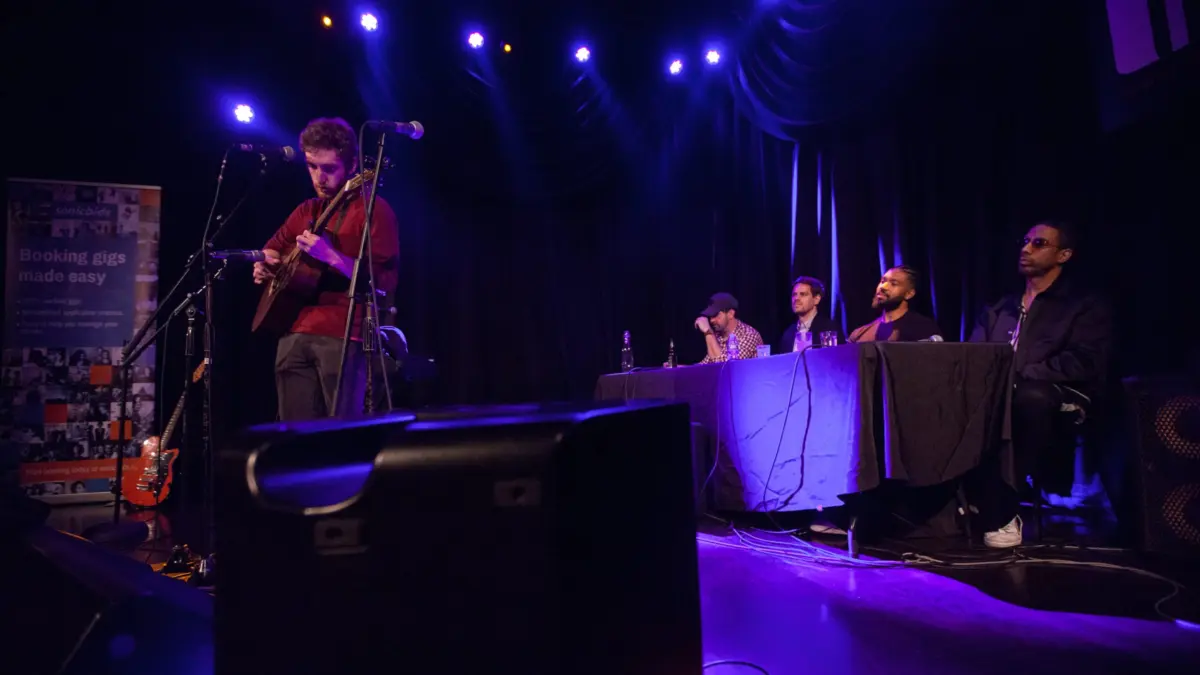
The resurgence of the "community hub" is exemplified by initiatives such as the Sonicbids Feedback Collective. These organized sessions, which include panel discussions and songwriting workshops, serve as a bridge between solitary practice and professional performance. Hosting a jam session or a technical workshop allows a musician to transition from a participant to a facilitator, a move that significantly enhances their professional standing within a local scene.

The technical and creative benefits of these sessions are rooted in the concept of "emergent sound." When a rock guitarist collaborates with a jazz saxophonist in a controlled, low-pressure environment, the resulting fusion often leads to the development of new sub-genres. Chronologically, many of the most influential movements in modern music—from the London "Acid Jazz" scene to the Seattle "Grunge" movement—began as informal gatherings in shared spaces. Today, these sessions serve as informal A&R grounds where artists can vet potential bandmates or producers before committing to expensive studio time.
Digital Platforms and the Shift Toward Niche Communities
While mainstream social media platforms like Instagram and TikTok are essential for broad-scale marketing, they are often criticized for their "one-to-many" communication style, which can hinder deep professional collaboration. In response, artists are increasingly turning to specialized platforms such as BandLab, SoundCloud, and Discord.
BandLab, which reported over 60 million users as of 2023, represents a significant technological shift. Unlike platforms that focus solely on distribution, these tools provide cloud-based Digital Audio Workstations (DAWs) that allow for real-time remote collaboration. A producer in Tokyo can contribute a drum track to a vocalist in Berlin, bypassing the geographical and financial constraints of traditional recording.
Industry analysis indicates that the "comment-and-contribute" model on these platforms is highly effective for building a professional network. Rather than generic self-promotion, musicians who provide "constructive feedback" on the work of others often find themselves invited into "collabs." This method leverages the "reciprocity principle" in social psychology, where the act of giving value first leads to mutual professional support.

The Strategic Value of Festival Volunteering
Music festivals, despite their festive appearance, are high-stakes professional environments. For the independent musician, volunteering at these events offers a "backstage" education in the logistics of the industry. This immersive experience provides direct access to event organizers, stage managers, and touring professionals who are otherwise inaccessible.
A timeline of career development for many successful independent acts reveals a period of "industry apprenticeship." By working in artist relations or technical crews, musicians observe the professional standards required for high-level touring. This environment fosters "high-intensity networking," where shared stress and common goals during a festival weekend can lead to lasting professional bonds. It is a common occurrence for a volunteer to be called upon to fill a last-minute vacancy or to share their demo with a sound engineer who later becomes a key collaborator.
Direct-to-Fan Intelligence and Collaborative Crowdsourcing
The final pillar of modern networking involves the democratization of the creative process through the fanbase. The "Direct-to-Fan" (D2F) model has evolved into a "With-Fan" model. In this framework, the audience is no longer a passive consumer but a source of networking intelligence.

By utilizing digital tools like polls, surveys, and interactive live streams, musicians can tap into the collective knowledge of their listeners. Fans often have diverse connections; a listener might be a graphic designer, a venue owner, or a friend of a prominent session musician. Engaging the fanbase in the decision-making process—such as asking who they would like to see as a guest artist—not only increases fan loyalty (as measured by "engagement metrics") but also opens doors to organic introductions. This "fan-sourced networking" minimizes the "cold call" aspect of industry outreach, as the artist can approach a potential collaborator with the data-backed knowledge that there is already an existing audience demand for the partnership.
Analysis of Implications and the Future of Music Collaboration
The implications of these networking strategies are profound for the economic sustainability of the independent sector. As the industry moves further away from the "superstar" model and toward a "middle-class" of musicians who earn a living through diverse revenue streams, the ability to collaborate across sectors becomes a primary competitive advantage.
From a macroeconomic perspective, the rise of "micro-communities" reduces the reliance on major label funding. When musicians share resources—whether it is a home studio, a mailing list, or a shared tour van—they effectively lower their overhead costs. Furthermore, the cultural impact of these collaborations cannot be overstated. By breaking down the silos between genres and artistic disciplines, independent musicians are driving the innovation that keeps the global music market vibrant.
In conclusion, the journey of an independent musician is no longer a solitary pursuit of fame, but a collective effort toward sustainable artistry. The data suggests that those who embrace local art scenes, facilitate community workshops, utilize niche digital tools, volunteer within the industry infrastructure, and leverage their fanbases are the most likely to achieve long-term success. Networking, once viewed as a daunting administrative task, is now recognized as the very engine of creative growth. As the industry continues to evolve, the artists who view every encounter as a potential partnership will be the ones who define the future of sound. The transition from "independent" to "interdependent" is the defining characteristic of the modern musical career.
