

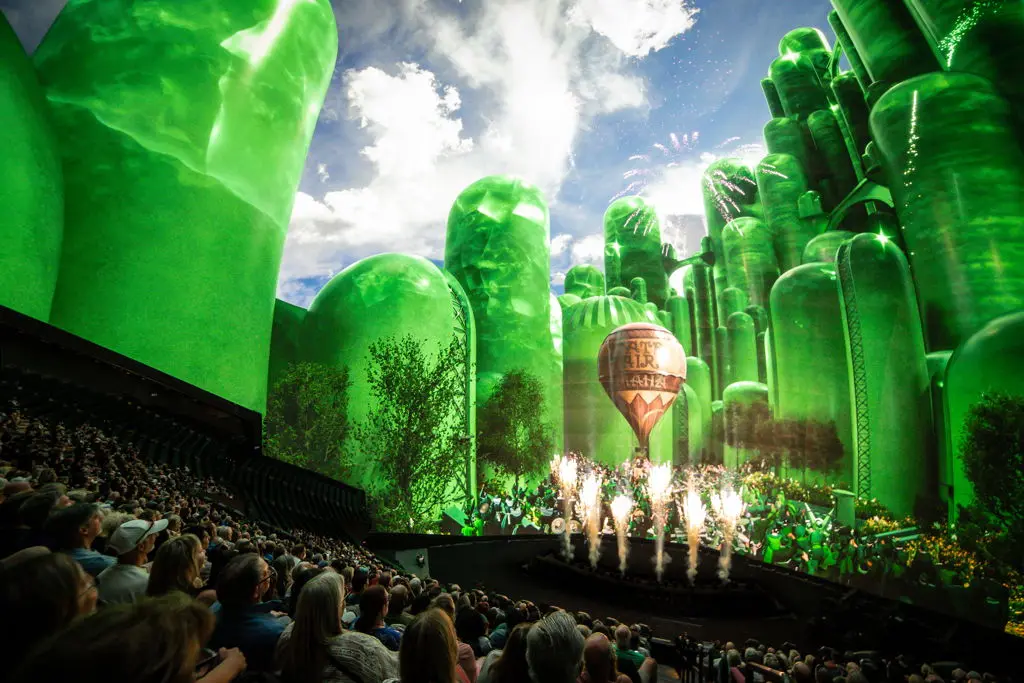
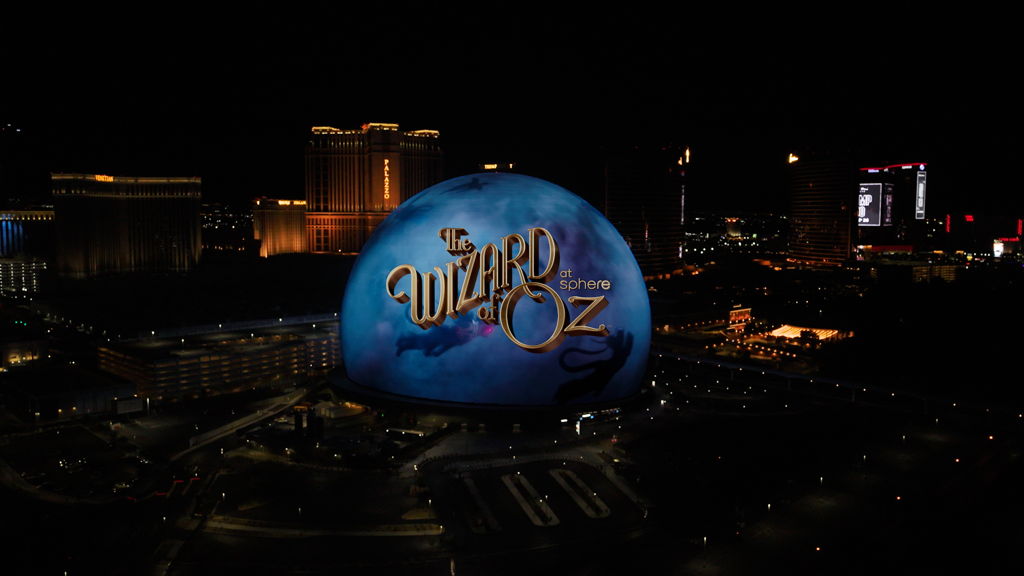
Since its highly anticipated debut in August 2025, The Wizard of Oz at the Sphere in Las Vegas has redefined the boundaries of immersive cinema, transforming the 1939 Metro-Goldwyn-Mayer classic into a multisensory spectacle that utilizes the venue’s record-breaking technical infrastructure. Spanning a 160,000-square-foot 16K LED interior display, the production represents one of the most ambitious film restoration and enhancement projects in entertainment history. Starting September 25, 2026, Sphere Entertainment will further evolve this flagship production by introducing a suite of advanced 4D effects and a sophisticated, feature-driven ticketing strategy. This expansion signals a shift in the Las Vegas residency model, where technological upgrades are leveraged not merely for artistic depth, but as precision-engineered tools for tiered monetization.
The Technical Foundation: Reconstructing a Masterpiece
The 77-minute experience is the culmination of a two-year development cycle involving a multidisciplinary team of over 2,000 experts across the fields of digital artistry, acoustic engineering, and research science. The central challenge of the project was the translation of 1930s-era 4:3 aspect ratio cinematography onto the Sphere’s massive, curved interior canvas. To achieve this without compromising the integrity of the original performances, Sphere Entertainment partnered with Google and the immersive media studio Magnopus to deploy proprietary generative artificial intelligence (AI) technologies.
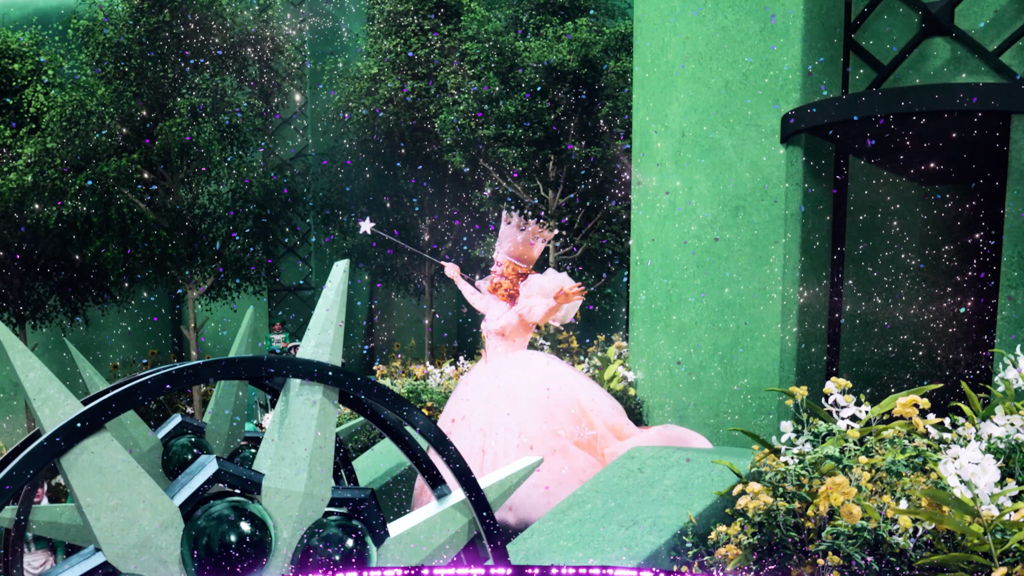
This AI-driven process involved the creation of over 1,800 individual elements designed to expand the visual field of the original film. While the actors and central action remain faithful to the 1939 footage, the peripheral environments were extended using generative fill techniques that match the grain and color palette of the original Technicolor film. In contrast to the AI-augmented interior scenes, the sprawling landscape shots of Oz were captured using Sphere’s "Big Sky" camera system. This ultra-high-resolution technology allowed the production team to blend original photography with high-fidelity digital environments, ensuring that the Emerald City and the poppy fields possess a scale and clarity previously impossible in traditional cinema.
Acoustically, the production is equally groundbreaking. The Oscar-winning original score was re-recorded at the historic Barbra Streisand Scoring Stage—the same location where the 1939 soundtrack was originally captured. A 110-piece orchestra, performing in the style of the 1930s, provided the foundation for a new spatial audio mix. Utilizing the Sphere Immersive Sound system, which consists of 167,000 individually programmable beamforming speakers, the audio team isolated the original mono stems for dialogue and vocals, layering them into a 360-degree soundscape. This allows the audience to perceive sound as if it is moving through the space, synchronized with the visual action on the LED screen.
Chronology of Development and Implementation
The trajectory of The Wizard of Oz at the Sphere reflects a phased approach to large-scale entertainment. Following the initial opening in late summer 2025, the production underwent a year of performance monitoring and audience feedback analysis before the 2026 expansion was finalized.

- August 2025: Official launch of the immersive experience featuring the 16K film and foundational haptic seat integration.
- January – June 2026: Extensive in-venue testing of advanced 4D systems, including 360 hours of calibration for the "Tornado" sequence.
- September 25, 2026: Implementation of the "Phase Two" effects, including animatronics, atmospheric scents, and pyrotechnics.
- October 15, 2026: Debut of the "Bad Witch" VIP experience and the limited-release "Glinda’s Wand" interactive accessory.
- November 3, 2026: Retail launch of interactive hardware for general admission guests.
This timeline demonstrates a commitment to iterative improvement, ensuring the venue remains a destination for repeat visitors who wish to experience the "upgraded" version of the show.
Sensory Integration and 4D Infrastructure
The "core" 4D experience, which has been active since the 2025 launch, utilizes a complex array of mechanical systems to simulate environmental conditions. The "Tornado" sequence, a highlight of the production, is powered by three high-performance industrial fans, 20 fog machines, nine hazers, and 18 Global Motion Effects Platform (GMEP) machines. This synchronized system creates a localized atmospheric event within the bowl, vibrating the venue’s 10,000 haptic seats using infrasound technology to simulate the roar and physical pressure of a storm.
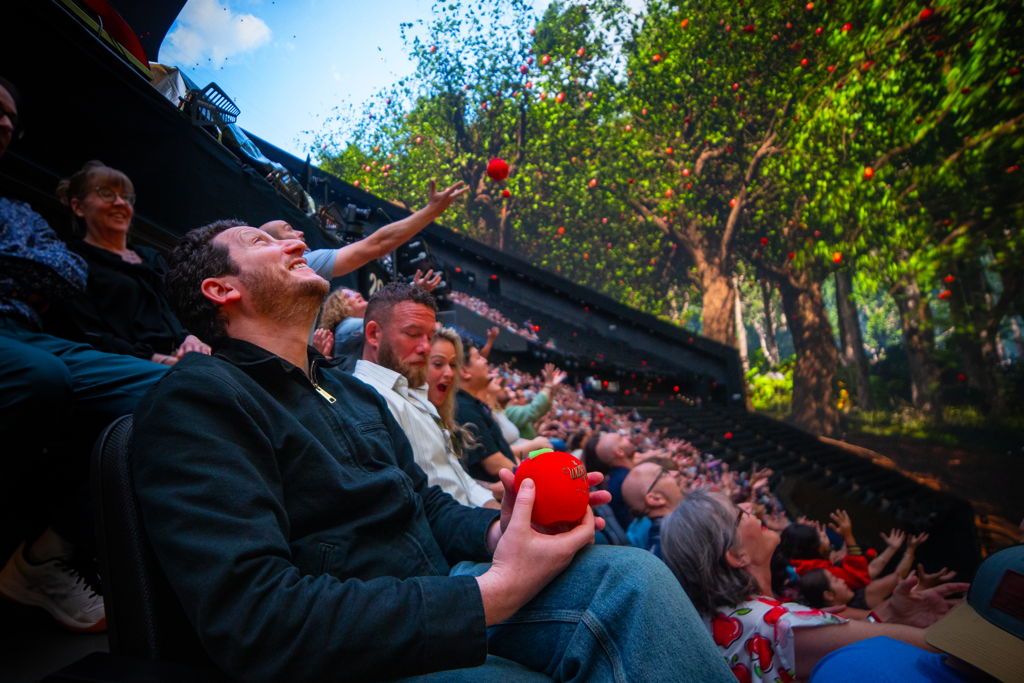
Nature-based effects are delivered with similar precision. During the apple orchard scene, more than 500 physical prop apples are deployed from 33 ceiling hatches, while 38 snow cannons are used to blanket the audience during the poppy field sequence. The production also employs eight flame systems to provide thermal feedback during scenes involving the Wicked Witch of the West. To manage the complexity of these interactions, Sphere utilizes a motion-capture tracking system that allows autonomous digital elements—such as butterflies and winged monkeys—to "react" to the physical environment and the audience’s presence in real-time.
The September 2026 Expansion: New Artistic and Sensory Elements
The update scheduled for September 25, 2026, introduces five significant technical enhancements designed to deepen the immersion. The most notable addition is the deployment of animatronic Winged Monkeys. Unlike previous digital iterations, these physical units are engineered to fly over the audience on a sophisticated rail and cable system, bridging the gap between the screen and the physical space.
Furthermore, the production will introduce "thematic scents," a complex olfactory system designed to release specific aromas—such as the fragrance of poppies or the smell of a forest—at key moments. This is complemented by "Glinda Glitter," a system that saturates the air with reflective particles during the Good Witch’s appearances, and an expanded pyrotechnic display for the film’s climax. Narratively, the update also reinstates a previously omitted sequence featuring the Cowardly Lion, titled "Put ’em up, put ’em up," which has been restored using the same AI and high-resolution techniques applied to the rest of the film.
Strategic Monetization and Feature-Driven Ticketing
Perhaps the most significant aspect of the 2026 update is how Sphere Entertainment is utilizing technical features to drive revenue through a differentiated ticketing strategy. The introduction of "Glinda’s Wand"—a physical, interactive accessory—marks a new era in show-integrated merchandise. The wand is equipped with haptic motors and LED arrays that synchronize with the show’s lighting and sound systems, allowing the user to "unlock" specific interactive moments from their seat.
Sphere is employing a tiered rollout for this technology to maximize its premium appeal:
- VIP Exclusive Access: From October 15, the wand is only available as part of the "Bad Witch" Signature VIP Experience. This package includes premium seating in Section 206 or the front row of Section 306, access to the Delta Sky360 Club, and a private exhibition of archival "Wizard of Oz" memorabilia.
- General Retail: Only after the initial VIP exclusivity period ends on November 3 will the wand be available for individual purchase at a retail price of $40 USD.
This model mirrors the "battle pass" or "DLC" (downloadable content) structures found in the gaming industry, where additional features and experiences are gated behind premium price points. By making the technical accessory a central part of the VIP package, Sphere Entertainment is shifting the value proposition from "viewing location" to "level of interactivity."
Broader Impact and Industry Implications
The Wizard of Oz at the Sphere serves as a case study for the future of the "Experience Economy." As traditional cinema faces stiff competition from home streaming, venues like the Sphere are positioning themselves as providers of "un-copyable" experiences. The use of generative AI to upscale legacy content suggests a massive new market for Hollywood’s archival libraries; if a 1939 film can be successfully adapted for a 16K immersive environment, the potential for other "Golden Age" classics is vast.
Furthermore, the integration of real-time motion capture and physical animatronics suggests a convergence between cinema, theme park engineering, and live theater. Industry analysts suggest that if the "Glinda’s Wand" monetization model proves successful, it could become a standard for high-budget residencies globally, where the purchase of a ticket is merely the baseline for a series of potential upsells tied to sensory and interactive hardware.
As Sphere Entertainment continues to push the boundaries of what is technically possible, the 2026 expansion of The Wizard of Oz confirms that the venue is not just a screen, but a dynamic platform capable of evolving its content to meet both artistic ambitions and aggressive commercial targets. Tickets for the expanded experience are currently available through early 2027, indicating a long-term commitment to this hybrid model of classic storytelling and futuristic delivery.
