

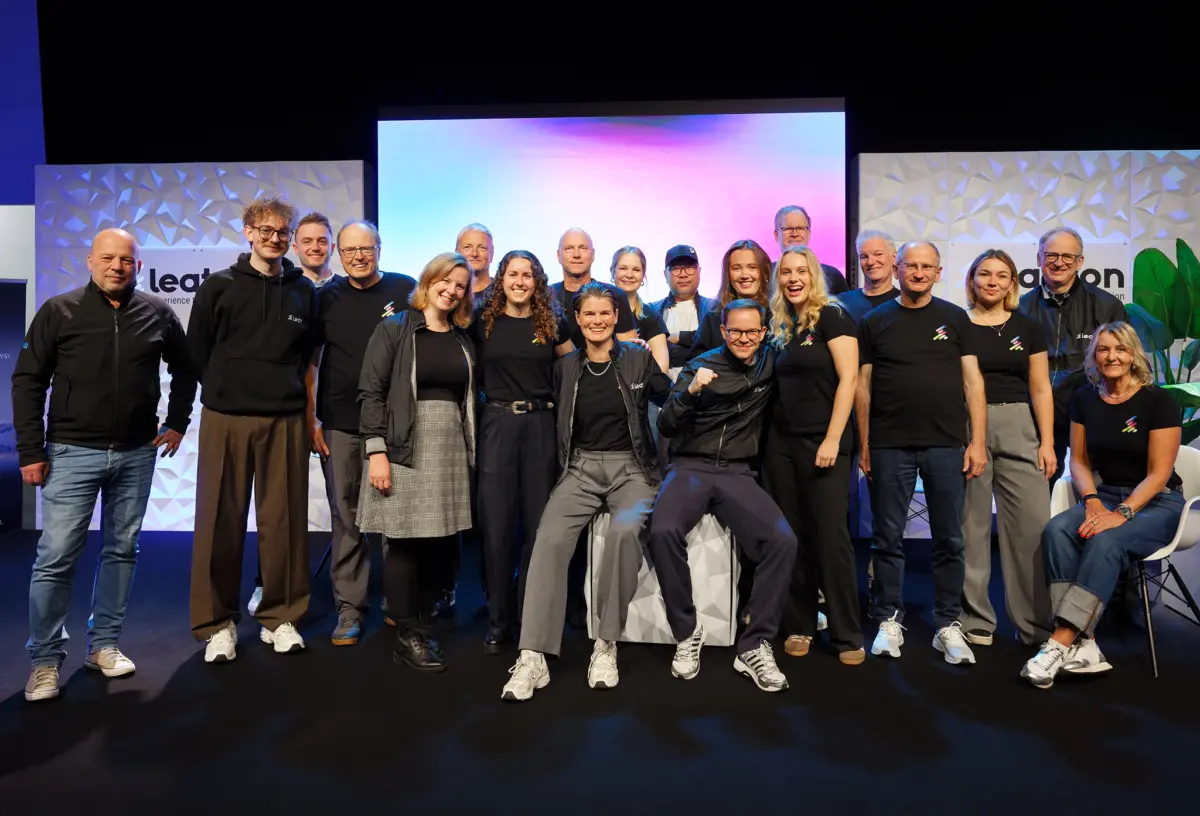
The landscape of the European experience technology industry underwent a significant transformation from October 6 to 8, 2026, as the Hamburg Messe played host to the most expansive and vibrant edition of leat con to date. Attracting more than 11,700 professionals over three intensive days, the convention solidified its position as the premier networking hub for the live technology, installation, and broadcast sectors. With an unprecedented footprint spanning three exhibition halls—A1, A2, and A4—and a schedule featuring over 250 individual program points, the event moved beyond the traditional trade fair model to create a holistic "Networking Convention" that prioritized cross-disciplinary exchange and the integration of emerging technologies like Artificial Intelligence.
The success of leat con 26 reflects a broader trend within the global event industry: the convergence of previously siloed sectors. By organizing the convention into five distinct hubs—live tech, install, stage tech, broadcast, and communicate—the organizers, Ebner Media Group, successfully bridged the gap between system integrators, lighting designers, broadcast engineers, and event planners. This structural approach addressed the increasing reality that modern audience experiences rely on the seamless interplay of high-end audio, complex visual displays, and robust digital communication infrastructures.
A Strategic Expansion in Scope and Scale
The decision to expand the convention into three halls was a direct response to the growing demand for a centralized platform where technology and creativity meet. Marcel Courth, Managing Director of leat at Ebner Media Group, noted that while the scale of the event reached new heights, the core philosophy of the convention remained intact. According to Courth, the record-breaking size did not detract from the personal atmosphere that has defined the event since its inception five years ago. He emphasized that the natural blending of different trades was one of the most rewarding outcomes of the 2026 edition, providing a unique value proposition that differentiates leat con from more segmented industry gatherings.
The data supports this narrative of growth. With over 11,700 attendees, the event saw a significant uptick in participation compared to previous years, reflecting a robust recovery and renewed investment in the experience technology market. The diversity of the audience was equally notable, ranging from international lighting designers and theater technicians to corporate communication specialists and software developers. This demographic breadth ensured that the networking opportunities were not merely high in volume but high in strategic quality.
The Programming Engine: Knowledge Transfer and Live Experience
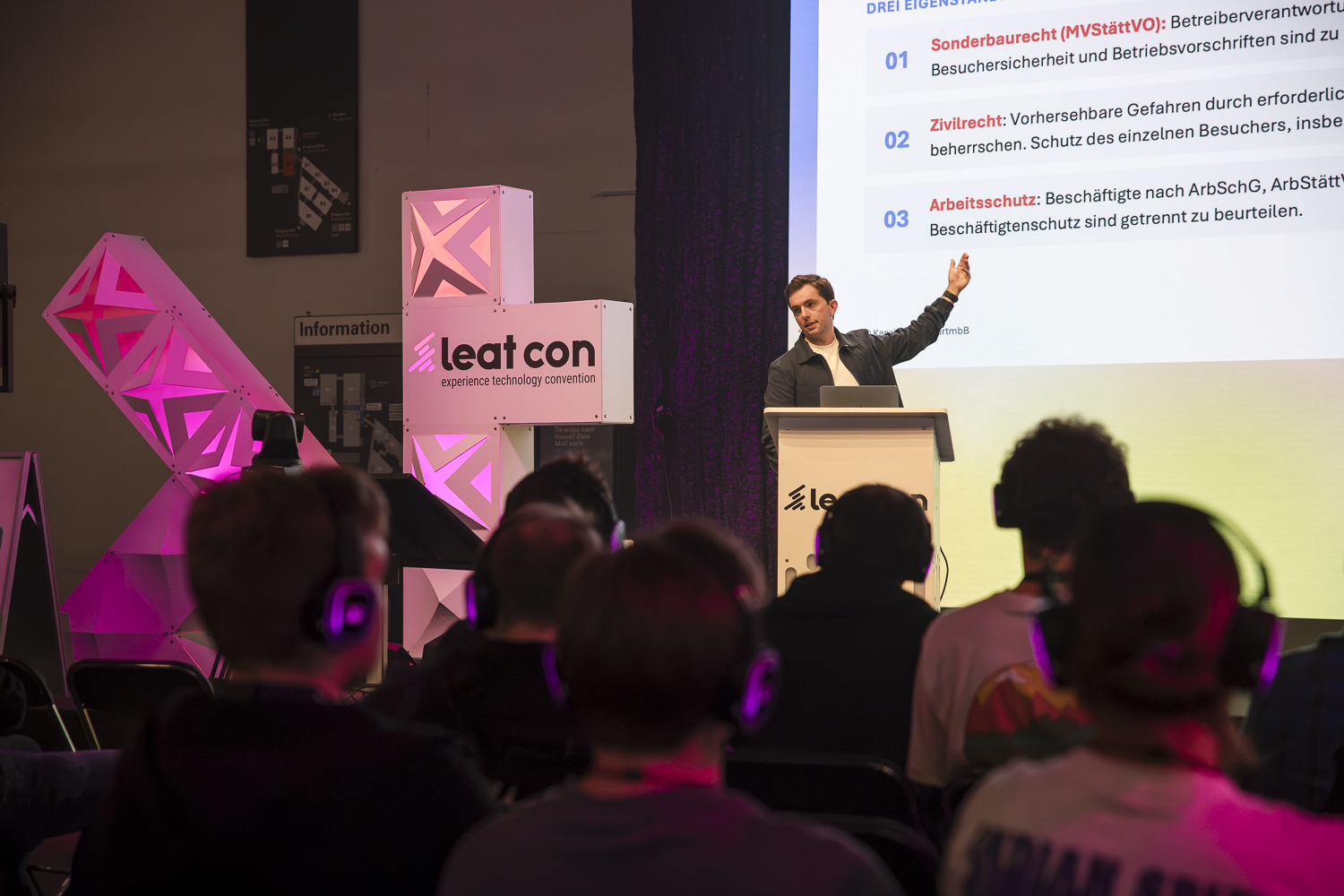
Central to the appeal of leat con 26 was its massive educational and experiential program. With 250 program points spread across seven stages, the convention functioned as a massive university for the experience technology sector. The curriculum was designed to be as varied as the industry itself, covering essential topics such as advanced lighting control, immersive audio environments, stage and theater engineering, and the latest in ProAV workflows.
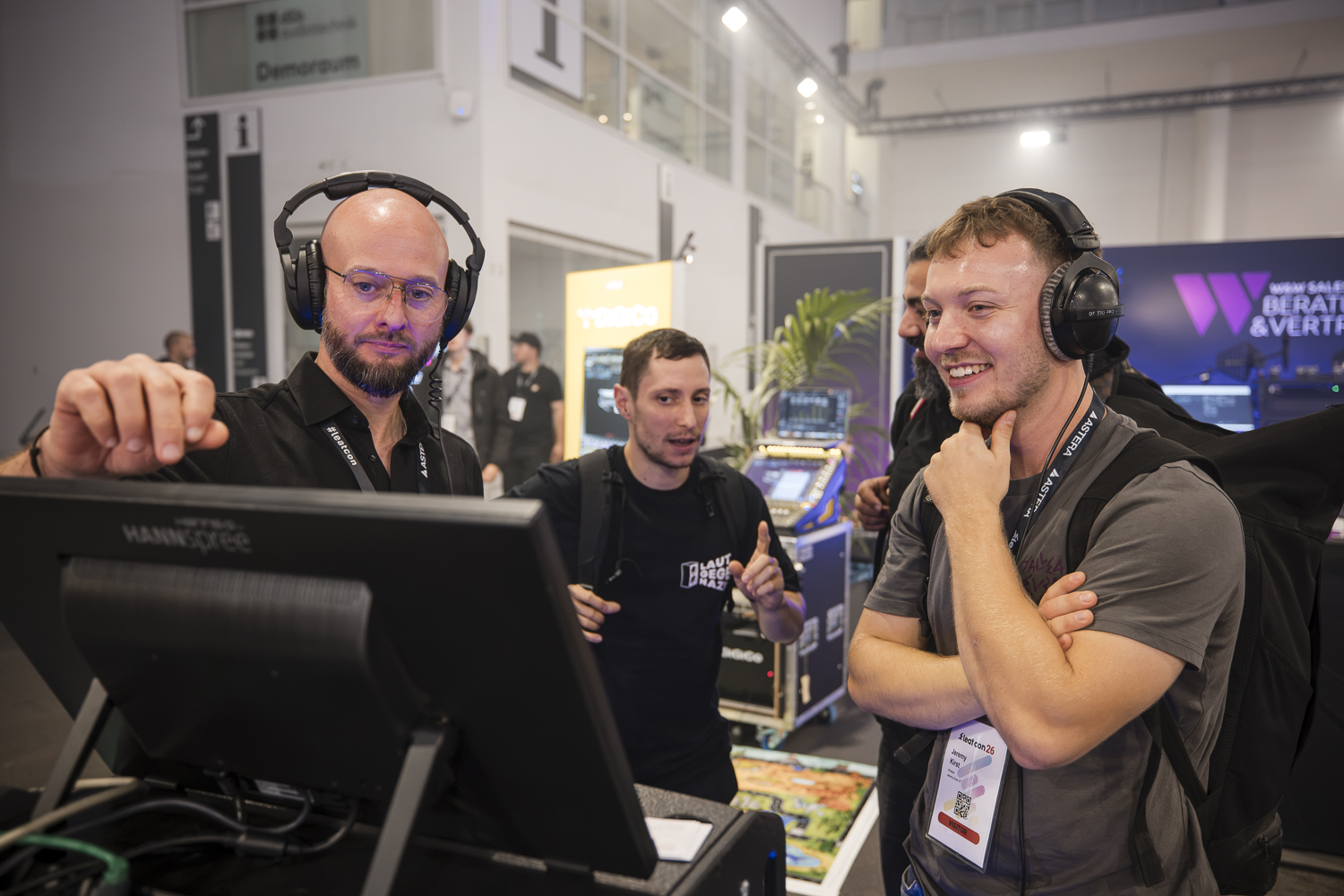
Beyond the stages, the event utilized workshops, masterclasses, and live training sessions to provide hands-on experience. Demorooms allowed manufacturers to showcase their latest hardware in controlled, high-fidelity environments, while side events provided space for deeper dives into niche technical challenges. This focus on "technology as an experience" was highlighted by international visitors such as British lighting designer Tim Routledge. Routledge, known for his work on major global tours and broadcasts, praised the convention for its scale and the warmth of its community, noting that the event has matured into a significant stop on the international industry calendar.
The inclusion of leadership and business-focused tracks also signaled a maturation of the convention. Sessions on "Business and Leadership" addressed the human element of the industry, focusing on talent retention, project management in a post-digital world, and the evolving economic models of event production. By addressing both the "how" of technology and the "why" of business strategy, leat con 26 positioned itself as a comprehensive resource for industry professionals at all levels of their careers.
The Convergence of ProAV and Broadcast
One of the most visible evolutions in 2026 was the solidification of the ProAV and broadcast sectors as permanent pillars of the convention. Historically, these industries operated in parallel with the live event sector but often maintained their own separate exhibition circuits. However, the rise of remote production, IP-based signal distribution, and high-end corporate streaming has forced a merger of technical requirements.
Representatives from major industry players highlighted this synergy. Niklas Rautenberg of Riedel Communications observed that the convention now attracts a comprehensive cross-section of their target audience, encompassing theater, live events, and broadcast professionals in a single venue. This sentiment was echoed by Markus Warlich of Sony Europe B.V., who pointed out that the boundaries between broadcast and entertainment are increasingly blurred, making leat con an ideal platform for fostering dialogue between these two spheres.
For distributors like SYSTEAM, the convention provided a critical touchpoint for the German market. Dominik Dütsch noted that the ProAV segment, in particular, has seen significant growth at leat con, allowing distributors to connect with new resellers and end-users who are looking for integrated solutions rather than standalone products. This trend suggests that the future of the industry lies in system integration, where the ability to navigate multiple technical disciplines is the primary driver of value.
Innovation at the Forefront: The neo summit 26
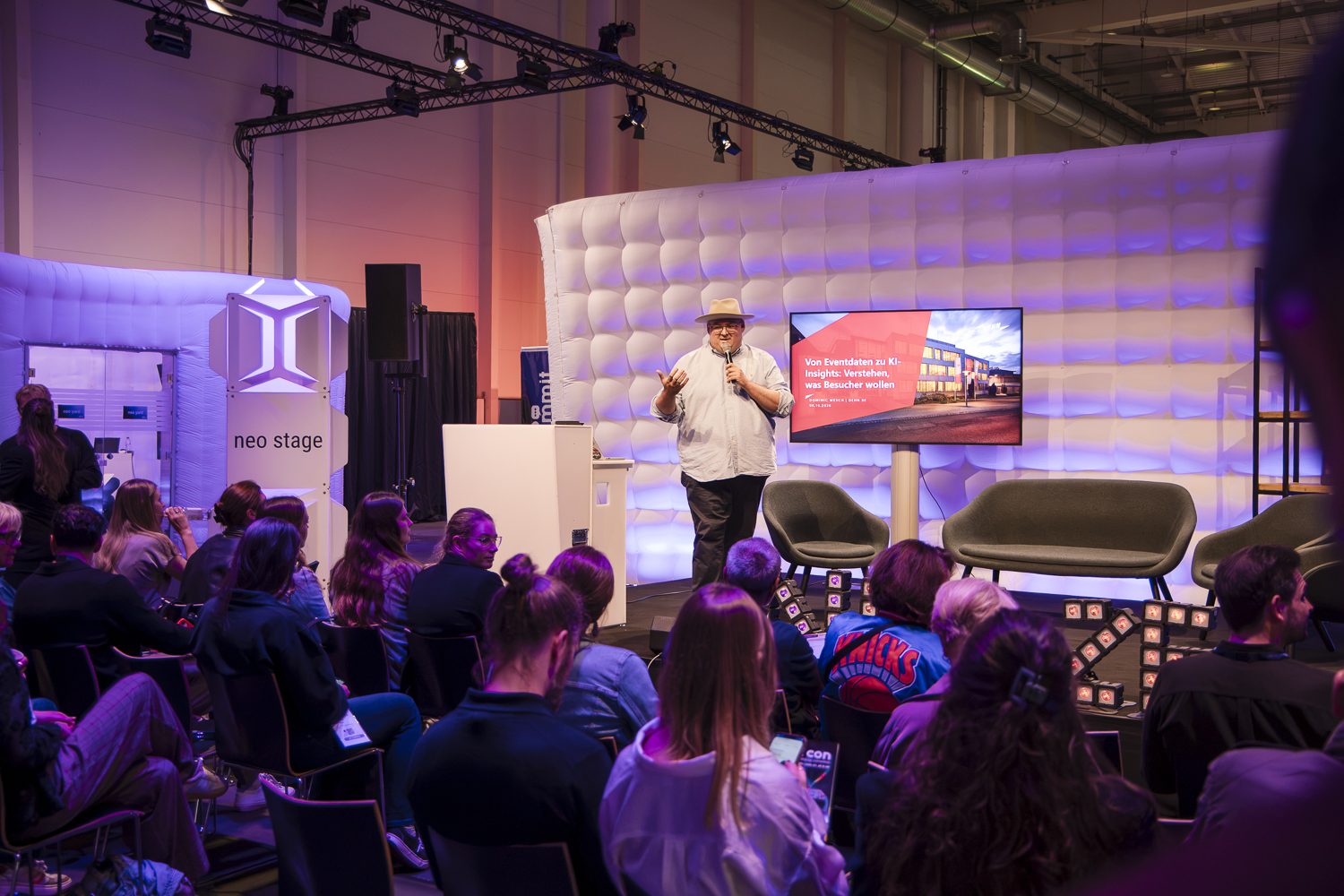
A defining feature of the 2026 convention was the premiere of the neo summit, a two-day conference (October 6-7) dedicated entirely to the role of Artificial Intelligence and future technologies in the event sector. As an independent forum within the larger leat con ecosystem, the neo summit attracted 250 specialized participants, 15 exhibitors, and over 60 speakers across 35 sessions.
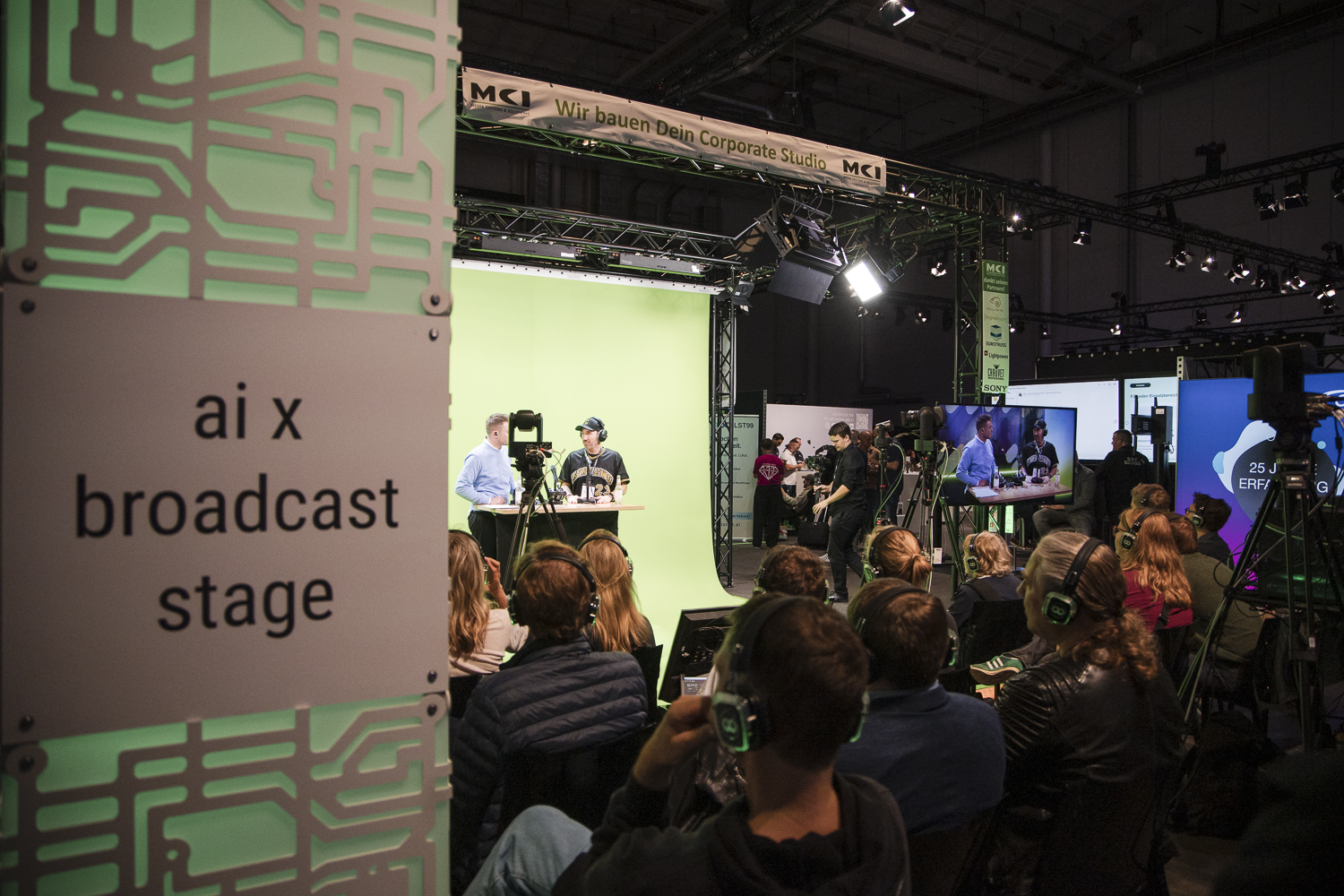
The neo summit was designed to move beyond the hype of AI tools and instead focus on the long-term implications for the workforce. Key discussions centered on how AI will change creative workflows, the new skill sets required for event professionals, and how to maintain the human "quality of encounter" in an increasingly automated environment. Maxi Neßmann, Product Owner of the neo summit, explained that the goal was to provide both a high-level theoretical framework and practical, actionable insights for the industry.
The feedback from the summit indicated a high level of urgency regarding digital transformation. Attendees praised the depth of the sessions, which moved past basic generative AI applications to explore complex topics like AI-driven logistics, automated broadcast directing, and the ethics of digital twins in event planning. The success of this inaugural summit suggests that future editions of leat con will continue to place a heavy emphasis on the intersection of software and hardware.
Networking and the "Spirit of the Karoline"
Despite the high-tech focus, the "human" aspect of the convention remained a central theme. The Networking Night, held at the "Karoline" venue, served as a dual celebration: a social anchor for the 2026 event and a commemoration of five years of the leat brand. This social component is viewed by many attendees as the "secret sauce" of the convention’s success.
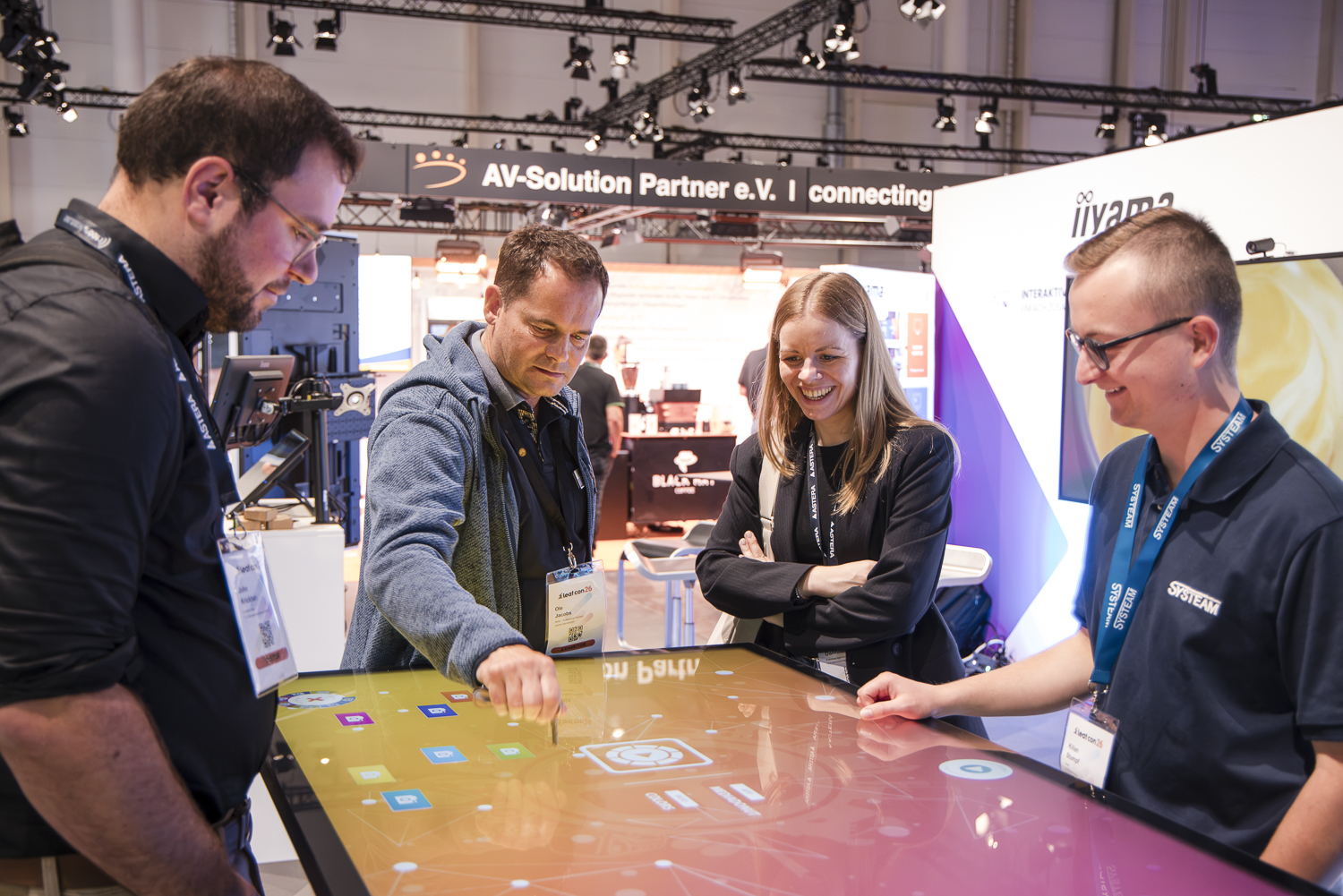
Visitor testimonials highlighted the egalitarian nature of the event. Attendees like Qinglian Guo and Marius Jehle noted that the open atmosphere allowed for unpretentious communication between high-level executives and junior technicians. This lack of hierarchy is a deliberate design choice by the organizers, who aim to foster a community where the exchange of ideas is as important as the signing of contracts. The "Networking Convention" moniker is thus more than a marketing slogan; it is a functional description of the event’s social architecture.
Chronology of a Landmark Event
The three-day event followed a strategic timeline designed to maximize engagement:
- October 6: The opening day saw the launch of the neo summit and the first wave of technical keynotes. The focus was on setting the stage for the future of AI and the formal opening of the three main halls.
- October 7: The second day represented the peak of activity, featuring the most intensive schedule of masterclasses and the highly anticipated Networking Night. The broadcast and ProAV hubs saw record traffic as integrated workflows took center stage.
- October 8: The final day focused on specialized workshops and "live tech" deep dives, concluding with a summary of the convention’s findings and a look toward the 2027 cycle.
Broader Industry Implications and Future Outlook
The results of leat con 26 signal a healthy and evolving experience technology sector in Europe. The high attendance figures suggest that despite the rise of virtual meetings, the value of physical conventions for the "Experience Tech" industry is higher than ever. Furthermore, the successful integration of AI through the neo summit indicates that the industry is proactive rather than reactive in the face of technological disruption.
As the convention closes its doors in Hamburg, the focus shifts to the next iteration of the community gathering. The "leat x" format is scheduled to take place on March 3 and 4, 2027, at the Dampfdom in Munich. This more compact, concentrated format is designed to maintain the momentum of the Hamburg event, providing a mid-year touchpoint for the community to reconnect and evaluate the progress of the trends identified in October 2026.
In conclusion, leat con 26 was more than just a trade show; it was a barometer for an industry in transition. By embracing the complexity of modern technology while safeguarding the simplicity of personal networking, the event has established a new standard for how professional communities interact, learn, and grow in the mid-2020s. The path from Hamburg to Munich now serves as the primary corridor for innovation in the European experience technology market.
