

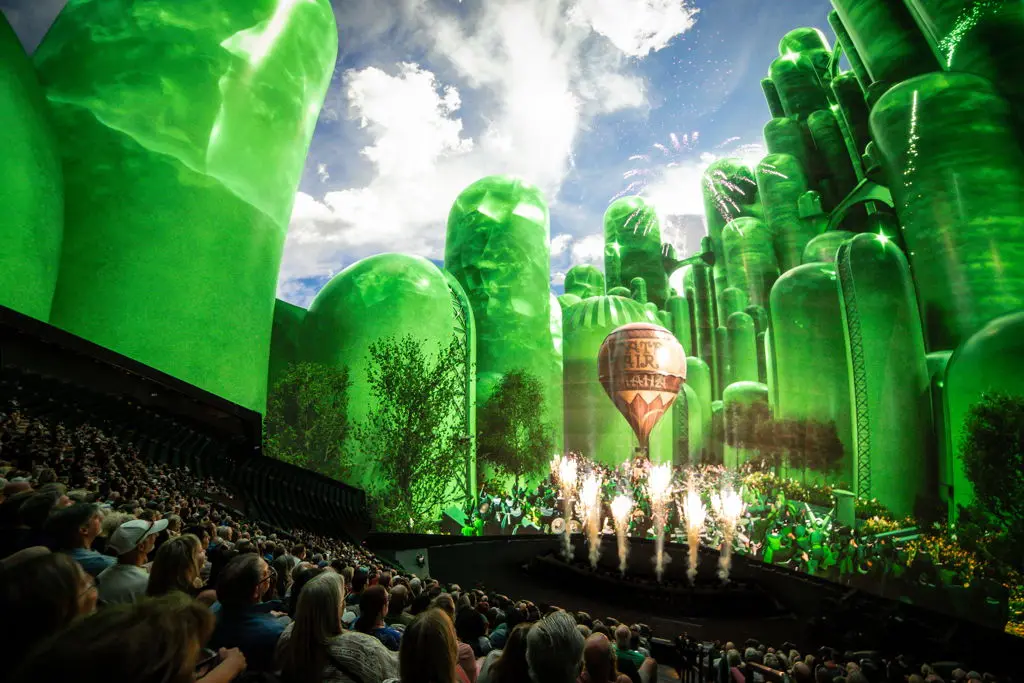
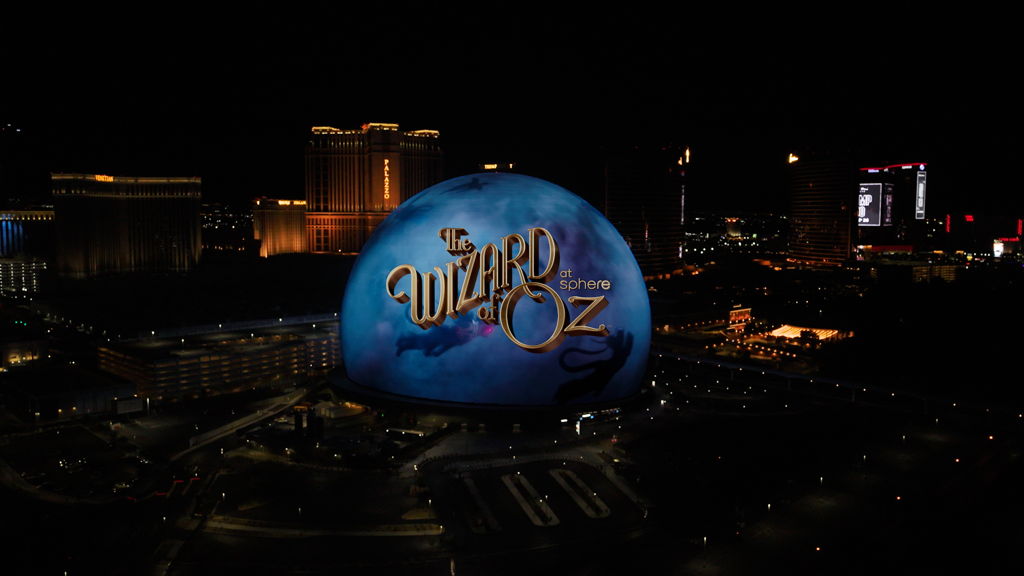
The landscape of cinematic entertainment underwent a seismic shift in August 2025 when Sphere Entertainment debuted its immersive reimagining of the 1939 classic, The Wizard of Oz. Operating within the world’s most advanced entertainment venue, the production has utilized a 160,000-square-foot, 16K-resolution LED display to transport audiences into the Land of Oz with unprecedented fidelity. On September 25, 2026, the production entered a new phase of its lifecycle, introducing a suite of sophisticated 4D environmental effects and a highly structured tiered ticketing strategy. This evolution marks a significant milestone in how legacy intellectual property is modernized, moving beyond mere visual upgrades to a multi-sensory, interactive economy.
The Technical Genesis: From 1939 Celluloid to 16K Immersive Environments
The transition of a film shot in a 4:3 aspect ratio on 35mm Technicolor film to a spherical 16K canvas required a monumental collaborative effort. Over a two-year development period, a multidisciplinary team of more than 2,000 experts across the fields of generative artificial intelligence, musicology, and visual effects worked to deconstruct and rebuild the original masterpiece.
Central to this effort was a partnership with Google and the technology studio Magnopus. Using proprietary generative AI models, the team filled in the "missing" visual information required to expand the original narrow frame to fill the Sphere’s cavernous interior. This process involved the creation of over 1,800 individual AI-generated elements that maintain the aesthetic integrity of the 1930s original while meeting the resolution demands of a 16K display. While character movements and dialogue remain rooted in the original performances, the surrounding landscapes were captured using the Sphere’s "Big Sky" camera system, ensuring that the environments of Kansas and Oz possess a depth and scale previously impossible to achieve.
Sonic Reconstruction and Haptic Integration
The auditory component of the production is as technically ambitious as the visuals. The Oscar-winning score was re-recorded at the historic Barbra Streisand Scoring Stage—the same location where the original 1939 sessions took place. An 80-piece orchestra utilized period-accurate techniques to preserve the sonic character of the era, while modern engineering allowed for the isolation of original vocal tracks.
These recordings are delivered through Sphere Immersive Sound, an array of 167,000 individually programmable speakers. This system allows sound designers to place specific audio "stems"—such as the Wicked Witch’s cackle or the rustle of the Yellow Brick Road—at precise coordinates within the theater. Complementing this is the venue’s haptic infrastructure. Approximately 10,000 seats are equipped with infrasound haptic systems, which translate low-frequency audio into physical sensations. This technology allows the audience to "feel" the vibration of the impending tornado or the heavy footfalls of the Cowardly Lion, creating a physical connection between the viewer and the narrative.

The Atrium: A Transitional Narrative Space
The immersion begins long before the film starts. Sphere Entertainment has designed the atrium as a narrative bridge. Upon entry, guests are greeted by a sepia-toned Kansas environment, featuring a full-scale replica of Professor Marvel’s wagon. This pre-show atmosphere utilizes subtle environmental cues to prepare the audience for the transition from reality to fantasy.
Upon exiting the main theater, the atrium transforms into the vibrant Emerald City. This post-show experience features a live interactive segment with the Wizard, powered by real-time motion-capture technology. For the first time in the venue’s history, the atrium has been outfitted with specialized systems for fog, haze, and moisture, allowing the environmental effects of the film to spill over into the public concourse. This "bleeding" of the experience beyond the theater walls is a key component of the Sphere’s strategy to maximize guest engagement time.
4D Environmental Engineering and the September Expansion
Since its launch, the production has relied on a core set of 4D effects that define the "Sphere Experience." The tornado sequence, for instance, is a feat of mechanical engineering, utilizing three high-performance industrial fans, 20 fog machines, and nine hazers. The synchronization of these elements required over 360 hours of in-venue testing to ensure the airflow patterns matched the visual cues on the LED screen without compromising audience safety.
The September 25, 2026, expansion has introduced five new technical layers to the show:
- Animatronic Winged Monkeys: These figures are now programmed to "fly" over the audience, adding a layer of physical presence to the digital threats on screen.
- Thematic Scents: Specialized scent-dispensing systems trigger specific aromas, such as the fragrance of the poppy fields or the crisp scent of the apple orchard.
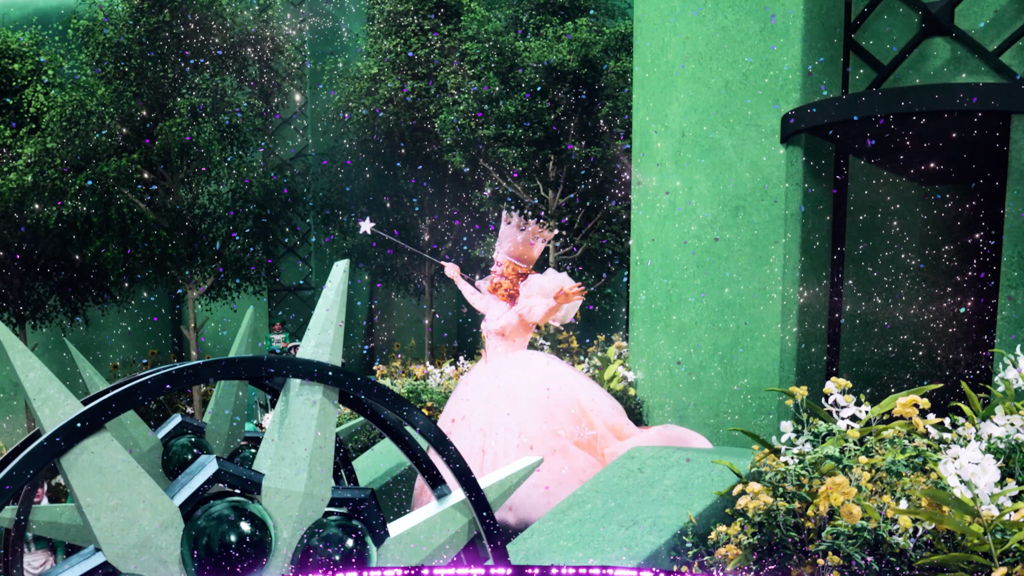
- Glinda’s Glitter: A proprietary distribution system fills the air with reflective particles during the Good Witch’s appearances.
- Advanced Pyrotechnics: Enhanced firework effects and flame systems (comprising eight distinct units) provide heat and light during the film’s more dramatic confrontations.
- Restored Content: The expansion includes the reintegration of the "Put ’em up" scene featuring the Cowardly Lion, a segment previously omitted from the initial Sphere run.
Strategic Monetization: Technology as a Tiered Service
Perhaps the most significant aspect of the 2026 update is how Sphere Entertainment is leveraging these technical features to drive revenue through a "feature-gesteuerte Preissegmentierung" (feature-driven price segmentation).
A primary example is "Glinda’s Wand," a physical, interactive accessory introduced in October 2026. This device is synchronized via infrared technology to the show’s control system, vibrating and changing color in harmony with the on-screen action. Rather than being a standard souvenir, the wand is being used as a lever for premium ticketing. Initially, the wand was only available as part of the "Bad Witch" VIP package, which launched on October 15. This package includes early access, premium seating in Section 206, and access to the Delta Sky360 Club, which houses an exclusive exhibition of original film archives and the "Red Slipper" display.
It is only after several weeks of VIP exclusivity—starting November 3—that the wand becomes available for individual purchase at a price point of $40. This strategy mirrors the "early access" models found in the gaming and software industries, where technical features are treated as premium commodities rather than standard inclusions.
Industry Implications and Market Analysis
Industry analysts view the Sphere’s approach to The Wizard of Oz as a blueprint for the future of location-based entertainment. By periodically updating the show with new 4D features and interactive hardware, Sphere Entertainment addresses one of the primary challenges of fixed-location attractions: the need for repeat visitation.
"The Sphere is not just selling a movie ticket; they are selling a technological upgrade," says one entertainment tech analyst. "By gating specific sensory experiences behind VIP tiers, they are effectively applying a ‘software update’ model to cinema. You don’t just see the movie again; you see the ‘2.0’ version with new haptics and interactivity."
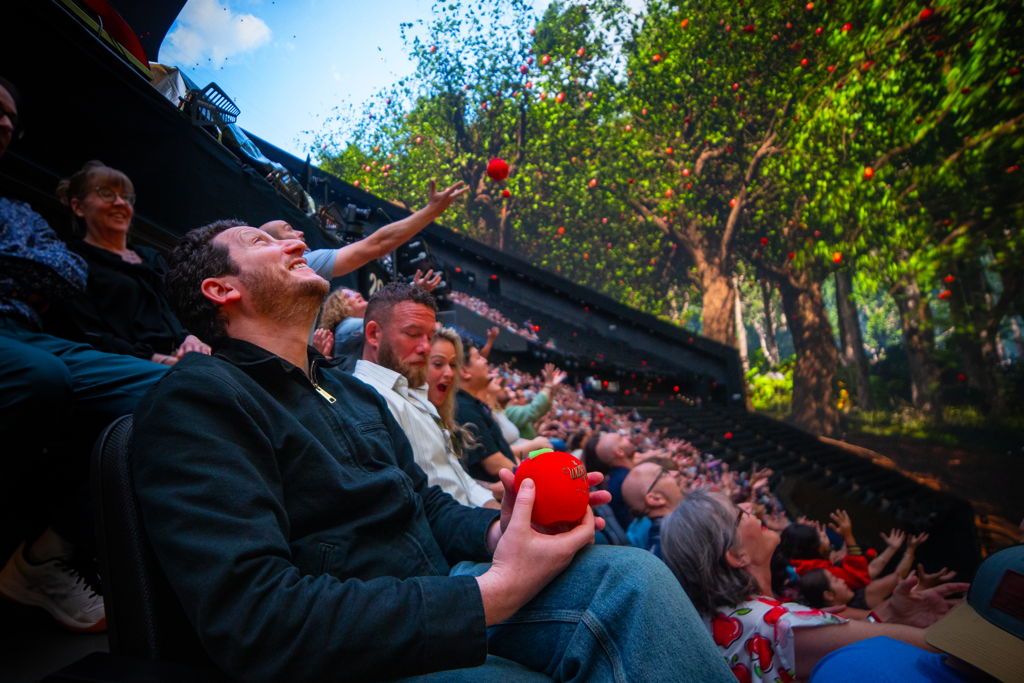
This model also reflects a broader trend in Las Vegas entertainment, where the value proposition is shifting from passive observation to active, multi-sensory participation. The integration of AI-driven visuals, 4D environmental effects, and synchronized physical peripherals suggests a future where the film itself is merely the foundation for a much larger, monetizable ecosystem of experiences.
Conclusion and Future Outlook
The Wizard of Oz at the Sphere represents a high-water mark for the intersection of nostalgia and futuristic technology. As of late 2026, the production continues to sell out performances, with ticket availability now extending into early 2027. The success of the "Bad Witch" VIP tier and the rollout of interactive peripherals like Glinda’s Wand indicate that audiences are willing to pay a premium for enhanced immersion.
As Sphere Entertainment looks toward future projects, the lessons learned from the Oz expansion will likely dictate how other legacy titles are handled. The combination of 16K visual fidelity, complex 4D engineering, and a sophisticated, tiered monetization strategy has turned a 90-year-old film into a cutting-edge revenue engine, ensuring that the road to the Emerald City remains a lucrative one for years to come.
