

The global independent music sector has experienced an unprecedented surge over the last decade, with recent industry reports indicating that revenues for self-releasing artists have surpassed $1.2 billion annually. In this increasingly saturated marketplace, the ability to forge strategic alliances is no longer a luxury but a fundamental requirement for career longevity and market penetration. As traditional gatekeepers lose their influence, the responsibility for professional development shifts directly to the artist, necessitating a sophisticated approach to networking that transcends simple social media interactions. Industry analysts suggest that the "lone wolf" model of artistry is being replaced by a "community-centric" paradigm, where the strength of an artist’s professional network often dictates their commercial trajectory.
The Evolution of the Independent Music Ecosystem
Historically, networking within the music industry was confined to high-level industry mixers or back-stage interactions at major venues. However, the democratization of music production and distribution has fundamentally altered this landscape. According to data from the Midia Research group, the independent artist segment is the fastest-growing part of the global recorded music market. This growth has created a dense ecosystem where the primary challenge is no longer access to tools, but visibility and connection.
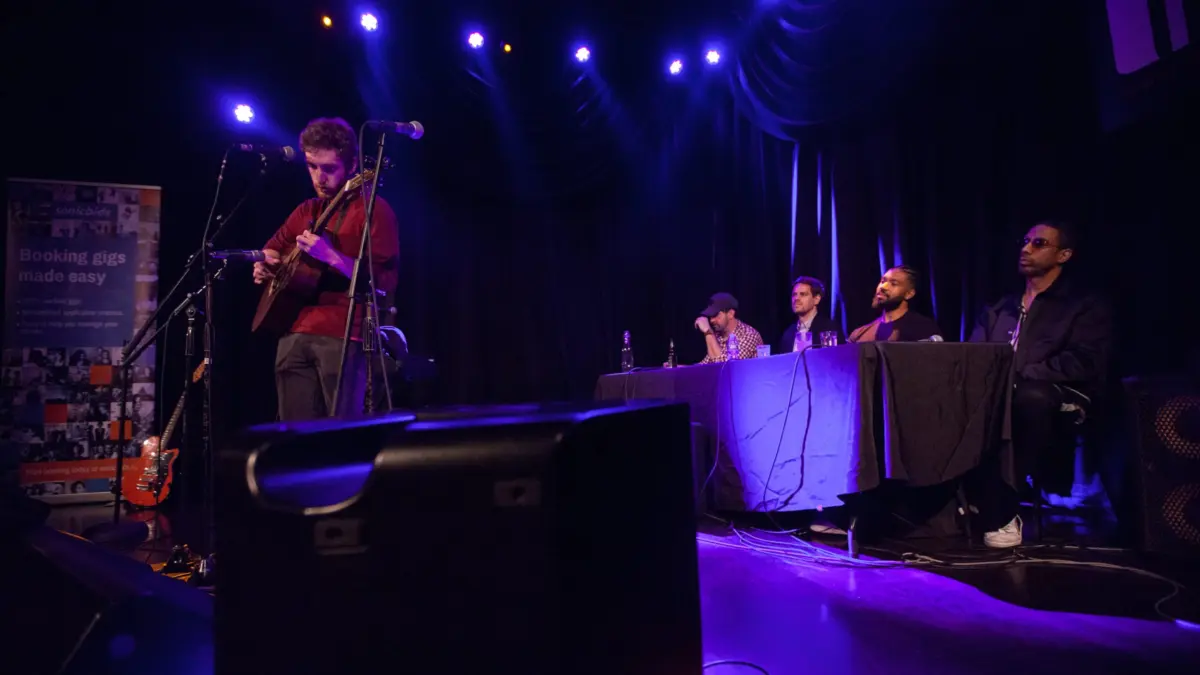
The modern independent musician must now function as a multi-disciplinary entrepreneur. Networking today involves a complex interplay between local physical presence, digital engagement, and cross-industry collaboration. The "Feedback Collective," an initiative hosted by Sonicbids, serves as a contemporary case study for this shift. By organizing panel discussions and songwriting workshops, organizations like Sonicbids are institutionalizing the networking process, moving it away from accidental encounters toward structured, value-driven interactions. These events demonstrate that when musicians gather with the intent to provide mutual feedback, the resulting professional bonds are significantly more durable than those formed through cold-outreach emails.
Cross-Disciplinary Integration Through Local Cultural Hubs
One of the most effective, yet frequently overlooked, strategies for expanding a professional network is the immersion in local arts scenes outside the immediate musical bubble. The intersection of music with visual arts, theater, and performance poetry offers a fertile ground for "blue ocean" networking—entering spaces where competition for musical attention is lower but the potential for high-impact collaboration is high.

Local galleries and art openings represent a strategic point of entry. In these environments, visual artists often seek auditory components to complement their installations, creating a demand for bespoke soundtracks or live atmospheric performances. This cross-pollination serves a dual purpose: it provides the musician with a new venue for their work and introduces their brand to a curated audience of art patrons who may not frequent traditional music venues.
Chronologically, the integration of music into local art scenes often follows a pattern of attendance, observation, and then participation. By becoming a regular fixture at these events, musicians build the necessary social capital to propose collaborative projects. For example, a theater company in the pre-production phase of a new play represents a potential employer for an independent composer. These opportunities rarely appear on traditional job boards; they are the result of consistent, professional presence within the local creative community.
The Institutionalization of Collaborative Workshops and Jam Sessions
While informal gatherings have always existed, the trend toward structured workshops and hosted jam sessions is gaining momentum. Initiatives such as the Feedback Collective Songwriting Workshop provide a blueprint for how artists can take control of their local ecosystems. By hosting these events, an artist shifts from a seeker of opportunities to a facilitator of them.
Hosting a workshop or a high-quality jam session requires a logistical commitment that includes venue sourcing, equipment management, and targeted promotion. However, the return on investment is substantial. When a musician hosts a session that brings together disparate genres—such as a rock guitarist and a jazz saxophonist—they are credited with the creation of a "third sound." This role as a curator positions the artist as a leader within their community.
Data from creative industry surveys suggest that artists who engage in peer-to-peer mentoring or collaborative workshops report a 40% higher satisfaction rate with their professional progress compared to those who work in isolation. These settings foster a "low-stakes, high-reward" environment where technical skills can be showcased without the pressure of a formal performance, leading to more authentic professional relationships.

Leveraging Niche Digital Ecosystems and the Creator Economy
The digital landscape for musicians has evolved beyond the monolithic structures of Facebook and Instagram. While these platforms remain essential for broad-scale marketing, they are often less effective for deep-level professional networking. Independent musicians are increasingly turning to specialized platforms like BandLab and SoundCloud, which are built on a foundation of collaboration rather than mere consumption.
BandLab, for instance, has reported a massive increase in its user base, reaching over 60 million creators globally. The platform’s interface is designed for "forking" tracks—allowing one artist to build upon the work of another. This digital-first collaborative model eliminates geographical barriers, enabling a producer in London to work with a vocalist in Nashville seamlessly.
The professional etiquette of these platforms involves more than just uploading content. Successful networking in this space requires active participation in the community. Leaving detailed, technical feedback on other artists’ tracks is a proven method for initiating professional dialogue. This strategy moves beyond the "follow-for-follow" mentality and establishes a relationship based on mutual respect for the craft. The implication for the independent artist is clear: the digital space should be treated as a global rehearsal room rather than just a digital billboard.
The Strategic Value of Music Festival Volunteerism
For many independent artists, the barrier to entry for major music festivals is high. However, volunteering at these events provides a "backstage pass" to the inner workings of the industry. This approach offers a unique vantage point to observe the logistics of large-scale event production while putting the artist in direct contact with event organizers, stage managers, and touring professionals.
The timeline of a music festival offers various networking windows. Pre-festival setup involves working with production crews, while the event itself provides opportunities to interact with performing artists in a non-pressured environment. Industry insiders often note that many production assistants and session musicians secured their first major contracts through connections made while volunteering.

The key to successful networking as a volunteer is professional conduct. By demonstrating reliability and a strong work ethic, an artist proves their professional viability. When the opportunity arises to mention their own musical projects, it is framed within a context of proven competence. This "soft-sell" approach is often more effective than aggressive self-promotion, as it builds a foundation of trust before any creative pitch is made.
Crowdsourced Networking: The Fanbase as a Professional Resource
The "1,000 True Fans" theory, popularized by Kevin Kelly, posits that an artist only needs a relatively small, dedicated following to sustain a career. In the modern era, this fanbase also serves as a decentralized networking agency. Fans often possess professional skills or connections that they are eager to leverage in support of an artist they admire.
Direct engagement through surveys, polls, and community forums (such as Discord or Patreon) allows musicians to tap into this resource. For example, a fan who works in public relations or graphic design may offer their services at a professional discount or provide introductions to industry contacts. This creates a symbiotic relationship where the fan feels a sense of ownership in the artist’s success.
Furthermore, involving fans in the collaborative process—such as asking them to suggest potential collaborators—can lead to unexpected and fruitful pairings. This strategy not only strengthens the bond between the artist and their audience but also utilizes the collective "social graph" of the fanbase to identify new professional opportunities.
Analysis of Implications and Future Trends
The shift toward these "unexpected" networking strategies indicates a broader professionalization of the independent music tier. As the industry continues to decentralize, the "middle class" of musicians is growing. This group relies less on massive hits and more on sustainable, community-driven careers.

The implications of this shift are twofold. First, it requires musicians to develop a suite of "soft skills"—communication, event management, and community building—that were previously the domain of managers and agents. Second, it levels the playing field, as these networking strategies are largely dependent on effort and ingenuity rather than significant financial investment.
In conclusion, the path to a successful independent music career is increasingly paved with strategic relationships. By embracing local arts scenes, hosting community events, utilizing specialized digital tools, volunteering at major industry nodes, and empowering their fanbase, musicians can build a robust professional infrastructure. These methods do more than just increase an artist’s reach; they create a resilient professional ecosystem that can withstand the fluctuations of the modern music market. As the data suggests, the artists who thrive in the coming decade will be those who view networking not as a chore, but as a core creative discipline.
