

The independent music sector has witnessed an unprecedented transformation over the last decade, transitioning from a peripheral segment of the entertainment industry into a primary driver of global market growth. According to data from MIDiA Research, independent artists—those not signed to major labels—generated approximately $1.2 billion in 2020, a figure that continues to rise as digital distribution becomes more accessible. However, this democratization of music production has led to a saturated marketplace, where the primary challenge for creators has shifted from production to visibility. Within this context, strategic networking and interdisciplinary collaboration have emerged as essential mechanisms for career sustainability. For the modern independent musician, the ability to forge meaningful professional relationships is no longer an optional skill but a core requirement for navigating a fragmented industry landscape.
The traditional "gatekeeper" model, once dominated by A&R executives and major radio programmers, is being replaced by a decentralized network of peer-to-peer connections and community-led initiatives. This shift necessitates a multifaceted approach to professional development, moving beyond simple social media engagement toward tangible, high-impact interactions. As the industry recalibrates, the following analysis explores the strategic frameworks that allow independent artists to leverage local art scenes, digital platforms, and fan-based ecosystems to enhance their creative output and market reach.
The Evolution of the Independent Collaborative Landscape
Historically, musician networking was confined to physical hubs—cities like London, Nashville, and Los Angeles—where proximity to studios and venues dictated professional success. The timeline of this evolution shows a clear trajectory: the tape-trading cultures of the 1980s gave way to the forum-based digital interactions of the early 2000s, which eventually evolved into the algorithm-driven social media platforms of today. However, current industry analysis suggests a "return to the local." As digital noise increases, the value of face-to-face interaction within regional creative economies has appreciated.
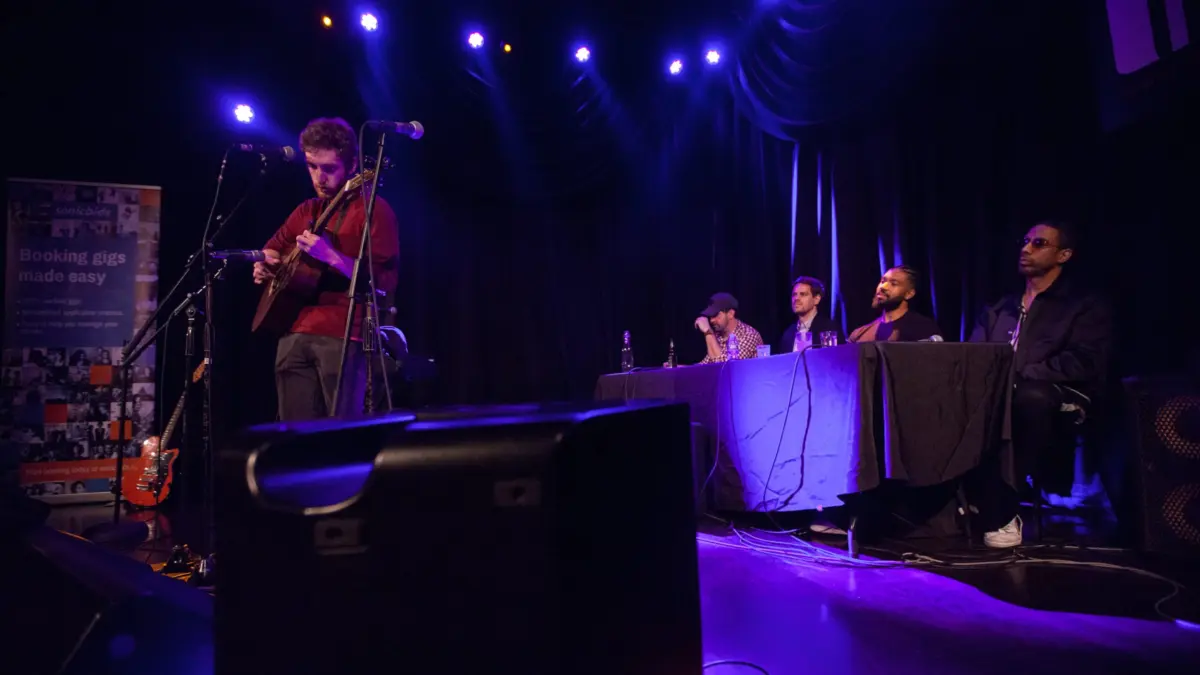
The "Feedback Collective," a series of panel discussions and songwriting workshops hosted by industry platform Sonicbids, serves as a contemporary case study for this trend. These events prioritize structured feedback and peer-to-peer networking over traditional performance-only formats. By analyzing the success of such initiatives, it becomes evident that musicians who engage in collaborative environments report higher rates of project completion and broader cross-promotional reach.

Cross-Disciplinary Synergy: Leveraging Local Art Ecosystems
One of the most effective, yet frequently underutilized, strategies for networking is the integration of music into broader artistic disciplines. The local arts scene—comprising visual arts, theater, and performance poetry—offers a fertile ground for "cross-pollination." When a musician engages with a sculptor or a digital artist, they are not merely networking; they are entering a different market segment.
Industry data indicates that multi-sensory experiences, such as art gallery openings featuring live original soundtracks, attract a demographic that is often distinct from the typical club-going audience. This "interdisciplinary synergy" allows musicians to position their work as a premium cultural product. For example, providing original scores for local theater productions or sound installations for art galleries can lead to sync licensing opportunities and commissions that are rarely available through traditional gigging.
From a strategic standpoint, these environments are less competitive than music venues. While a talent buyer at a music venue may receive hundreds of demos weekly, a gallery curator or a theater director may be actively seeking a musical partner to elevate their project. This creates a supply-and-demand advantage for the proactive musician.
The Workshop Model and the Psychology of Peer-to-Peer Interaction
The hosting of jam sessions and songwriting workshops represents a shift from a "consumer" mindset to a "facilitator" mindset. By creating a space for other artists to gather, a musician establishes themselves as a community leader—a role that carries significant social capital within the industry.
The psychological impact of these sessions is rooted in the "Community of Practice" theory, which suggests that learning and professional growth occur most effectively when individuals collaborate toward a shared goal. A rock guitarist collaborating with a jazz saxophonist in a controlled, workshop environment does more than create a "fresh sound"; they merge two distinct professional networks.

Official reports on artist development emphasize that these informal settings often serve as the "pre-production" phase for future commercial releases. The "Feedback Collective Songwriting Workshop" model demonstrates that when artists move from a competitive stance to a collaborative one, the quality of the output increases due to the diversity of perspectives. This peer-review process is critical in an era where artists often work in isolation in home studios.
Digital Ecosystems Beyond Mainstream Social Media
While platforms like Instagram and TikTok are essential for audience-facing promotion, they are often less effective for professional B2B (business-to-business) networking within the music industry. The emergence of "creator-centric" platforms such as BandLab, SoundCloud, and Discord has provided musicians with tools specifically designed for remote collaboration.
BandLab, for instance, reported a significant surge in users during the global pandemic, highlighting a permanent shift toward cloud-based co-creation. These platforms allow musicians to contribute layers to a project asynchronously, bypassing the logistical hurdles of physical studio time. For the independent artist, the strategy involves moving beyond passive posting to active engagement.
Analysis of successful "internet-native" music collectives shows that the most effective networking involves "value-first" interaction—leaving detailed, technical feedback on a peer’s work or proposing specific collaborative ideas rather than generic requests for "likes." This builds a reputation for professional competence, which is the primary currency in digital collaboration.
Strategic Volunteerism and Industry Access
Music festivals and large-scale industry events remain the primary gathering points for decision-makers. For independent artists without the backing of a major label, gaining access to these spaces can be cost-prohibitive. Strategic volunteerism offers a viable alternative, providing a "backstage pass" to the inner workings of the industry.

Volunteering in production, artist relations, or logistics places the musician in direct contact with event organizers, sound engineers, and established performers. Statements from festival coordinators often highlight that many of their recurring professional contacts began as reliable volunteers. The chronology of a successful career often includes a period of "immersion," where the artist learns the operational side of the business.
The networking value here is twofold:
- Industry Intelligence: Understanding how festivals are programmed and managed.
- Social Proof: Demonstrating a professional work ethic and reliability, which are highly valued traits when organizers are looking to book new talent for smaller stages or future events.
Audience Integration and Participatory Culture
The final pillar of modern networking involves the artist’s relationship with their existing fanbase. In the "Web3" and post-social media era, fans are no longer passive consumers; they are active participants in the artist’s career trajectory. Utilizing a fanbase as a networking resource is a manifestation of "Participatory Culture."
By involving fans in decision-making processes—such as through polls regarding potential collaborators or crowdfunding for specific projects—artists can tap into the extended networks of their audience. It is a statistical reality that among a few hundred fans, there are likely individuals with connections to the media, venue management, or other creative professionals.
This approach aligns with the "1,000 True Fans" theory proposed by Kevin Kelly, which posits that an artist does not need global stardom to be successful, but rather a dedicated core community that is deeply invested in their journey. When fans feel like "stakeholders," they become the artist’s most effective street team, opening doors that would otherwise remain closed to cold outreach.

Broader Impact and Industry Implications
The transition toward these diversified networking strategies has significant implications for the future of the music industry. As more artists adopt a "multihyphenate" approach—acting as their own managers, booking agents, and community leaders—the power dynamic within the industry continues to shift.
Economic analysis suggests that artists who diversify their networking efforts are more resilient to market fluctuations. Those who rely solely on streaming algorithms are vulnerable to platform changes, whereas those with a robust network of interdisciplinary collaborators and a dedicated community have multiple "revenue streams" and professional avenues to explore.
Furthermore, this collaborative ethos fosters a more inclusive industry. By prioritizing community-led workshops and local art events, artists can bypass the traditional barriers to entry that have historically marginalized certain voices. The "Feedback Collective" and similar initiatives provide a blueprint for a more equitable music ecosystem, where merit and collaborative spirit are the primary drivers of success.
In conclusion, the path for the independent musician is no longer a solitary one. It is an intricate web of strategic partnerships, community engagement, and creative bravery. By stepping outside the traditional confines of the music venue and embracing the broader world of art and technology, independent creators can amplify their reach and ensure their voices are heard in an increasingly crowded global stage. The future of music is not just in the notes played, but in the connections made.
