

The landscape of the global music industry has undergone a seismic shift over the last decade, transitioning from a gatekeeper-dominated hierarchy to a decentralized ecosystem where independent artists now represent the fastest-growing segment of the market. According to recent industry reports from Midia Research, independent artists—those not signed to major labels—generated over $1.2 billion in 2023, a significant increase that underscores the viability of the "DIY" career path. However, as the volume of music uploaded to streaming platforms exceeds 100,000 tracks per day, the challenge for the independent musician has shifted from production to visibility. In this saturated environment, networking and collaboration have emerged not merely as social supplements but as essential strategic imperatives for professional survival and growth.
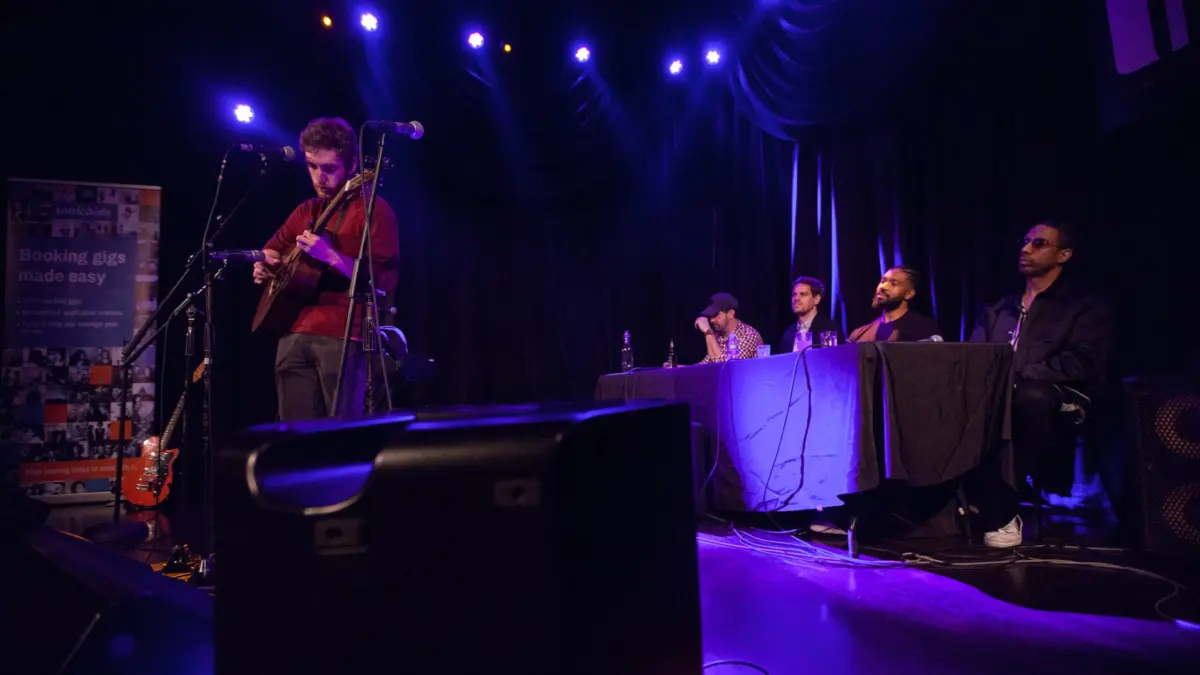
The modern independent musician must navigate a complex web of social, digital, and professional interactions to build a sustainable career. While traditional networking often carried a connotation of transactional opportunism, the contemporary approach focuses on "community-led growth," a concept where creativity thrives through shared resources and collective intelligence. This shift is exemplified by initiatives like the Feedback Collective, a series of panel discussions and songwriting workshops hosted by Sonicbids. These events serve as a microcosm for the broader industry trend: moving away from isolated creation toward collaborative development.
The Rise of the Multi-Disciplinary Artist and Local Ecosystems
One of the most effective, yet frequently overlooked, avenues for networking is the integration of music into the broader local arts scene. Historically, musicians have remained within "silos," interacting primarily with other performers or venue owners. However, the contemporary economy rewards cross-pollination between different artistic disciplines. Local art galleries, theater troupes, and poetry slams offer fertile ground for musicians to find unique opportunities that exist outside the standard "club circuit."

In cities with burgeoning creative economies, the intersection of visual and auditory arts has become a significant driver of cultural capital. For example, the "soundtrackization" of art installations has become a common trend in contemporary galleries. A musician who engages with a local sculptor or digital artist may find opportunities to provide ambient soundscapes for exhibitions, a partnership that introduces their work to a demographic of high-net-worth art collectors and curators who may not frequent traditional music venues. This cross-disciplinary approach provides a "blue ocean" strategy—competing in an uncontested market space—allowing musicians to build a brand that is perceived as more sophisticated and multifaceted.
The Workshop Model: Education as a Networking Catalyst
The traditional "jam session" has evolved into more structured environments such as the songwriting workshop and the feedback panel. The Sonicbids Feedback Collective Songwriting Workshop illustrates how educational settings can double as high-value networking hubs. By bringing together artists of disparate genres—ranging from folk and jazz to electronic and rock—these workshops facilitate a "forced perspective" shift.
Data suggests that collaborative songwriting is a key factor in commercial success; a study of Billboard Hot 100 hits reveals that the average number of credited songwriters per track has risen steadily over the last twenty years. For the independent artist, hosting or attending a workshop provides a low-pressure environment to vet potential collaborators. A rock guitarist and a jazz saxophonist, for instance, might discover a shared interest in neo-soul, leading to a project that blends their respective technical strengths into a unique, market-disruptive sound. Furthermore, these sessions allow artists to demonstrate their professional reliability and technical proficiency—traits that are as valuable as talent in the eyes of potential partners.
Digital Networking Beyond Social Media
While platforms like Instagram and TikTok are essential for fan engagement, they are often less effective for deep professional networking due to their algorithmic focus on short-form, high-engagement content. To counter this, independent musicians are increasingly turning to specialized digital platforms designed for collaboration. BandLab, for example, has reported a user base exceeding 60 million creators, many of whom utilize the platform’s "forking" feature to collaborate on tracks in real-time across different time zones.

The shift toward these specialized platforms reflects a broader industry move toward "micro-communities." Rather than broadcasting to a general audience, artists are engaging in "vertical networking"—targeting specific niches within the industry. By leaving thoughtful, technical feedback on a peer’s track on SoundCloud or proposing a split-EP project on a niche Discord server, musicians can build international professional networks without the need for a travel budget. This digital-first approach to collaboration also allows for a "proof of concept" phase where artists can test their creative chemistry remotely before committing to a physical recording session or tour.
The Festival Volunteer-to-Professional Pipeline
Music festivals represent the most concentrated gatherings of industry decision-makers, including talent buyers, festival directors, and production managers. For many independent artists, the barrier to entry for these events is high. However, volunteering provides a strategic "backdoor" into the inner workings of the industry.
The chronology of a festival volunteer’s experience often mirrors a condensed professional development course. From the initial load-in to the final strike, volunteers are exposed to the logistical and technical realities of large-scale event production. This immersion provides a unique vantage point to observe the "soft skills" of successful performers and the priorities of event organizers. Industry insiders often note that many of their most reliable hires and professional connections were first met in the trenches of event production. By demonstrating a strong work ethic and a professional demeanor while volunteering, a musician can build a level of trust with industry gatekeepers that a cold email or a social media DM could never achieve.
Leveraging the Fanbase as a Collaborative Engine
The concept of the "1,000 True Fans," popularized by Kevin Kelly, posits that a creator does not need a massive audience to be successful, but rather a dedicated core of supporters. In the current market, this relationship is becoming increasingly bidirectional. Independent musicians are no longer just performers; they are community leaders who can leverage their fanbase for networking purposes.

By utilizing digital tools like polls, surveys, and interactive live streams, artists can crowdsource their networking efforts. A fan in a specific city might have a connection to a local venue or a graphic designer, or they might introduce the artist to another musician with a complementary style. This "fan-led networking" creates a sense of ownership and investment among the audience, which in turn increases retention and lifetime value. When fans feel that they have contributed to the growth of an artist’s career—by facilitating a collaboration, for instance—they become brand ambassadors, further amplifying the artist’s reach through organic word-of-mouth.
Broader Impact and Industry Implications
The move toward these five networking strategies reflects a broader professionalization of the independent music sector. As the "middle class" of musicians continues to grow, the ability to build and maintain a professional network is becoming the primary differentiator between those who treat music as a hobby and those who build it into a sustainable business.
The implications for the industry are significant. First, the decentralization of networking reduces the power of traditional hubs like Nashville, Los Angeles, and London, allowing robust music scenes to flourish in smaller, more affordable cities. Second, the emphasis on cross-disciplinary collaboration is leading to a more diverse and innovative sonic landscape, as artists are no longer confined by the expectations of a single genre’s gatekeepers. Finally, the rise of community-led networking is creating a more resilient music economy, where artists are supported by a web of peers and fans rather than being dependent on a single corporate entity.
In conclusion, the modern independent musician must view networking not as a peripheral task, but as a core component of their creative and business practice. Whether through local art events, educational workshops like those offered by Sonicbids, specialized digital platforms, festival engagement, or fan-driven initiatives, the opportunities for collaboration are more accessible than ever before. Those who embrace these unexpected avenues will find themselves not just surviving in the new music economy, but actively shaping its future. The era of the "lone genius" has given way to the era of the "connected creator," and in this new world, the strength of an artist’s network is the ultimate measure of their potential.
