

The global independent music sector has witnessed an unprecedented surge in market share over the last decade, transitioning from a peripheral subculture into a dominant force within the entertainment industry. As traditional gatekeeping mechanisms like major label A&R (Artists and Repertoire) departments lose their absolute authority, the burden of career development has shifted directly onto the artists themselves. In this decentralized environment, networking and collaboration have emerged not merely as social supplements but as fundamental economic drivers. For independent musicians, the ability to forge strategic partnerships across various creative disciplines is now a primary indicator of long-term commercial viability and creative evolution.
The Evolution of the Independent Music Ecosystem
Historically, the path for a musician was linear: record a demo, seek a label, and rely on the label’s internal network for promotion and collaboration. However, the 2023 MIDiA Research report on the independent music market highlights a significant shift, noting that "artists direct"—those without traditional label backing—are the fastest-growing segment of the music industry, now generating over $1.2 billion annually. This growth is predicated on the "DIY" (Do-It-Yourself) ethos, which has increasingly evolved into a "DIT" (Do-It-Together) philosophy.
The modern networking landscape for musicians is no longer confined to backstage handshakes or industry mixers. It has expanded into a multi-channel effort that includes cross-disciplinary art integration, community-based workshops, and digital-first collaborative platforms. Industry analysts suggest that the "collaboration economy" allows artists to bypass traditional marketing costs by "cross-pollinating" fanbases, where a single collaborative project exposes all involved parties to new, pre-vetted audiences.
Cross-Disciplinary Integration: The Rise of Local Art Synergy
One of the most effective, yet frequently overlooked, avenues for professional networking lies within the broader local arts community. By looking beyond the confines of music venues, artists can tap into a rich reservoir of creative talent in visual arts, theater, and performance poetry. This cross-disciplinary approach serves a dual purpose: it provides fresh aesthetic contexts for music and opens doors to non-traditional revenue streams.
At local art galleries and festivals, musicians often find opportunities to provide "sonic identities" for visual installations. A sculptor seeking an ambient soundtrack for an exhibition or a theater company in need of an original score represents a professional engagement that differs from the standard club gig. These environments facilitate "low-pressure networking," where the focus is on the synthesis of different art forms rather than a competitive musical showcase. According to data from the National Endowment for the Arts, communities with high levels of cross-disciplinary artistic activity see higher rates of "creative stickiness," where audiences are more likely to support local creators across various mediums.
Structured Collaboration: The Impact of Workshops and Jam Sessions
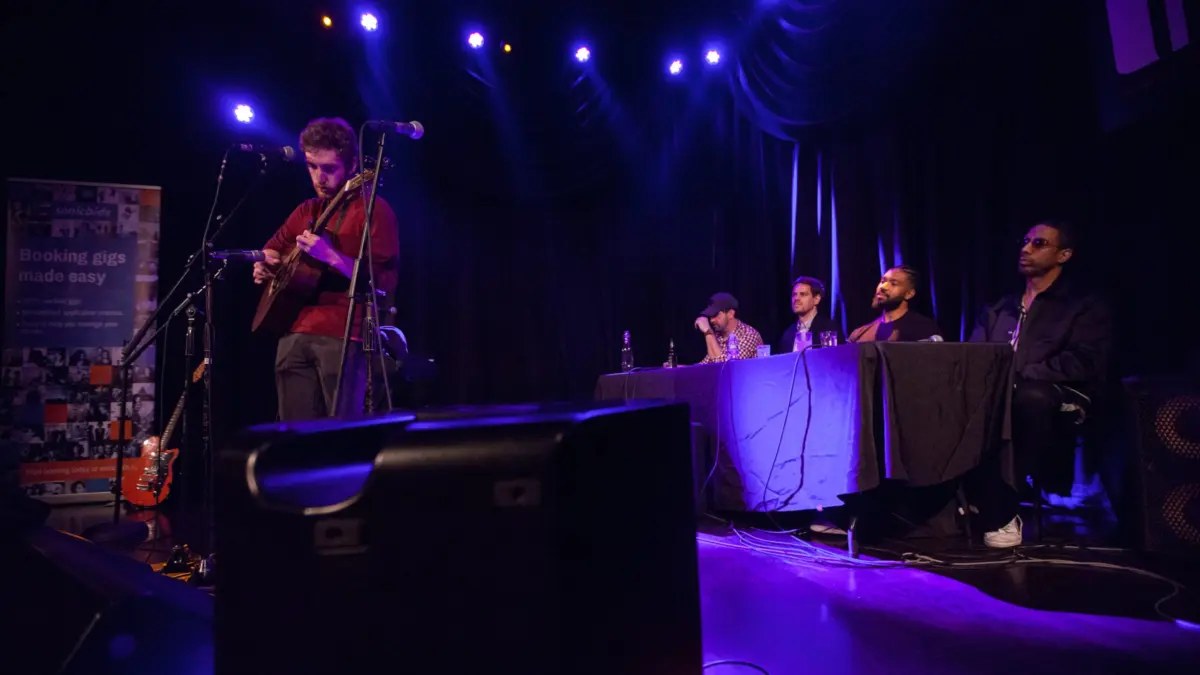
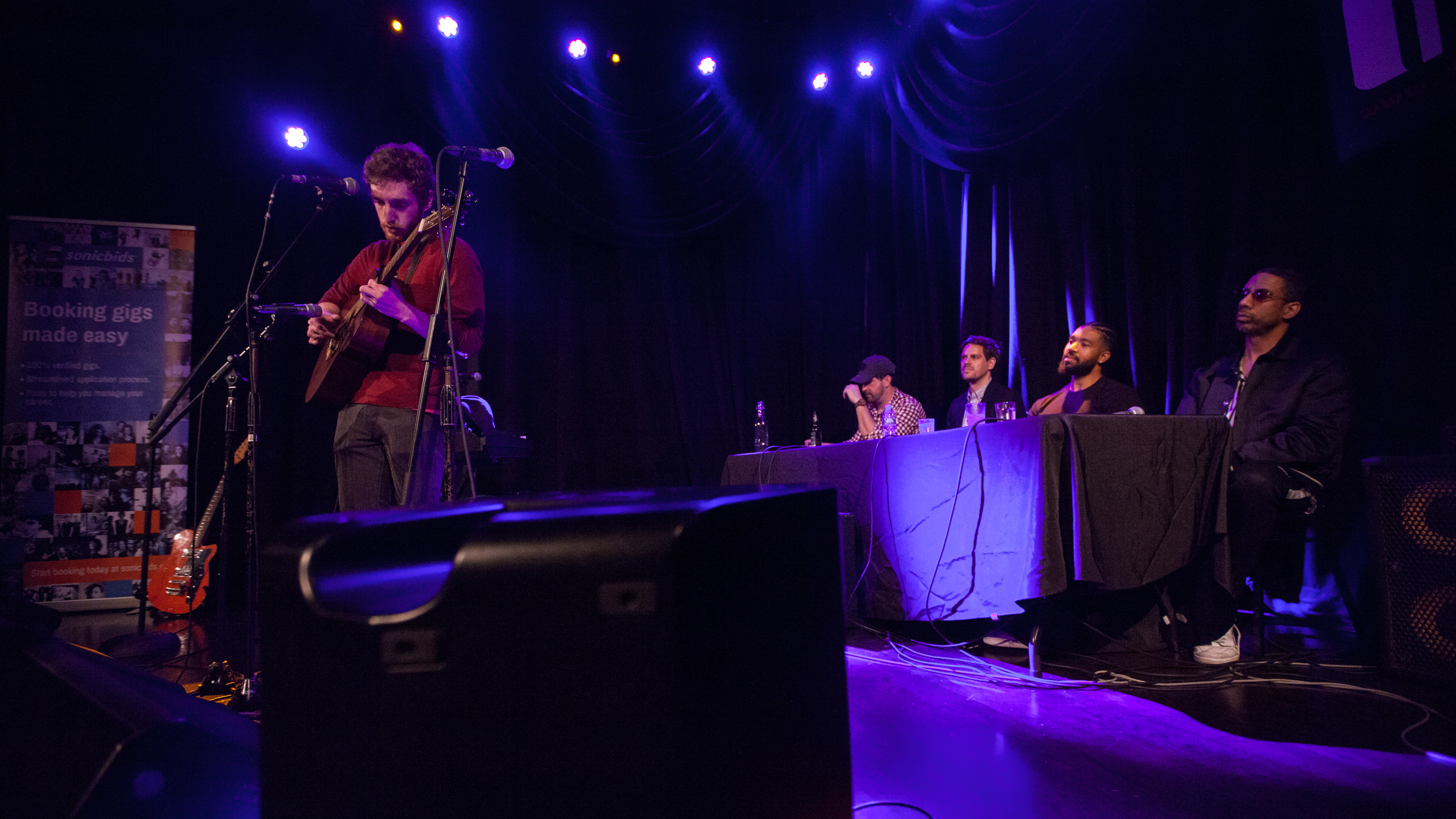
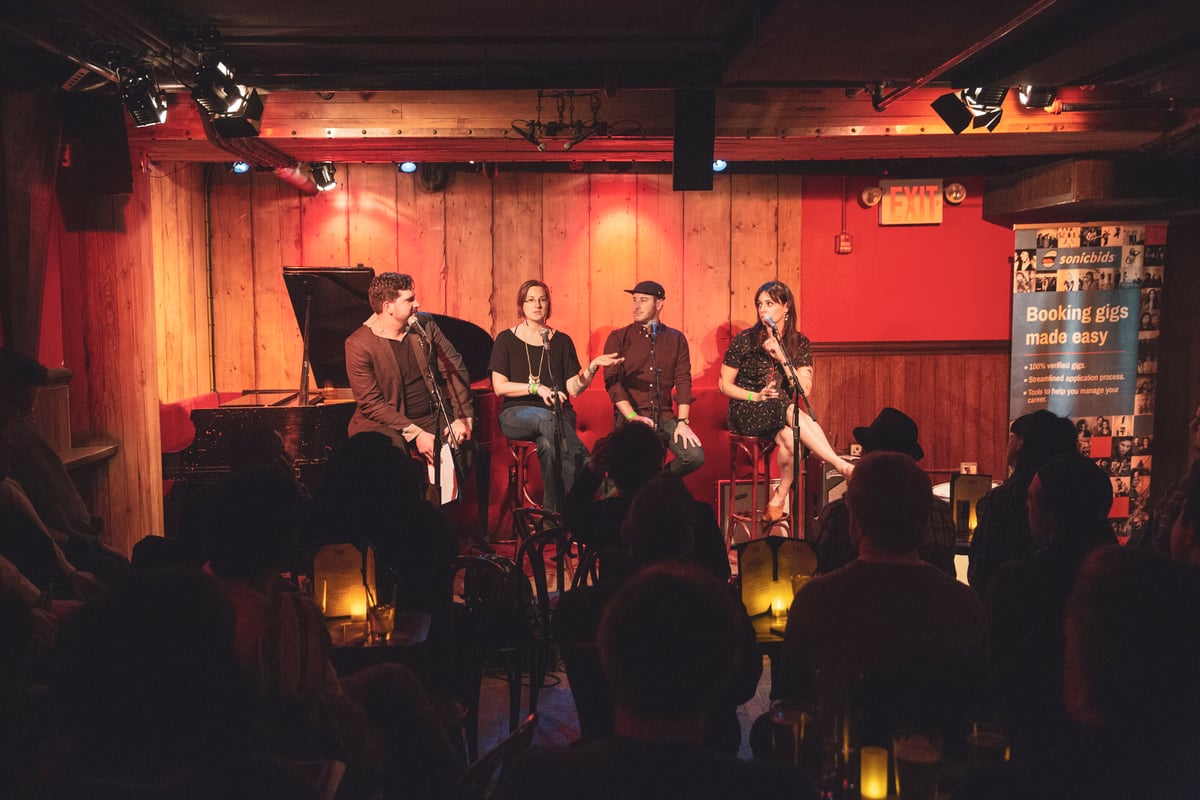
While informal networking is valuable, the rise of structured environments like the "Feedback Collective" panel discussions and songwriting workshops—often hosted by industry platforms such as Sonicbids—demonstrates the growing demand for formalized peer-to-peer interaction. These sessions move beyond the chaos of a standard "open mic" and provide a framework for professional development.
Hosting a jam session or workshop allows an artist to position themselves as a community leader. By curating a space where a rock guitarist might interact with a jazz saxophonist, the host facilitates the creation of "hybrid genres," which are increasingly favored by streaming algorithms for their uniqueness. These sessions also function as live auditions. Industry professionals often observe these gatherings to identify "session-ready" talent—musicians who possess not only technical skill but also the interpersonal "soft skills" required for high-stakes collaborative projects.
Digital Infrastructure and the Cloud-Based Studio
The timeline of musical collaboration was forever altered by the advent of high-speed internet and cloud-based Digital Audio Workstations (DAWs). Platforms such as BandLab and SoundCloud have transformed from simple hosting sites into social networks built specifically for creators. Unlike mainstream social media, which prioritizes broad consumer engagement, these platforms focus on the "prosumer" (producer-consumer) model.
The strategic use of these platforms involves more than just uploading finished tracks. It requires active participation in the "remix culture." By engaging with other artists’ work through thoughtful technical feedback and proposing direct collaborative projects, musicians can build international networks without leaving their home studios. Data from BandLab indicates that collaborative tracks often see a 20% to 30% higher engagement rate than solo releases, as the combined social reach of multiple artists triggers more favorable placement on discovery playlists.
The Volunteer Pipeline: Gaining Industry Access Through Service
For many emerging artists, the "inner circle" of the music industry feels inaccessible. However, volunteering at major music festivals and industry conferences remains one of the most effective "backdoor" strategies for networking. Positions in artist relations, stage management, or even general logistics provide a vantage point from which to observe the inner workings of large-scale productions.
The chronology of many successful careers includes a stint in the volunteer trenches. These roles provide face-to-face access to event organizers, sound engineers, and established performers in a context where the artist is seen as a helpful peer rather than a solicitor. Industry veterans often cite "reliability" as the most sought-after trait in a collaborator; demonstrating this trait as a volunteer can lead to future bookings or professional recommendations that would be impossible to secure through an email cold-call.

Data-Driven Fan Engagement: Leveraging the Audience as a Network
A significant shift in modern music marketing is the realization that a fanbase is not just a source of revenue, but a powerful networking tool. Independent musicians are increasingly using data-driven tools—such as polls, surveys, and Discord communities—to involve their fans in the creative process.
By asking fans which artists they would like to see a collaboration with, a musician can identify "logical leaps" in their career path. Frequently, fans have personal connections to other local creatives, acting as unofficial "street team" A&Rs. This method of "crowdsourced networking" fosters a deeper sense of community and loyalty. According to the "1,000 True Fans" theory proposed by Kevin Kelly, an artist’s ability to survive and thrive is dependent on the depth of their connection with their core audience. Involving fans in the networking process is a high-level application of this theory, turning passive listeners into active participants in the artist’s professional growth.
Analysis of Implications and Industry Outlook
The transition from a competitive to a collaborative mindset has profound implications for the future of the music industry. As independent artists continue to gain market share, the definition of "success" is being redefined. It is no longer solely about securing a major label contract; it is about building a sustainable, localized, and digital ecosystem that can weather the volatility of the entertainment market.
The move toward cross-disciplinary work is also a response to the "visual-first" nature of modern music consumption. With platforms like TikTok and Instagram Reels driving music discovery, the collaboration between a musician and a visual artist or videographer is no longer optional—it is a requirement for visibility. This necessity is driving a new wave of "creative collectives," where groups of artists from different fields pool their resources and networks to create multi-sensory content.

Furthermore, the emphasis on community-based networking (workshops, local events) acts as a hedge against the isolation often felt in the digital age. While online platforms provide reach, physical communities provide the "social capital" and emotional support necessary to sustain a long-term career in the arts.
Conclusion
Networking and collaboration for the independent musician have evolved into sophisticated strategic operations. The modern artist must act as their own manager, publicist, and community builder. By embracing local art scenes, utilizing structured workshops, leveraging digital platforms, volunteering for industry experience, and engaging their fanbase, musicians can construct a robust professional network that transcends traditional industry barriers.
As the music landscape continues to decentralize, those who view networking as an adventure in community building rather than a transactional necessity will be best positioned to thrive. The data is clear: in an era of infinite content, it is the strength of human connection and the innovation of collaborative projects that will ultimately define the next generation of musical pioneers. The "solo" artist is becoming a rarity; the future belongs to the connected creator.
