

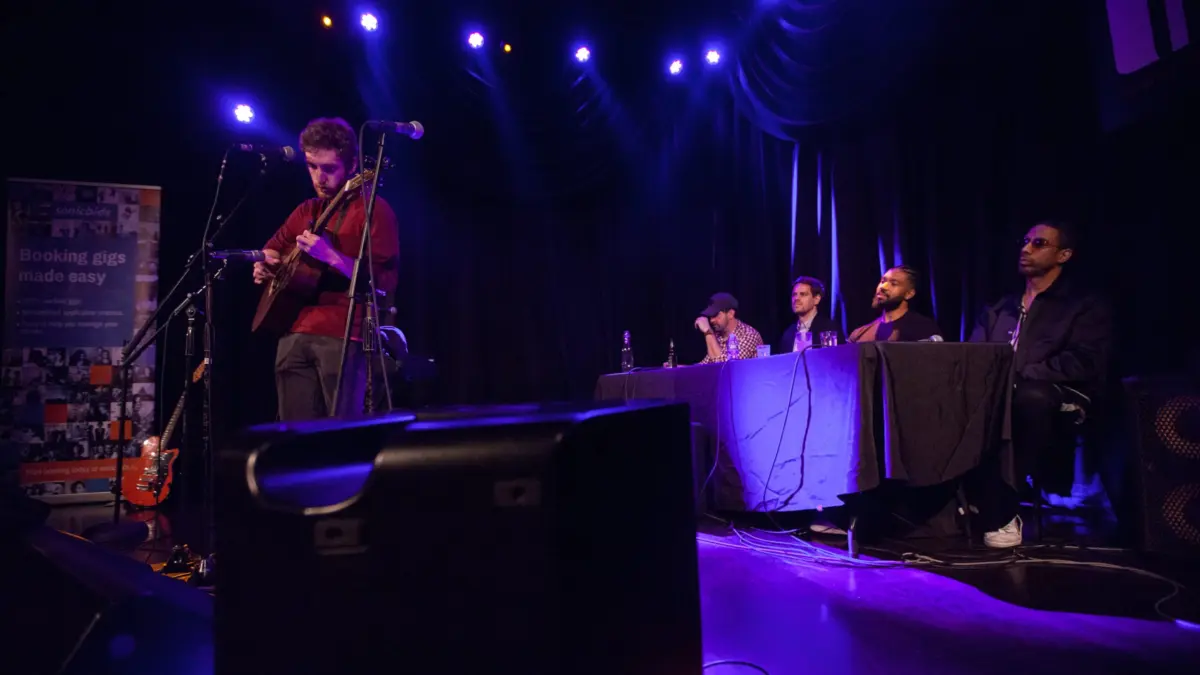
The global music landscape has undergone a seismic shift over the last decade, transitioning from a centralized industry dominated by major record labels to a decentralized ecosystem where independent artists now command a significant share of the market. According to recent industry reports, the "Artist Direct" segment is the fastest-growing sector of the recorded music business, generating billions in annual revenue. However, as the barriers to entry have lowered, the density of the market has increased, making strategic networking and collaborative ventures no longer optional but essential for professional sustainability. For the modern independent musician, the ability to build a robust professional network serves as the primary engine for audience growth, creative evolution, and revenue diversification.
The Evolution of the Independent Music Ecosystem
Historically, networking in the music industry was confined to "gatekeeper" interactions, where artists sought the attention of A&R executives, booking agents, or radio programmers. In the current digital-first era, the focus has pivoted toward horizontal networking—building relationships with peers, cross-disciplinary artists, and the direct fanbase. This shift is driven by the democratization of production technology and the rise of streaming platforms, which allow artists to bypass traditional intermediaries. Despite these technological advantages, many independent artists report a "silo effect," where the isolation of home-studio production hinders their professional growth. To counter this, industry experts emphasize the importance of community-based creativity, suggesting that the most successful independent careers are built on a foundation of shared resources and collective visibility.
Interdisciplinary Collaboration as a Market Entry Strategy
One of the most effective, yet often overlooked, avenues for networking is the integration of music into the broader local arts scene. By engaging with visual artists, theatrical performers, and poets, musicians can tap into pre-existing audiences that may not be actively reached through traditional music marketing channels.
In a professional context, these interactions often lead to high-value opportunities such as sync licensing for art installations or original score commissions for local theater productions. For instance, a visual artist hosting a gallery opening requires an atmospheric environment; a musician providing a live, tailored soundtrack transforms a standard exhibition into a multi-sensory event. This creates a reciprocal value proposition where the musician gains exposure to the artist’s collectors and patrons, while the artist enhances the value of their event. Data suggests that cross-pollination between different art forms increases the "stickiness" of a brand, as fans of one medium are more likely to remember a musician who contributed to a holistic cultural experience.
The Rise of Peer-Led Infrastructure and Feedback Collectives
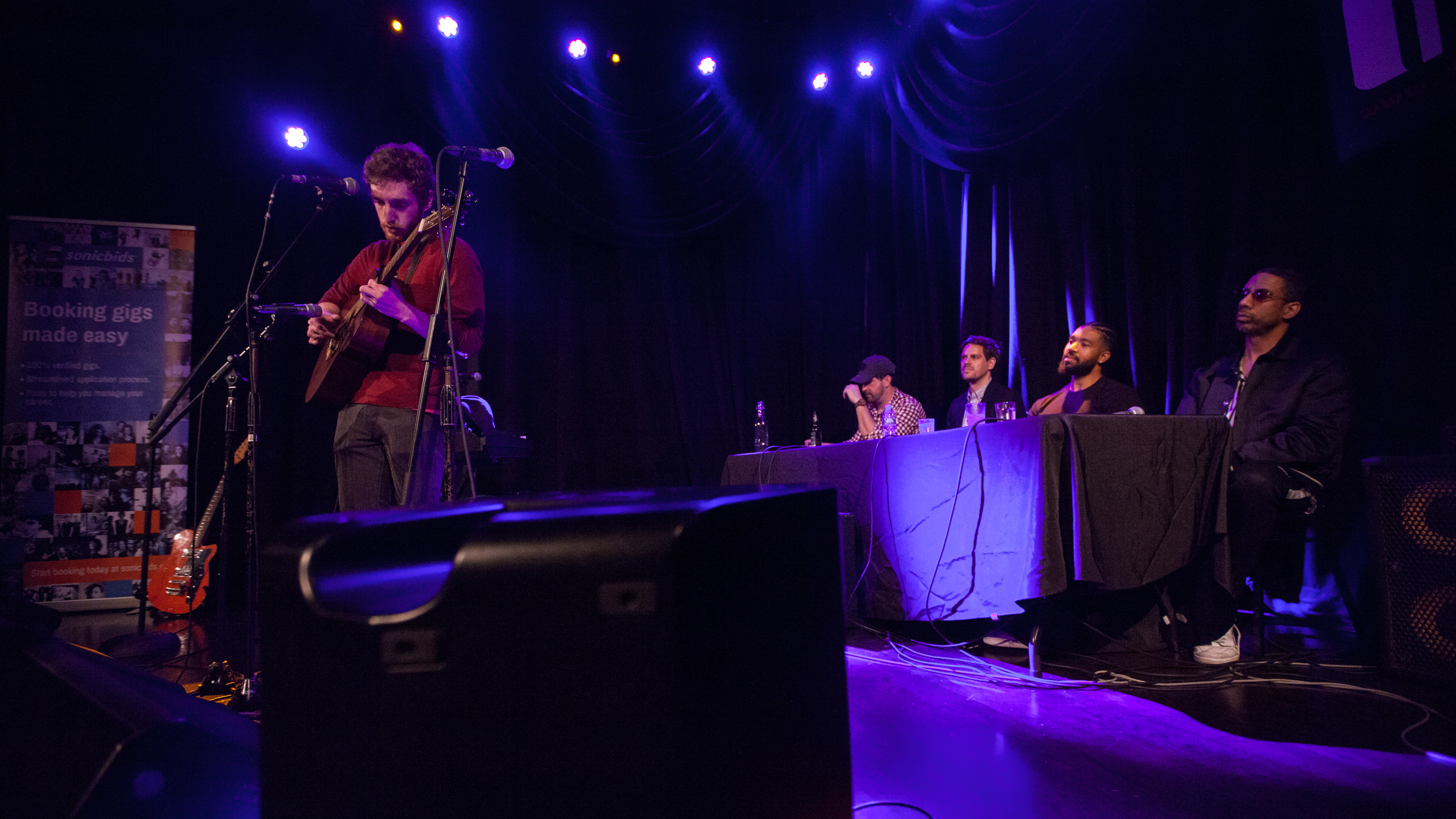
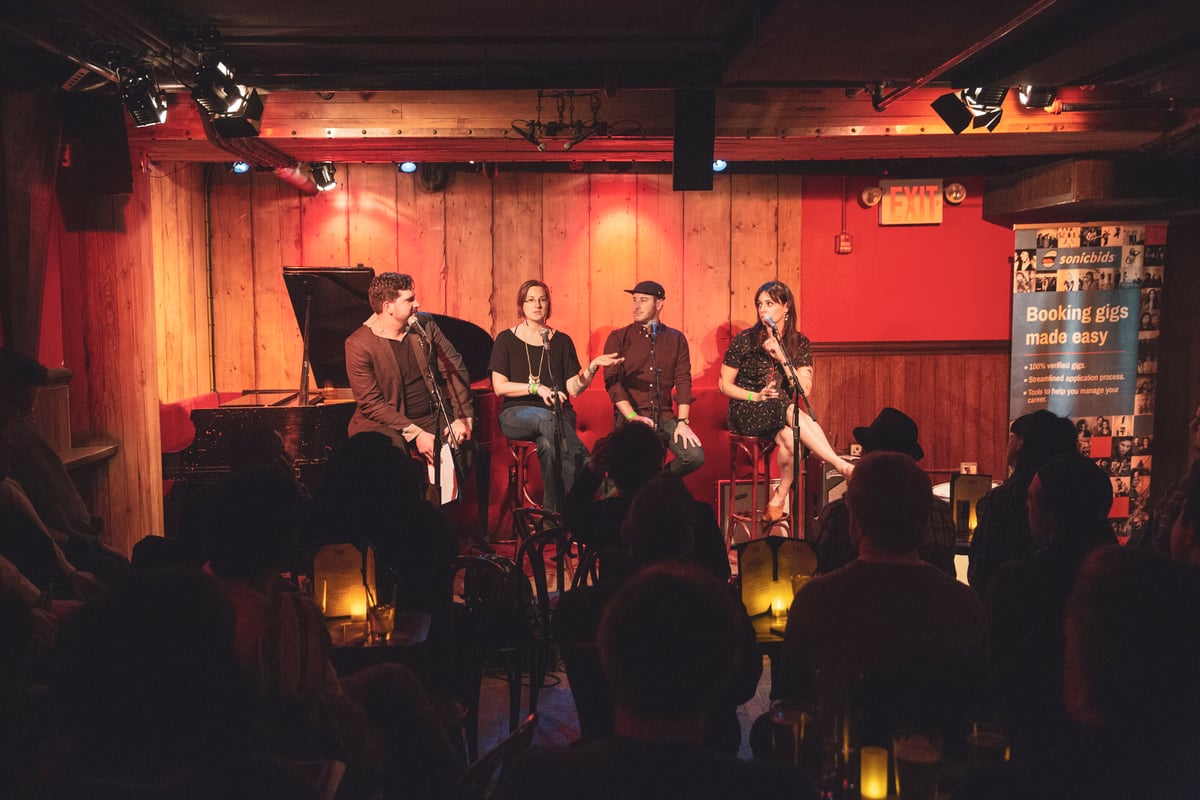
The tradition of the "jam session" has evolved from informal social gatherings into structured professional development tools. Organizations such as Sonicbids have pioneered "Feedback Collective" panels and songwriting workshops, which provide a blueprint for how musicians can organize their own local infrastructure. By hosting sessions that invite diverse genres—such as the fusion of rock instrumentation with jazz improvisation—artists foster an environment of "forced innovation."
These sessions serve a dual purpose: they act as a laboratory for new sounds and as a vetting ground for future professional partnerships. When a musician hosts a workshop or a jam, they position themselves as a community leader, which naturally increases their social capital within the local industry. This leadership often results in a "first-call" status, where other musicians and venue owners look to the organizer for future bookings or session work. Chronologically, many successful independent acts began by establishing these local hubs, which eventually scaled into regional touring networks.
Digital Networking and the Shift Toward Niche Platforms
While mainstream social media platforms like Instagram and TikTok are essential for broad-scale promotion, they are often criticized for their "one-to-many" communication style, which can be detrimental to genuine networking. In response, professional musicians are increasingly migrating toward niche platforms designed for granular collaboration.
Platforms such as BandLab and SoundCloud have introduced features that allow for asynchronous global collaboration, enabling a producer in London to work seamlessly with a vocalist in Tokyo. Unlike the passive "like" culture of general social media, these platforms encourage "active engagement" through track-specific commenting and direct project invitations. This collaborative model is supported by data indicating that "collab tracks"—songs featuring two or more artists—frequently outperform solo releases on streaming algorithms. By sharing a "collaborators" credit, both artists gain access to each other’s "Release Radar" and "Discover Weekly" playlists on Spotify, effectively doubling their algorithmic reach without additional marketing spend.
Professional Integration via the Festival and Event Economy
Volunteering at music festivals and industry conferences remains one of the most direct paths to understanding the "backstage" economy of the music business. This approach provides a unique vantage point to observe the logistics of large-scale event production while facilitating proximity to established industry professionals.
A chronological analysis of industry career paths shows that many tour managers, sound engineers, and even performing artists began their journeys in entry-level volunteer roles. These roles provide "institutional access" that is rarely available through digital networking. By assisting in stage management or artist relations, a musician gains a practical understanding of the professional standards required for high-level performance. Furthermore, the high-pressure environment of a festival often leads to the formation of strong professional bonds. A volunteer who demonstrates reliability and a positive attitude is frequently remembered when professional opportunities arise, turning a temporary shift into a long-term industry connection.
Data-Driven Fan Engagement and the "Super-fan" Model
The final pillar of modern networking involves the strategic utilization of an existing fanbase. The "1,000 True Fans" theory, popularized by Kevin Kelly, posits that an artist does not need a mainstream hit to be successful; they need a dedicated core of supporters. Modern independent musicians are leveraging this by involving their fans in the creative process through surveys, polls, and "crowdsourced" collaboration ideas.

Using data analytics from mailing lists and social media insights, musicians can identify "super-fans" who may have professional connections of their own. It is not uncommon for a fan to facilitate an introduction to a local venue owner, a graphic designer, or a fellow musician. This "bottom-up" networking approach reinforces the bond between the artist and the audience, creating a community-driven brand. When fans feel they have a stake in the artist’s collaborative choices, they become more invested in the success of the project, leading to higher conversion rates for merchandise sales and concert tickets.
Chronological Development of a Networking Strategy
To maximize the impact of these networking efforts, industry analysts suggest a phased approach:
- The Foundational Phase (Months 1–6): Focus on local saturation. Attend art events, participate in open mics, and establish a presence in the local creative community.
- The Expansion Phase (Months 6–12): Initiate peer-led events. Host the first jam sessions or workshops and begin reaching out for digital collaborations on niche platforms.
- The Integration Phase (Year 1 and beyond): Seek institutional access. Volunteer at regional festivals and begin leveraging fan data to identify broader collaborative opportunities.
Analysis of Implications: The Necessity of Soft Skills
The transition toward a networking-heavy industry model highlights a critical shift in the required skill set for musicians. While technical proficiency and songwriting remain the core products, "soft skills"—such as communication, project management, and emotional intelligence—have become the primary drivers of career longevity.
The economic implications are clear: artists who collaborate more frequently tend to have more diverse revenue streams. By diversifying their network, musicians insulate themselves against the volatility of the industry. If one avenue of income—such as live performance—stalls, their connections in sync licensing, session work, or educational workshops provide a financial safety net.

In conclusion, the independent music sector is no longer a solitary pursuit but a collaborative enterprise. The data suggests that the most resilient artists are those who view networking not as a peripheral activity, but as a core component of their creative and business strategy. By embracing interdisciplinary arts, fostering peer communities, utilizing specialized digital tools, and engaging their fanbase, independent musicians can build a sustainable infrastructure that rivals the reach of traditional labels. The future of music belongs to the connected, the collaborative, and the community-minded.
