

The landscape of the global music industry has undergone a seismic shift over the last decade, transitioning from a centralized, label-dominated hierarchy to a decentralized ecosystem where independent artists now represent the fastest-growing segment. According to industry reports from MIDiA Research, independent artists generated over $1.2 billion in 2023, a figure that continues to climb as digital distribution and social connectivity democratize access to global audiences. However, this democratization has also led to a saturated market, where the primary challenge for musicians is no longer production, but visibility and community integration. Networking and collaboration have emerged as the most critical tools for professional advancement, moving beyond mere social interaction to become strategic necessities for career sustainability.
For the independent musician, the process of networking is often perceived as an intimidating hurdle, yet the modern industry landscape dictates that creativity thrives most effectively within a structured community. The transition from a solo creator to a collaborative partner allows artists to leverage "social capital," tapping into new demographics and creative perspectives that would otherwise remain inaccessible. As the industry moves toward a "creator economy" model, the ability to forge unexpected partnerships across various artistic disciplines has become a hallmark of successful independent careers.
The Evolution of Music Networking: A Chronological Perspective
The methodology of networking within the music industry has evolved through several distinct eras. In the late 20th century, networking was largely gatekeeper-oriented, requiring artists to navigate a complex web of A&R executives, talent scouts, and radio promoters. The primary goal was to secure a "deal" that would provide the necessary infrastructure for growth.
By the early 2000s, the "Digital Disruption" era shifted the focus toward online presence. Platforms like MySpace and later SoundCloud allowed for peer-to-peer discovery, but the networking remained largely siloed within the music community itself. Artists sought connections with other musicians, often neglecting the broader artistic ecosystem.
In the current "Community-Centric" era, which gained significant momentum post-2020, the focus has shifted toward holistic integration. Networking is now viewed as an interdisciplinary endeavor. The modern independent artist functions as a small business owner, creative director, and community leader. This evolution necessitates a more sophisticated approach to collaboration, moving beyond the traditional "feature" on a track to include visual artists, tech developers, and local community organizers.
Strategic Pillar 1: Interdisciplinary Engagement in Local Arts Scenes
One of the most underutilized avenues for musical growth lies in the integration of music with local visual and performing arts. Local arts scenes are often vibrant hubs of untapped potential where musicians can find collaborators whose skills complement their own. By attending gallery openings, theater productions, and poetry slams, musicians can position themselves at the intersection of various creative currents.
Data suggests that cross-media collaborations—such as a musician providing a live score for an art installation—increase the "stickiness" of an artist’s brand. For example, a sculptor seeking a sonic environment for an exhibition provides the musician with a captive audience that may not typically frequent traditional music venues. This "audience crossover" is a high-value networking outcome. Furthermore, theater companies frequently require original compositions for productions, offering musicians a chance to diversify their portfolios and secure sync-licensing opportunities at a grassroots level.
Strategic Pillar 2: The Proactive Creation of Collaborative Spaces
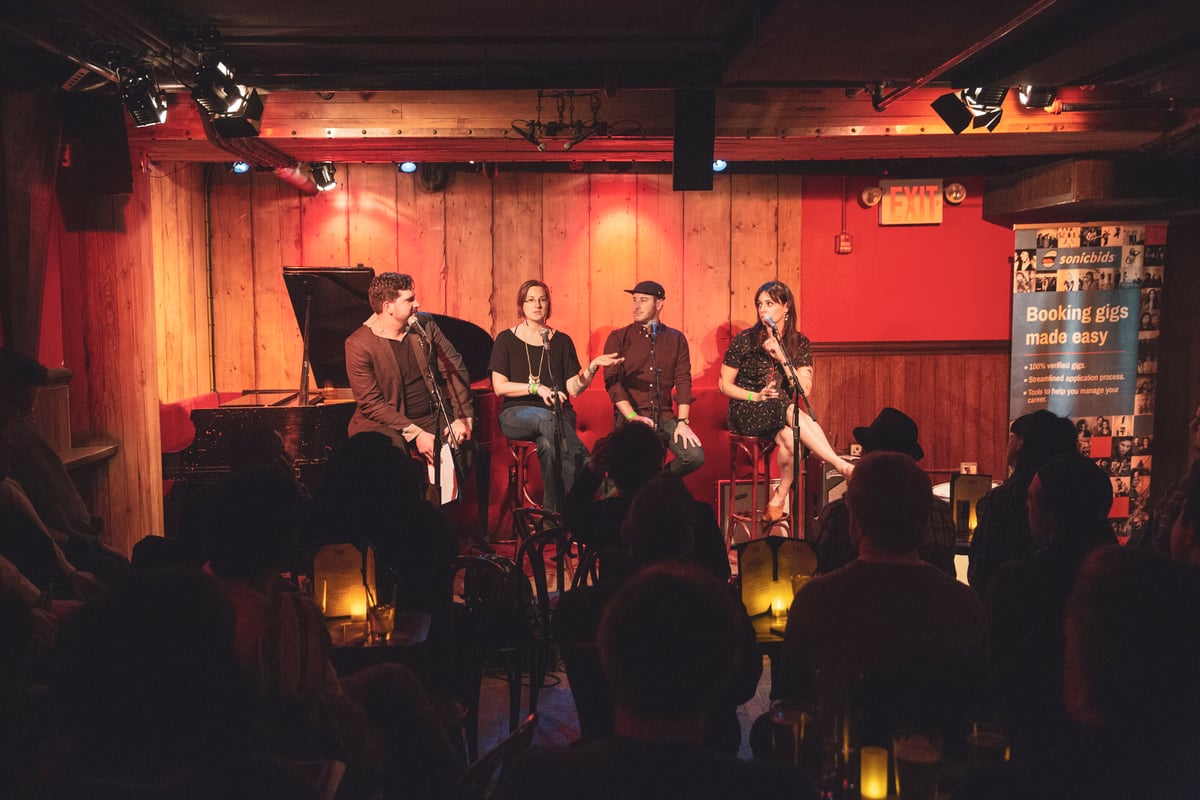
Rather than waiting for an invitation to join existing circles, successful independent artists are increasingly taking the initiative to host their own events. Jam sessions, songwriting workshops, and "Feedback Collectives" serve as low-pressure environments that foster genuine rapport.
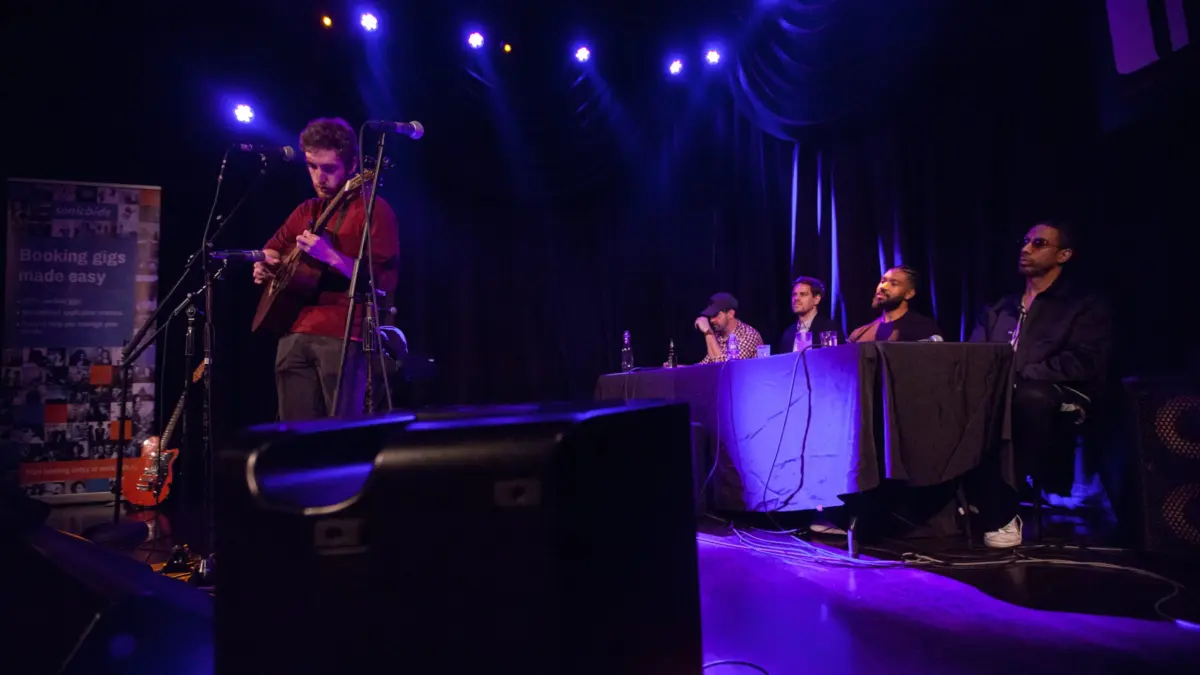
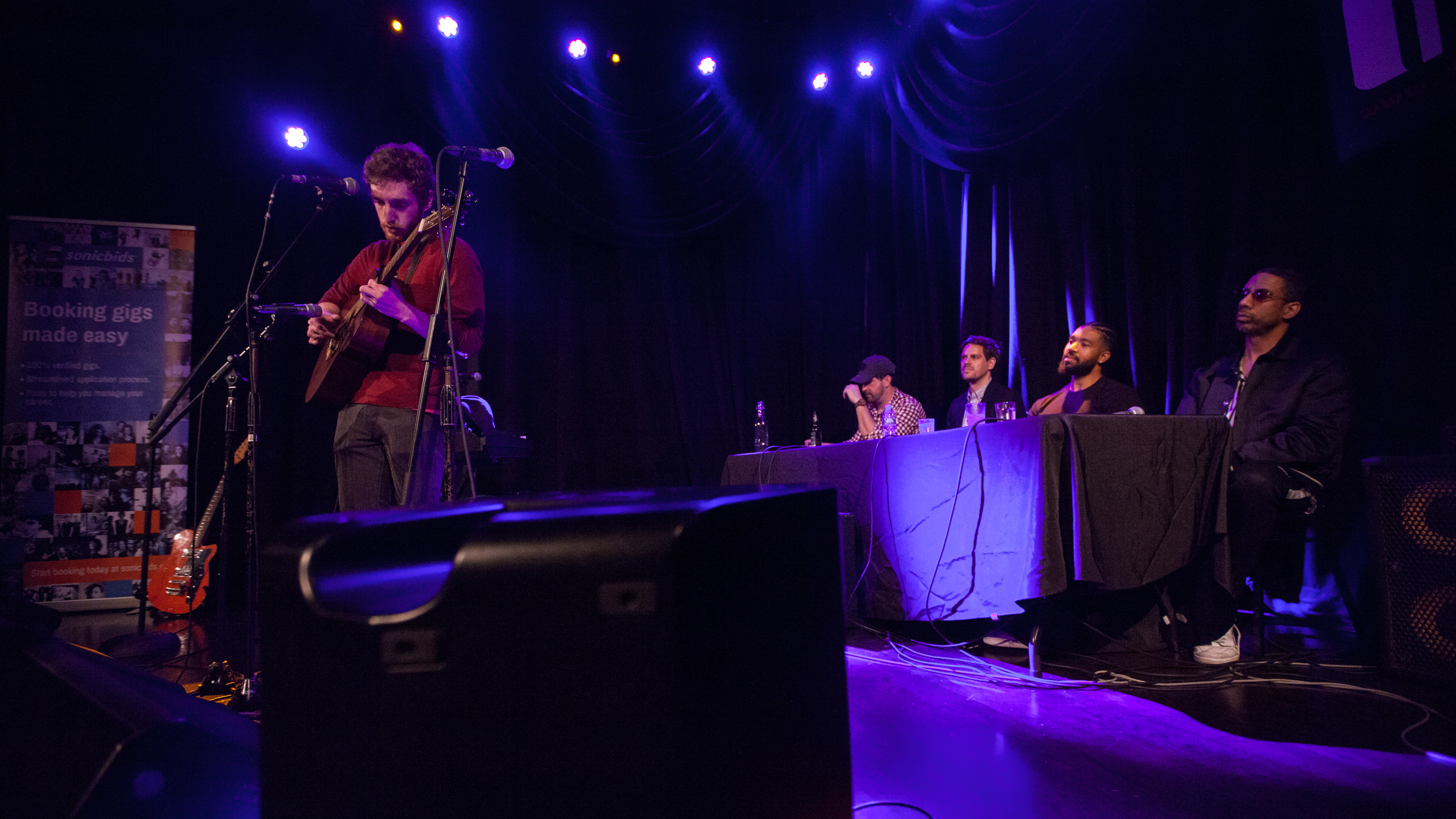
The "Feedback Collective" model, frequently utilized by organizations like Sonicbids, demonstrates the power of structured peer review. By bringing together musicians from disparate genres—such as a rock instrumentalist and a jazz theorist—these sessions catalyze the development of "hybrid genres," which are currently performing well on streaming algorithms that favor unique, hard-to-categorize sounds. These events also serve as a live "audition" for future collaborators. When an artist hosts a workshop, they establish themselves as a "connector" within the local economy, a position that naturally attracts industry professionals and high-level talent.
Strategic Pillar 3: Leveraging Niche Digital Platforms for Collaborative Depth
While mainstream social media platforms like Instagram and TikTok are essential for broad-scale marketing, they often lack the depth required for meaningful professional networking. Specialized platforms such as BandLab, SoundCloud, and Discord have become the "digital backrooms" of the music industry.
Recent data from BandLab indicates that millions of creators are using mobile-first DAWs (Digital Audio Workstations) to collaborate in real-time across different time zones. This "cloud collaboration" removes geographical barriers, allowing a producer in London to work seamlessly with a vocalist in Nashville. The professional approach to these platforms involves more than just uploading content; it requires active engagement. Leaving detailed, technical feedback on a peer’s work or proposing a specific, modular collaboration (e.g., "I can provide a bassline for this track") is significantly more effective than generic self-promotion. This targeted interaction builds a reputation for reliability and technical proficiency.

Strategic Pillar 4: The Strategic Value of Event Voluntarism
Music festivals and industry conferences remain the primary gathering points for the "power players" of the music world. However, the cost of attendance can be prohibitive for independent artists. Volunteering offers a strategic workaround, providing behind-the-scenes access to the industry’s inner workings.
Volunteers at major festivals like SXSW or Glastonbury often find themselves working alongside event organizers, stage managers, and technical crews. These roles provide a unique vantage point to observe the logistics of high-level performance and to interact with established artists in a professional, non-fan capacity. Industry insiders note that many long-term professional relationships are forged in the high-stress, high-reward environment of festival production. By contributing to the success of an event, an artist demonstrates a work ethic and a level of commitment that resonates with industry professionals who are often wary of "cold pitches."
Strategic Pillar 5: Activating the Fanbase as a Networking Engine
The modern independent artist’s most significant asset is their "Direct-to-Fan" (D2F) relationship. Historically, fans were viewed as passive consumers of music. In the current landscape, however, fans act as advocates and connectors.
Utilizing tools like surveys, polls, and Discord communities allows artists to tap into the collective intelligence of their audience. A fan might have a connection to a local venue owner, a graphic designer, or another musician. By involving fans in the collaborative process—such as asking for input on who to work with next—artists increase "fan equity." This sense of ownership among the audience leads to higher engagement rates and can often open doors that traditional networking cannot. The "1,000 True Fans" theory, popularized by Kevin Kelly, remains a cornerstone of this strategy: a dedicated core audience is more valuable for long-term career growth than a large, disengaged following.

Analysis of Industry Implications and Future Trends
The shift toward these "unexpected" networking strategies reflects a broader trend of "horizontal integration" in the music industry. As traditional labels lose their role as the sole arbiters of taste, the responsibility for career development has shifted to the artist. This has several implications for the future of the industry:
- The Rise of the "Slash-Artist": Musicians are increasingly expected to be "Music/Visual Artist" or "Producer/Community Manager." Networking across disciplines is no longer optional; it is a core competency.
- Hyper-Localism as a Global Strategy: By dominating a local scene through interdisciplinary collaboration, artists build a "proof of concept" that can be scaled globally through digital platforms.
- The Professionalization of the DIY Sector: Tools like the "Feedback Collective" panel discussions and songwriting workshops indicate that the independent sector is adopting the rigorous standards once reserved for major label artists.
Industry analysts suggest that the next five years will see an increase in "micro-communities"—small, highly specialized groups of artists who collaborate exclusively within their network to create unique brand identities. This "squad" mentality allows independent artists to pool resources, sharing the costs of touring, marketing, and production.
In conclusion, the path to success for the independent musician is paved with intentional, strategic connections. By embracing local art scenes, hosting collaborative workshops, utilizing niche digital tools, volunteering at major events, and activating their fanbase, artists can overcome the limitations of the "solo" career model. These strategies do more than just expand an artist’s reach; they enrich the creative process itself, leading to the innovation and diversity that keep the music industry vibrant. The transition from a daunting task to a creative adventure is the first step in amplifying an independent career in the modern age.
