

The landscape of the global music industry has undergone a seismic shift over the past decade, moving away from a centralized, major-label-dominated model toward a decentralized "creator economy." According to industry reports from MIDiA Research, the independent artist sector is the fastest-growing segment of the music business, generating billions in annual revenue. However, this growth has brought about a saturation of content, making strategic networking and cross-disciplinary collaboration essential survival skills for the modern independent musician. For many artists, the prospect of networking remains a daunting hurdle, yet data indicates that creative professional success is increasingly predicated on the strength of one’s community rather than individual output alone. To navigate this complex environment, industry experts and veteran performers are identifying specific, often overlooked pathways to foster meaningful professional connections and elevate creative output.
The Context of the Independent Music Shift
Historically, the path to musical success was linear: an artist was discovered by an A&R representative, signed to a label, and provided with a pre-built network of producers, marketers, and distribution channels. In the contemporary digital era, the onus of "network building" has shifted entirely to the artist. This transition requires musicians to act as their own CEOs, identifying "creative clusters" where talent and opportunity intersect. The rise of DIY distribution platforms and home recording technology has lowered the barrier to entry, but it has also increased the noise. Consequently, the ability to collaborate across different artistic mediums and leverage local and digital communities has become a primary differentiator for those seeking sustainable careers.
Interdisciplinary Integration through Local Art Ecosystems
One of the most effective, yet frequently underutilized, networking strategies involves engaging with local arts scenes beyond the immediate musical community. The concept of "cross-pollination" suggests that musicians who embed themselves in visual arts, theater, and performance poetry circles often find more unique opportunities than those who limit themselves to music-only venues.
Local art galleries, experimental theater troupes, and multimedia festivals serve as hubs for creatives who require auditory components for their work. For example, a visual artist hosting a gallery opening may require an immersive soundscape, or a theater director may seek an original score for a contemporary production. These interactions offer musicians a "blue ocean" strategy—operating in spaces where there is less competition from other musicians and a high demand for specialized creative services. By attending these events not as a spectator but as a prospective collaborator, artists can diversify their portfolios and reach audiences that are traditionally outside their genre’s demographic.
Structured Communal Engagement: Workshops and Jam Sessions
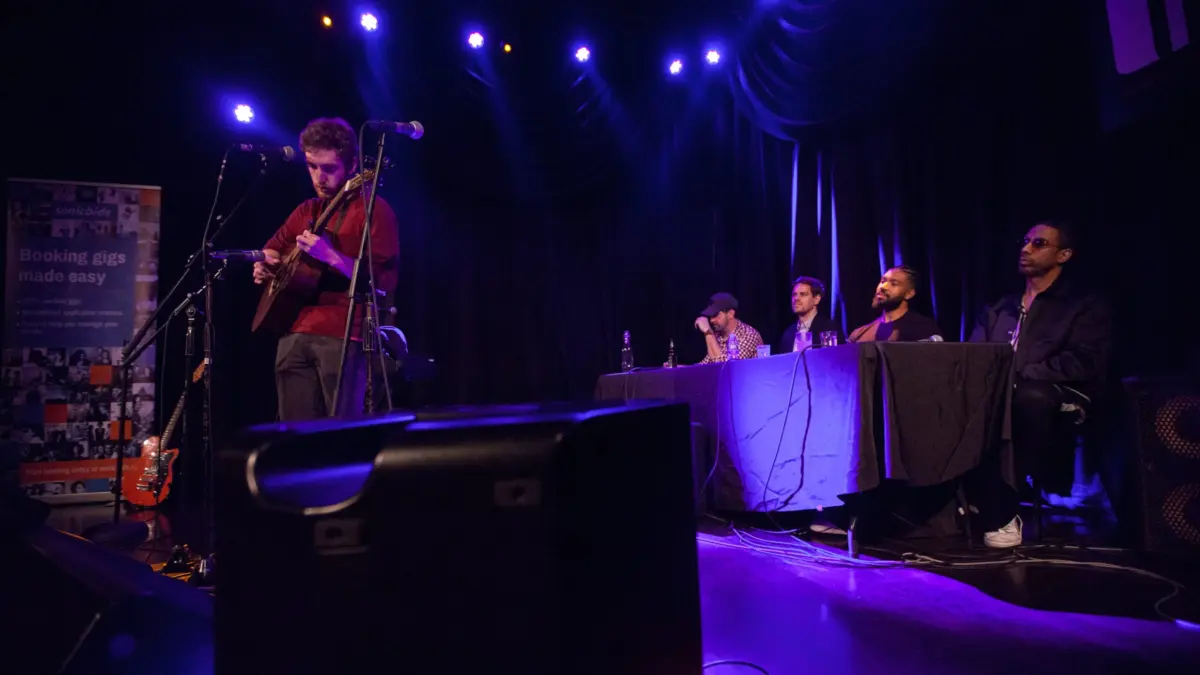
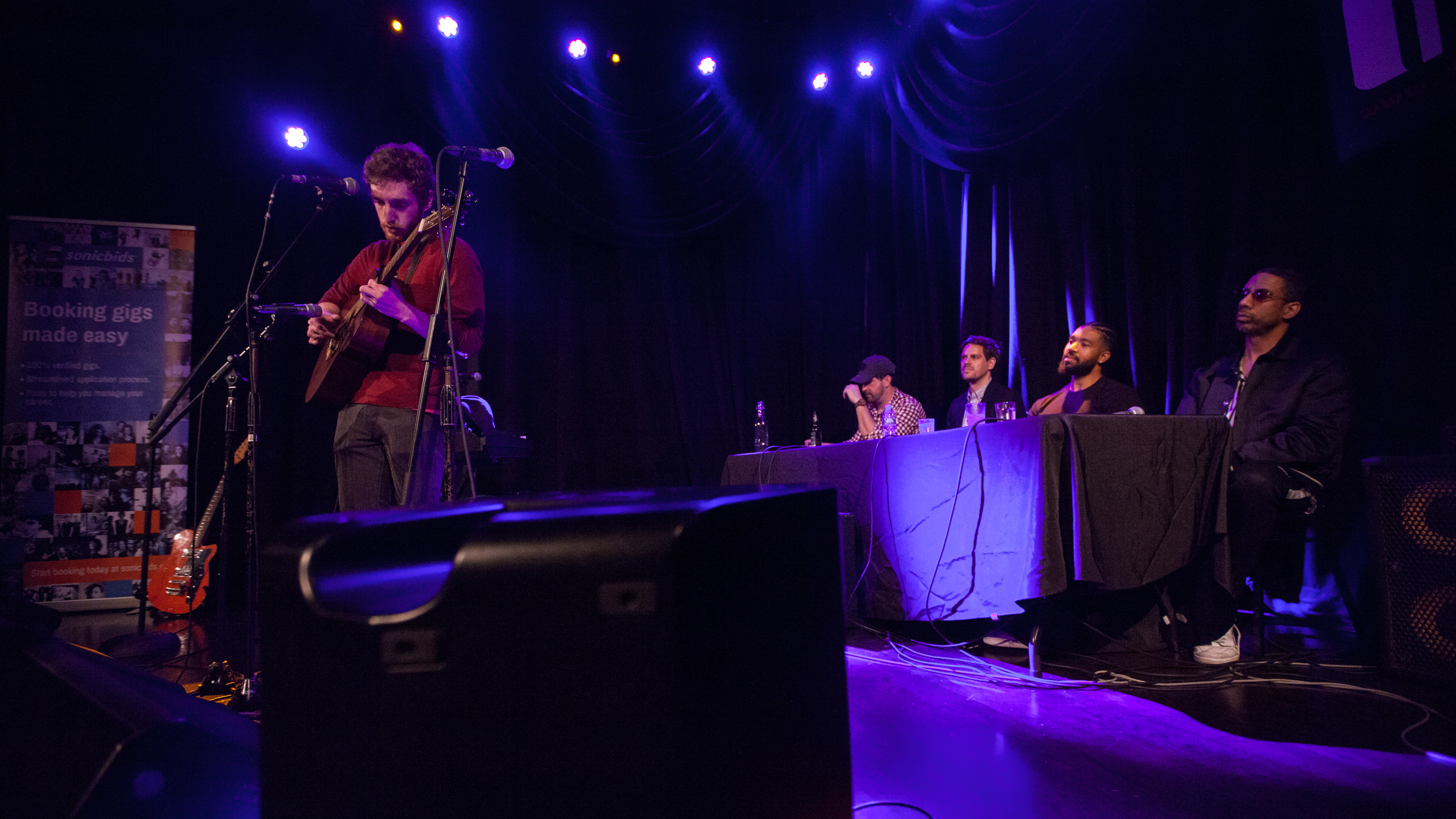
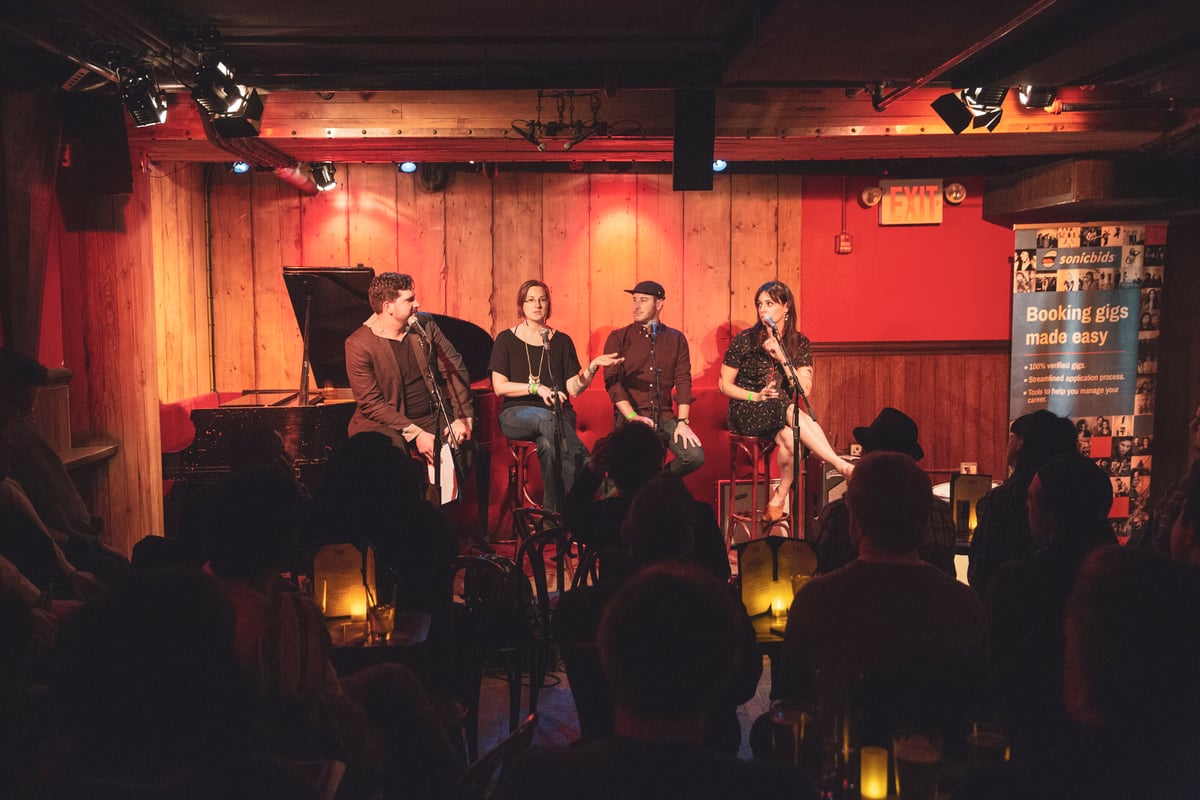
While passive networking occurs at concerts, active networking is best facilitated through structured environments such as workshops and jam sessions. Organizations like Sonicbids have pioneered models such as the "Feedback Collective," which provides a framework for musicians to interact in a professional, peer-reviewed setting. These events serve a dual purpose: they provide immediate artistic feedback and establish a hierarchy of professional reliability.
Hosting a curated jam session or a songwriting workshop allows an artist to position themselves as a community leader. This "host" status naturally attracts other high-level talent. When a rock guitarist collaborates with a jazz saxophonist in a low-stakes, experimental environment, the resulting "fusion" often leads to innovative projects that neither could have conceived in isolation. Furthermore, these sessions act as informal auditions. In an industry where "vibe" and reliability are as important as technical skill, seeing a peer’s work ethic and collaborative spirit firsthand is the most effective precursor to a formal business partnership.
The Digital Frontier: Beyond Social Media Engagement
While mainstream social media platforms like Instagram and TikTok are essential for fan-facing marketing, they are often suboptimal for deep professional networking. Instead, industry analysts point toward specialized platforms designed for collaborative production, such as BandLab, SoundCloud, and Discord. These platforms allow for "asynchronous collaboration," where musicians from different geographical locations can contribute to a single project in real-time or via cloud-based DAW (Digital Audio Workstation) sharing.
The data suggests that remote collaboration surged by over 40% during the global lockdowns of 2020-2021 and has remained a staple of the industry since. Artists are now utilizing these platforms to initiate "stems exchanges," where one artist provides a vocal track and another provides the instrumentation. This method not only expands an artist’s creative range but also facilitates "audience sharing." When two artists collaborate on a digital track, they effectively merge their follower bases, providing a mutual boost in streaming numbers and algorithmic visibility.
Strategic Volunteering and the Backstage Economy
Music festivals and large-scale industry events represent the highest concentration of decision-makers in the music business. For independent artists, the barrier to entry for these events can be high, both financially and professionally. Strategic volunteering offers a "backstage pass" into the industry’s inner workings. By working in logistics, artist relations, or technical production, musicians gain visibility with event organizers, sound engineers, and established performers.
This "service-based networking" is rooted in the principle of reciprocity. A volunteer who demonstrates competence and a positive attitude in a high-pressure environment like a festival is more likely to be remembered when an opening act is needed or a production assistant position becomes available. Many successful independent careers have been launched not from a stage, but from the relationships forged while hauling gear or managing artist hospitality suites. It is an immersion into the "professionalism" of the industry, providing a firsthand look at the standards required to operate at a high level.
Crowdsourcing Collaboration: The Fan-as-Stakeholder Model
The final, and perhaps most modern, networking strategy involves leveraging the existing fanbase as a networking engine. The "1,000 True Fans" theory, popularized by Kevin Kelly, posits that an artist only needs a modest, dedicated following to be successful. Modern tools like Patreon, Discord, and social media polls allow artists to involve their audience in the creative process.

By surveying fans on who they would like to see a collaboration with, artists can identify potential partners who already have a degree of audience overlap. This data-driven approach to networking ensures that any resulting collaboration has a pre-existing market. Furthermore, fans often act as intermediaries; it is not uncommon for a dedicated fan to facilitate an introduction between a musician and a local business owner, a filmmaker, or another artist. Treating the fanbase as a network of "brand ambassadors" rather than just consumers transforms the relationship into a collaborative ecosystem.
Statistical Analysis of Independent Artist Growth
The necessity of these networking strategies is backed by significant industry data. According to the 2023 "State of the Independent Music Economy" report, independent artists now account for approximately 34.2% of the total global recorded music market share. This is a significant increase from a decade ago. However, the report also notes that the average independent artist earns revenue from a minimum of four different streams, including live performance, streaming, sync licensing (music in film/TV), and merchandise.
Each of these revenue streams is heavily dependent on networking. Sync licensing, for instance, is almost entirely driven by relationships with music supervisors and filmmakers—connections often made at the "local art events" mentioned previously. Live performance opportunities are frequently the result of "gig-swapping" between bands who met at jam sessions or festivals. The data confirms that in the modern era, an artist’s net worth is inextricably linked to their professional network.
Broader Impact and Industry Implications
The shift toward proactive, multi-faceted networking has broader implications for the music industry at large. First, it is democratizing the path to success. When networking is based on community engagement and mutual value rather than "gatekeepers," a wider variety of voices can find a platform. Second, it is fostering a more resilient music economy. Artists who have diversified networks are less vulnerable to shifts in a single platform’s algorithm or the decline of a specific venue.

However, this model also demands a higher level of "soft skills" from musicians. To succeed today, an artist must be a communicator, a project manager, and a community builder. The "reclusive genius" trope is being replaced by the "connected creator." Educational institutions and organizations like Sonicbids are responding to this by incorporating more business and networking training into their curricula, recognizing that the ability to navigate a room is now as vital as the ability to navigate a fretboard.
In conclusion, networking for the independent musician is no longer a peripheral activity; it is a core business function. By embracing local interdisciplinary scenes, hosting structured creative events, utilizing digital collaboration tools, volunteering for industry access, and engaging their fanbase, musicians can build a robust professional infrastructure. These strategies move the artist beyond the limitations of a solo career and into a thriving, collaborative ecosystem. As the industry continues to evolve, those who view networking as an adventure in community-building—rather than a transactional necessity—will be the ones who define the future of music.
