

The global independent music sector has undergone a seismic shift over the last decade, transitioning from a marginalized segment of the industry to a dominant force that generates billions of dollars in annual revenue. As the barriers to entry—such as high-cost recording studios and physical distribution—have dissolved, a new challenge has emerged: the saturation of the digital marketplace. With over 100,000 tracks uploaded to streaming platforms daily, the ability to network and collaborate has moved from a secondary skill to a primary strategic imperative. For the independent musician, building a professional community is no longer just about social interaction; it is about establishing the social capital necessary to navigate a fragmented and highly competitive landscape.
Data from recent industry reports, including those from MIDiA Research, indicate that the "artist-direct" segment is the fastest-growing part of the global music business. However, this growth brings a paradox of choice and a sense of isolation for many creators. To combat this, industry veterans and professional organizations are increasingly emphasizing "lateral networking"—the practice of building relationships with peers and professionals in related creative fields to foster a self-sustaining ecosystem. The following analysis explores five strategic avenues through which independent musicians can expand their professional reach, enhance their creative output, and solidify their presence in the modern market.
The Integration of Interdisciplinary Artistic Communities
The traditional networking model for musicians often focuses exclusively on music-centric environments: clubs, recording studios, and instrument shops. While these remain relevant, a more robust strategy involves engaging with the broader local arts scene. By attending gallery openings, experimental theater performances, and literary readings, musicians can tap into creative circles that are often underserved by original compositions.
From a journalistic perspective, the "cross-pollination" of art forms acts as a catalyst for innovation. For instance, the rise of "immersive art" installations has created a significant demand for bespoke soundscapes and soundtracks. A musician who engages with a visual artist or a sculptor may find opportunities for synchronization (sync) placements that bypass the traditional, gatekeeper-heavy channels of film and television. Furthermore, these environments offer a lower pressure-point for networking than music industry mixers, allowing for more authentic professional relationships to form. The result is often a unique artistic hybrid that can attract niche audiences and media attention that a standard single release might not achieve.
Institutionalized Professional Development and Peer Exchange
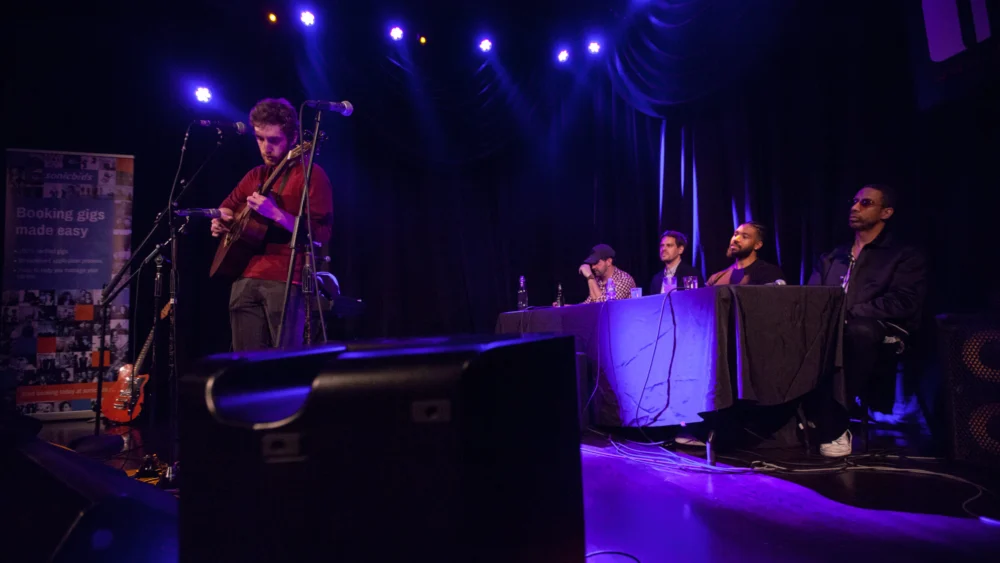
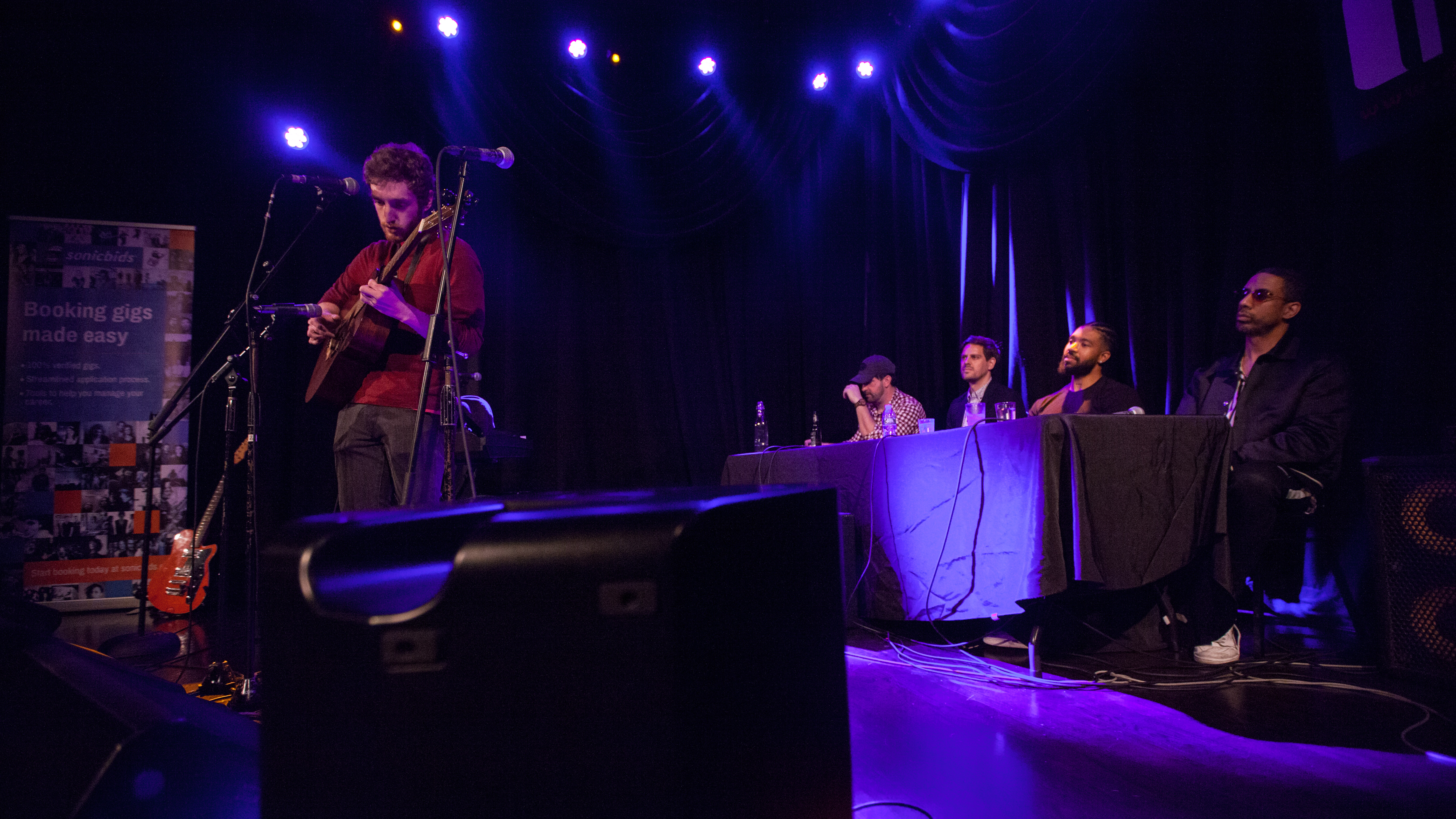
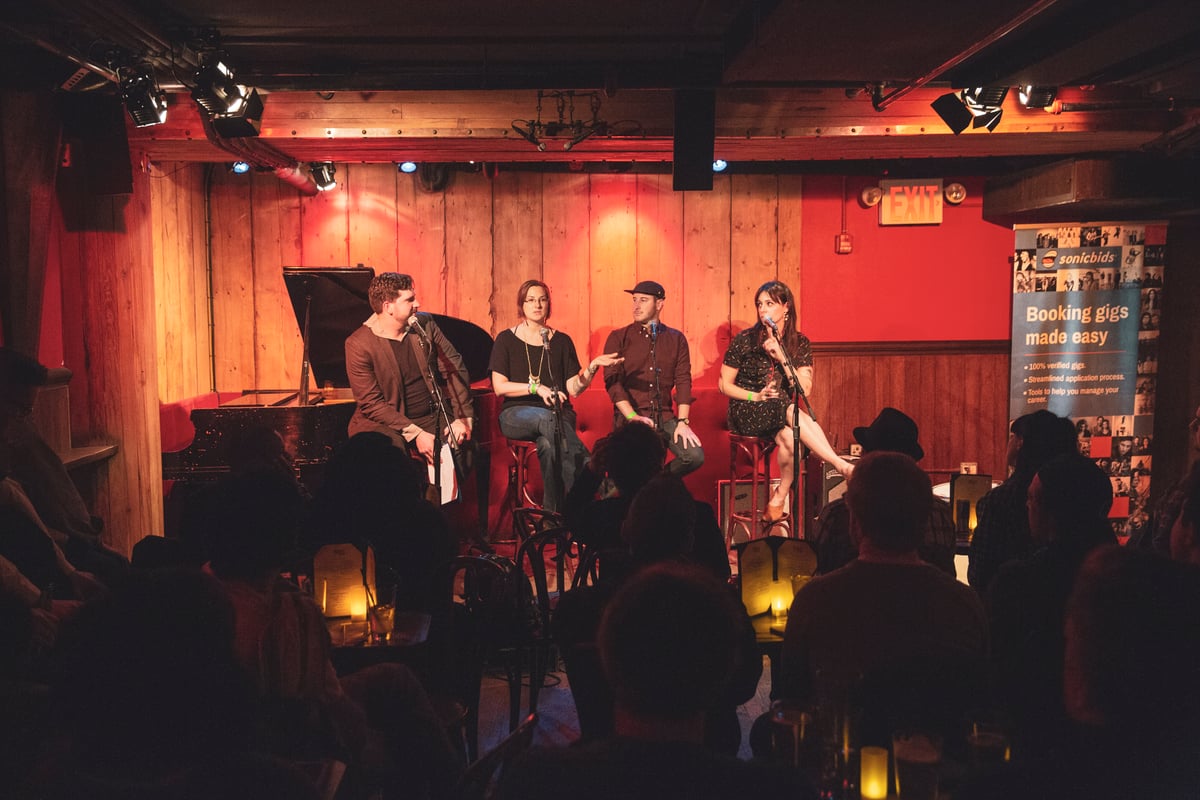
A critical component of the modern networking landscape is the rise of organized workshops and peer-review sessions. Organizations such as Sonicbids have been instrumental in formalizing these interactions through initiatives like the "Feedback Collective." These events, which include panel discussions and songwriting workshops, serve a dual purpose: they provide high-level professional education while simultaneously creating a structured environment for networking.
Chronologically, the shift toward these "collective" models gained momentum as the DIY movement realized that "doing it yourself" did not have to mean "doing it alone." The Feedback Collective Panel Discussions, for example, allow artists to hear directly from industry professionals and fellow creators about the nuances of the craft and the business. By hosting or participating in such sessions, musicians transition from being passive consumers of the industry to active contributors.
Analysis of these workshops suggests that they reduce the "intimidation factor" inherent in traditional networking. When musicians are brought together under the guise of learning or mutual critique, the social barriers are lowered. A rock guitarist and a jazz saxophonist, who might never meet on the touring circuit, may find common ground in a workshop setting, leading to the creation of "genre-fluid" projects that are increasingly favored by streaming algorithms and editorial playlist curators.
Digital Ecosystems and the Democratization of Global Collaboration
While physical presence remains vital, the digital infrastructure for collaboration has evolved far beyond the basic functionality of early social media. Platforms like BandLab, SoundCloud, and specialized Discord servers have created a 24-hour global networking hub. BandLab, which recently reported surpassing 60 million users, provides a suite of cloud-based tools that allow musicians to collaborate across time zones and geographic borders.
The professional implication of these platforms is the "death of distance." A producer in London can provide a beat for a vocalist in Seoul, who then sends the track to a mixing engineer in New York. This decentralized production model has significant economic benefits, allowing independent artists to access global talent without the overhead of international travel. However, the journalistic consensus is that the value of these platforms lies in the quality of engagement. Strategic networking in the digital space requires a move away from "transactional" interactions—such as spamming links—toward "relational" engagement. Leaving insightful, technical feedback on a peer’s track or proposing a specific, value-add collaboration is the modern equivalent of a backstage handshake.
The "Backstage" Pipeline: Volunteering as a Career Catalyst
One of the most effective, yet frequently overlooked, methods for industry immersion is volunteering at music festivals and high-level industry events. This approach provides a "behind-the-scenes" look at the logistical and commercial realities of the music business. Volunteers often work alongside event organizers, stage managers, talent buyers, and technical crews—the very individuals who make hiring decisions for future events.
A chronological look at the career paths of many successful independent artists reveals a period of "service" within the industry. By working at a festival, a musician gains a comprehensive understanding of the "advance" process, the importance of technical riders, and the pressures of live production. More importantly, it places the artist in the same physical space as established performers and their management teams.

Statements from festival organizers often highlight that they prefer to hire or book artists who have demonstrated a professional work ethic and a deep understanding of the industry’s moving parts. Volunteering is not merely about free labor; it is a strategic internship that provides a level of access that a standard ticket holder could never achieve. It allows an artist to "audition" their professionalism and reliability before they ever set foot on the stage.
Leveraging the Fanbase as a Collaborative Resource
In the current "creator economy," the line between the artist and the audience has become increasingly porous. The most successful independent musicians treat their fanbase not as a passive audience, but as an active community of advocates and collaborators. Utilizing tools like polls, surveys, and direct-messaging platforms (such as Patreon or Geneva) allows artists to crowdsource networking opportunities.
This strategy is rooted in the "1,000 True Fans" theory popularized by Kevin Kelly, which posits that an artist only needs a modest, dedicated following to sustain a career. When an artist asks their audience for collaboration suggestions, they are essentially activating a decentralized scouting network. A fan in a specific city might have a connection to a local venue owner, a graphic designer, or another rising artist.
By involving the fanbase in the creative process—whether through asking for feedback on a demo or seeking recommendations for a tour partner—the artist fosters a sense of "psychological ownership" among their listeners. This leads to higher engagement rates and more organic word-of-mouth promotion. From a business analysis perspective, this reduces the artist’s marketing costs while simultaneously opening doors to new professional connections that were previously hidden.

Broader Impact and Industry Implications
The transition from a gatekeeper-led industry to a network-led industry has profound implications for the future of music. The strategies outlined above represent a shift toward a more democratic, resilient, and diversified music ecosystem. When independent musicians prioritize networking and collaboration, they contribute to a "rising tide" effect that benefits the entire community.
Economic data suggests that collaborative tracks often perform better on streaming services than solo releases. This is due to the "cross-pollination" of audiences; when two artists collaborate, the track appears on the "Release Radar" and "Discover Weekly" playlists of both artists’ followers, effectively doubling the initial reach. This algorithmic advantage is a key driver of the modern collaboration trend.
Furthermore, the emphasis on local art events and workshops, such as those hosted by Sonicbids, ensures that the industry remains grounded in human connection despite the rise of AI and automated marketing. As the industry continues to evolve, the ability to build and maintain a professional network will remain the most valuable asset in an independent musician’s toolkit. Those who view networking not as a chore, but as an essential creative and professional practice, are the ones most likely to achieve long-term sustainability in an ever-changing market. The message for the modern artist is clear: the music may start in the studio, but the career is built in the community.
