

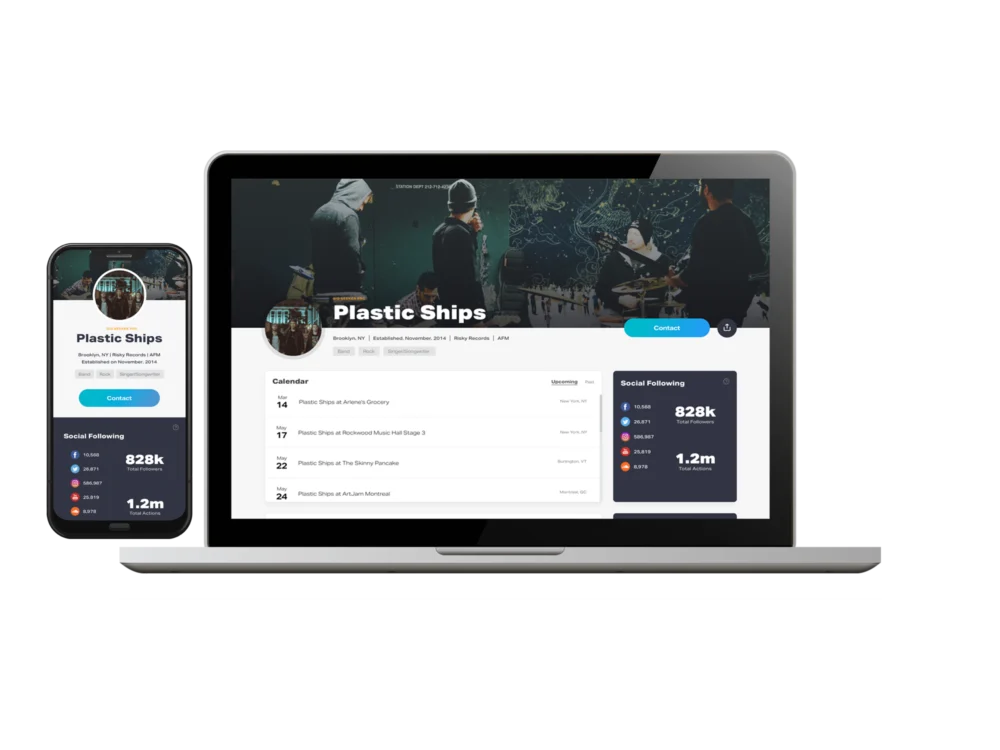
The global independent music sector has undergone a seismic shift over the last two decades, transitioning from a localized, physical-media-dependent industry to a borderless digital ecosystem where over 120,000 new tracks are uploaded to streaming platforms every single day. In this saturated environment, the Electronic Press Kit (EPK) has emerged not merely as a convenience but as a foundational requirement for professional viability. For the modern independent artist—who must simultaneously act as a creative director, marketing manager, and booking agent—the EPK serves as the definitive digital resume, providing a centralized hub that distills a complex artistic identity into a professional, actionable format for industry gatekeepers.
The Historical Context and Technological Transition
To understand the current significance of the EPK, one must examine the chronology of music promotion. Prior to the late 1990s, the "Press Kit" was a physical entity, often consisting of a padded envelope containing a demo cassette or CD, a printed biography, a high-gloss 8×10 photograph, and photocopies of newspaper clippings. This method was not only cost-prohibitive for independent artists but also inefficient for recipients. Talent buyers and journalists were often overwhelmed by physical mail, much of which remained unopened due to the sheer volume of submissions.
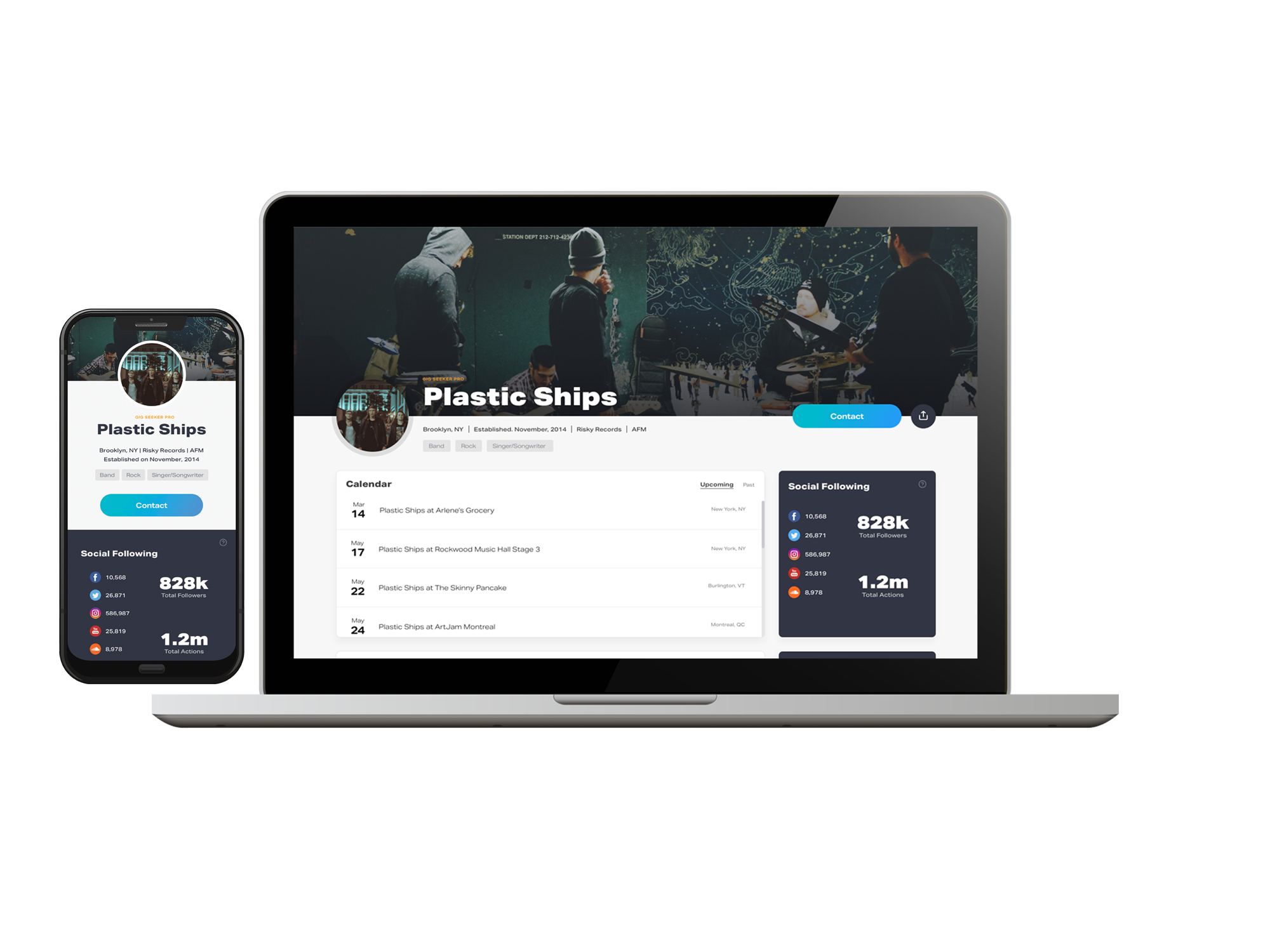
The digital revolution of the early 2000s fundamentally altered this landscape. The launch of Sonicbids in 2001 marked a pivotal moment in the industry, establishing the first standardized digital platform for musical resumes. This transition allowed artists to bypass the logistical hurdles of physical mail, enabling instantaneous communication with festival organizers and venues worldwide. Today, the EPK has evolved from a static PDF or a simple collection of links into a dynamic, interactive experience that integrates streaming data, high-definition video, and real-time social media metrics.
Strategic Representation of Artistic Identity
The primary function of a modern EPK is to provide a concise, high-impact representation of an artist’s brand. Industry analysts note that the average attention span of a festival booker or A&R representative when reviewing a new submission is often less than sixty seconds. Within this window, an artist must communicate their sound, their aesthetic, and their commercial potential.
A professional EPK is structured to facilitate this rapid assessment. It typically begins with a compelling biography that avoids hyperbole in favor of a narrative arc, detailing the artist’s origins, influences, and significant milestones. This is followed by a curated discography. Unlike a public Spotify profile, which displays an artist’s entire catalog, an EPK highlights "focus tracks"—the specific songs that best represent the artist’s current direction and marketability. For example, an artist who can demonstrate a track achieving 10,000 streams within its first month provides a tangible metric of growth that signals "proof of concept" to potential partners.
Streamlining Business-to-Business Communication
In the professional music sphere, efficiency is the currency of the realm. Booking agents, record label executives, and music journalists operate under rigorous deadlines and manage high volumes of correspondence. The EPK simplifies this interaction by consolidating all necessary assets into a single, accessible link.
This consolidation addresses a major pain point in industry communication: the "link sprawl." When an artist sends multiple scattered links to SoundCloud, YouTube, Instagram, and Dropbox, they increase the friction of the review process. An EPK eliminates this friction. By hosting technical riders, stage plots, high-resolution promotional photos, and contact information in one location, the artist demonstrates a level of professional readiness that distinguishes them from hobbyists. This "B2B" (business-to-business) approach respects the time of industry professionals and significantly increases the likelihood of a positive response.
The Psychology of Credibility and Social Proof
The independent music market is characterized by low barriers to entry, which has led to an unprecedented volume of content. Consequently, "credibility" has become the primary filter used by gatekeepers to manage risk. An EPK serves as a vehicle for social proof, aggregating endorsements that validate the artist’s standing in the community.
Key elements of this validation include press quotes from reputable publications, reviews from music blogs, and a history of past performances at recognized venues or festivals. When a promoter sees that an artist has been featured on a notable playlist or has received a glowing review from a regional critic, the perceived risk of booking that artist decreases. This professional presentation suggests that the artist is not only talented but also understands the business requirements of the industry, including marketing and professional etiquette.
Accessibility and the Global Marketplace
The digital nature of the EPK grants independent artists a level of global accessibility that was previously reserved for those signed to major labels. Because an EPK is hosted online, it is accessible 24 hours a day across all time zones. This is particularly critical in an era where international touring and remote collaborations are common.
A talent scout in London can review the EPK of an artist in Nashville at any time, accessing high-quality video of live performances to gauge the artist’s stage presence without needing to see them in person. This accessibility extends to media outlets looking for last-minute features or venues seeking "fill-in" acts for cancelled dates. The ability to provide a comprehensive professional profile instantaneously allows indie artists to capitalize on windows of opportunity that would otherwise close during the time it takes to draft a traditional pitch.
Data-Driven Growth and Iterative Development
Unlike the static press kits of the past, the modern EPK is an iterative tool. It functions as a living document that reflects the artist’s real-time trajectory. As an artist achieves new milestones—such as a successful tour, a sync licensing deal, or a surge in social media followers—the EPK can be updated to reflect these wins.
Industry experts emphasize that a stagnant EPK can actually be detrimental. A kit that features a biography from three years ago or photos that no longer reflect the artist’s current aesthetic signals a lack of momentum. Conversely, an EPK that is frequently updated with new press clippings and updated streaming statistics demonstrates a "growth mindset." This indicates to potential collaborators that the artist is actively invested in their career and is moving upward, making them a more attractive prospect for investment or partnership.
Industry Analysis: The Shift Toward Data Integration
Market data indicates that the role of the EPK is becoming increasingly integrated with data analytics. Modern platforms now allow artists to embed "smart links" that track who is viewing the kit and which assets are being engaged with most frequently. This analytical layer provides artists with insights into their outreach efforts, allowing them to refine their pitches based on what is actually capturing the interest of industry professionals.
Furthermore, as the industry moves toward more automated booking processes for smaller venues and festivals, the standardized format of the EPK becomes even more critical. Many application portals for major festivals like SXSW or Summerfest require artists to submit an EPK link as a primary component of their application. Without this digital infrastructure, an artist is effectively invisible to the systems that govern large-scale event programming.
Broader Implications for the Independent Sector
The widespread adoption of the EPK represents a broader trend of "professionalization" within the independent music sector. As the distinction between "indie" and "major" continues to blur, the expectations for independent artists have risen. The EPK is the primary tool through which an artist demonstrates they are ready to operate at a professional level.
The implications of this shift are twofold. First, it democratizes access to the industry by providing a standard "language" for talent evaluation that does not rely solely on personal connections or large marketing budgets. Second, it places the onus of career management squarely on the artist. In the current climate, artistic talent is viewed as a baseline requirement, while the ability to manage one’s digital presence and professional assets is seen as the deciding factor in long-term success.
Conclusion: The Essential Catalyst for Success
In summary, the Electronic Press Kit has transitioned from a digital novelty to an indispensable pillar of the music business infrastructure. By providing a concise representation of artistry, simplifying professional communication, establishing credibility through social proof, ensuring global accessibility, and allowing for data-driven growth, the EPK serves as the bridge between creative output and commercial opportunity.
For the independent artist navigating the complexities of the 2024 music economy, the creation and maintenance of a high-quality EPK is not merely a promotional task; it is a strategic necessity. As the industry continues to evolve, those who master the art of professional digital presentation will be best positioned to capture the attention of gatekeepers and transform their musical vision into a sustainable career. The music business remains, at its core, a business of storytelling, and the EPK is the most powerful medium through which an independent artist can tell their story to the world.
