

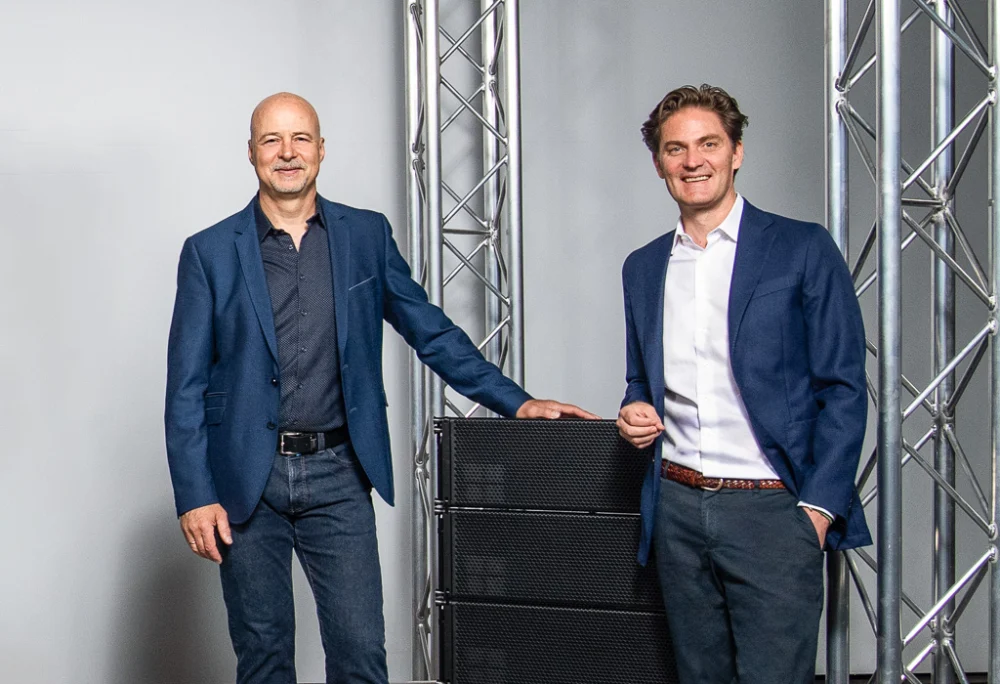
The d&b group, a global leader in professional audio technology and solutions, has officially completed a significant leadership transition marking the end of an era and the beginning of a new strategic chapter. After more than eleven years at the helm, Amnon Harman has stepped down as Chief Executive Officer, handing the leadership mantle to Jaakko Kaivonen. This transition, effective as of early 2026, follows a period of unprecedented growth for the company, which transformed from a specialized German manufacturer into a dominant global force in the performance audio and installation markets. As Harman transitions to a seat on the company’s Advisory Board, the appointment of Kaivonen signals a commitment to further international expansion, technological integration, and a focus on the burgeoning "experience economy."
Under Amnon Harman’s tenure, which began in 2014, d&b audiotechnik—the core of the d&b group—navigated multiple rounds of private equity investment while managing to preserve its distinct corporate culture, often referred to internally as the "d&b spirit." Financial data indicates that during this decade-plus period, the company’s revenue multiplied fourfold, driven by a shift in strategy from selling individual hardware components to providing comprehensive, integrated audio systems. Today, d&b stands as one of the top two players globally in the performance audio sector, specifically targeting the prestigious "Top 100" concert tours while maintaining a robust presence in the permanent installation market, which now accounts for approximately 40% of its total business.
A Chronology of Strategic Evolution
The journey from a regional manufacturer in Backnang, Germany, to a global market leader has been defined by several key milestones. In 2018, the company launched the SL-Series, a flagship line of line array systems including the GSL, KSL, and XSL. This series introduced sophisticated cardioid technology across the entire frequency range, a move that set a new industry standard for noise control on stage and improved clarity for audiences. Most recently, the introduction of the CCL (Compact Cardioid Line) has further solidified this technological lead, offering the market’s broadest palette of cardioid speakers.
Simultaneously, d&b expanded its software and processing capabilities. The 2018 introduction of d&b Soundscape represented a paradigm shift from traditional stereo mixing to object-based immersive audio. By integrating En-Scene (object-based positioning) and En-Space (room emulation), the company provided sound designers with the tools to create 360-degree acoustic environments. This technological roadmap has been a primary driver of the company’s growth in the installation sector, particularly in opera houses, theaters, and multi-purpose arenas that require high-fidelity, flexible audio solutions.
The transition to Jaakko Kaivonen comes at a time when the professional audio industry is facing rapid consolidation. In recent years, private equity firms have increasingly targeted the AV industry, leading to high-profile acquisitions such as Q-SYS (formerly QSC). While some industry veterans feared that such financial structures would lead to a loss of "soul" or "grit," the d&b management maintains that these investments have provided the capital necessary for the research and development required to stay ahead of the curve. Harman has stated that d&b views itself more as a "consolidator" in this maturing market rather than a target for acquisition, suggesting potential future moves to acquire niche technology firms that complement their existing ecosystem.
Operational Excellence and the New CTOO Role
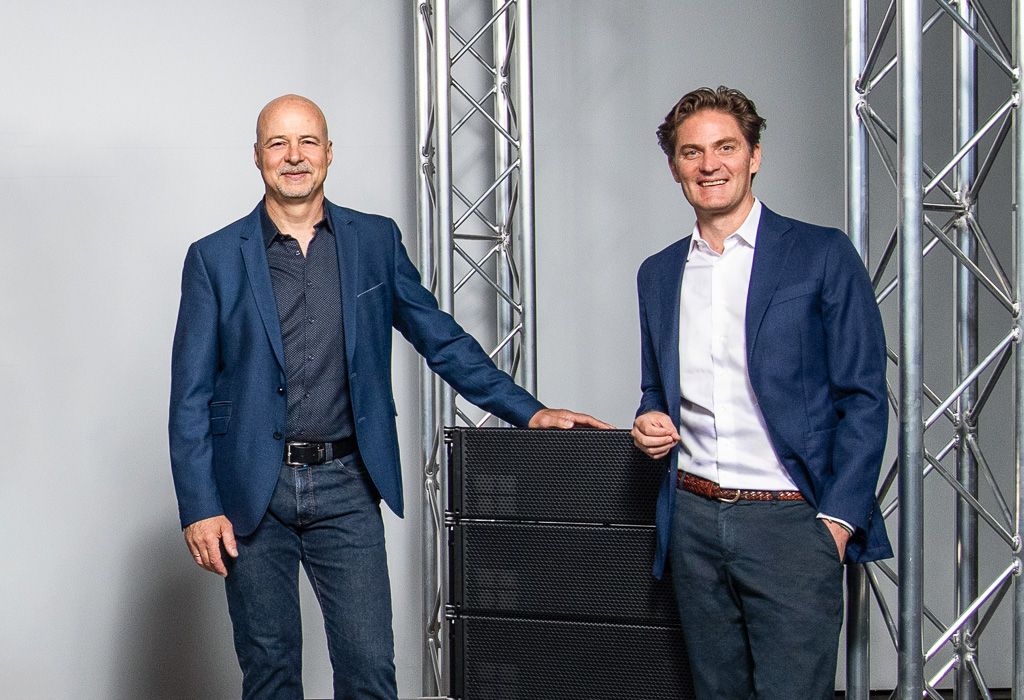
In late 2025, just prior to the CEO transition, the d&b group announced the appointment of Dr. Thilo Ittner as Chief Technology and Operating Officer (CTOO). This newly created role combines the responsibilities of a Chief Technology Officer and a Chief Operating Officer, a move designed to bridge the gap between visionary product development and the practicalities of global supply chain management.
Dr. Ittner joins d&b with a background in high-stakes industrial engineering, having previously held leadership positions at Voith and Elobau. His experience in the "off-highway" sector—designing components for heavy machinery and vehicles—is particularly relevant for the professional touring industry, where equipment must withstand extreme weather, constant transport, and rigorous mechanical stress. The integration of technology and operations under one executive is intended to streamline the "Total Cost of Ownership" (TCO) for customers. For d&b, TCO is not just a financial metric but a workflow philosophy; it encompasses the efficiency of rigging systems, the physical space required in transport trucks, and the speed of system deployment. In an era of rising logistical costs, these operational efficiencies have become as critical to a production’s bottom line as the audio quality itself.
Global Market Dynamics and Production Strategy
Despite its global reach, d&b group remains firmly rooted in its Southern German headquarters. Backnang continues to serve as the central hub for both research and development and production. While many competitors have moved manufacturing to lower-cost regions, Kaivonen and Harman emphasize that the "Made in Germany" label remains a cornerstone of their brand value, particularly in terms of reliability and precision engineering.
However, the geographical distribution of revenue has shifted significantly. The Americas now represent nearly one-third of the company’s business, fueled by the massive US entertainment market and steady growth in Latin America. The Middle East has also emerged as a high-growth region, particularly as Gulf nations invest heavily in iconic sporting arenas and cultural districts. These venues increasingly demand "rider-compliant" systems—audio setups that are universally accepted by world-class artists—allowing venue operators to host a diverse range of events from international summits to stadium concerts without replacing the house system.
Jaakko Kaivonen’s leadership is expected to focus on deepening these regional ties. "Our strategy has proven to be recession-resistant," Kaivonen noted during the transition period. "By focusing on high-quality customer service and technological leadership, we avoid becoming a commodity. The goal is to be closer to the market and even more responsive to the specific needs of regional partners."
Sustainability as a Core Business Metric
A significant portion of the leadership’s focus for 2026 and beyond is dedicated to environmental, social, and governance (ESG) goals. Long before European Union regulations mandated professionalized sustainability reporting, d&b was an early adopter of the Eco-Management and Audit Scheme (EMAS). The company’s approach to sustainability is built on the premise that high-quality, long-lasting products are inherently more sustainable than "throwaway" electronics.
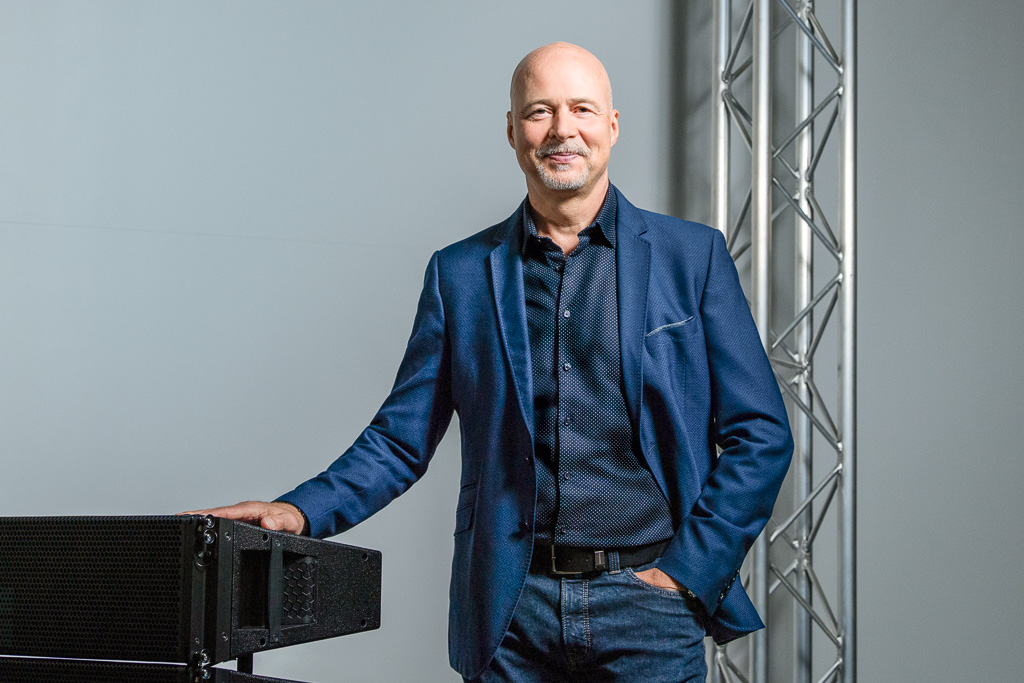
The Certified Pre-Owned (CPO) program is a prime example of this circular economy approach. By refurbishing and certifying used systems, d&b extends the product lifecycle, reduces waste, and provides a more accessible entry point for smaller venues. Furthermore, the company is focusing on energy efficiency, particularly in its amplification and processing units, which can represent a significant portion of a venue’s ongoing operational costs. Harman argued that sustainability is an "intrinsic motivation" for the company, viewing it as a duty to future generations rather than a mere compliance exercise. Kaivonen echoed this sentiment, emphasizing that reducing the physical footprint of systems also saves shipping containers and logistics-related carbon emissions, creating a win-win for the environment and the customer’s budget.
The Future of the Experience Economy
Looking toward the 2030s, the d&b management team identifies several technological "waves" that will redefine the industry. While lighting and video often command a larger share of production budgets, Harman maintains that audio is the primary driver of emotional engagement—the "goosebump factor."
The future roadmap for d&b involves the deeper integration of Artificial Intelligence (AI) and "Digital Twins." In the near future, it will be possible to capture the acoustic properties of a live performance in real-time, create a digital twin of that sound field, and reproduce it with perfect fidelity at a remote location or within a virtual reality environment. The virtualization of audio processing and the increase in continuous processing power will allow for even more sophisticated room-emulation, bringing the immersive experience of a cinema or a high-end theater to the "live arena" scale.
Jaakko Kaivonen enters his role as CEO with a clear mandate: to maintain the company’s "super-passionate" workforce while evolving the organizational structure to meet these digital challenges. The transition from Harman to Kaivonen is described by both as a "best-case scenario" of corporate succession, characterized by transparency and a shared vision. As the industry moves further into the "experience economy," where consumers prioritize high-quality live events over the ownership of physical goods, d&b’s focus on integrated systems and immersive storytelling positions it to remain at the forefront of the global audio landscape.
The legacy of the past eleven years has provided a stable platform of fourfold growth and technological innovation. Now, under the guidance of Kaivonen and the technological oversight of Ittner, the d&b group aims to prove that a mid-sized German manufacturer can not only survive the age of global consolidation but thrive by defining the very standards by which the world hears live sound. The leadership transition is not merely a change in personnel; it is a strategic pivot toward a future where audio is no longer just heard, but fully experienced.
