

Ars Electronica 2026 The Future Begins and the Evolution of a Global Digital Arts Ecosystem marks a pivotal milestone in the history of one of the world’s most influential platforms for the intersection of art, technology, and society. As the institution prepares to celebrate the 30th anniversary of the Ars Electronica Center and the Ars Electronica Futurelab, the upcoming year serves as both a retrospective of three decades of innovation and a forward-looking inquiry into the role of humanity in a hyper-technological age. Founded in 1996, the Center and its accompanying research laboratory transformed Ars Electronica from a seasonal festival into a year-round engine for cultural and scientific discourse. The 2026 program, headlined by the theme "The Future Begins" and the festival subtitle "Negotiating Humanity," signals a profound shift in how the organization engages with the public, moving its primary operations into the heart of Linz’s urban center to foster a more direct democratic dialogue.
Historical Context and the Three Pillars of Ars Electronica
To understand the significance of the 2026 anniversary, one must look back to the origins of the organization. Ars Electronica was launched in 1979 as a biennial festival focused on the burgeoning field of electronic music and media art. At the time, Linz was primarily known as a heavy-industrial steel city; the festival was a radical attempt to reimagine the city’s identity through the lens of the digital revolution. In 1987, the Prix Ars Electronica was introduced, creating a prestigious international competition that became the "Oscars" of media art, attracting thousands of entries from across the globe.
The most transformative year, however, was 1996. The opening of the Ars Electronica Center—often called the "Museum of the Future"—and the establishment of the Futurelab allowed the organization to move beyond event management and into the realm of active research and permanent education. Over the last 30 years, this ecosystem has facilitated high-level collaborations with global entities such as CERN, the European Space Agency (ESA), and the MIT Media Lab’s Tangible Media Group. It has hosted landmark presentations of emerging technology, ranging from Honda’s humanoid robot ASIMO in the early 2000s to more recent experiments in generative linguistics, such as the "GPT-2: Sprachfelder" installation developed in collaboration with OpenAI. This trajectory illustrates a move from simply showcasing technology to critically analyzing its societal implications.
Negotiating Humanity: The 2026 Festival Theme
The 2026 festival theme, "Negotiating Humanity," arrives at a time when the boundary between biological and synthetic existence is increasingly blurred. Organizers have indicated that the theme is a response to the "pervasive uncertainty" of the mid-2020s, characterized by the rapid integration of Large Language Models (LLMs) into daily life, the escalating climate crisis, and shifting geopolitical alliances.
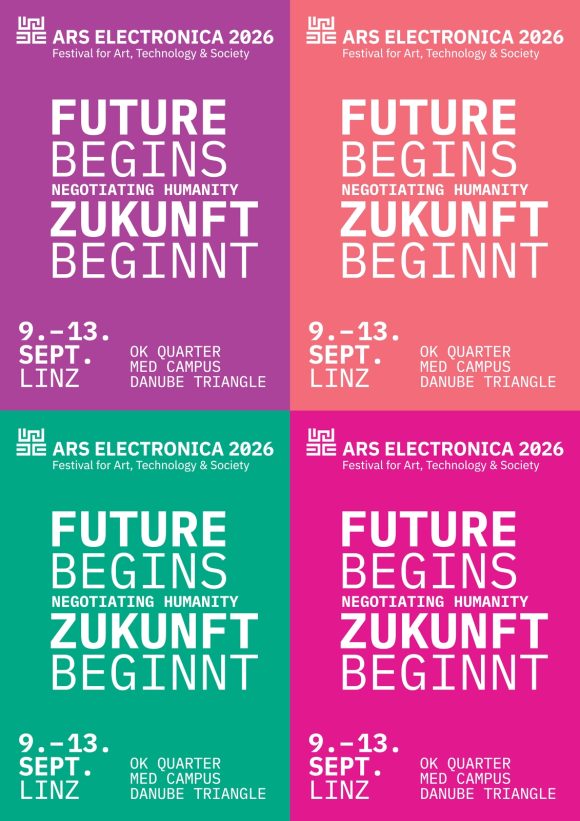
The festival seeks to redefine "the future" not as a distant chronological destination, but as a "possibility space" that must be actively negotiated. This negotiation involves questioning the ethical frameworks of Artificial Intelligence, the equity of digital access, and the responsibility of the individual within a global network. By framing the future as something that "begins" now, Ars Electronica emphasizes agency over determinism. The 2026 edition aims to serve as a platform where artists, scientists, and the public can debate the parameters of what it means to be human in the 21st century.
A New Urban Strategy: The Shift to the City Center
For several years, the Ars Electronica Festival utilized large-scale industrial spaces, most notably the "POSTCITY"—a massive, decommissioned postal logistics center near the Linz main station. While these locations provided a "tabula rasa" for experimental art, the 2026 festival marks a strategic return to the urban core. The decision to make the Linz city center the primary stage for the festival is intended to lower the threshold for public participation and integrate the discourse into the daily life of the citizenry.
The festival will be structured around three primary "hubs":
The OK Quarter (Central Hub)
The OK Quarter will serve as the neurological center of the festival, housing the primary thematic exhibitions and symposia. This area will utilize a "curated city walk" format, turning storefronts, public squares, and galleries into a cohesive narrative path. This approach mirrors the "Digital Humanism" movement, which argues that technology should be integrated into the human environment rather than existing in isolated silos.
The Med Campus
Focusing on the synergy between art and the life sciences, the Med Campus will host interactive formats designed for cross-generational experimentation. This hub will likely feature works related to bio-art, CRISPR technology, and medical visualization. It represents the "wetware" side of the festival, exploring how technology is literally entering the human body and altering our biological reality.

The Danube Triangle
Centering on the Ars Electronica Center and the Main Square (Hauptplatz), the Danube Triangle will focus on high-tech presentations. A major highlight will be the "Futurelab Night," showcasing the latest research from the institution’s in-house laboratory. This hub will also feature new immersive experiences in the "Deep Space 8K," a unique venue that offers 16×9 meter wall and floor projections at 8K resolution, allowing for unprecedented levels of visual immersion.
Technological Highlights and Immersive Simulation
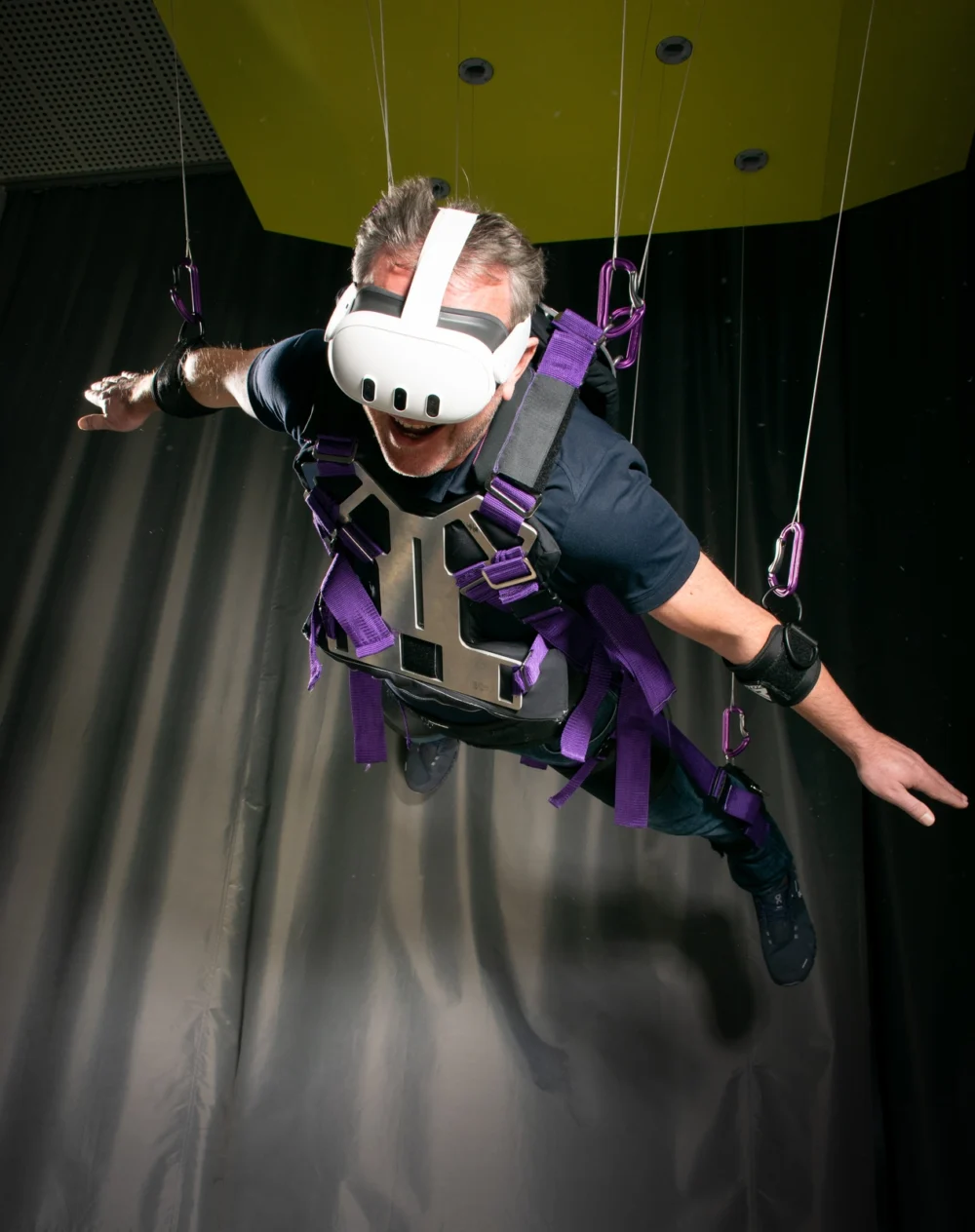
One of the most anticipated technological showcases for 2026 is the "WingSim," described as the world’s first high-immersion wingsuit flight simulator. Unlike traditional virtual reality setups, the WingSim aims to dissolve the boundary between simulation and physical reality by integrating physical resistance, wind feedback, and high-fidelity spatial audio. The project serves as a case study for the festival’s broader inquiry into "perception": if a simulation is indistinguishable from reality, how does that change our cognitive understanding of the world?
Furthermore, the 2026 program will revisit the institution’s history with Artificial Intelligence. Building on the "GPT-2: Sprachfelder" project, new installations are expected to explore the evolution from simple generative text to "Agentic AI"—systems capable of making autonomous decisions. The festival will provide a critical space to analyze whether these systems are tools for human empowerment or precursors to a post-human era.
Key Events and the Prix Ars Electronica
The 2026 festival schedule is anchored by several high-profile events that draw an international audience of curators, tech executives, and government officials.
- Opening Ceremony (September 9, 2026): Held at the Mariendom (St. Mary’s Cathedral), the opening will feature the Bruckner Orchester Linz conducted by Markus Poschner. This event traditionally blends classical orchestration with electronic intervention, symbolizing the bridge between European cultural heritage and the digital future.
- The Award Ceremony: Located at the Design Center Linz, this gala honors the winners of the Prix Ars Electronica. Categories such as "Artificial Intelligence & Life Art" and "Digital Musics" highlight the diverse ways in which creators are utilizing new tools.
- The Concert Night: Taking place at the Posthof, this event focuses on the sonic frontiers of technology, featuring performances that range from algorithmic composition to bio-feedback music.
Data and Global Impact
The scale of Ars Electronica’s influence is reflected in its operational data. On average, the festival attracts over 100,000 visits from more than 100 countries. The Prix Ars Electronica receives upwards of 3,000 entries annually from 80+ nations, making it a comprehensive barometer for global creative trends.
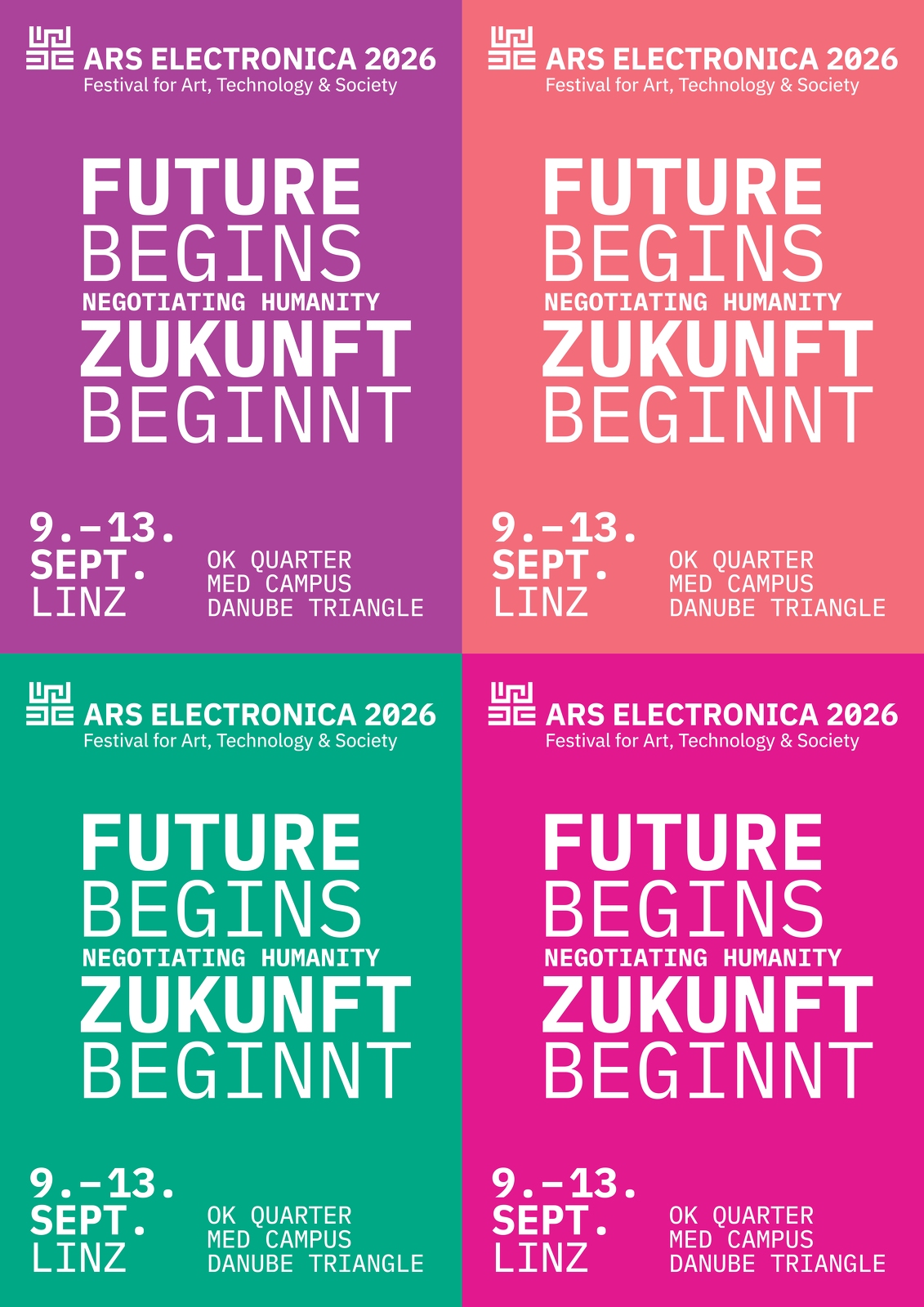
Economically, the institution has been a cornerstone of Linz’s "City of Media Arts" designation by UNESCO. The Ars Electronica Futurelab functions not only as an artistic studio but as a R&D partner for global corporations. Its "Spaxels" project (autonomous drone swarms), for instance, revolutionized large-scale light shows and was utilized in Super Bowl halftime shows and global product launches, demonstrating how artistic research translates into commercial and technological standards.
Analysis: Implications for the Future of Media Arts
The 2026 anniversary is more than a celebration of longevity; it is a critical assessment of the "Ars Electronica Model." By maintaining a permanent museum and a research lab alongside an annual festival, the organization has created a self-sustaining loop of innovation. The 2026 focus on "Negotiating Humanity" suggests that the institution is moving away from the "techno-optimism" of the 1990s toward a more cautious, "techno-realist" stance.
The shift toward urban integration reflects a growing global trend in "Smart Cities" where the goal is to make technology invisible but ubiquitous. However, Ars Electronica’s approach is counter-intuitive: it seeks to make the technology visible and debatable. By placing complex AI installations in the middle of a shopping district, the festival forces a confrontation between the "black box" of technology and the "public square" of democracy.
Conclusion
As Ars Electronica approaches its 30th anniversary in 2026, it remains a rare example of an institution that successfully bridges the gap between the avant-garde and the mainstream. The theme "The Future Begins" serves as a reminder that the digital transformation is not a finished event but an ongoing process. Through its new urban hubs, international collaborations, and the "Negotiating Humanity" discourse, Ars Electronica 2026 will likely set the agenda for the next decade of digital culture. The festival stands as a testament to the idea that in an age of automation, the most important "technology" remains the human capacity for critical thought, ethical judgment, and creative expression.
