

The global independent music sector has undergone a radical transformation over the past decade, shifting from a fringe element of the recording industry to a dominant force that generated an estimated $1.2 billion in revenue in recent years. As the barriers to entry for recording and distribution have collapsed, the primary challenge for the modern independent artist has transitioned from production to visibility. In an era where over 100,000 tracks are uploaded to streaming platforms daily, professional networking and cross-disciplinary collaboration have emerged not merely as supplemental activities but as essential components of a sustainable career architecture. The following analysis examines the strategic frameworks through which independent musicians can leverage local ecosystems, digital infrastructure, and community engagement to catalyze growth and market penetration.
The Economic Imperative of Professional Networking
The modern music industry operates on a model of decentralized influence. While major labels previously held a monopoly on "gatekeeping," the current landscape is defined by "niche-building." For the independent musician, networking serves as a mechanism for resource sharing, cost reduction, and audience aggregation. By forming strategic alliances, artists can mitigate the high costs of marketing and touring while gaining access to "lookalike" audiences—fan bases with similar tastes who are likely to convert into new listeners.
Industry data suggests that collaborative releases often see a 20% to 30% higher engagement rate on streaming platforms compared to solo releases, primarily due to the "algorithmic multiplier effect." When two artists collaborate, the platforms’ recommendation engines deliver the content to both sets of followers, effectively doubling the initial reach without additional capital expenditure.
Strategic Integration into Local Interdisciplinary Ecosystems
The traditional "music scene" is increasingly being replaced by broader "creative clusters." For the independent musician, limiting networking efforts to other musicians represents a missed opportunity for market diversification. Local art galleries, independent theaters, and spoken-word collectives offer fertile ground for what sociologists call "trans-disciplinary innovation."
In these environments, music serves as a functional component of a larger aesthetic experience. For instance, the collaboration between a sound artist and a visual sculptor for a gallery installation creates a unique value proposition that appeals to both art collectors and music enthusiasts. Furthermore, independent theater companies frequently require original compositions for productions, providing musicians with sync-licensing-style opportunities and credit on professional portfolios. These local interactions often serve as the first stage in a career chronology, establishing a foundational reputation before an artist attempts to scale to national or international levels.
Institutionalized Knowledge Exchange and the Feedback Collective Model
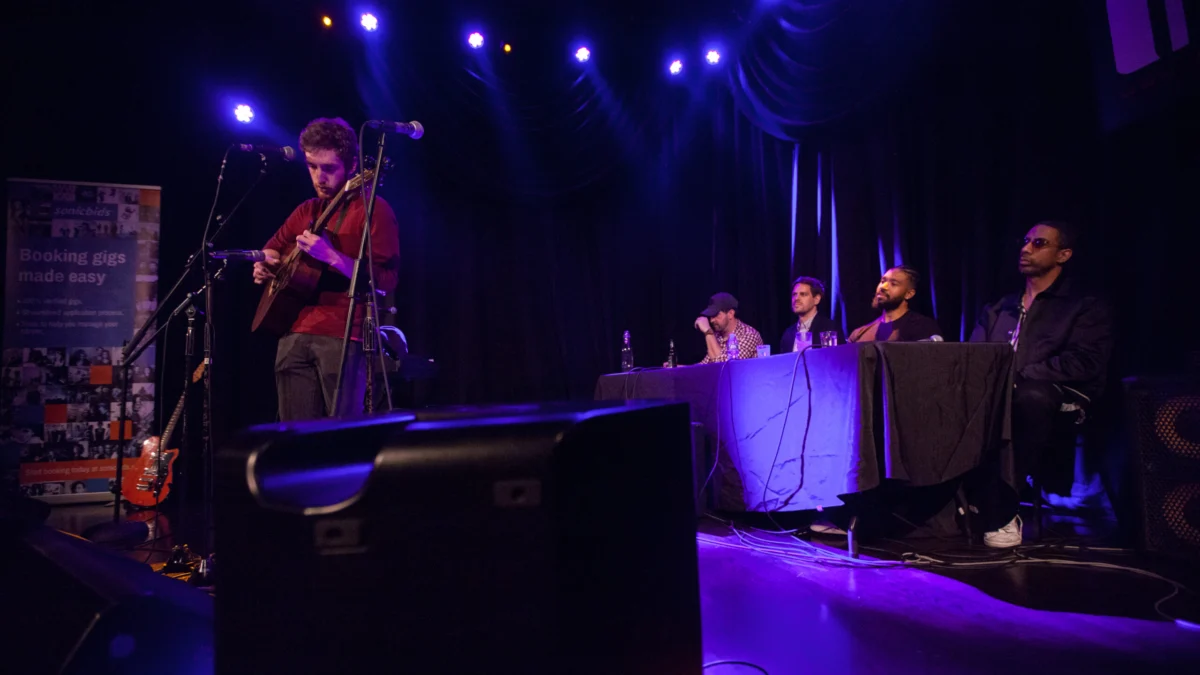
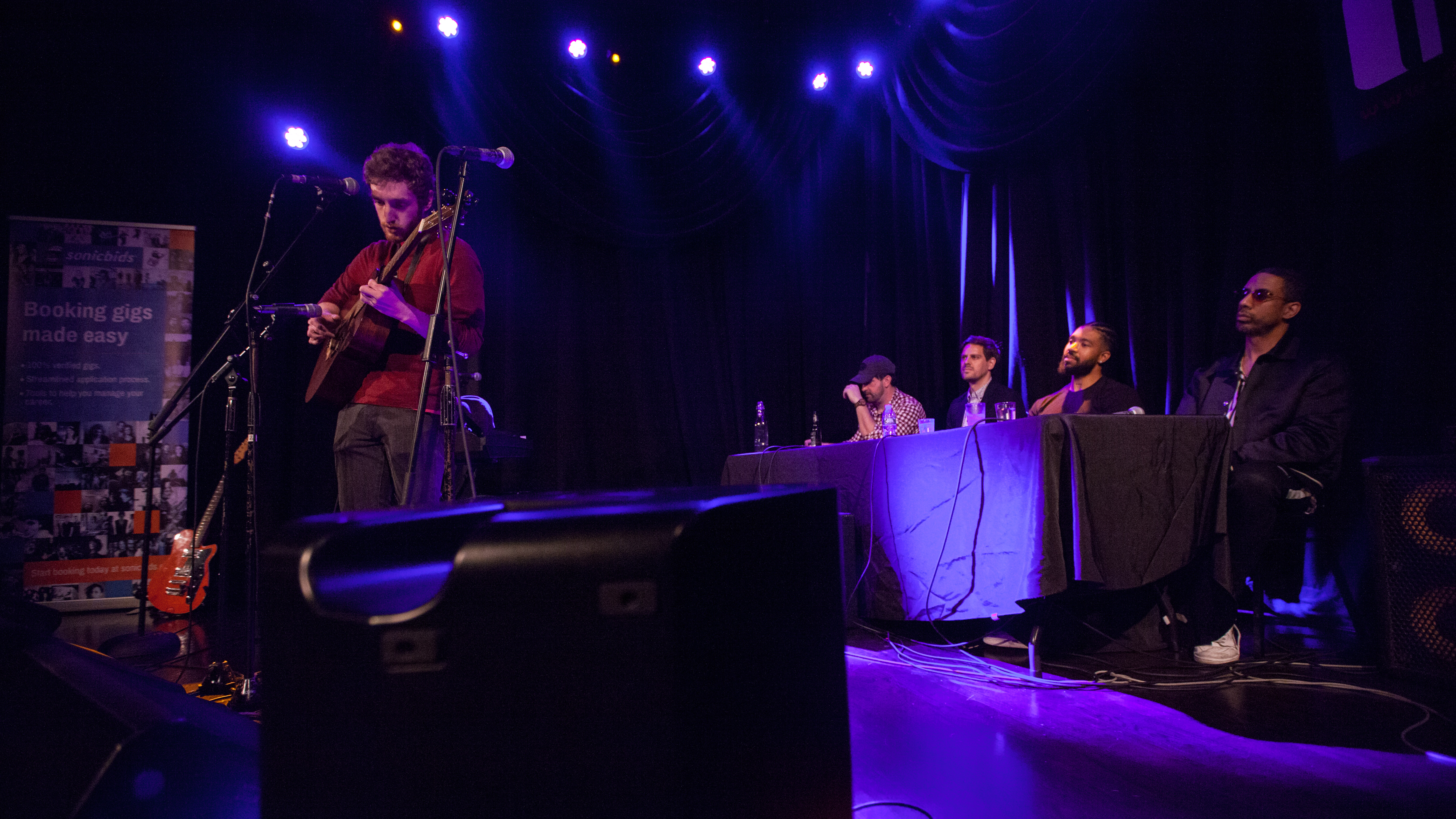
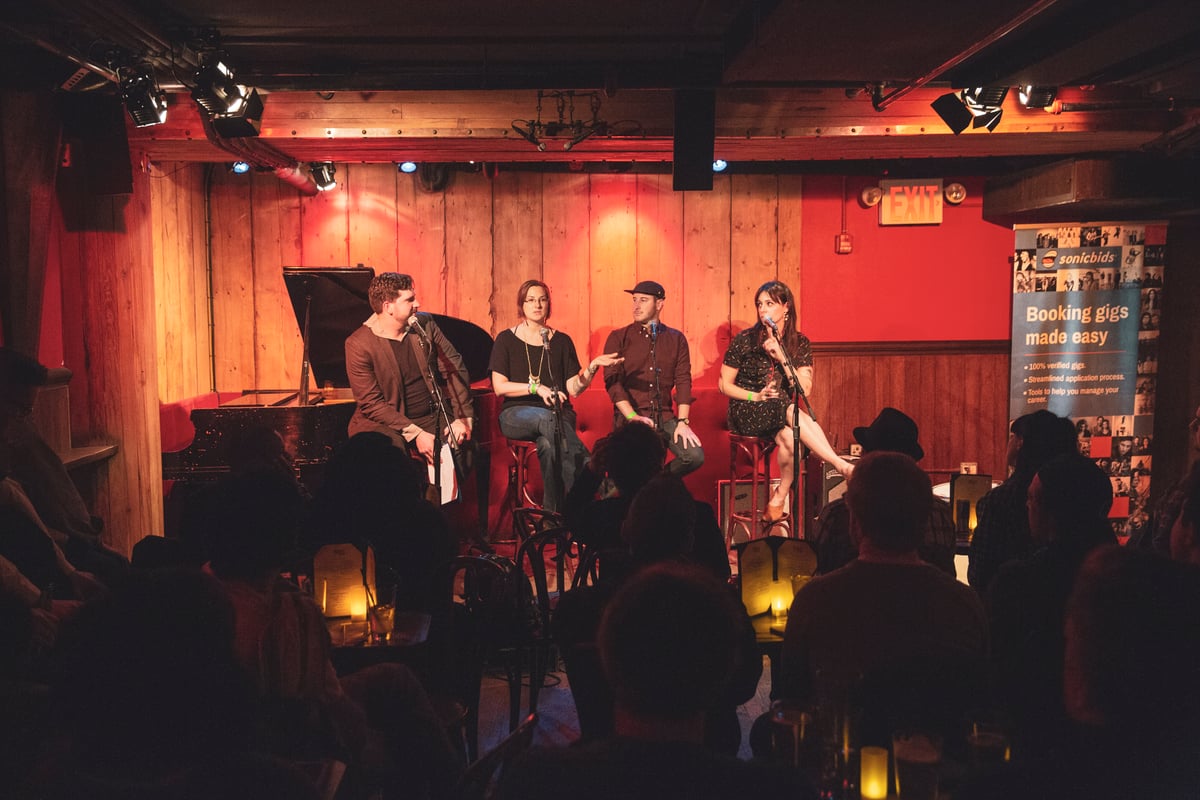
The emergence of structured peer-review sessions and workshops has introduced a formal element to the traditionally informal process of musical networking. Organizations such as Sonicbids have pioneered initiatives like the "Feedback Collective," a series of panel discussions and songwriting workshops designed to bridge the gap between creative output and industry standards.
These sessions provide a dual benefit. First, they offer direct access to industry professionals who provide objective critiques of an artist’s work. Second, they create a "neutral ground" where musicians can interact without the pressure of a performance environment. Historically, the timeline of a successful independent career often includes a "pivotal workshop" or "industry seminar" where a key introduction was made. By hosting or participating in these events, musicians position themselves within a professional hierarchy that values skill development and institutional knowledge over mere social presence.
The Evolution of Digital Collaborative Infrastructure
While mainstream social media platforms like Instagram and TikTok are vital for fan engagement, they are often suboptimal for deep professional collaboration. Consequently, a secondary tier of specialized platforms has risen to prominence. Services such as BandLab, SoundCloud, and Splice have shifted the focus from "content consumption" to "co-creation."
BandLab, in particular, has seen explosive growth by providing a cloud-based Digital Audio Workstation (DAW) that allows musicians in different geographical locations to work on the same project file in real-time. This "frictionless collaboration" model has significant implications for the global music economy. It allows a producer in London to collaborate with a vocalist in Tokyo and a mixing engineer in Nashville without the logistical costs of travel.
A fact-based analysis of digital trends indicates that "remix culture" and "open-source stems" are becoming standard marketing tools. Artists who release the individual components of their tracks for others to rework are seeing higher levels of "earned media"—publicity gained through organic sharing and fan interaction rather than paid advertising.
The Festival Economy and the Role of Strategic Volunteering
Music festivals represent a concentrated micro-economy of the industry. For the emerging artist, the barrier to performing at major festivals is high, yet the networking potential within the festival perimeter is unparalleled. Strategic volunteering—specifically in areas like artist relations, production, or backstage management—provides a "backstage pass" to the industry’s inner workings.
This approach follows a logical chronology:
- The Entry Phase: The artist serves in a support role, observing the logistical and technical requirements of large-scale productions.
- The Interaction Phase: Through professional conduct during shifts, the artist builds rapport with stage managers, booking agents, and touring musicians.
- The Conversion Phase: These contacts are later leveraged for opening slots, tour support, or industry referrals.
Industry veterans often cite "lateral networking"—building relationships with peers who are at the same career level—as more effective than "upward networking." The volunteer who becomes a production assistant today may be the festival booker of tomorrow.
Audience-Centric Growth and the Co-Creation Model
One of the most overlooked assets in an artist’s network is their existing fanbase. The "1,000 True Fans" theory, popularized by Kevin Kelly, posits that an artist does not need a mass-market audience to be successful; they only need a dedicated core of supporters. In the modern context, this relationship has evolved from a one-way broadcast to a two-way dialogue.

Independent musicians are increasingly using data-driven tools such as surveys, Discord servers, and Patreon polls to involve their audience in creative decisions. This "co-creation" model—where fans might vote on which artist a musician should collaborate with next—serves two functions. It ensures a pre-built market for the resulting product and strengthens the emotional investment of the fan base. When a fan suggests a collaborator and that collaboration comes to fruition, the fan becomes a brand advocate, significantly increasing the "organic reach" of the project.
Chronological Framework for Career Networking Development
For an independent musician to successfully implement these strategies, a structured timeline is required:
- Phase 1 (Months 1-6): Focus on local immersion. Attend at least two non-music art events per month and establish a presence at local workshops or jam sessions.
- Phase 2 (Months 6-12): Digital expansion. Identify 5-10 "peer-level" artists on collaborative platforms and initiate low-stakes projects (remixes or guest verses).
- Phase 3 (Year 2): Institutional engagement. Apply for volunteer positions at regional festivals and seek out formal feedback through industry panels.
- Phase 4 (Year 3 and beyond): Scaling. Leverage the gathered contacts and data from collaborative releases to pitch for larger distribution deals or international touring opportunities.
Broader Impact and Industry Implications
The shift toward a collaborative-heavy independent model has profound implications for the wider music industry. First, it challenges the traditional "A&R" (Artists and Repertoire) model. Labels are no longer looking for "raw talent" to develop; they are looking for "proven networks." An artist who comes to the table with a history of successful collaborations, a high engagement rate on niche platforms, and a clear understanding of their local and digital ecosystem is a much lower risk for investment.
Second, this movement is democratizing the "sound" of modern music. As artists from disparate genres—such as the rock guitarist and jazz saxophonist mentioned in the original context—find easier ways to connect, we are seeing the rise of "micro-genres" that defy traditional categorization. This diversity is reflected in the diversifying playlists of major streaming services, which are increasingly favoring "mood-based" or "genre-fluid" content.
Finally, the emphasis on community and networking serves as a vital safeguard against the mental health challenges often associated with the "solitary artist" trope. By fostering a sense of belonging within a creative community, musicians build a support system that provides both professional opportunities and emotional resilience.

In conclusion, networking for the independent musician has moved beyond the "handing out business cards" stage. It is now a sophisticated exercise in community building, digital literacy, and strategic cross-pollination. Those who master these collaborative frameworks are not just making music; they are building an enduring professional infrastructure in a rapidly evolving global marketplace. The future of the music industry is not found in the isolation of the studio, but in the strength of the network.
