

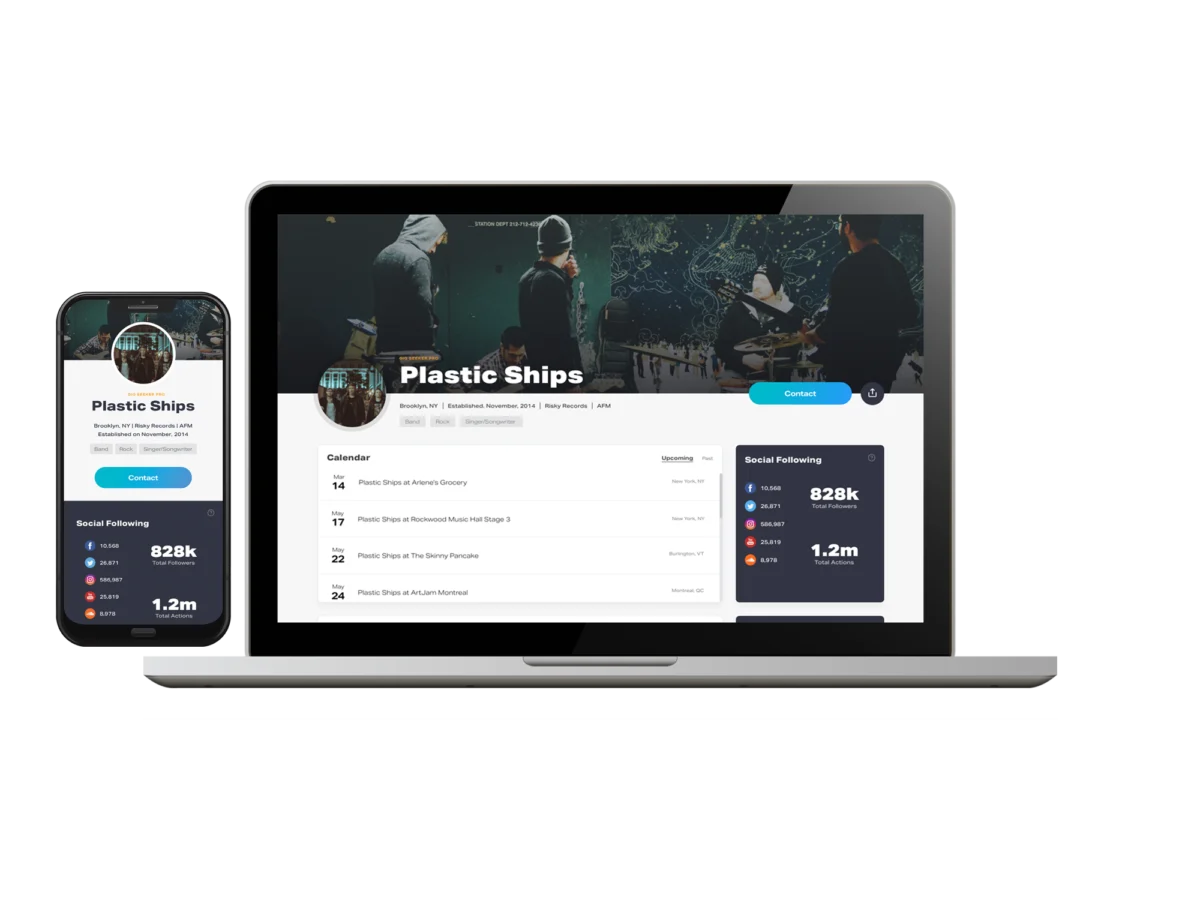
In the contemporary music landscape, the transition from physical media to digital dominance has fundamentally altered how artists interact with the industry, positioning the Electronic Press Kit (EPK) as an indispensable asset for professional advancement. As independent artists increasingly assume the roles of manager, booking agent, and publicist, the ability to present a cohesive and professional identity has become a prerequisite for success. The EPK serves as a centralized digital resume, designed to provide talent buyers, journalists, and record labels with a comprehensive overview of an artist’s brand, sound, and commercial viability. In an era defined by information saturation, the efficiency and clarity provided by a well-structured EPK can be the determining factor in securing high-profile bookings and media coverage.
The Evolution of the Press Kit: A Historical Context
The concept of the press kit is not a new phenomenon, but its format has undergone a radical transformation over the last three decades. During the late 20th century, independent artists and labels relied on physical "press packs." These typically consisted of a glossy 8×10 promotional photograph, a printed biography, a physical demo tape or CD, and a folder of photocopied press clippings. These kits were expensive to produce and cumbersome to distribute, often requiring significant postage costs and manual delivery to radio stations and venues.
The digital revolution of the early 2000s marked a pivotal shift in this methodology. In 2001, the launch of platforms like Sonicbids revolutionized the industry by standardizing the digital submission process. This shift allowed artists to host their materials online, providing a link rather than a package. This transition was not merely a matter of convenience; it democratized access to industry gatekeepers. By 2010, the "EPK" had become the industry standard, and physical submissions were largely phased out by major festivals and mid-to-large-tier venues. Today, the EPK has evolved further, integrating streaming data, social media metrics, and high-definition video content to provide a real-time snapshot of an artist’s trajectory.
Core Components of a Professional EPK
A functional EPK is defined by its ability to provide maximum information with minimum friction. Industry professionals, who may review hundreds of submissions daily, prioritize kits that are organized logically. The essential elements of a modern EPK include:
- Professional Biography: This section typically includes a "short bio" (one paragraph for quick reads) and a "long bio" (detailing the artist’s history and vision). A compelling narrative is essential for journalists looking for a "hook" for their stories.
- High-Resolution Imagery: Professional photography, including both portrait and landscape orientations, is required. These images must be available for download in high resolution for print and web use.
- Curated Audio and Video: Rather than providing a full discography, a successful EPK features the artist’s strongest tracks and high-quality live performance videos. Video content is particularly critical for booking agents who need to assess an artist’s stage presence.
- Press and Testimonials: Quotes from reputable music blogs, newspapers, or radio personalities provide third-party validation, which is a key component of social proof in the music business.
- Technical Requirements: For touring artists, the inclusion of a "Tech Rider" and "Stage Plot" is vital. This technical data ensures that venue sound engineers are prepared for the artist’s specific setup, reflecting a high level of professionalism.
Supporting Data: The Impact of Digital Saturation
The necessity of an EPK is underscored by the sheer volume of content currently entering the global market. According to 2023 industry reports from Luminate, more than 120,000 new tracks are uploaded to digital streaming platforms (DSPs) every day. For an independent artist, the "signal-to-noise" ratio is a significant barrier to entry.
Data suggests that talent buyers at mid-sized venues (500–1,000 capacity) receive an average of 50 to 100 unsolicited booking inquiries per week. Interviews with industry professionals indicate that the average "first look" at a submission lasts approximately six to ten seconds. If a booking agent cannot find a link to music or a live video within that window, the submission is frequently discarded. An EPK mitigates this risk by providing a standardized, easily navigable interface that respects the time constraints of industry professionals.
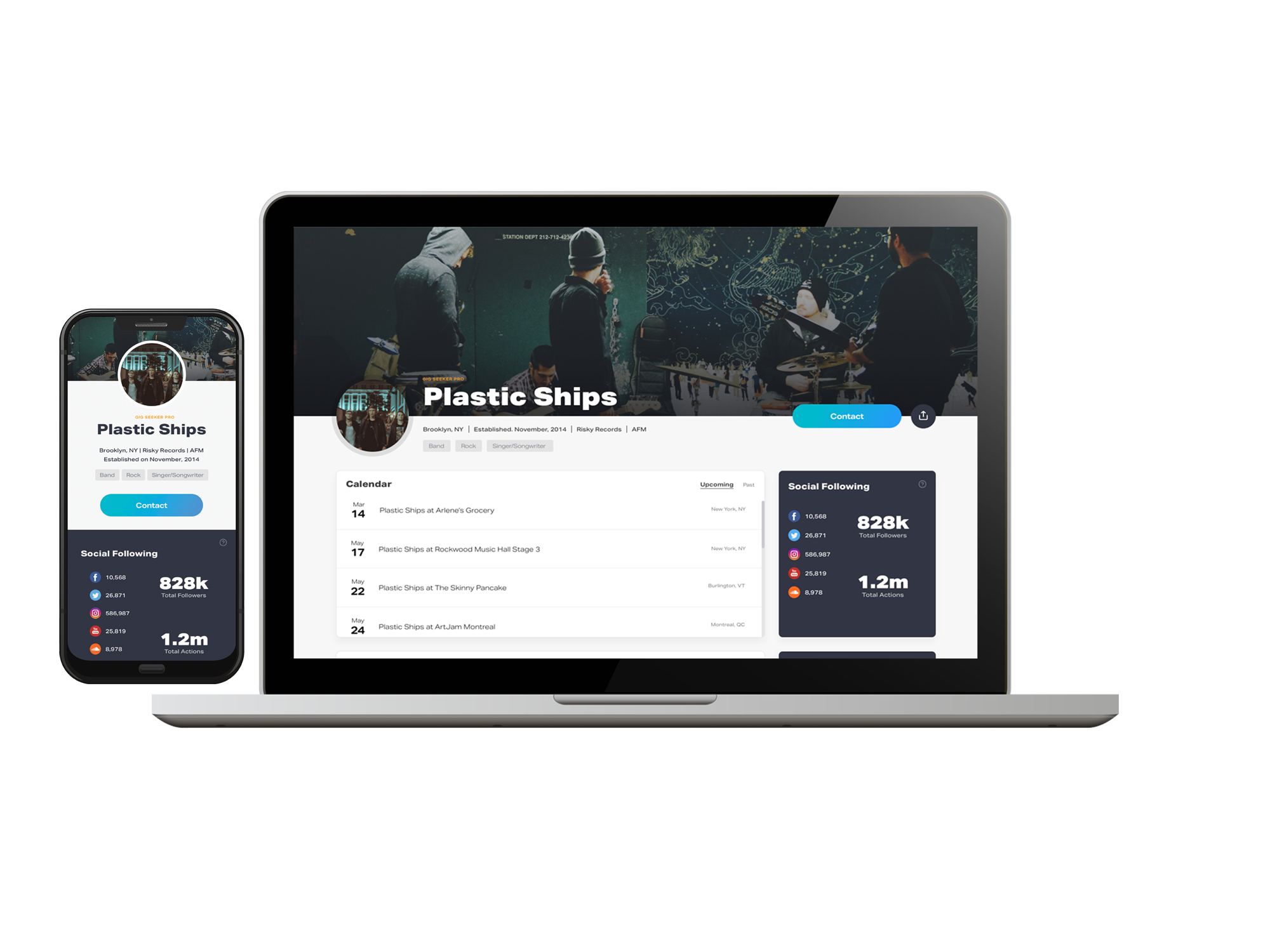
Furthermore, the integration of streaming metrics within an EPK has become a vital data point. For instance, an artist demonstrating a 20% month-over-month growth in monthly listeners on Spotify or a high engagement rate on TikTok provides tangible evidence of "market pull," making them a lower-risk investment for promoters and festival organizers.
Industry Perspectives and Official Responses
Professional sentiment regarding the EPK is nearly unanimous among industry gatekeepers. Sarah Jenkins, a senior talent buyer for several independent festivals, notes that the absence of an EPK is often viewed as a lack of professional readiness. "When we are scouting for a festival lineup, we look for artists who make our jobs easier," Jenkins stated in a recent industry panel. "An artist who sends a link to a polished EPK with a downloadable photo and a clear tech rider is five times more likely to be considered than someone who sends five different links to various social media profiles and a SoundCloud page."
Similarly, music journalists emphasize the utility of the EPK for deadline-driven reporting. Publicists argue that the EPK is the "calling card" of the digital age. Without a centralized location for assets, artists risk being misrepresented or overlooked entirely. The consensus among the "Big Three" labels—Universal, Sony, and Warner—remains that even in the age of viral social media hits, a professional press kit is required once an artist enters the formal negotiation or developmental phase.
Broader Impact and Implications for the Independent Sector
The adoption of the EPK has broader implications for the "creator economy" within the music industry. It represents a shift toward a data-driven, professionalized independent sector. No longer reliant on traditional labels to act as intermediaries, independent artists use EPKs to build direct relationships with global stakeholders.
- Global Accessibility: Because an EPK is hosted online, it is accessible 24/7 across all time zones. This is particularly relevant for the "export" market, where an artist in one country may be seeking representation or bookings in another. The digital nature of the kit removes geographical barriers to entry.
- Credibility and Brand Perception: In the music industry, perception often dictates reality. A polished EPK signals to the industry that an artist is a "serious" entity with a business mindset. This psychological factor can lead to higher performance fees and better contract terms.
- Dynamic Career Tracking: Unlike physical media, an EPK is a living document. It allows for the immediate inclusion of new milestones, such as a song placement in a television show or a sold-out tour date. This ensures that the artist’s "pitch" is always current, reflecting their most recent successes.
Analysis of the Future of Music Promotion
As artificial intelligence and machine learning begin to influence talent scouting, the structure of the EPK may evolve to become more "machine-readable." We are already seeing the emergence of platforms that use algorithms to scrape EPKs for specific keywords and metrics to suggest artists to festival promoters. In this context, the EPK is not just a tool for human review but a data source for the automated systems that are increasingly managing industry workflows.
The professionalization of the independent artist is no longer optional. With the decline of the traditional A&R (Artists and Repertoire) model, where labels would discover and "break" artists from scratch, the burden of proof has shifted to the creator. The EPK is the primary vehicle for this proof. It consolidates the artistic vision with commercial data, creating a compelling case for why an artist deserves a place on a stage, a radio playlist, or a record label roster.
Conclusion
The Electronic Press Kit remains a cornerstone of the modern music industry’s infrastructure. By providing a concise representation of artistry, simplifying communication, boosting credibility, and offering a platform for continuous growth, it serves as a critical bridge between creative output and commercial opportunity. For the independent artist, the investment in a professional EPK is an investment in the legitimacy of their career. As the industry continues to evolve toward a more digital and data-centric model, the importance of a centralized, professional, and accessible press kit will only continue to intensify. In the competitive world of music, where talent is abundant but opportunity is scarce, the EPK is the essential tool that ensures an artist’s voice is not only heard but recognized.
