

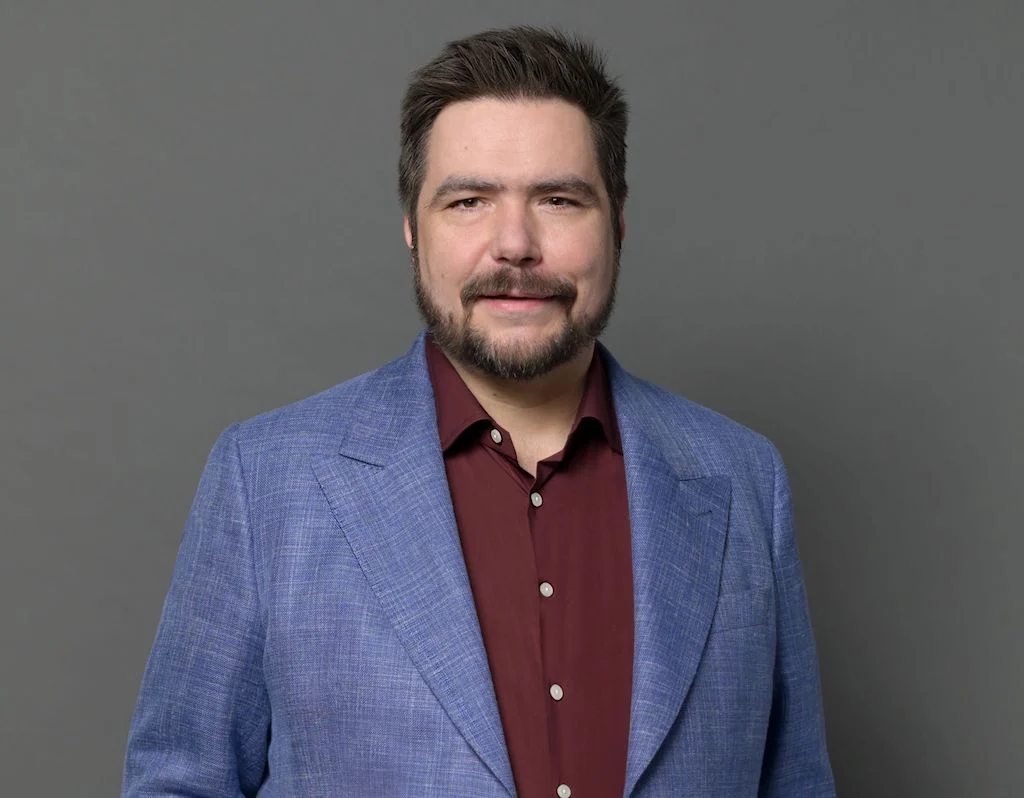
The Studieninstitut für Kommunikation, in a strategic partnership with the fwd: Bundesvereinigung Veranstaltungswirtschaft e.V., has announced the relaunch of its specialized "Project Management for the Event Industry" certificate course, scheduled to begin on May 13, 2026. This professional development program is designed to address the increasing complexity of the global event landscape, offering a curriculum that bridges the gap between creative conception and rigorous operational execution. As the industry faces a tightening regulatory environment and evolving audience expectations, this course aims to equip professionals from marketing, sales, and corporate communication sectors with the technical and managerial skills required to lead large-scale projects such as international trade fairs, music festivals, and high-stakes corporate congresses.
The Evolution of Project Management in the German Event Economy
The German event industry, traditionally a cornerstone of the national economy and a global leader in the trade fair sector, has undergone a profound transformation over the last decade. The shift toward hybrid formats, the integration of sophisticated event technology, and a heightened focus on sustainability have redefined the role of the event manager. No longer merely a logistical coordinator, the modern project manager must function as a strategic leader capable of navigating legal frameworks, digital marketing landscapes, and complex safety protocols.
The partnership between the Studieninstitut für Kommunikation and fwd: (the Federal Association of the Event Industry) reflects a commitment to standardizing these competencies. By combining academic rigor with industry-first practical insights, the course provides a structured pathway for professionals to validate their expertise. The 2026 iteration of the program arrives at a critical juncture where the industry is grappling with a shortage of qualified senior personnel and an increasingly litigious environment regarding public safety and labor laws.
Curriculum Structure and Educational Methodology
The "Project Management for the Event Industry" course is structured as a hybrid learning experience, blending four days of intensive in-person instruction in Düsseldorf with four live online training sessions and flexible self-study phases. This format is specifically tailored to the schedules of working professionals, allowing for immediate application of learned concepts to ongoing workplace projects. The curriculum is divided into several core modules, each addressing a pillar of modern event management:
- Conception and Direction: Moving beyond basic ideation to create cohesive narratives and attendee journeys that align with corporate objectives.
- Trade Fair Systems and Logistics: Navigating the technical requirements of large-scale exhibitions, including supply chain management and venue coordination.
- Legal and Social Media Integration: Understanding the contractual obligations of event hosting while leveraging digital platforms to enhance audience engagement and brand reach.
- Event Safety and Risk Management: A comprehensive deep dive into the legal and practical requirements of ensuring participant well-being.
The program limits enrollment to 20 participants per cohort, ensuring a high level of individual attention and fostering a networking environment among peers from diverse sectors of the communication industry.
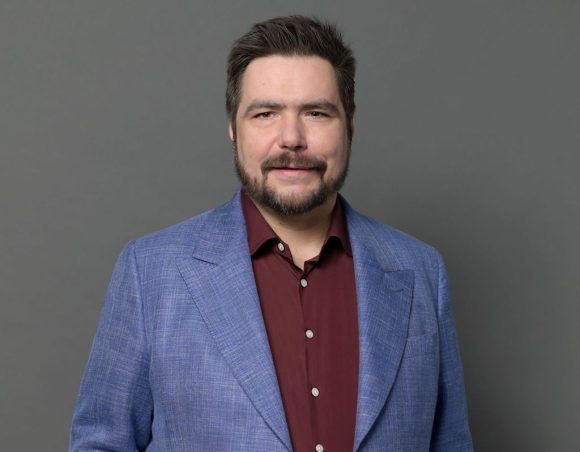
The Strategic Role of Safety: Insights from Florian Bollig
A central component of the 2026 curriculum is the module on event safety, led by Florian Bollig, the Managing Director of Vasibeko GmbH. In an industry where a single oversight can lead to catastrophic reputational and legal consequences, the "Event Safety Basics" block is positioned as a fundamental rather than an auxiliary subject.
In an interview regarding the course objectives, Bollig emphasizes that safety is a driver of quality rather than a bureaucratic hurdle. "Safety is not an additional or annoying topic in the planning and implementation of an event; it is reflected in all processes and decisions of a project," Bollig stated. He argues that high-quality safety planning enhances the overall reliability and efficiency of an event, allowing organizers to identify and mitigate potential disruptions long before they manifest on-site.
The safety module covers the legal foundations of visitor safety and occupational health and safety (Arbeitsschutz). Participants are taught the principles of delegating rights and duties—a critical skill for senior managers who must assign responsibility within large teams. Furthermore, the course delves into risk assessment methodologies, scenario planning for emergencies, fire protection, and first-aid coordination. By moving from theoretical frameworks to practical "reflection phases," Bollig encourages participants to analyze real-world examples from their own professional backgrounds, ensuring that the transfer of knowledge is both immediate and relevant.
Industry Context: Why Safety and Professionalism Matter in 2026
The emphasis on safety within the Studieninstitut’s curriculum is supported by broader industry data. In Germany, the Versammlungsstättenverordnung (VStättVO) or the Ordinance on Places of Public Assembly, sets strict standards for event venues and temporary structures. As these regulations become more stringent in response to global climate challenges and shifting security landscapes, the demand for certified safety experts within project management teams has surged.
Data from the event industry suggests that projects with integrated safety and risk management protocols see a significant reduction in insurance premiums and a lower rate of operational downtime. Furthermore, in the corporate sector, ESG (Environmental, Social, and Governance) criteria now often require companies to demonstrate rigorous safety and ethical standards in their event planning as part of their broader corporate responsibility reporting.
Chronology of the Program and Enrollment Details
The 2026 program follows a carefully designed timeline to maximize learning outcomes:

- Pre-Phase: Participants engage in self-directed study modules to establish a baseline of industry terminology and basic project management principles.
- May 13, 2026: Official launch of the course with the first live online training session.
- In-Person Intensives: Four days of classroom instruction in Düsseldorf, focusing on high-level strategy, group workshops, and expert-led discussions.
- Live Online Trainings: Interspersed throughout the duration of the course to provide technical deep dives into topics like digital event tools and legal updates.
- Final Certification: Upon completion, participants receive a certificate recognized by the fwd: Bundesvereinigung Veranstaltungswirtschaft e.V., marking them as qualified project managers in the field.
Broader Implications for the European Event Market
The professionalization of event management in Germany serves as a benchmark for the broader European market. As the European Union moves toward greater standardization of professional qualifications, programs like the one offered by the Studieninstitut für Kommunikation play a vital role in establishing a common language for project success.
The "Project Management for the Event Industry" course does more than just teach logistics; it fosters a culture of accountability. By integrating safety, law, and digital strategy into a single cohesive program, the organizers are addressing the "silo" effect that often plagues large event productions. When a project manager understands the nuances of fire safety as clearly as they understand the requirements of a social media campaign, the resulting event is not only more secure but more impactful.
Conclusion: A Future-Proof Approach to Events
As the May 2026 start date approaches, the Studieninstitut für Kommunikation and fwd: are positioning this course as an essential credential for the next generation of event leaders. The focus on "enabling through planning"—as advocated by Florian Bollig—represents a shift in the industry’s mindset. In an era of uncertainty, the ability to plan for the unexpected while maintaining high standards of quality and efficiency is the hallmark of a true professional.
For the participants, the value proposition is clear: the acquisition of a comprehensive toolkit that balances the creative demands of event conception with the hard skills of logistical and safety management. For the industry at large, the program represents a necessary step toward a more resilient, professional, and reliable event economy, capable of meeting the challenges of the late 2020s with confidence and expertise. Professionals interested in the program are encouraged to engage with the Studieninstitut’s resources to prepare for the rigorous demands of the curriculum and the high-stakes environment of modern event project management.
