

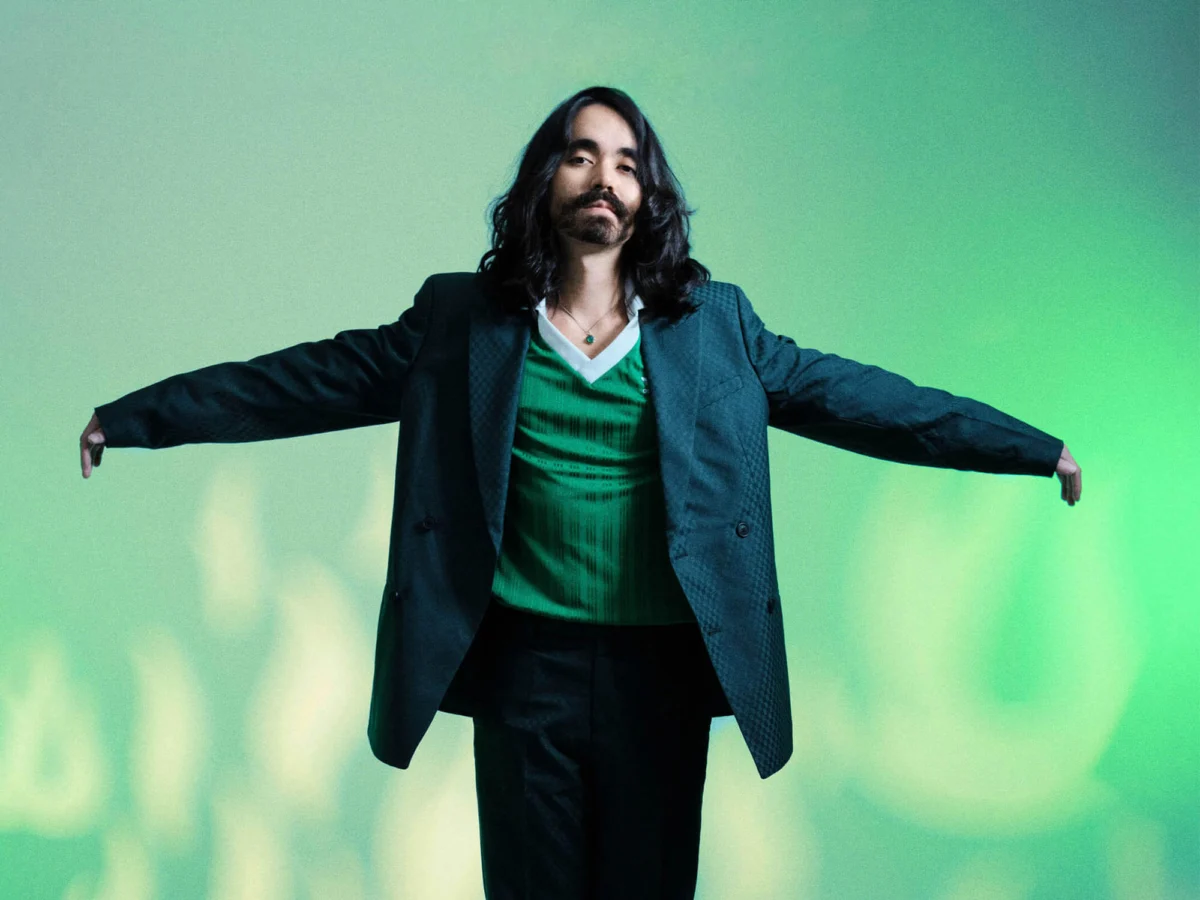
Mateus Asato, widely recognized as a preeminent figure among contemporary guitarists whose career trajectory has been significantly shaped by social media, has once again voiced substantial criticism regarding the current operational paradigms of Instagram. This recent expression of disillusionment, conveyed via an Instagram Story, underscores a recurring tension between the platform’s evolving strategic direction and the experiences of its long-standing, high-profile creators. Asato’s remarks highlight specific grievances concerning algorithm functionality, the perceived necessity of precise posting schedules for audience reach, and the pervasive, often unsolicited, inclusion of musical soundtracks in content—a practice he describes as a "nonsense urge."
Asato’s relationship with social media has been notably tumultuous. In 2021, at the zenith of his digital influence, he announced a temporary hiatus from all social media platforms, citing severe burnout and a palpable decline in creative inspiration. This move, which resonated deeply within the creator community, underscored the intense pressures faced by individuals whose livelihoods and public personas are intrinsically linked to digital engagement. While he has since returned to platforms like Instagram, his recent commentary suggests that the underlying issues contributing to his previous burnout remain, manifesting in new forms of algorithmic and cultural friction. His current success as an independent artist, having recently released a debut album, further positions him as a voice that transcends mere influencer status, offering a perspective rooted in genuine artistic pursuit amidst commercial digital landscapes.
The Algorithm’s Shifting Sands: A Core Grievance
At the heart of Asato’s critique is the drastic alteration in Instagram’s feed algorithm. He laments a perceived shift where posts from accounts users actively follow are increasingly marginalized in favor of algorithmically suggested content from accounts they do not. "I miss the old IG," Asato stated candidly in his Story. "I really do. At this point, my following section is close to ‘useless’. Everything I see is based on what I searched or spoke previously with someone or myself. Or where I am." This sentiment mirrors a widespread frustration among Instagram users and creators alike, who have observed a significant departure from the platform’s original, more transparent chronological feed structure.
The evolution of Instagram’s algorithm from its initial chronological display to a complex, AI-driven ranking system began in 2016. This shift was purportedly designed to ensure users saw "the best posts first," prioritizing engagement and relevance based on factors like interest, timeliness, and relationship with the poster. However, over the years, this algorithm has grown increasingly sophisticated, incorporating machine learning to predict user preferences and maximize time spent on the app. This has led to a feed heavily influenced by user activity, search history, interactions with friends, and even geographical location, often at the expense of content from direct follows. For creators, this translates to a constant struggle for visibility, where organic reach—the number of unique users who see a post without paid promotion—has demonstrably declined. Industry reports from analytics firms consistently show average organic reach rates on Instagram Reels and feed posts often dipping below 10%, a stark contrast to earlier periods when followers were more reliably exposed to content from accounts they chose to follow.
The Tyranny of Timing: Maximizing Engagement in a Globalized World

Asato also highlighted the strenuous and often illogical demands placed on creators to post content at specific, "optimal" times to achieve maximum audience engagement. "If you’re overseas, forget it," he remarked, detailing the absurdity of waiting "until 4am to post it so your content can get the ‘highest’ amount of reach because this is the RIGHT timing where your audience is ALIVE. BS." This complaint touches upon a critical challenge for artists and content creators operating in a globalized digital ecosystem.
The concept of "optimal posting times" is a direct consequence of algorithmic prioritization. Platforms like Instagram analyze vast datasets to identify peak user activity windows, which vary significantly by demographic, geographic location, and time zone. For creators aiming to reach a diverse, international audience, this presents an intractable dilemma. Adhering to these "optimal" times often means sacrificing personal well-being, disrupting sleep schedules, or employing automated posting tools that can sometimes diminish the authenticity of real-time engagement. The pressure to conform to these metrics-driven schedules underscores a broader issue within the creator economy: the commodification of attention and the reduction of artistic output to a series of strategic maneuvers designed to game an opaque system. This constant calculation of peak engagement times adds another layer of mental load to creators already burdened with content conceptualization, production, and editing, diverting focus from the creative process itself.
The "Miserable Soundtrack": Music’s Unwanted Ubiquity
Perhaps Asato’s most impassioned criticism was directed at the "nonsense urge" social media users now exhibit to indiscriminately add music and soundtracks to nearly all forms of digital content. "I miss just seeing pictures and reading things here without a miserable soundtrack," he articulated. He further elaborated on the detrimental impact of this trend: "Music is becoming a stupid and wrong source of distraction because of this nonsense urge to add a freaking noise over ANYTHING right now. I really miss the old ‘meaning’ of the ordinary."
This particular grievance speaks to a significant cultural shift on social media, largely propelled by the meteoric rise of short-form video platforms like TikTok. Instagram, in a strategic move to compete with TikTok’s dominance, heavily pivoted towards video content, particularly its "Reels" feature, which inherently encourages the use of trending audio and music snippets. While this integration has provided new avenues for music discovery and viral trends, it has also led to an environment where static images, text-based posts, or even videos with natural ambient sound are often perceived as less engaging or "incomplete" without an overlaid soundtrack.
For a musician like Asato, whose craft is centered on the intentionality and nuance of sound, this ubiquitous, often arbitrary, application of music can be deeply problematic. It risks diluting the artistic value of carefully composed or performed music by reducing it to background "noise." Furthermore, it challenges the very essence of visual storytelling, where a photograph or a silent video might be intended to evoke a specific mood or message without auditory interference. The "meaning of the ordinary" that Asato longs for refers to a time when visual content could stand alone, allowing viewers to engage with it on its own terms, rather than having their emotional response dictated or influenced by a pre-selected audio track. This phenomenon also raises questions about copyright and fair use, as countless creators use snippets of popular music without necessarily understanding the legal implications, further complicating the digital content landscape.
The Broader Context: Instagram’s Transformation and the Creator Economy

Asato’s criticisms are not isolated incidents but reflect a broader pattern of user and creator dissatisfaction with Instagram’s evolving strategy, particularly since its acquisition by Meta (formerly Facebook). The platform, initially celebrated for its simplicity and focus on visual aesthetics, has undergone several significant transformations:
- From Photo-Sharing to Multimedia Hub: Instagram began as a photo-sharing app. The introduction of video posts, Stories, IGTV, and most recently Reels, signifies a complete metamorphosis into a multimedia platform, often prioritizing short-form video content above all else. This shift alienated many early adopters who valued the platform’s original identity.
- The Algorithmic Imperative: The move away from a chronological feed was a major turning point. While Meta argues this improves user experience by surfacing "relevant" content, critics contend it primarily serves to increase time spent on the app and create more opportunities for advertising impressions. This also incentivizes creators to pay for "boosted" posts to reach their own followers.
- Competition with TikTok: The rapid ascent of TikTok forced Instagram to adapt dramatically, leading to a strong emphasis on Reels and trending audio. This strategic pivot, while arguably necessary for market share, often came at the expense of Instagram’s unique identity and the preferences of its existing user base.
- The Creator Economy’s Double-Edged Sword: While Instagram has introduced tools for creators to monetize their content (e.g., badges, subscriptions), the underlying algorithmic changes and engagement pressures often make it harder for creators to build and sustain an audience organically. This creates a reliance on the platform’s ever-changing rules, fostering precarity rather than stability.
Data from various surveys consistently indicates declining user satisfaction with Instagram’s feed. A 2022 Pew Research Center study, for instance, found that a significant portion of teen users found Instagram "overwhelming" or "fake." While not directly addressing the algorithm, such sentiments align with the frustration of content being pushed rather than sought. Furthermore, creator surveys often highlight burnout, mental health challenges, and financial instability as pervasive issues within the creator economy, directly linked to the pressures of maintaining constant engagement on algorithmic platforms.
Mateus Asato’s Independent Path and the Future of Creator-Platform Dynamics
Mateus Asato’s candid observations gain additional weight when viewed in the context of his recent professional developments. Beyond his social media persona, Asato has cultivated a successful career as a recording artist, with his debut album finally seeing release. This signifies an artist actively building a career that extends beyond platform dependency. Moreover, his recent decision to end a decade-long partnership with Suhr Guitars, a significant move for any guitarist of his stature, further underscores his commitment to independent artistic direction. While fans speculated about his next gear endorsement, Asato was quick to state he was "single and happy where I am at this point," emphasizing his autonomy. This independence allows him to critique platforms like Instagram without the same commercial constraints that might silence other creators tied to endorsement deals or platform-dependent income streams.
Asato’s continued vocalization of these issues serves as a vital commentary on the evolving relationship between creators and the digital platforms that host their work. It highlights a fundamental tension: platforms prioritize metrics, advertising revenue, and competitive advantage, while creators often seek authentic connection, creative freedom, and sustainable engagement with their audience. The "old Instagram" that Asato misses represents an era where the platform felt more like a direct conduit between creators and their followers. The current iteration, driven by complex algorithms and a relentless pursuit of new features, often feels like a labyrinth where genuine connection is obscured by a fog of algorithmically curated "noise."
The implications of these dynamics are far-reaching. For aspiring artists, the challenge of breaking through the algorithmic noise without compromising artistic integrity or succumbing to burnout is immense. For established creators, the constant adaptation to platform shifts can be exhausting and creatively stifling. As social media platforms continue to evolve, the discourse initiated by influential voices like Mateus Asato will be crucial in shaping future discussions about user control, algorithmic transparency, and the fundamental purpose of digital spaces in fostering genuine connection and artistic expression. His lament is not merely a complaint; it is a call for a more mindful and humane approach to digital interaction, one that respects the "meaning of the ordinary" and the integrity of creative work.
