

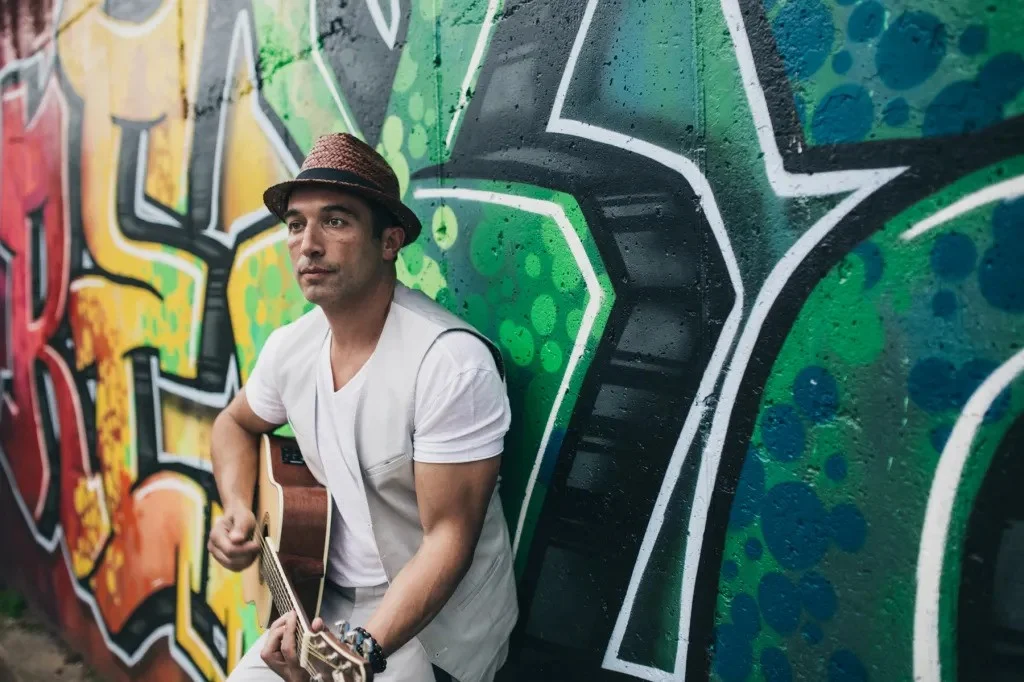
Mike Smith, a 54-year-old singer-songwriter from North Carolina, has pleaded guilty in US federal court to conspiracy to commit wire fraud, admitting to an elaborate scheme that leveraged artificial intelligence and automated bots to generate over $8 million in fraudulent streaming royalties. The conviction, which follows a detailed investigation by Rolling Stone and an FBI arrest in 2024, casts a stark light on the vulnerabilities of the digital music ecosystem to sophisticated fraud, particularly with the advent of accessible AI technologies. Smith’s confession reveals a calculated effort to exploit major streaming platforms by flooding them with an unprecedented volume of AI-generated tracks and artificially inflating their play counts to illicitly collect royalties intended for legitimate artists.
The Anatomy of a Digital Deception
The scheme, as outlined in court documents and corroborated by previous reporting, saw Smith creating hundreds of thousands of ersatz musical compositions using artificial intelligence. These tracks, lacking genuine artistic input or audience engagement, were then uploaded across a multitude of profiles on prominent streaming services including Spotify, Apple Music, Amazon Music, and YouTube Music. To amass the "billions of plays" necessary to trigger significant royalty payouts, Smith deployed sophisticated bot networks designed to simulate organic listening activity. This strategy of distributing the fraudulent content across thousands of distinct accounts and platforms was crucial in initially evading the detection algorithms employed by the streaming giants.
Smith’s journey to becoming a convicted fraudster reportedly began after years of attempting to forge a conventional career in the music industry. A promotional photo from 2015 serves as a poignant reminder of his earlier aspirations. The transition from aspiring artist to orchestrator of a large-scale digital scam highlights the potential pressures and perceived opportunities within the increasingly complex and competitive landscape of music distribution. The specific timeline of when Smith initiated his AI-driven fraud has not been fully disclosed, but the scope of the operation suggests a multi-year endeavor, allowing him to accumulate substantial illicit gains before his activities were unmasked.
Chronology of Unraveling the Scheme
The intricate web of Smith’s fraudulent activities began to unravel following a comprehensive investigation by Rolling Stone, published in January of what is now understood to be 2024. This investigative journalism piece meticulously detailed the mechanisms of the scam, drawing attention from law enforcement agencies. The findings prompted swift action, leading to Smith’s arrest by the FBI in 2024. At the time of his apprehension, authorities speculated that his fraudulent earnings could have approached $10 million, underscoring the immense scale of the deception.
Today, before US District Judge John G. Koeltl, Smith formally entered his guilty plea to one count of conspiracy to commit wire fraud. As part of his plea agreement, he has consented to forfeit $8,091,843.64, a sum representing the proceeds of his criminal enterprise. His sentencing has been scheduled for July 29, where he faces a maximum sentence of five years in federal prison. A letter from the Justice Department to the court recommends a period of three years of supervised release following any incarceration and a maximum fine of $250,000, reflecting the severity of the financial crime.
The Financial Mechanics of Streaming and the Fraud’s Deep Impact
To fully grasp the magnitude of Smith’s fraud, it is essential to understand the financial architecture of the music streaming industry. Streaming services typically operate on a "pro-rata" royalty model. This means that a large pool of revenue, generated from subscriptions and advertising, is periodically divided among rights holders (artists, songwriters, labels, publishers) based on their overall share of total streams on the platform. For example, if a platform generates $100 million in royalties in a month and an artist’s songs account for 1% of all streams, that artist receives 1% of the $100 million.
The per-stream payout rates vary significantly across platforms and depend on factors like subscription tiers, geographical location, and specific agreements, but they generally range from fractions of a cent to just over a cent per stream. For instance, Spotify’s average payout is often cited between $0.003 and $0.005 per stream, while Apple Music might offer closer to $0.01. Amazon Music typically falls somewhere in between. To accumulate over $8 million, Smith’s fake tracks would have needed to register literally billions of streams, siphoning funds from this collective royalty pool.
The global music streaming market is a multi-billion dollar industry, with revenues consistently growing year-over-year. According to the IFPI Global Music Report 2024, total global recorded music revenue in 2023 reached $28.6 billion, with streaming (paid subscriptions and ad-supported) accounting for the vast majority at 67.3% or $19.3 billion. Within this massive financial ecosystem, fraudulent streams, like those orchestrated by Smith, represent a direct diversion of funds. Industry estimates suggest that anywhere from 1% to 3% (and sometimes higher) of all streams on major platforms could be fraudulent, translating into hundreds of millions of dollars annually that are unjustly taken from legitimate artists, songwriters, and rights holders. Smith’s case is a stark example of this systemic vulnerability brought to an unprecedented scale by AI.
The Unsettling Intersection of AI and Artistic Integrity
Smith’s scheme marks a troubling new chapter in digital fraud, highlighting the potent, and potentially dangerous, capabilities of artificial intelligence when weaponized for illicit gain. The rapid advancements in AI music generation tools – from sophisticated algorithms that can compose melodies and harmonies to systems capable of mimicking vocal styles and instrumentals – have democratized music creation to an extent. Tools like Amper Music, AIVA, OpenAI Jukebox, and Google Magenta have demonstrated AI’s capacity to assist artists, generate background music, or even create entirely new compositions.
However, this accessibility also presents a significant challenge. AI-generated music can be produced at an industrial scale, far beyond human capacity, and often with minimal creative effort or originality. In Smith’s case, the "hundreds of thousands of tracks" were likely algorithmically churned out, designed not for artistic merit but for sheer volume to exploit the royalty system. The ease with which AI can create passable audio content makes it exceedingly difficult for streaming platforms to distinguish between genuine human-crafted music and machine-generated sound intended solely for fraudulent purposes, especially when paired with sophisticated bot networks to mimic listener behavior.
This case raises profound questions about the future of artistic integrity, copyright, and fair compensation in the age of AI. As AI capabilities continue to evolve, the distinction between authentic human creativity and synthetic content will blur further, making fraud detection an even more complex "cat-and-mouse" game for the industry.
Official Response and the Weight of Legal Precedent
The conviction of Mike Smith sends a clear and unequivocal message from law enforcement regarding the serious consequences of digital streaming fraud. Jay Clayton, US Attorney for the Southern District of New York, articulated this stance in a statement following the guilty plea. "Michael Smith generated thousands of fake songs using artificial intelligence and then streamed those fake songs billions of times," Clayton stated. "Although the songs and listeners were fake, the millions of dollars Smith stole was real. Millions of dollars in royalties that Smith diverted from real, deserving artists and rights holders. Smith’s brazen scheme is over, as he stands convicted of a federal crime for his AI-assisted fraud."
This statement underscores the Justice Department’s commitment to prosecuting financial crimes, regardless of the digital sophistication of the method. The emphasis on "real, deserving artists and rights holders" highlights the victims of such fraud – the countless musicians and creators whose legitimate earnings are diluted by these illicit activities. Smith’s lawyer, Noell Tin, has not issued a comment regarding the guilty plea, which is common practice in ongoing legal proceedings prior to sentencing.
This case sets a significant legal precedent. It is one of the most prominent federal convictions for streaming fraud explicitly involving AI-generated content and bot networks. It signals that authorities are increasingly capable of investigating and prosecuting such technologically complex crimes, moving beyond the traditional challenges of attribution and digital evidence.
Broader Industry Impact and Future Implications
The conviction of Mike Smith carries substantial implications for the entire music industry. Firstly, it further erodes trust in streaming metrics, which are crucial for artists, labels, and investors in assessing popularity and potential. If a significant portion of streams can be artificially inflated, the data loses its reliability, making it harder to identify genuine talent and allocate resources effectively.
Secondly, it intensifies the pressure on streaming platforms to bolster their anti-fraud measures. While major services like Spotify, Apple Music, and Amazon Music have invested heavily in sophisticated algorithms and human teams to detect suspicious activity, the sheer volume of daily uploads (tens of thousands of tracks daily on some platforms) and the evolving sophistication of fraudsters pose a continuous challenge. This case will likely spur further investment in AI-driven fraud detection, machine learning, and collaborative intelligence-sharing among platforms and distributors.
Thirdly, artist advocacy groups and industry bodies are likely to amplify calls for greater transparency in royalty distribution and more robust protection for creators. The diversion of millions of dollars from the collective royalty pool directly harms emerging artists and independent musicians who often rely heavily on streaming income. This fraud exacerbates the existing economic challenges faced by many artists in the digital age.
Finally, the case sparks a broader conversation about the ethical governance of artificial intelligence. As AI tools become more powerful and accessible, there is an urgent need for industry standards, best practices, and potentially even regulatory frameworks to prevent their misuse in creative industries. This could include requirements for disclosing AI-generated content, developing watermarking technologies for synthetic media, or implementing more stringent verification processes for content creators on platforms.
The Mike Smith case serves as a landmark moment, illustrating both the darker side of technological innovation and the unwavering commitment of legal systems to uphold integrity in the digital realm. As the music industry continues to navigate the complexities of AI, digital distribution, and global economics, the lessons learned from this multi-million dollar fraud will undoubtedly shape its future defenses against evolving forms of deception.
