

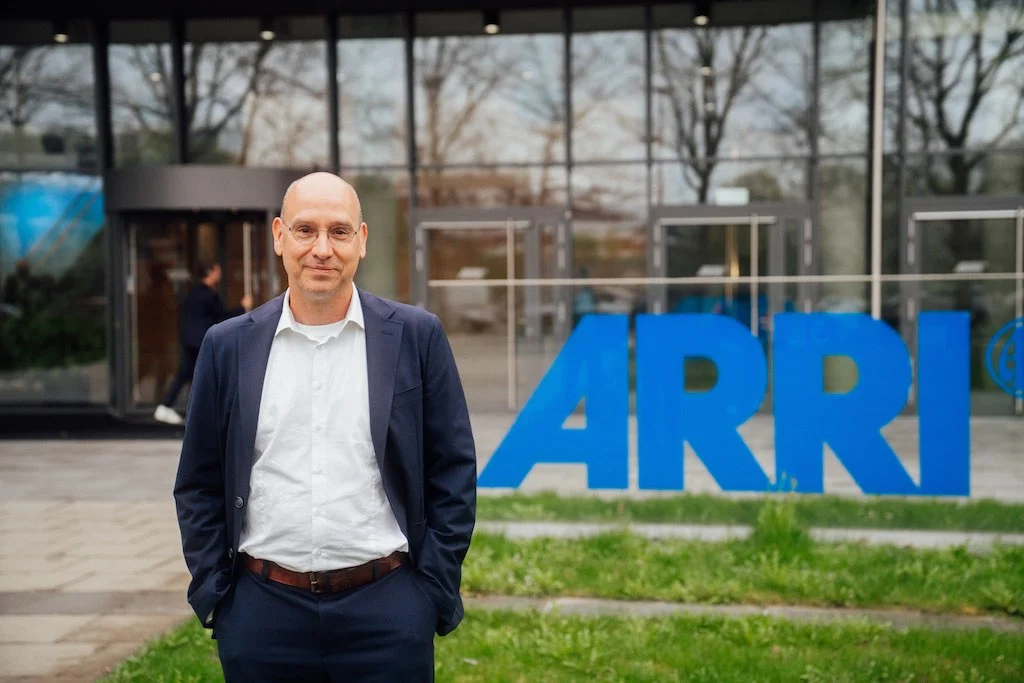
In a move that signals a seismic shift in the global media and entertainment technology landscape, Thomas Riedel, the founder and owner of the Wuppertal-based Riedel Group, has officially acquired ARRI, the world-renowned Munich manufacturer of professional motion picture camera systems, lenses, lighting, and digital intermediate solutions. The announcement, made on April 14, 2026, marks the largest acquisition in Thomas Riedel’s career and brings together two of Germany’s most prestigious technology brands under a unified strategic vision. By securing the deal against several international bidders, Riedel has ensured that ARRI—a cornerstone of the global film industry for over a century—remains in German hands, while positioning the combined entities to dominate the convergence of cinema, live broadcast, and sports production.
The acquisition is characterized by a synergistic logic that addresses the evolving demands of the modern media landscape. For decades, Riedel Communications has been the industry standard for real-time signal distribution, intercom systems, and data networking in high-stakes environments such as Formula 1, the Olympic Games, and major music festivals. ARRI, meanwhile, has served as the gold standard for high-end cinematography and lighting, with its technology powering the vast majority of Academy Award-winning films and premium television dramas. By merging ARRI’s capture and illumination expertise with Riedel’s infrastructure and connectivity solutions, Thomas Riedel aims to create an end-to-end production ecosystem that bridges the gap between traditional filmmaking and the rapidly growing "cinematic live" sector.
A Legacy of Innovation: The ARRI Heritage
Founded in 1917 by August Arnold and Robert Richter in a small locksmith shop in Munich, ARRI (Arnold & Richter Cine Technik) has spent 109 years at the pinnacle of the film industry. The company’s history is inextricably linked to the history of cinema itself. From the introduction of the first reflex camera, the Arriflex 35, to the digital revolution led by the Alexa camera system, ARRI has consistently pushed the boundaries of optical and mechanical engineering.
The company’s contributions to the art and science of filmmaking have been recognized with 20 Scientific and Technical Awards from the Academy of Motion Picture Arts and Sciences. This legacy was a critical factor in the acquisition process. According to Dr. Walter Stahl, Managing Director of ARRI GmbH and a representative of the founding family, the decision to sell to Thomas Riedel was driven by a desire to preserve this heritage while securing the resources necessary for future growth. Dr. Stahl noted that the transition to a first-generation entrepreneur like Riedel ensures that the company maintains its long-term focus and commitment to engineering excellence, rather than being subjected to the short-term pressures often associated with private equity or large multinational conglomerates.
The Strategic Rationale: The Convergence of Film and Live Production
The primary driver behind the acquisition is the increasing overlap between the film and live entertainment industries. In recent years, live productions—ranging from the Super Bowl halftime show to the Eurovision Song Contest—have increasingly adopted "cinematic" aesthetics. This trend involves the use of large-format sensors, shallow depth-of-field lenses, and sophisticated lighting rigs traditionally reserved for feature films.
Thomas Riedel identified this trend early, recognizing that the "siloed" nature of production technology was becoming an obstacle for creators. "My entrepreneurial history has always been closely linked to that of ARRI," Riedel stated during the announcement. "This acquisition is the greatest personal milestone for me to date. It fills me with great respect for the extraordinary brand, the outstanding products, and the strong team. At the same time, I see enormous potential and look forward to developing ARRI further and setting new growth impulses."
By integrating ARRI’s camera and lighting control protocols into Riedel’s MediorNet and Artist infrastructures, the Group can now offer a seamless workflow. This allows for high-quality cinematic imagery to be transported, managed, and manipulated across vast distances with zero latency, a requirement that is becoming standard for remote production and decentralized workflows.
Chronology of a Landmark Deal
The path to this acquisition was paved by years of informal cooperation and a shared presence at major global events. While the specific financial terms of the deal remain undisclosed, the timeline of the transition highlights a meticulously planned handover:
- Early 2020s: Riedel and ARRI begin technical collaborations on specific live event projects, exploring how ARRI Multicam systems could integrate with Riedel’s signal backbones.
- 2024–2025: ARRI initiates a strategic transformation process to modernize its internal structures and expand its presence in the "Live Entertainment" and "Global Solutions" sectors.
- Late 2025: Negotiations for the acquisition begin in earnest, with Thomas Riedel presenting a concept that emphasizes the preservation of the ARRI brand identity and its Munich headquarters.
- April 2026: The deal is finalized. Thomas Riedel assumes the role of owner, while the existing ARRI management team, including Christian Richter and David Bermbach, remains in place to lead the company’s day-to-day operations.
- May 2026: The first major public showcase of the new partnership is set for the Eurovision Song Contest, featuring ARRI camera technology integrated into a Riedel-managed production infrastructure.
Supporting Data: Market Position and Economic Impact
The combined strength of the Riedel Group and ARRI creates a formidable entity in the media technology market, which is estimated to be worth over $25 billion globally. ARRI’s dominant market share in the high-end rental market—where the Alexa 35 and Alexa Mini LF are the most requested cameras worldwide—provides a stable revenue base.

Furthermore, ARRI’s expansion into LED lighting with the SkyPanel series has made it a leader in the transition to energy-efficient, software-controlled studio lighting. When paired with Riedel’s expertise in IP-based control (using standards like SMPTE ST 2110), the potential for automated, "smart" studios becomes a reality. This is particularly relevant for the corporate and broadcast sectors, where there is a high demand for high-end studio environments that can be operated with minimal on-site staff.
The acquisition also secures approximately 1,600 jobs at ARRI worldwide, in addition to Riedel’s existing global workforce of over 1,000 employees. By maintaining the Munich headquarters, the deal reinforces Bavaria’s status as a leading hub for media technology, preventing the flight of intellectual property to overseas competitors.
Official Responses and Industry Reactions
The industry reaction to the news has been overwhelmingly positive, with analysts viewing the move as a masterstroke of European industrial strategy. Christian Richter, Managing Director of ARRI, emphasized the stability that Thomas Riedel brings to the table. "Thomas Riedel has built a first-generation family business and stands for entrepreneurial continuity and long-term thinking," Richter said. "We look forward to working with a successful entrepreneur and the resulting market opportunities and access—both in existing and new markets."
David Bermbach, also a Managing Director at ARRI, highlighted the technological advantages: "The Riedel Group brings exciting, ideally complementary technologies and extensive expertise in live production to the partnership. This strengthens our strategic realignment as a ‘Trusted Technology Leader for the Next Generation of Media & Entertainment’."
Production service providers have also welcomed the news. NEP Group, a long-time partner of both companies, noted that a tighter integration between ARRI’s optics and Riedel’s networking will likely lead to more robust and creative solutions for their clients in the sports and entertainment sectors.
Implications for the Future of Content Creation
The acquisition of ARRI by Thomas Riedel is more than just a business transaction; it is a vision for the future of how content is created and consumed. As the lines between movies, television, and live events continue to blur, the demand for integrated technology will only grow.
One of the most significant implications is in the realm of Virtual Production. ARRI has already established itself as a leader in this space through its ARRI Solutions division, providing turn-key LED volume studios. Riedel’s expertise in data management and low-latency networking is the "missing link" required to make these complex environments more accessible and reliable.
Furthermore, the "German Hand" aspect of this deal cannot be understated. In an era where many European technology pioneers have been absorbed by larger US or Asian entities, the formation of the Riedel-ARRI powerhouse ensures that European engineering remains at the forefront of the global media industry. It creates a champion capable of competing with giants like Sony, Canon, and Blackmagic Design, offering a unique value proposition centered on premium quality and deep system integration.
As the industry looks toward the upcoming Eurovision Song Contest and beyond, the focus will be on how quickly these two cultures—the meticulous, craft-oriented world of ARRI and the fast-paced, mission-critical world of Riedel—can meld. If the early signs are any indication, the "Next Generation of Media & Entertainment" has found its technological foundation. Thomas Riedel’s boldest move yet has not only saved a legend but has likely defined the next century of cinematic and live storytelling.
