

In a strategic move that signals a significant shift in the landscape of live communication and digital marketing, MCI Germany has officially announced the acquisition of Demodern, one of the industry’s leading creative technology agencies. This acquisition, finalized in April 2026, marks a pivotal expansion of MCI’s service portfolio, integrating advanced capabilities in artificial intelligence, immersive experiences, and complex digital platforms into its established global framework. The move is a direct response to a rapidly evolving market where the boundaries between physical events and digital interaction have become increasingly blurred, requiring agencies to provide holistic, technology-driven solutions that span the entire customer journey.
The integration of Demodern into the MCI Group represents more than a simple expansion of headcount; it is a calculated effort to bridge the gap between strategic consulting and technological execution. As brands demand more sophisticated ways to engage audiences, the synergy between MCI’s operational excellence in event management and Demodern’s reputation for cutting-edge digital innovation is expected to set a new benchmark for the industry. Under the terms of the agreement, Demodern will retain its distinct brand identity and corporate culture, ensuring that its creative independence remains intact while benefiting from the global infrastructure and client network of the MCI Group.
Strategic Rationale and Market Dynamics
The decision to acquire Demodern comes at a time when the "experience economy" is undergoing a fundamental transformation. According to industry data from early 2026, over 75% of multinational corporations now prioritize integrated marketing solutions that combine live events with persistent digital touchpoints. The traditional model of siloed agencies—where one firm handles logistics and another handles digital creative—is increasingly viewed as inefficient by global procurement departments. By bringing Demodern’s expertise in-house, MCI Germany positions itself as a single-source provider capable of delivering end-to-end services from initial strategy and creative conceptualization to technical development and final implementation.
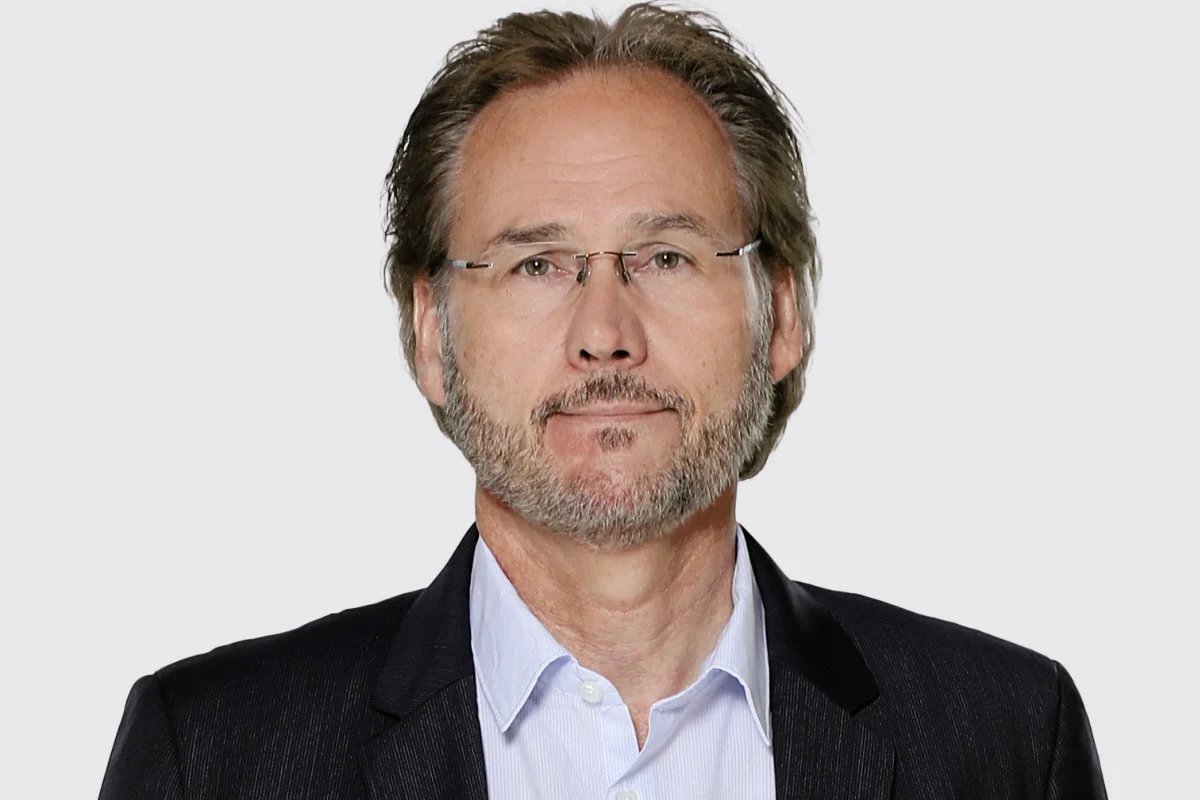
Andreas Laube, Managing Director of MCI Germany, emphasized that this acquisition is a response to specific client needs that have intensified over the past 24 months. Clients are no longer looking for standalone digital tools; they are seeking immersive ecosystems where artificial intelligence personalizes the attendee experience and digital platforms extend the life cycle of a physical event. Laube noted that the acquisition allows MCI to deepen its involvement in high-growth fields such as spatial computing, AI-driven content creation, and interactive installations, all of which are becoming central to modern brand storytelling.
Evolution of Leadership and Organizational Structure
The acquisition has prompted a strategic reorganization of Demodern’s leadership to ensure a seamless transition and foster long-term growth within the MCI framework. With the departure of long-time Co-Managing Director Kristian Kerkhoff, the agency’s leadership will now be shared between Alexander El-Meligi and Andreas Laube. This dual-leadership model is designed to harmonize Demodern’s creative and technological DNA with MCI’s strategic and operational objectives.
Further strengthening this integration is the appointment of Mike Jaeger, Chief Creative Officer of MCI Germany, to a supervisory and development role within Demodern. Jaeger will be responsible for overseeing the creative output and ensuring that Demodern’s specialized skills are effectively woven into MCI’s broader service offerings. His role is particularly focused on scaling Demodern’s capabilities to meet the demands of MCI’s international client base, facilitating a cross-pollination of ideas between the two entities.
Alexander El-Meligi, Managing Director of Demodern, highlighted the importance of maintaining the agency’s unique culture during this transition. He stated that the partnership with MCI offers a platform to apply Demodern’s expertise to much larger, more complex global projects that were previously out of reach for a boutique creative shop. The commitment to maintaining Demodern as an independent brand is a critical component of the deal, intended to preserve the "start-up" agility and experimental spirit that has defined the agency since its inception.
A Chronology of Industry Convergence
To understand the significance of this acquisition, one must look at the timeline of the live communication industry over the last decade.
- 2015–2019: The industry focused on "digital extensions" of live events, often limited to mobile apps or basic social media integration.
- 2020–2022: The global pandemic forced a sudden pivot to entirely virtual environments, accelerating the adoption of streaming technologies and basic 3D environments.
- 2023–2025: As live events returned, the industry struggled with "hybrid" models, realizing that digital components needed to be as engaging as physical ones to maintain audience interest.
- 2026: The current era is defined by "Phygital" integration—where digital and physical realities are inseparable. The acquisition of Demodern by MCI is a hallmark of this era, reflecting a market where creative technology is no longer an "add-on" but the core infrastructure of brand engagement.
This timeline illustrates why MCI’s move is viewed by analysts as a defensive and offensive masterstroke. By securing a top-tier technology partner, MCI insulates itself against competition from pure-play digital agencies while simultaneously challenging traditional advertising networks for larger marketing budgets.
Expanding the Technological Horizon: AI and Immersive Experiences
The specific competencies that Demodern brings to the table are highly sought after in the current economic climate. In particular, their work in artificial intelligence and immersive experiences provides MCI with a significant competitive advantage.
Artificial Intelligence in Engagement
Demodern has been at the forefront of applying AI to creative processes. This includes the use of generative AI for real-time content creation during live events, AI-driven data analytics to measure attendee sentiment, and personalized recommendation engines for large-scale conferences. For MCI, these tools mean the ability to offer clients data-backed insights into ROI and audience behavior that were previously difficult to quantify.
Immersive Experiences and the Metaverse
While the initial hype surrounding the "metaverse" has matured, the demand for immersive 3D environments and augmented reality (AR) has continued to grow. Demodern’s expertise in building high-fidelity virtual showrooms, interactive museum exhibits, and AR-enhanced retail experiences allows MCI to transform static environments into dynamic, interactive spaces. These technologies are particularly valuable for B2B clients in the manufacturing, automotive, and medical sectors, where complex products often require sophisticated digital visualization to be fully understood.
Digital Platforms and Persistence
Beyond one-off events, the acquisition enables MCI to build persistent digital platforms for its clients. These platforms serve as year-round hubs for community engagement, education, and brand interaction. By moving away from a project-based revenue model toward a platform-based model, MCI can foster deeper, long-term relationships with its clients, providing continuous value far beyond the dates of a specific event.

Economic Implications and Industry Analysis
The acquisition is reflective of a broader trend of consolidation within the European agency market. As the cost of maintaining cutting-edge technological infrastructure rises, smaller specialized agencies often find it beneficial to join larger groups that can provide the necessary capital for R&D and global expansion. Conversely, large groups like MCI must acquire these specialists to avoid technological obsolescence.
From an economic perspective, the deal is expected to drive significant revenue growth for MCI Germany by opening up new market segments. Demodern’s existing portfolio includes high-profile clients in the luxury, automotive, and technology sectors—industries that are currently increasing their spend on experiential marketing. Furthermore, the ability to offer integrated digital and physical services is expected to improve MCI’s margins by reducing the need for third-party subcontractors.
Market analysts suggest that this move will likely trigger a series of similar acquisitions across the DACH (Germany, Austria, Switzerland) region. Competitors will be forced to evaluate their own digital capabilities and decide whether to build, buy, or partner to remain competitive in a landscape where "digital-first" is the default expectation for all large-scale communication projects.
Official Responses and Future Outlook
The industry reaction to the announcement has been largely positive, with partners and clients viewing it as a logical step toward a more integrated future. Major brand managers have noted that the combination of MCI’s logistical scale and Demodern’s creative flair solves a recurring pain point: the lack of technological sophistication in large-scale event production.
Looking forward, the roadmap for the integrated entity involves several high-profile projects set for the latter half of 2026 and 2027. These projects are expected to showcase the first fruits of the collaboration, likely involving large-scale international congresses that utilize Demodern’s AI platforms for attendee networking and MCI’s operational expertise for global execution.
The success of this acquisition will ultimately be measured by how well the two different corporate cultures can collaborate. While MCI is a global giant with structured processes, Demodern is a creative-led agency known for its agility and unconventional approach. If the leadership can successfully navigate these cultural differences while leveraging their combined strengths, the MCI-Demodern partnership could very well define the future of the experience industry for the next decade.
In conclusion, the acquisition of Demodern by MCI Germany is a landmark event that underscores the critical importance of creative technology in the modern marketing mix. It is a strategic acknowledgment that the future of communication lies at the intersection of human connection and technological innovation. As the industry watches this integration unfold, the focus will remain on how these two powerhouses redefine the boundaries of what is possible in the realm of integrated brand experiences.
