

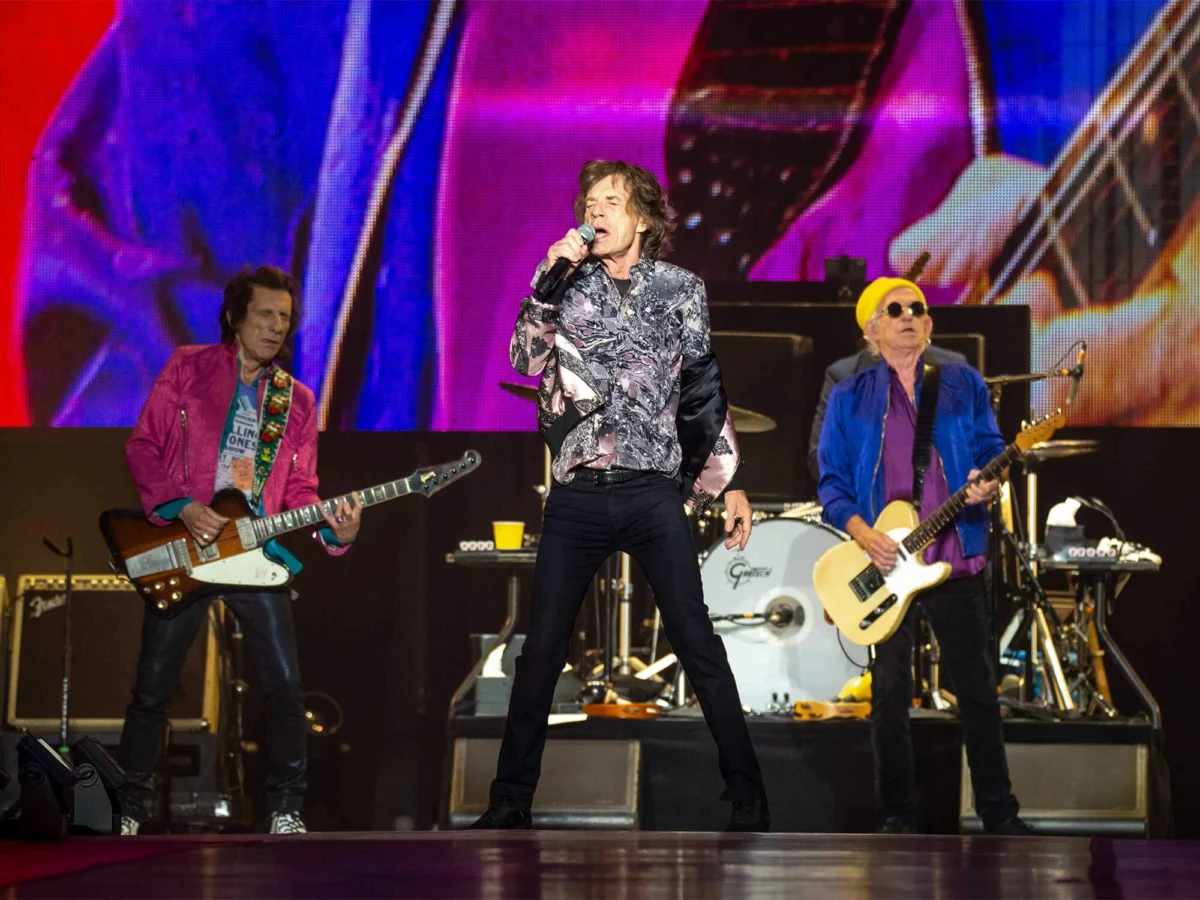
The legendary Rolling Stones, a band synonymous with rock and roll endurance, continue to defy conventional expectations of musical longevity. Despite most members now being in their 80s – with guitarist Ronnie Wood, a sprightly 79, being the youngest – the iconic group remains remarkably active. Just this month, they unveiled their 25th studio album, Foreign Tongues, a testament to their unwavering creative drive after six decades in the music industry. However, the prospect of supporting this new release with a global tour remains a subject of intense speculation and hope among fans, a sentiment recently addressed by Wood himself.
In a candid interview with Classic Rock, Wood offered a glimmer of optimism regarding the band’s return to the live stage. When directly questioned about the possibility of embarking on a tour to promote Foreign Tongues, which features the formidable trio of Wood, Mick Jagger, and Keith Richards, his response was succinct yet loaded with aspiration: "Let’s hope." He elaborated, "Not this year, but maybe next year – we’d love to. It’s an obvious thing that we would love to, because the Stones…" This statement immediately ignited discussions among fans and industry observers alike, highlighting the profound anticipation surrounding any potential live performances from one of music’s most enduring acts.
The Unyielding Spirit of Performance
The notion of rock stars, particularly those approaching or having surpassed their eighth decade, contemplating extensive touring might seem audacious to many. Yet, for The Rolling Stones, the stage has always been a second home, an essential element of their identity. Ronnie Wood’s comments underscore this intrinsic connection to live performance, revealing an almost insatiable hunger to play. "Me and Mick, we never stop wanting to play," Wood asserted, shedding light on the shared passion that continues to fuel the band’s engine. This collective enthusiasm is not merely a nostalgic desire but an active commitment to their craft.
To maintain his formidable guitar prowess, Wood revealed his personal regimen, which includes taking his solo band out for a series of gigs. "That’s why I’m going to take my solo band out to do a few gigs, to keep the chops together in my fingers. It’s got to be done. You’ve got to keep it warm, keep the music warm." This dedication to continuous practice is a hallmark of true musicianship and a clear indicator of his readiness should a Stones tour materialize. His commitment was further demonstrated in April when he announced two new solo shows in the UK and Germany slated for later this year, reinforcing his active engagement with live music. Wood’s sentiment encapsulates the band’s overall attitude: "It’s great. And if the Stones can tour next year, let’s do it. That’s our attitude."
Navigating the Challenges: Keith Richards’ Health
While the desire to tour is unequivocally present among Wood and Jagger, a significant hurdle stands in the way of any concrete plans: the health of legendary guitarist Keith Richards. For a band that thrives on the electrifying interplay between its members, the physical well-being of each musician is paramount. Last year, The Rolling Stones were compelled to cancel a series of planned tour dates due to concerns related to Richards’ arthritis. The original report indicated that Richards "didn’t think he could commit" to the notoriously grueling schedule that a Stones tour entails.
Arthritis, a condition characterized by inflammation of the joints, can be particularly debilitating for guitarists. The intricate finger work, wrist flexibility, and sustained hand positions required to play Richards’ signature riffs demand a high level of dexterity and endurance. For a performer who has spent over six decades manipulating strings and frets, the cumulative impact of such a condition can pose a formidable challenge. The cancellation of previous dates serves as a stark reminder of the practical realities that even the most iconic artists must confront as they age. The physical demands of performing for two to three hours a night, often several times a week, across different cities and time zones, are immense, requiring peak physical condition and stamina. This challenge is magnified for a band whose live shows are celebrated for their raw energy and protracted sets.
A History of Endurance and Global Spectacle

The Rolling Stones’ touring history is a saga of unparalleled scale and success. Since their inception in 1962, the band has consistently delivered some of the highest-grossing and most spectacular concert tours in music history. From the early club circuits to the stadium-filling extravaganzas of later decades, their live performances have become legendary events, drawing millions of fans worldwide. Tours like "A Bigger Bang" (2005-2007), "50 & Counting" (2012-2013), and the "No Filter Tour" (2017-2021) have consistently broken box office records, cementing their status as one of the most bankable live acts ever.
The logistics of a Rolling Stones tour are a monumental undertaking, akin to mobilizing a small army. It involves hundreds of crew members, dozens of massive trucks carrying tons of equipment, elaborate stage designs, sophisticated sound and lighting systems, and meticulously planned travel schedules. The planning for such an operation typically begins years in advance, involving extensive negotiations with promoters, venue operators, and countless logistical partners across continents. The financial investment is astronomical, but the returns, both in terms of revenue and cultural impact, are equally colossal. A new tour would not only celebrate Foreign Tongues but also allow fans to experience the timeless classics that have defined generations, from "Gimme Shelter" to "Start Me Up." The sheer scale of their touring operations in the past underscores the significant commitment required from all band members, particularly given their advanced age.
Industry Implications and Fan Anticipation
The prospect of a new Rolling Stones tour sends ripples of excitement throughout the music industry. For promoters and venue operators, securing dates with the band is a highly coveted opportunity, promising sold-out shows and significant economic activity for host cities. Industry analysts would undoubtedly project immense revenue potential, with ticket sales, merchandise, and associated hospitality generating hundreds of millions of dollars globally. The economic multiplier effect of a Stones tour, impacting everything from local transportation to restaurants and hotels, is substantial.
Beyond the financial metrics, a potential tour holds profound cultural significance. It would further solidify the band’s unparalleled legacy, demonstrating that age is merely a number when passion and talent converge. The Stones have continually pushed the boundaries of what is possible for performing artists in their later years, serving as an inspiration for musicians across generations. Their continued presence on the touring circuit challenges preconceived notions about retirement in the arts and underscores the enduring power of rock and roll.
Fans, whose loyalty spans decades, are undoubtedly holding their breath. For many, a Stones concert is more than just a musical event; it is a pilgrimage, a chance to witness living legends perform the soundtrack to their lives. The release of Foreign Tongues already signifies their ongoing creative vitality, and a tour would offer the ultimate communion between the band and its dedicated global audience. Social media channels and fan forums would erupt with speculation, excitement, and fervent hopes for tour dates in their respective regions. The demand for tickets would be astronomical, a testament to their enduring appeal.
The "Toss a Coin" Philosophy and an Uncertain Future
Despite the formidable challenges, Ronnie Wood maintains an attitude of pragmatic optimism, reflecting the band’s long-standing approach to their career. "Anything’s possible," he asserted, adding, "We just, you know, toss a coin and see how it lands. That’s the way we’ve always played it." This philosophical outlook captures the essence of The Rolling Stones’ journey – a blend of meticulous planning, spontaneous decisions, and an unwavering belief in their collective destiny. It suggests an openness to whatever the future may bring, acknowledging the unpredictable nature of life, especially at their stage.
Mick Jagger echoed Wood’s sentiments in May, expressing his enthusiastic support for a tour. He stated he would "absolutely love" to tour Foreign Tongues, reinforcing the unified desire within the core of the band. This collective eagerness is a powerful indicator, suggesting that if external circumstances, primarily health considerations, permit, the will to perform live is undeniably there.
In conclusion, while the release of Foreign Tongues has confirmed The Rolling Stones’ continued creative output, the question of a supporting tour remains delicately poised. Ronnie Wood’s recent comments offer a tantalizing glimpse into a potential 2025 return to the road, driven by the enduring passion of Wood and Mick Jagger. However, the critical variable of Keith Richards’ health, particularly his ongoing battle with arthritis, presents a tangible obstacle. The band’s history of record-breaking tours, their immense global following, and the significant economic impact of their live shows all point to the monumental stakes involved. As the band members navigate the complexities of age, health, and logistics, their "toss a coin" philosophy reminds us that with The Rolling Stones, the unexpected is often the most likely outcome, keeping the world eagerly awaiting their next move.
