

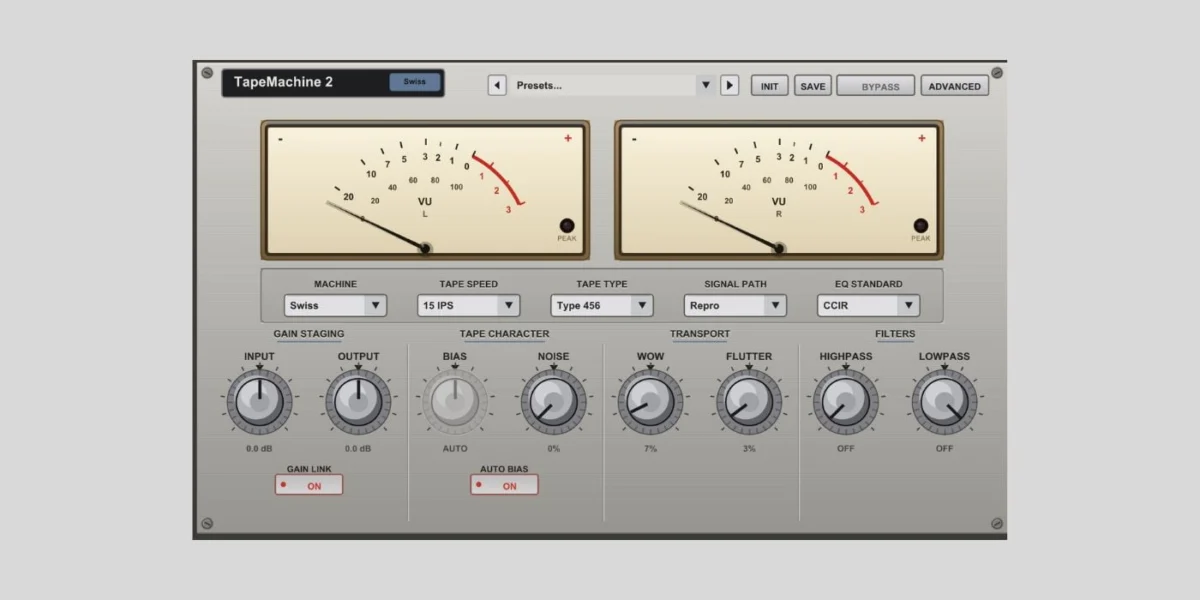
The release of TapeMachine 2 represents a notable advancement in Dusk Audio’s offerings, building upon the foundation laid by its predecessor earlier this year. The original Tape Machine plugin garnered attention when it was introduced alongside other tools like 4K EQ and MultiComp. This new iteration, TapeMachine 2, arrives with a comprehensively redesigned user interface and a completely overhauled tape emulation engine, promising enhanced sonic capabilities and a more intuitive user experience. Crucially, it maintains its accessibility as a free software solution, a characteristic that positions it favorably within the competitive landscape of audio production tools.
The Evolution of TapeMachine: From Concept to Version 2
Dusk Audio’s journey into tape emulation began with the initial Tape Machine plugin, which provided a basic yet effective means for producers to infuse their digital tracks with the warmth and saturation typically associated with analog tape recorders. The rapid development and subsequent release of TapeMachine 2 underscore a commitment to continuous improvement and responsiveness to the evolving needs of the audio production community. While the original version offered a glimpse into Dusk Audio’s technical prowess, TapeMachine 2 expands upon this significantly, moving beyond a foundational offering to present a more robust and flexible tool. The transition from TapeMachine 1 to TapeMachine 2 is characterized by a strategic focus on granular control and expanded sonic palette, directly addressing user desires for more nuanced customization in tape emulation. This evolution aligns with a broader industry trend where free and open-source software is increasingly challenging established commercial products by offering comparable, and sometimes superior, feature sets without the prohibitive cost.
Unpacking the Emulation Engine: A Deep Dive into TapeMachine 2’s Features
At the core of TapeMachine 2’s appeal is its extensive array of customizable parameters, allowing users an unprecedented level of control over the emulated tape behavior. This flexibility is critical for audio engineers and producers who often seek a very specific "vibe" from tape, a delicate balance of warmth, lo-fi character, subtle saturation, and organic movement. TapeMachine 2 empowers users to sculpt this character with precision, offering choices that delve deep into the technical nuances of analog recording.
The plugin provides two distinct tape machine models: "Swiss" and "American." The Swiss model is described as an emulation inspired by the iconic Studer A800, a legendary multi-track recorder revered for its pristine sound quality, robustness, and wide dynamic range, often found in high-end professional studios. The American model, on the other hand, draws its inspiration from the Ampex ATR-102, a highly regarded two-track stereo master recorder celebrated for its distinctive sonic imprint, often described as having a rich, punchy low-end and a smooth, detailed high-end, making it a favorite for mix bus and mastering applications. The inclusion of these two distinct models offers users a foundational choice between different sonic characteristics, reflecting the diverse preferences within the audio engineering community.
Further customization extends to four selectable tape speeds, typically measured in inches per second (IPS). Common speeds like 7.5 IPS, 15 IPS, and 30 IPS each impart different frequency responses, noise characteristics, and saturation profiles. Lower speeds generally result in more pronounced high-frequency rolloff, increased noise, and greater saturation, contributing to a "lo-fi" aesthetic, while higher speeds offer wider frequency response, lower noise, and greater headroom, often preferred for clarity and fidelity. The availability of four options allows for precise tailoring of the desired effect.
TapeMachine 2 also introduces four different tape formulations, simulating the varying magnetic properties of different tape types that have been developed over decades. These formulations—often categorized by their coercivity, retentivity, and oxide type (e.g., ferric, chrome, metal)—have a profound impact on a tape’s dynamic range, distortion characteristics, and frequency response. Simulating these differences allows users to choose between, for instance, a warmer, softer saturation profile or a more aggressive, brighter one, depending on the emulated tape stock.
The plugin’s multiple signal paths, along with the option to select between NAB (National Association of Broadcasters) or CCIR (International Radio Consultative Committee) EQ standards, further enhance its realism. These EQ standards refer to the pre-emphasis and de-emphasis curves applied during recording and playback on analog tape machines, designed to optimize signal-to-noise ratio and frequency response. Incorrectly matching these standards can lead to significant coloration, and TapeMachine 2’s ability to switch between them ensures accurate emulation and creative flexibility.
Other granular controls include adjustable bias, which influences tape saturation and high-frequency response; head width, affecting crosstalk and signal-to-noise ratio; and crosstalk, which simulates the subtle bleed between adjacent tracks on a multi-track recorder, contributing to a more cohesive, "glued" sound. A four-band Repro EQ allows for additional fine-tuning of the playback characteristics, enabling users to further shape the tonal balance of the emulated signal.
Beyond these core parameters, TapeMachine 2 incorporates separate controls for wow and flutter, which are common analog tape artifacts referring to slow (wow) and fast (flutter) variations in tape speed. These imperfections contribute significantly to the perceived "movement" and organic character of analog recordings, especially when aiming for vintage or lo-fi aesthetics. Filters and noise controls allow for additional shaping of the signal’s frequency content and the introduction of realistic tape hiss, further enhancing the authenticity of the emulation. A comprehensive suite of presets, ranging from clean mix coloration to extreme old-tape-style degradation, offers starting points for various applications, demonstrating the plugin’s versatility.
The American machine model, in particular, offers enhanced controls, including adjustable head width and front-panel toggles for crosstalk, wow/flutter, and transformer behavior. The inclusion of transformer emulation is significant, as the transformers in analog audio gear are known to impart a unique harmonic richness and low-end saturation, further contributing to the "analog sound."
The Enduring Appeal of Analog: Why Tape Emulation Matters
In an era dominated by digital audio workstations (DAWs) and pristine digital recordings, the persistent demand for analog tape emulation plugins like TapeMachine 2 highlights a fundamental desire among audio professionals for specific sonic qualities that digital processing often struggles to replicate intrinsically. The "analog sound" is characterized by several key elements:
- Harmonic Saturation: Analog tape, when driven, introduces subtle, pleasing harmonic distortion that adds richness, warmth, and perceived loudness without increasing peak levels. This non-linear behavior is often described as "glue" that helps disparate tracks blend together more cohesively.
- Dynamic Compression: Tape acts as a natural compressor, subtly rounding off transients and evening out dynamic peaks, which can make a mix sound more solid and powerful.
- Frequency Response Shaping: The physical properties of tape and tape heads introduce subtle frequency response changes, including low-end bump and high-frequency roll-off, which contribute to a smoother, less fatiguing sound.
- Noise and Imperfection: While often undesirable, controlled amounts of tape hiss, wow, and flutter can add character, depth, and a sense of "realness" to recordings, particularly in genres aiming for vintage or lo-fi aesthetics.
- Headroom and Warmth: Analog tape has a characteristic way of handling signals pushed past nominal levels, resulting in a gradual, musical saturation rather than harsh digital clipping, contributing to a sense of "warmth" and "body."
For these reasons, tape emulation plugins are not merely nostalgic tools but essential components in many modern production workflows, allowing digital recordings to achieve the sonic depth and character previously only attainable with expensive and high-maintenance analog hardware.
The Open-Source Philosophy and Community Impact
TapeMachine 2’s release as an open-source project under the GPL-3.0 license is a significant aspect of its appeal and impact. The open-source model fosters transparency, collaboration, and community-driven development. For users, it means the software is freely available, can be inspected, modified, and redistributed, ensuring its longevity and adaptability. For developers, it provides a platform to contribute, learn, and improve the tool collectively.
This approach aligns TapeMachine 2 with other highly regarded free and open-source audio tools, such as the legendary Chow Tape Model, which has set a high bar for accessible yet sophisticated tape emulation. The availability of such high-quality, free plugins democratizes access to professional-grade tools, empowering independent producers, students, and those with limited budgets to achieve professional-sounding results without significant financial investment. This contributes to a more vibrant and inclusive audio production ecosystem, lowering the barrier to entry for aspiring artists and engineers. The direct download availability from GitHub, requiring no sign-up, further streamlines access and underscores its commitment to an open and unencumbered user experience.
A Glimpse into the Development Process: AI and Human Craftsmanship
The mention of "Claude" as a contributor on the GitHub page suggests the involvement of AI assistance in the development of TapeMachine 2. This points to a growing trend in software development where AI tools are leveraged to aid in various stages, from code generation and debugging to interface design and optimization. While the exact extent of AI involvement in TapeMachine 2 is not specified, it highlights the evolving landscape of plugin development.
The integration of AI can accelerate development cycles, automate repetitive tasks, and potentially even optimize algorithms for better performance or realism. However, as noted in initial impressions regarding minor interface alignment issues, the human element of meticulous refinement, aesthetic sensibility, and critical judgment remains paramount. Such details often require the nuanced touch of human designers and developers to achieve a polished, professional finish. This interplay between AI assistance and human craftsmanship is likely to become more common, with AI serving as a powerful co-pilot, enhancing productivity while human experts ensure the artistic and functional integrity of the final product. The ongoing refinement of such details in future updates, potentially through community contributions facilitated by its open-source nature, will be an interesting aspect to observe.
Initial Impressions and User Experience
Early evaluations of TapeMachine 2 indicate a positive reception, particularly concerning its sonic performance and the substantial improvements to its user interface. When tested on a drum bus, the plugin effectively imparted desirable tape characteristics, demonstrating its capability to add warmth, cohesion, and subtle saturation to percussive elements. The redesigned interface is generally considered a significant upgrade over the previous version, offering a clearer and more organized layout that facilitates easier navigation and parameter adjustment.
However, some minor aesthetic points, such as perceived misalignment of certain controls, have been noted. While these are largely cosmetic and do not impede the plugin’s core functionality, they represent areas for potential refinement in subsequent updates. Such observations are common in early releases of complex software and can often be addressed through iterative development, especially within an open-source framework where community feedback can directly influence improvements. Ultimately, the paramount consideration for any audio plugin remains its sound quality, and in this regard, TapeMachine 2 appears to deliver, establishing itself as a compelling option for those seeking a free tape emulation solution with extensive control.
Broader Market Implications and Accessibility
The release of a high-quality, feature-rich, and free plugin like TapeMachine 2 has several broader implications for the audio plugin market. Firstly, it exerts pressure on commercial developers to continually innovate and justify the pricing of their products, particularly in the tape emulation niche where numerous paid options exist. By offering a comparable or even superior feature set at no cost, Dusk Audio challenges the traditional pricing models and encourages a more competitive environment.
Secondly, it significantly enhances accessibility for a wider demographic of music creators. Independent artists, home studio enthusiasts, and emerging producers who might not have the budget for expensive commercial plugins can now access professional-grade analog emulation. This democratization of tools can foster greater creativity and production quality across the board, potentially leading to a more diverse and sonically rich musical landscape.
Thirdly, the open-source nature promotes community engagement. Users are not just consumers but potential contributors, able to report bugs, suggest features, and even contribute code. This collaborative model can lead to more robust, user-driven development cycles and ensure the plugin remains relevant and updated over time. The availability for macOS, Windows, and Linux in VST3, AU, CLAP, and LV2 formats ensures broad compatibility across various DAWs and operating systems, maximizing its reach within the audio production community.
Conclusion
Dusk Audio’s TapeMachine 2 stands as a testament to the power of open-source development and the enduring appeal of analog sound in a digital age. With its revamped engine, intuitive interface, and unparalleled customization options, all offered without charge, it represents a compelling solution for anyone seeking to infuse their digital mixes with the coveted warmth, character, and organic imperfections of analog tape. Its commitment to flexibility, combined with its open-source foundation, positions TapeMachine 2 not just as another plugin, but as a significant contribution to the democratization of high-quality audio production tools. As it continues to evolve, potentially with further community input and refinement, TapeMachine 2 is poised to become an indispensable tool in the arsenals of countless producers and engineers worldwide.
