

The landscape of the global music industry has undergone a seismic shift over the last decade, transitioning from a gatekeeper-dominated model to a decentralized ecosystem where independent artists now command a significant share of the market. According to recent industry reports, independent artists are the fastest-growing segment of the music business, generating billions in annual revenue. However, this democratization of production and distribution has created a saturated environment where technical proficiency is no longer the sole determinant of success. In this high-competition era, professional networking and strategic collaboration have emerged as the primary drivers of career longevity and audience expansion. While the prospect of networking often carries a connotation of intimidating corporate mixers, industry analysts suggest that the most effective connections for independent creatives are forged through unconventional, community-centric avenues.
The Evolution of the Independent Music Ecosystem
Historically, the path for an aspiring musician was linear: record a demo, secure a manager, and hope for a recording contract with a major label that would handle all aspects of promotion and networking. In the contemporary "DIY" era, the artist acts as their own CEO, creative director, and head of public relations. This shift necessitates a more sophisticated approach to building professional relationships. Data from independent distribution platforms indicates that collaborative tracks—those featuring two or more artists—consistently perform better on streaming algorithms, often seeing a 30% to 50% increase in "discoverability" compared to solo releases. This is due to the cross-pollination of fanbases, a phenomenon that has made networking a fundamental business requirement rather than an optional social endeavor.
Strategic Cross-Pollination: The Intersection of Music and Visual Arts
One of the most underutilized strategies for musical networking involves stepping outside the auditory realm and engaging with the broader local arts scene. The concept of "creative hubs"—geographic areas where various artistic disciplines intersect—has become a focal point for urban development and cultural growth. By attending local gallery openings, theater productions, and performance poetry slams, musicians can position themselves as essential components of a multi-disciplinary creative economy.
Industry experts point to the rising demand for "sync-adjacent" collaborations. For instance, a visual artist hosting a gallery installation may require a curated soundscape to enhance the viewer’s immersive experience. Similarly, independent theater companies frequently seek original compositions that can be produced on a modest budget, offering musicians both a stipend and a platform to showcase their work to a diverse audience. These interactions facilitate a "warm" networking environment, where the focus is on a shared creative goal rather than a transactional exchange of business cards. This approach not only builds a local support network but also diversifies an artist’s portfolio, making them more attractive to commercial entities seeking versatile talent.
Educational Infrastructure: The Role of Workshops and Peer Feedback
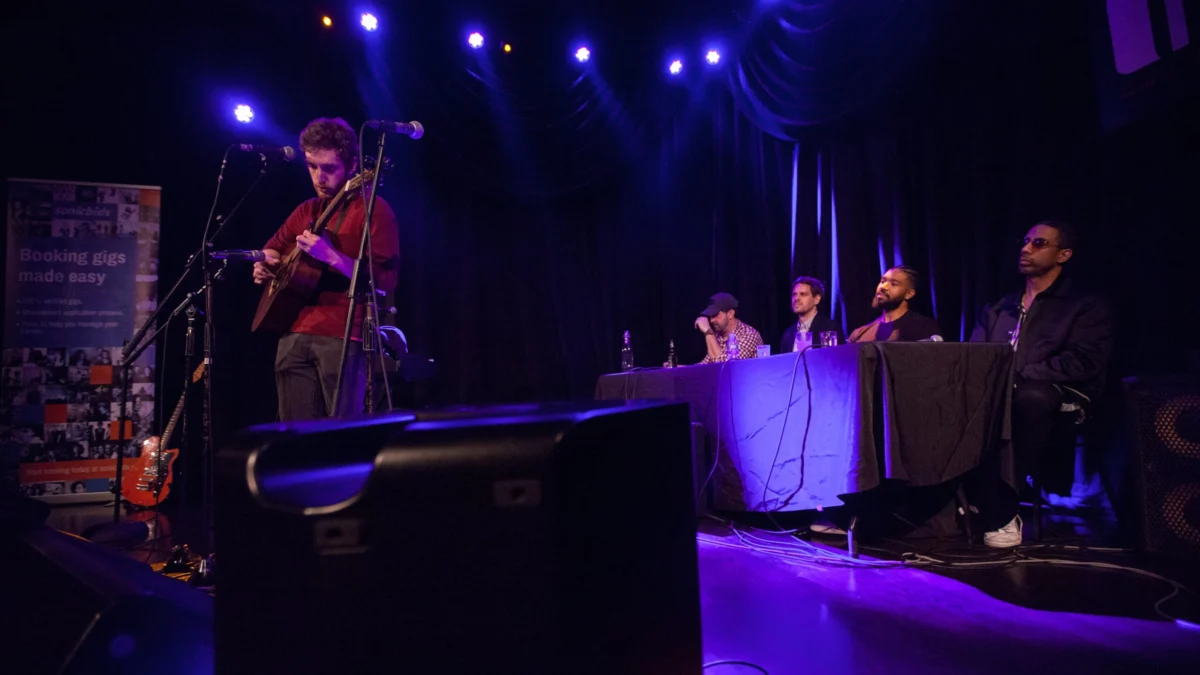
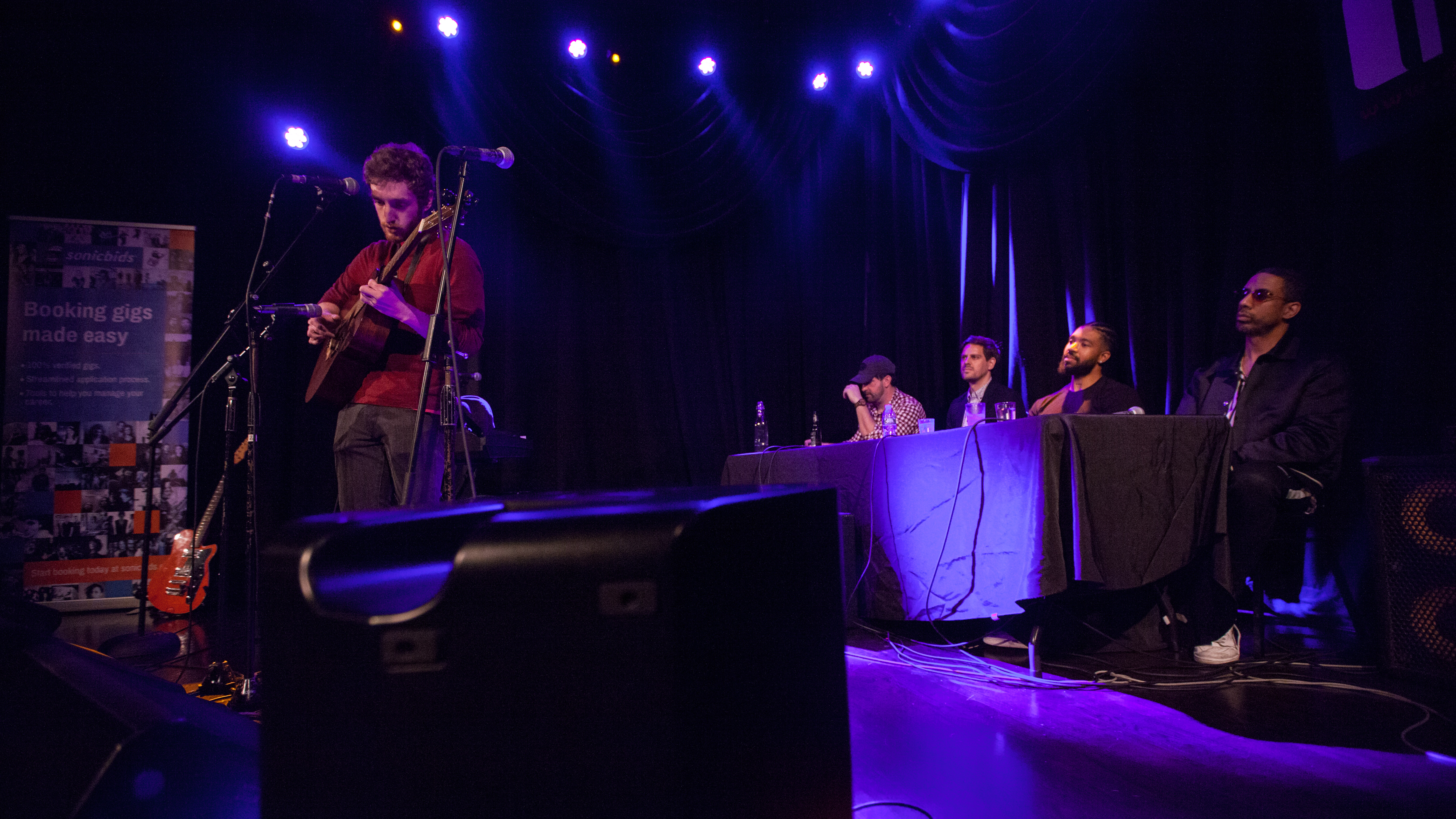
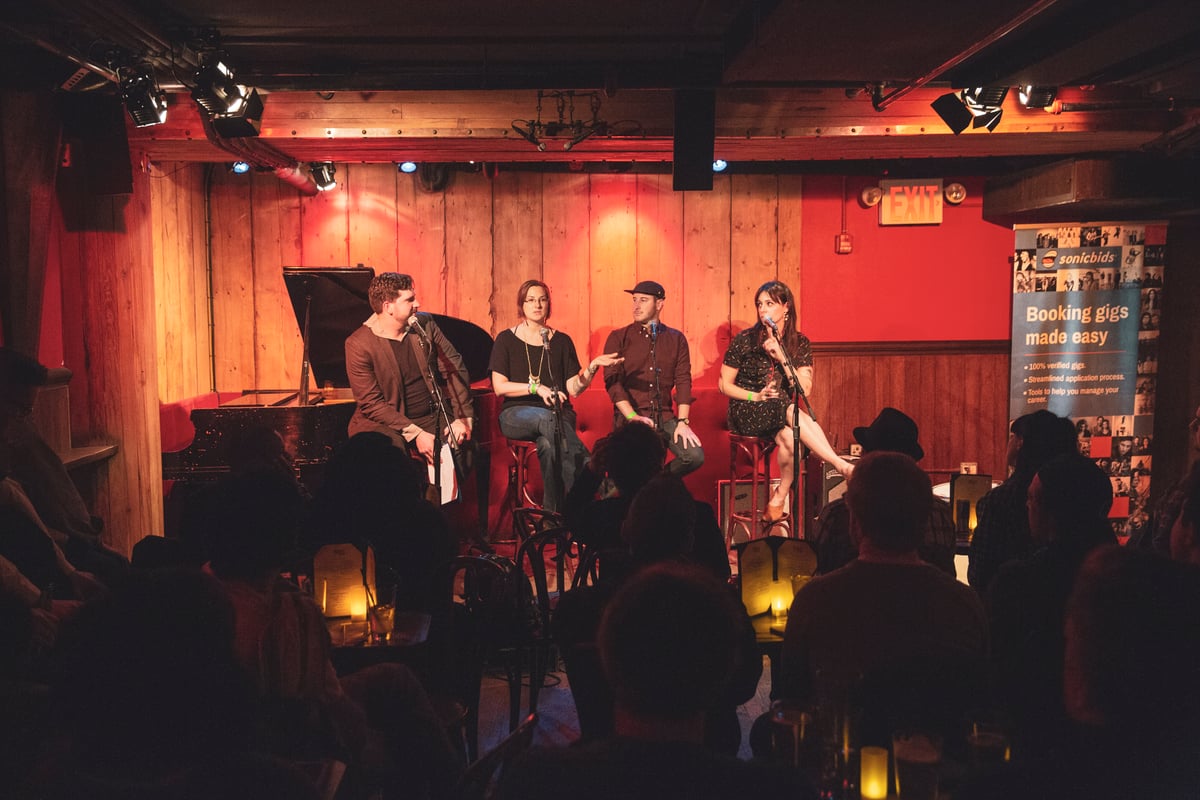
The professionalization of the independent sector has led to the rise of structured networking events disguised as educational opportunities. Organizations like Sonicbids have been at the forefront of this movement, hosting initiatives such as the Feedback Collective Panel Discussion and the Feedback Collective Songwriting Workshop. These events serve a dual purpose: they provide high-level industry insights while creating a "forced proximity" environment where musicians must interact with their peers.
The chronology of these events typically begins with a moderated discussion featuring established industry professionals—A&R scouts, sync agents, or veteran producers—followed by breakout sessions where participants share their work. In the Feedback Collective Songwriting Workshop, for example, the focus is on the "critique-and-refine" cycle. This structured interaction strips away the social anxiety of traditional networking. When musicians are tasked with providing constructive feedback on each other’s work, a level of professional trust is established. Logical analysis of these workshops suggests that the relationships formed during a three-hour intensive session are often more durable than those formed in the chaotic environment of a post-concert backstage area.
Technological Bridges: Leveraging Specialized Online Platforms
While mainstream social media platforms like Instagram and TikTok are essential for fan engagement, they are often too "noisy" for meaningful professional collaboration. Consequently, there has been a significant migration of serious artists toward specialized platforms designed for co-creation, such as BandLab, SoundCloud, and Vampr.
BandLab, which recently surpassed 60 million users, represents a shift toward "social music making." Unlike traditional digital audio workstations (DAWs) that operate in isolation, these platforms allow for cloud-based collaboration. A producer in London can lay down a beat, a bassist in Nashville can add a groove, and a vocalist in Tokyo can record the topline—all within the same project file. This globalized networking removes geographic barriers, allowing independent artists to build an international professional network from their home studios. Analysts note that artists who actively participate in these digital communities—by leaving thoughtful, technical comments and contributing to open projects—are 40% more likely to secure international touring opportunities through their newfound connections.
Operational Integration: The Strategic Value of Event Volunteering
For musicians looking to understand the mechanics of the industry while building a contact list, volunteering at music festivals and industry conferences remains a high-yield strategy. The "backstage economy" of a major music festival is a complex web of production managers, lighting technicians, talent buyers, and artists. By assuming a volunteer role—whether in artist relations, stage management, or hospitality—an independent musician gains an insider’s perspective on the logistical requirements of high-level performance.
The timeline of a festival volunteer often involves several days of pre-event setup, during which informal interactions with organizers are frequent. These organizers are the gatekeepers of the local and regional touring circuits. A volunteer who demonstrates reliability, professional conduct, and a genuine interest in the success of the event often finds themselves on a "shortlist" for future opening slots or local showcases. Furthermore, the shared experience of working toward a successful event creates a bond of "professional camaraderie" that can be leveraged long after the festival concludes.
Community Capital: Transforming Fanbases into Collaborative Networks
A common oversight among independent musicians is the failure to recognize their existing audience as a networking resource. The "1,000 True Fans" theory, popularized by Kevin Kelly, posits that an artist does not need mainstream stardom to be successful; they only need a dedicated core of supporters. In the modern era, this theory has evolved to include "co-creation."

By utilizing digital tools such as polls, surveys, and Discord communities, artists can involve their fans in the creative process. This might involve asking fans to suggest potential collaborators or even crowdsourcing specific musical elements. There are documented instances where a fan’s professional connection—such as a sibling who is a session player or a friend who runs a recording studio—has led to significant career breakthroughs for an artist. This strategy reinforces the "community" aspect of music, transforming passive listeners into active stakeholders in the artist’s career trajectory.
Economic and Cultural Implications for the Global Music Industry
The shift toward these diversified networking strategies has broader implications for the global music economy. As independent artists become more adept at self-organization and peer-to-peer collaboration, the reliance on traditional corporate structures continues to diminish. This "bottom-up" networking model fosters a more resilient and diverse musical culture, where niche genres can thrive through localized and digital support systems.
From an economic standpoint, the rise of collaborative networks reduces the "cost of entry" for emerging talent. When artists share resources—such as studio space, gear, and promotional efforts—the financial burden of maintaining a music career becomes more manageable. Furthermore, the data generated by these collaborations provides valuable insights for brands and investors looking to identify the next generation of "cultural influencers."
In conclusion, the modern independent musician must view networking not as a peripheral activity, but as a core competency. Whether through the multidisciplinary integration of local art scenes, the structured environment of Sonicbids workshops, the technical connectivity of digital platforms, or the grassroots involvement of a fanbase, the goal remains the same: to build a sustainable ecosystem where creativity can flourish. As the industry continues to evolve, those who embrace these collaborative strategies will be best positioned to navigate the complexities of the 21st-century musical landscape. The era of the "isolated genius" has passed; the future of music belongs to the connected community.
