

The global independent music sector has undergone a seismic shift over the last decade, transitioning from a peripheral segment of the industry to a dominant force that generated approximately $1.2 billion in 2023, according to Midia Research. As the barriers to entry for music production and distribution have effectively collapsed, the primary challenge for the estimated 12 million independent creators worldwide has shifted from "making" music to "marketing" and "connecting." In this saturated digital landscape, networking and strategic collaboration have emerged not merely as social endeavors but as essential business imperatives. Industry experts argue that the ability to foster community and leverage cross-disciplinary partnerships is now the primary differentiator between hobbyists and professional independent artists. While the prospect of networking often carries a connotation of intimidation, a new framework of unconventional engagement—ranging from interdisciplinary local events to fan-integrated creative processes—is redefining how artists build sustainable careers.
The Evolution of the Independent Collaborative Landscape
Historically, the trajectory of a musical career was dictated by "gatekeepers" such as A&R executives and talent scouts. However, the contemporary "creator economy" has decentralized this power, placing the onus of career development directly on the artist. This shift has necessitated a more sophisticated approach to professional relationships. The modern independent musician must function as a Chief Executive Officer, a Creative Director, and a Head of Public Relations simultaneously. Data from recent industry surveys suggests that nearly 70% of successful independent projects involve at least one collaborative element, whether in production, featured performances, or co-marketing efforts. This collaborative trend is driven by the "algorithmic advantage," where platforms like Spotify and Apple Music reward multi-artist tracks by exposing the content to the combined follower bases of all involved parties.
Trans-Disciplinary Networking: Beyond the Musical Echo Chamber
One of the most significant shifts in modern networking is the move toward trans-disciplinary collaboration. For many musicians, networking has traditionally been confined to venues and recording studios. However, contemporary market analysis indicates that the most innovative and commercially viable projects often emerge from the intersection of different art forms. Local art events—galleries, theater productions, and performance poetry slams—represent untapped reservoirs of professional opportunity.

Engaging with the visual arts community, for instance, offers a symbiotic relationship. A sculptor or digital artist may require a bespoke sonic landscape for an installation, providing the musician with a unique sync licensing opportunity and exposure to a high-net-worth demographic of art collectors. Similarly, the theater industry remains one of the largest employers of original music, yet it is frequently overlooked by independent songwriters. By attending local gallery openings and theater workshops, musicians can position themselves as essential components of a broader creative ecosystem. This "creative placemaking" not only diversifies an artist’s portfolio but also builds a localized support network that is resilient to the fluctuations of the global streaming market.
The Rise of Organized Creative Hubs: The Sonicbids Model
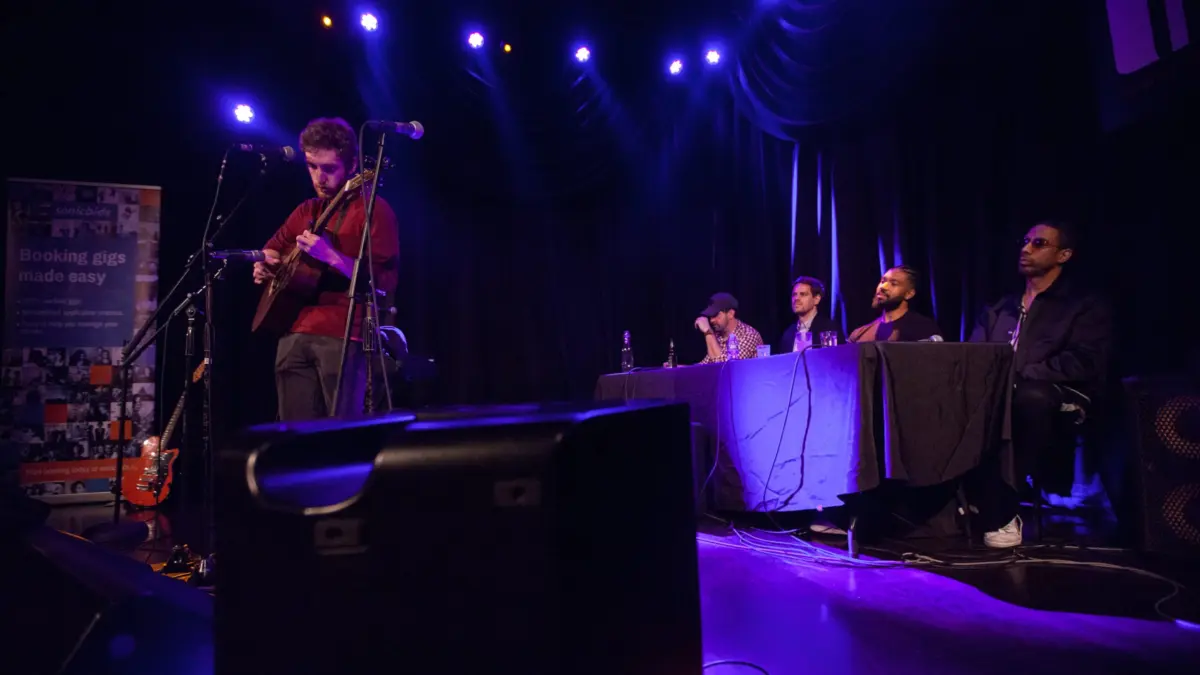
The role of organized educational and creative hubs has become increasingly central to the professionalization of the independent sector. Organizations such as Sonicbids have spearheaded initiatives like the "Feedback Collective," which includes panel discussions and songwriting workshops designed to bridge the gap between raw talent and industry standards. These events provide a structured environment where the "intimidation factor" of networking is mitigated by a shared goal of professional development.
The chronology of these workshops typically follows a path from theoretical knowledge to practical application. In the panel discussion phase, industry veterans and established artists provide insights into market trends and technical proficiency. This is followed by songwriting workshops where musicians from disparate genres—such as a rock guitarist and a jazz saxophonist—are encouraged to co-create. The result is often a "fusion sound" that defies traditional genre categorization, a quality highly sought after by modern playlist curators. Participants in these sessions frequently report that the rapport built during a three-hour workshop is more professionally substantive than months of digital interaction.
Digital Ecosystems and the Shift Toward Asynchronous Collaboration
While physical networking remains vital, the digital landscape has evolved beyond the promotional utility of Instagram and X (formerly Twitter). Platforms specifically engineered for creator collaboration, such as BandLab and SoundCloud, have introduced a new era of asynchronous production. BandLab, which recently surpassed 60 million users, allows artists to share "forkable" tracks—musical stems that other creators can build upon.

This model of networking is rooted in the "gift economy," where value is generated through contribution rather than direct transaction. By leaving thoughtful, technically-minded comments on the work of peers and proposing direct collaborative projects, musicians can build international reputations without leaving their home studios. This digital-first approach is particularly effective for niche genres, where the local scene may be insufficient to support a specialized sound. The data indicates that artists who engage in at least three collaborative digital projects per year see a 25% higher growth rate in their monthly listeners compared to solo acts.
Operational Networking: The Strategic Value of Festival Involvement
Music festivals represent the pinnacle of the industry’s social and professional hierarchy. For many independent artists, the goal is to perform on these stages; however, industry insiders suggest that the most effective networking often happens "behind the curtain." Volunteering for festival operations or event management provides an unparalleled vantage point. In these roles, musicians gain direct access to event organizers, stage managers, and high-level industry professionals who are otherwise inaccessible.
The chronological experience of a festival volunteer—from the initial logistics planning to the high-pressure environment of live execution—fosters a unique type of professional bond. These interactions are based on shared labor and mutual reliability, which are the foundations of long-term business partnerships. Many successful independent careers have been launched not from a demo tape sent to an office, but from a conversation held in a festival production tent. The "access economy" within these events allows musicians to demonstrate their professionalism and work ethic, traits that are often as valued as musical talent in the eyes of talent buyers.
Leveraging the Fanbase as a Collaborative Engine
A frequently neglected asset in the networking toolkit is the existing fanbase. The transition from "audience" to "community" is a hallmark of the modern independent success story. Direct-to-Fan (D2F) models, supported by platforms like Patreon, Discord, and specialized mailing lists, allow musicians to involve their listeners in the creative and networking process.

By utilizing surveys, polls, and direct feedback loops, musicians can crowdsource their next collaborative move. Fans often possess localized knowledge or personal connections that the artist does not. A fan might facilitate an introduction to a local vocalist or a graphic designer, effectively serving as an informal street team and A&R department. This level of engagement increases "fan stickiness"—the likelihood that a listener will remain loyal over a long period—while simultaneously expanding the artist’s professional reach. When fans feel a sense of "psychological ownership" over a project, they are significantly more likely to promote it within their own social circles, creating an organic growth engine.
Economic and Professional Implications: A Fact-Based Analysis
The implications of these networking strategies extend beyond individual career growth; they represent a fundamental restructuring of the music industry’s labor market. As more artists adopt these proactive, multi-channel networking tactics, the traditional "label-as-savior" narrative is being replaced by a "network-as-infrastructure" model.
Analysis of the independent sector suggests that "network density"—the number and quality of professional connections an artist maintains—is a leading indicator of financial stability. Artists with high network density are better positioned to secure sync deals, high-value live bookings, and brand partnerships. Furthermore, the diversification of networking into local art scenes and volunteer positions provides a buffer against the volatility of digital platforms. If a social media algorithm changes, the artist with a strong, multi-faceted physical and digital network remains insulated.
Conclusion: The Imperative of the Active Networker
Networking and collaboration are no longer optional "soft skills" for the independent musician; they are the structural supports of a modern creative career. The evidence suggests that the most successful artists are those who view every interaction—whether at a local gallery, a Sonicbids workshop, or on a digital collaborative platform—as a strategic opportunity.

By embracing a professional, journalistic approach to their careers, independent musicians can move past the intimidation of the "scene" and begin building a robust professional ecosystem. The shift toward community-based creativity is not merely a trend but a response to the economic realities of the 21st-century music market. As the industry continues to evolve, the ability to connect, collaborate, and contribute will remain the most valuable currency an artist can possess. The path to a sustainable career in music is increasingly paved with the connections made today, turning the "overwhelming" world of talent into a collaborative landscape of infinite potential.
