

The year 1961 stands as a pivotal bridge in the history of American popular music, marking a sophisticated transition between the raw, rebellious energy of 1950s rock and roll and the polished, production-heavy sounds that would eventually herald the British Invasion. It was a period of significant reconfiguration within the industry. The primary architects of the genre’s first wave were largely absent from the forefront: Little Richard had pivoted to the ministry, Chuck Berry was embroiled in a protracted legal battle involving the Mann Act, and Jerry Lee Lewis was still reeling from the fallout of his controversial marriage. Meanwhile, Elvis Presley had returned from his military service and was being systematically rebranded by Colonel Tom Parker as a mainstream cinematic star rather than a counter-culture provocateur.
This vacuum in the rock and roll hierarchy allowed for a diverse array of artists to experiment with the genre’s boundaries. The result was a year defined by melodic innovation, the integration of rhythm and blues into the pop mainstream, and the early use of electronic instrumentation. Four specific tracks—"Runaway," "Tossin’ and Turnin’," "Quarter To Three," and "Rock-A-Hula Baby"—not only dominated the airwaves in 1961 but also served as a blueprint for the future of rock music.
The 1961 Musical Landscape: A Year of Transition and Innovation
To understand the impact of these four songs, one must look at the broader industry data of 1961. The music business was undergoing a professionalization phase. The "Payola" scandals of the late 1950s had forced radio stations to move toward more structured playlists, and the rise of the Brill Building in New York City meant that songwriting was becoming more calculated and refined. According to Billboard’s year-end statistics for 1961, the charts were a mix of traditional pop, emerging soul, and the evolving "rock jam."
The shift was palpable. In early 1961, the top-selling artists were no longer just the guitar-shredding wildmen of the previous decade. Instead, the industry saw the rise of the "teen idol" and the "studio innovator." The following chronology details how 1961 unfolded through its most influential rock recordings, each bringing a unique element to the evolving American soundscape.
Del Shannon’s "Runaway" and the Dawn of Electronic Rock
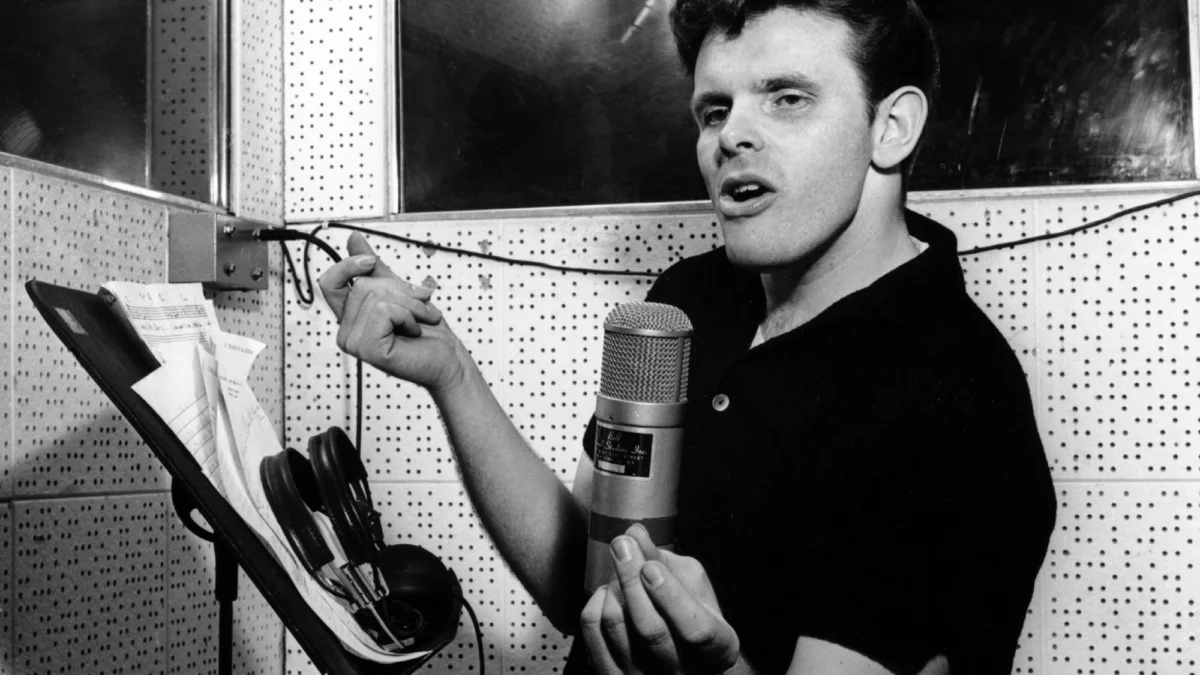
In January 1961, a young artist named Del Shannon recorded a track at Bell Sound Studios in New York City that would change the sonic texture of rock music. Released in February, "Runaway" reached the number-one spot on the Billboard Hot 100 by April and remained there for four consecutive weeks.
The song was revolutionary for several reasons. Musically, it departed from the standard I-IV-V blues progression common in early rock, utilizing a haunting A-minor to G-major sequence that gave it a brooding, European feel. However, its most significant contribution was the "Musitron." Played by keyboardist Max Crook, the Musitron was a heavily modified Clavioline—an early precursor to the modern synthesizer. The piercing, high-pitched solo during the bridge provided a futuristic sound that audiences had never heard on a rock record.
Industry analysts of the time noted that "Runaway" succeeded because it captured a sense of teenage angst that was more mature than the "bubblegum" pop of the era. Del Shannon’s use of falsetto in the chorus—the famous "wah-wah-wah-wah wonder"—became a vocal hallmark that influenced later artists like Lou Christie and even The Beach Boys. The track sold over a million copies within months of its release, proving that there was a massive market for rock songs with minor-key complexities and experimental instrumentation.
Bobby Lewis and the Record-Breaking Dominance of "Tossin’ and Turnin’"
While "Runaway" provided the innovation, Bobby Lewis’s "Tossin’ and Turnin’" provided the commercial sheer force. Released on the Beltone label, the song hit number one in the summer of 1961 and stayed there for seven weeks. By the end of the year, Billboard officially named it the Number One Song of 1961.
The track is a masterclass in early 1960s R&B-infused rock. It features a driving rhythm, punchy brass arrangements, and a call-and-response vocal structure that bridged the gap between the doo-wop of the 1950s and the soul music of the 1960s. The song’s lyrical theme—the inability to sleep due to romantic obsession—was universal, but it was the production that made it a "jam." The recording utilized a heavy backbeat and a clear, crisp vocal delivery that made it a favorite for the emerging dance-craze culture.
The success of "Tossin’ and Turnin’" was a significant indicator of the "crossover" trend. Bobby Lewis, an African American artist, achieved massive success on both the R&B and Pop charts, signaling a gradual desegregation of the airwaves that would continue throughout the decade. The song’s longevity on the charts (spending a total of 23 weeks in the Top 100) remains one of the most impressive feats of the pre-Beatles era.
Gary U.S. Bonds and the High-Energy "Quarter To Three"
In May 1961, Gary U.S. Bonds released "Quarter To Three," a song that captured the raw, unpolished energy of a live party. Unlike the clean studio productions coming out of the Brill Building, "Quarter To Three" was recorded at Legrand Records in Norfolk, Virginia, using a technique that prioritized "vibe" over technical perfection.
The song originated as an instrumental titled "A Night with Daddy G," performed by the Church Street Five. Bonds added lyrics and a vocal performance that sounded as if it were being shouted across a crowded room. The result was a "wall of sound" that preceded Phil Spector’s famous techniques. The track featured heavy reverb, handclaps, and a raucous saxophone solo by Gene "Daddy G" Barge.
"Quarter To Three" reached number one in June 1961. Its impact was profound, particularly on the future of American rock. Bruce Springsteen, who has frequently covered the song in his live sets, has cited Gary U.S. Bonds’ 1961 hits as a primary influence on the "Jersey Shore" sound. The song proved that rock and roll didn’t need to be "clean" to be a hit; it just needed to be loud and infectious. This "party record" aesthetic would become a staple of the early 1960s, influencing everything from "Louie Louie" to the early garage rock movement.
Elvis Presley’s "Rock-A-Hula Baby" and the Cinematic Shift
While newcomers were carving out new niches, the "King of Rock and Roll" was navigating a different path. In late 1961, Elvis Presley released the soundtrack to his film Blue Hawaii. Among the tracks was "Rock-A-Hula Baby," a song that perfectly encapsulated Presley’s transition from a Memphis rebel to a global multi-media entertainer.
Released as a double A-side with the legendary ballad "Can’t Help Falling in Love," "Rock-A-Hula Baby" was a commercial juggernaut. It reached number 23 on the Billboard Hot 100 but performed even better internationally, reaching number one in several markets including Australia and the UK. The song blended traditional rockabilly rhythms with Hawaiian-themed instrumentation and lyrics, a move that critics at the time viewed as a clever marketing ploy to capitalize on the new 50th state’s popularity.
From a journalistic perspective, "Rock-A-Hula Baby" represents the commodification of rock music. It was a "safe" version of rock and roll designed for family-friendly cinema audiences. However, the song’s success reaffirmed Presley’s status as a dominant cultural force. Even when he wasn’t pushing the musical envelope, his name value alone could turn a movie-tie-in track into a national anthem. The Blue Hawaii album spent 20 weeks at number one on the Billboard 200, a record for a soundtrack that stood for decades.
Broader Impact and Historical Implications
The legacy of these four songs extends far beyond their 1961 chart positions. Collectively, they represent the "State of the Union" for rock music during a period of uncertainty.
- Technological Advancement: The use of the Musitron in "Runaway" paved the way for the psychedelic and progressive rock movements of the late 60s. It proved that electronic sounds could have a place in mainstream guitar music.
- Production Evolution: The contrast between the polished R&B of Bobby Lewis and the "party noise" of Gary U.S. Bonds showed that production style was becoming as important as the song itself. This dichotomy would define the 1960s, leading to the sophisticated arrangements of the Motown sound and the raw energy of the British Invasion.
- Cultural Integration: The crossover success of artists like Bobby Lewis and Gary U.S. Bonds in 1961 was a precursor to the Motown explosion of 1963-1964. These tracks helped normalize R&B rhythms for a white teenage audience, creating a unified youth culture.
- The Rise of the Soundtrack: Elvis Presley’s success in 1961 demonstrated the power of the "multimedia" star. The synergy between film and music became a standard business model for the industry, one that would later be utilized by the Beatles with A Hard Day’s Night.
In conclusion, 1961 was not a "quiet" year for rock and roll; it was a year of deep-seated transformation. While the original pioneers were in hiatus, Del Shannon, Bobby Lewis, Gary U.S. Bonds, and Elvis Presley were busy refining the genre. These four classic jams provided the soundtrack for a generation of baby boomers and established the creative and commercial infrastructure upon which the rest of the 1960s would be built. They remain essential listening for anyone seeking to understand the evolution of the American musical identity.
