

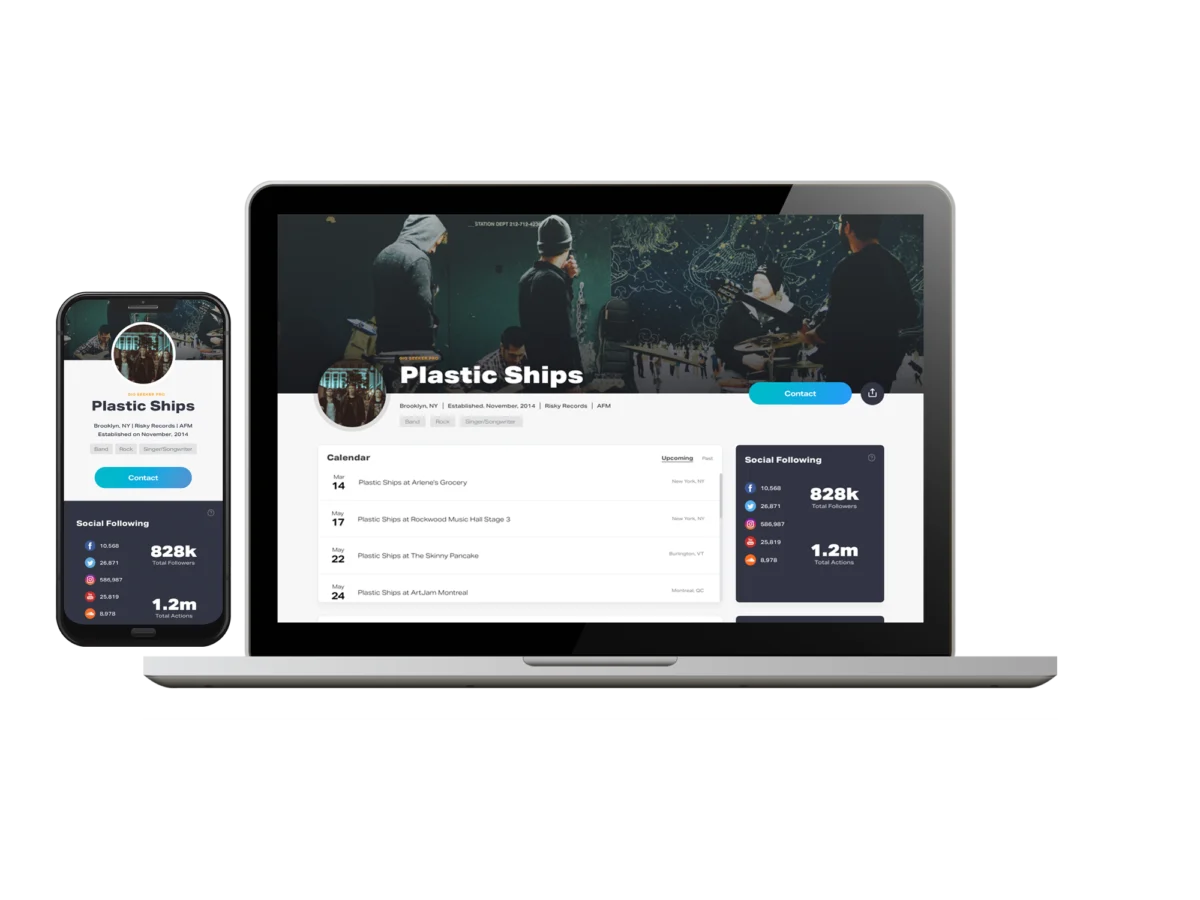
The Electronic Press Kit, commonly referred to as an EPK, has transitioned from a supplementary promotional tool to a mandatory professional requirement for independent artists navigating the complexities of the global music market. In an era defined by rapid digital consumption and an oversaturated media landscape, the EPK serves as a centralized, professional hub that distills an artist’s identity, achievements, and musical output into a digestible format for industry gatekeepers. As the music industry continues to decentralize, the ability for an artist to present a cohesive and professional narrative through an EPK has become a primary factor in securing bookings, media coverage, and label interest.
The Historical Evolution of Music Promotion
To understand the current significance of the EPK, one must examine the historical trajectory of music promotion. For decades, the "press kit" was a physical entity—a folder containing a glossy 8×10 photograph, a printed biography, a physical demo tape or compact disc, and photocopies of newspaper clippings. These kits were expensive to produce and even more costly to distribute via traditional mail. The high barrier to entry meant that only artists with significant financial backing or label support could effectively reach talent buyers and journalists.
The paradigm shifted in the early 2000s with the advent of high-speed internet and the launch of platforms like Sonicbids in 2001. Sonicbids pioneered the digital standard for the industry, allowing artists to host their materials online and submit them to festivals and promoters with a single click. This technological leap democratized access to opportunities, enabling independent artists to compete for the same stages as major-label acts. Today, the physical press kit is nearly obsolete, replaced by sophisticated, cloud-based EPKs that integrate streaming audio, high-definition video, and real-time social media analytics.
Core Components of a High-Impact Electronic Press Kit
A professional EPK is more than a simple collection of links; it is a curated digital resume designed to respect the limited time of industry professionals. Journalistic analysis of successful kits reveals five essential elements that must be present to ensure maximum efficacy:
- The Artist Biography: This is not merely a chronological list of events but a narrative that defines the artist’s "brand." Professionals look for a "short bio" (one paragraph) for quick social media or program use, and a "long bio" for deeper editorial features.
- High-Resolution Visual Assets: Promoters require professional-grade photography that fits various formats, including vertical orientations for social media and horizontal layouts for web banners. These images must reflect the artist’s current aesthetic to maintain brand consistency.
- Curated Audio and Video: Instead of a full discography, an EPK should feature two or three "focus tracks." Video content, particularly high-quality live performance footage, is often the most scrutinized element by festival bookers who need to verify an artist’s ability to command a stage.
- Press Clippings and Social Proof: Credibility is established through the validation of others. This includes quotes from reputable music journals, statistics from streaming platforms (such as achieving 10,000 monthly listeners), and a list of notable venues or festivals played.
- Contact and Technical Information: Clear contact details for management or booking are vital. Furthermore, the inclusion of a "Technical Rider" and "Stage Plot" demonstrates a level of professionalism that reassures venue engineers and event coordinators.
Supporting Data: The Impact of Professional Presentation on Booking Success
Industry data suggests that the presence of a professional EPK significantly correlates with an artist’s ability to secure higher-paying opportunities. According to industry surveys of talent buyers at mid-sized venues and international festivals, approximately 85% of respondents indicate they are unlikely to consider an artist who does not provide a centralized digital press kit. The rationale is rooted in efficiency; a talent buyer reviewing 500 applications for a festival slot cannot afford to search multiple platforms to find an artist’s music, photos, and technical requirements.
Furthermore, data from digital distribution platforms highlights the importance of "EPK-ready" assets. Artists who maintain updated press kits see a 30% higher rate of playlist consideration by independent curators, as these curators often require high-resolution artwork and background information to accompany their selections. In the competitive landscape of independent music, where over 100,000 tracks are uploaded to streaming services daily, the EPK acts as a filter that separates serious professionals from hobbyists.
Streamlining Communication and Industry Efficiency
The primary function of an EPK is the reduction of friction in professional communication. In a traditional outreach scenario, an artist might send an email containing five different links to Spotify, YouTube, Instagram, and various news articles. This approach creates a "choice paralysis" for the recipient and increases the likelihood of technical errors or broken links.
An EPK simplifies this by providing a single URL that houses all necessary data. This "one-stop-shop" approach is highly valued by music journalists and PR agents. For example, a journalist working on a tight deadline for a "New Artist" feature is more likely to cover an artist whose high-resolution photos and biography are immediately downloadable from an EPK, rather than an artist who requires a back-and-forth email exchange to provide assets. This efficiency is a form of professional courtesy that builds long-term relationships between artists and the media.
Building Credibility and Brand Authority
In the independent sector, credibility is a currency. An EPK serves as a portfolio that showcases an artist’s "wins." When a promoter sees a polished EPK featuring endorsements from previous performances or significant streaming milestones, the perceived risk of booking that artist decreases.
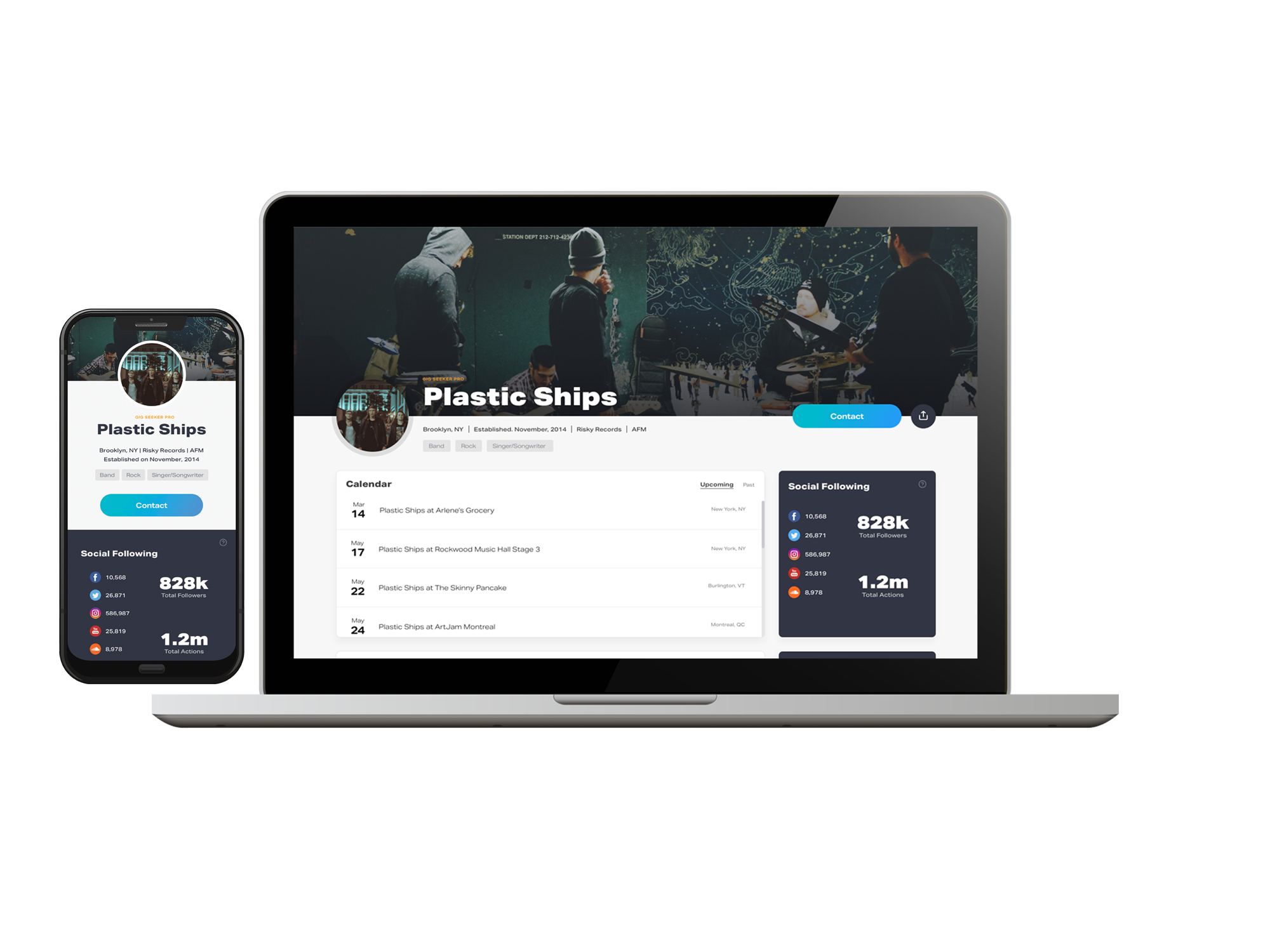
Analysis of industry trends shows that "social proof" remains one of the most persuasive elements in talent acquisition. If an indie artist can demonstrate through their EPK that they have successfully drawn crowds in similar markets or received positive critical reception from local media, they provide the data points necessary for a promoter to justify a financial investment. This professional presentation distinguishes the artist in a crowded marketplace where talent is abundant but professionalism is often lacking.
The Global Reach and Accessibility Factor
The digital nature of the EPK allows for 24/7 accessibility across all time zones, which is critical for artists seeking international tours or global licensing deals. A booking agent in London can review the materials of an artist based in Nashville at any time without the delays associated with physical mail or time-zone-restricted communication.
Moreover, the shareability of a link allows for viral professional growth. If a talent buyer is impressed by an artist, they can easily forward the EPK link to other promoters or agency colleagues. This ease of sharing facilitates a word-of-mouth ecosystem within the industry, where high-quality kits are passed around among influential figures, leading to unexpected opportunities for collaboration and exposure.
A Platform for Continuous Growth and Career Evolution
The music industry is dynamic, and a static promotional strategy is a liability. A key advantage of the modern EPK is its ability to evolve. As an artist achieves new milestones—such as a successful tour, a new single release, or a significant award—the EPK can be updated in real-time. This ensures that the version of the artist presented to the world is always the most current and impressive.
Regular updates also signal to industry professionals that the artist is active and on an upward trajectory. A kit that includes recent live photos from a 2024 tour is far more compelling than one featuring photos from 2021. This commitment to maintaining a current digital presence reflects an artist’s dedication to their career and provides a chronological record of their growth, which can be invaluable when pitching to major labels or high-tier management firms.
Broader Impact and Implications for the Independent Sector
The widespread adoption of the EPK has broader implications for the democratization of the music industry. It has effectively lowered the "information barrier," allowing artists from geographically isolated areas to reach global influencers. However, this democratization also means that the standard for quality has risen. As more artists gain access to professional EPK tools, the quality of the content—the music, the photography, and the storytelling—becomes the primary differentiator.
The emergence of AI and data analytics is also beginning to influence the EPK landscape. Future iterations of press kits are expected to integrate real-time data from social media and streaming platforms automatically, providing a live "dashboard" of an artist’s career health. This shift toward data-transparency will likely lead to a more meritocratic booking environment, where decisions are based on a combination of artistic merit and verifiable audience engagement.
Final Assessment of the EPK’s Utility
The Electronic Press Kit remains a cornerstone of the modern music business infrastructure. By providing a concise representation of artistry, simplifying communication, boosting credibility, and offering a scalable platform for growth, it empowers independent artists to take control of their professional narratives. For the artist, the EPK is a tool of empowerment; for the industry professional, it is a tool of efficiency.
As the industry continues to evolve toward a more digital and data-driven model, the importance of a well-maintained EPK will only increase. It is no longer an optional luxury but a fundamental component of a successful music career. Artists who prioritize the creation and maintenance of a high-quality EPK are essentially investing in their own professional legitimacy, ensuring that when opportunity strikes, they are prepared to meet it with a presentation that reflects their talent and ambition.
