

The rapid evolution of the digital music landscape has transformed the "link in bio" from a simple list of URLs into a sophisticated central hub for artist branding, fan engagement, and direct-to-fan monetization. As social media platforms like Instagram, TikTok, and X (formerly Twitter) continue to restrict outbound linking to a single profile slot, musicians are increasingly turning to advanced "supercharged" bio tools to consolidate their digital presence. Music marketing expert and author Jesse Cannon, a prominent voice in independent artist development, recently conducted an extensive evaluation of available platforms, identifying Koji as a premier solution for musicians, producers, and instrumentalists seeking to maximize their professional first impressions.
The Strategic Necessity of a Centralized Digital Hub
In the contemporary music industry, an artist’s digital footprint is often fragmented across streaming services like Spotify and Apple Music, social media platforms, merchandise stores, and touring schedules. This fragmentation creates significant friction in the "fan journey"—the process by which a casual listener becomes a dedicated supporter. Industry data suggests that every additional click required to reach a destination (such as a ticket purchase page or a newsletter sign-up) results in a significant drop-off in conversion rates.

A centralized link in bio acts as a landing page that mitigates this friction. However, the standard "link list" model popularized by early entrants in the space is increasingly viewed as insufficient for the needs of modern creators. The shift toward "mini-apps" and integrated storefronts allows artists to keep fans within their ecosystem longer, providing a seamless experience that mirrors a high-end personal website without the overhead costs or technical complexity of traditional web hosting.
First Impressions and the Psychology of Fan Conversion
The concept of the "first impression" is central to Jesse Cannon’s endorsement of Koji. In his analysis, Cannon emphasizes that the initial interaction a fan has with an artist’s link can determine the long-term trajectory of that relationship. "Truly one of the most overlooked parts of building a fan base is the first impression you make on fans," Cannon noted, highlighting that a cluttered or unprofessional interface can alienate potential listeners before they ever hear a note of music.
Koji addresses this by providing a suite of free customization tools that allow musicians to maintain visual and narrative consistency. Unlike rigid templates, these tools enable artists to use personalized graphics, custom text, and high-definition video backgrounds. This level of aesthetic control ensures that the link in bio feels like an extension of the artist’s brand rather than a third-party utility. By providing a high-quality user experience (UX), artists can more effectively convert passive social media followers into active participants in their ecosystem.

The Koji App Store: A Technical Paradigm Shift
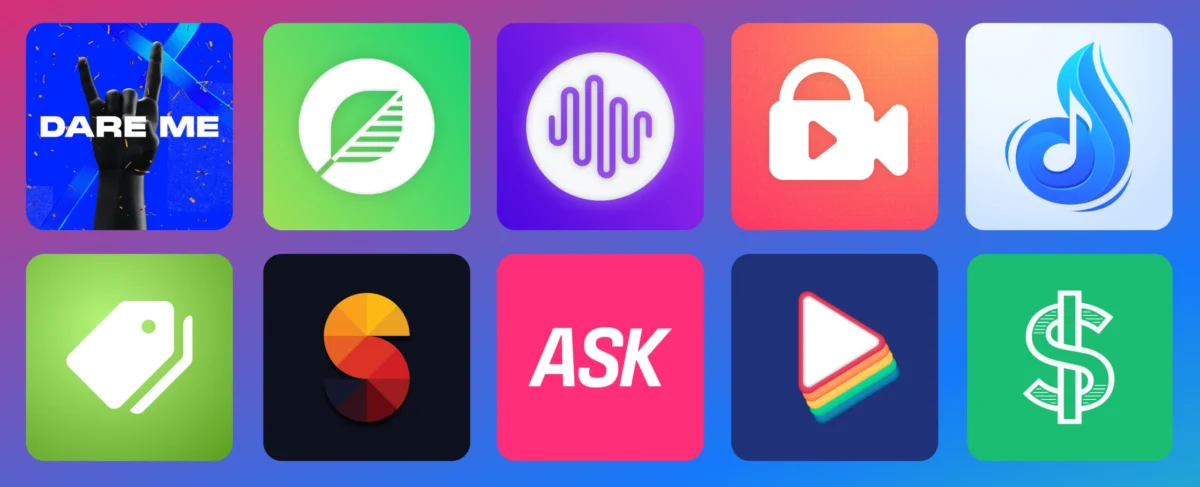
The defining feature that distinguishes Koji from competitors such as Linktree or Beacons is its integrated App Store. This architecture allows for the deployment of "mini-apps"—lightweight, web-based applications that run directly within the link in bio interface. From a technical standpoint, these are not traditional iOS or Android apps that require a download from a mobile store; rather, they are Progressive Web Applications (PWAs) that function instantly on any device.
Cannon describes this as a significant advantage for high-quality marketing. "There’s nothing [fans or musicians] need to download," he explained. "Their app store has so many cool possibilities for doing high-quality marketing to your audience." For musicians, this means they can embed music players, tip jars, email sign-up forms, and even NFT galleries directly into their bio. This "one-stop-shop" functionality is critical for maintaining engagement, as it prevents the "bounce rate" associated with sending users to external sites.
Monetization and the Creator Economy
The economic landscape for musicians has shifted dramatically over the last decade. With streaming royalties often failing to provide a living wage for independent artists, direct-to-fan (D2F) monetization has become a vital revenue stream. According to a 2023 report on the creator economy, independent creators are increasingly relying on "micro-transactions" and direct support rather than traditional gatekeepers.

Koji’s mini-apps are designed to facilitate this shift. The platform offers various monetization avenues, including:
- Digital Storefronts: Selling unreleased tracks, sample packs, or sheet music directly.
- Locked Content: Providing exclusive videos or "behind-the-scenes" access in exchange for a small fee or an email address.
- Tipping and Requests: Allowing fans to support the artist directly or pay for personalized shout-outs and song requests.
Critically, Koji’s model often involves lower transaction fees compared to traditional e-commerce platforms or the 30% "Apple Tax" associated with in-app purchases on mobile devices. This allows a higher percentage of revenue to remain with the creator, a factor that is essential for the sustainability of independent music careers.
Timeline of the Link in Bio Evolution
To understand the current importance of Koji, it is helpful to view the evolution of the link in bio sector:

- 2014–2016: The "Link List" Era. Early platforms emerge to solve Instagram’s "one link" limitation by providing a simple list of buttons.
- 2017–2019: The "Branding" Era. Platforms begin adding basic customization, such as background colors and font choices, to help artists align the link with their visual identity.
- 2020–2022: The "Integration" Era. The rise of the creator economy leads to the integration of external services (e.g., embedding a YouTube video or a Spotify player).
- 2023–Present: The "App-Based" Era. Led by Koji, the focus shifts to internal functionality. The link in bio becomes a decentralized operating system where transactions and interactions happen natively within the profile.
Strategic Implementation: Building the Ultimate Profile
For musicians looking to maximize their reach, Jesse Cannon suggests a strategic approach to building a Koji profile. The process involves more than simply adding links; it requires curated storytelling. The following strategies are recommended for optimal performance:
1. Prioritize Direct Communication: Using apps to collect email addresses or phone numbers is paramount. In an era of changing social media algorithms, owning a direct line to the fan base is the only way to guarantee message delivery.
2. Utilize Video Headers: Incorporating a short, engaging video at the top of the profile can increase "dwell time" (the amount of time a user spends on the page).
3. Update Regularly: A static profile suggests a stagnant career. Musicians should update their Koji profile to reflect current tours, new releases, or trending content.
4. Leverage Social Proof: Integrating apps that show recent fan interactions or top supporters can create a sense of community and encourage new fans to join.
5. Diversify Revenue Streams: Rather than just linking to a merch store, artists should use multiple mini-apps to offer various price points, from free email exchanges to high-value digital assets.
Broader Implications for the Music Industry
The adoption of advanced link in bio tools like Koji reflects a broader trend toward the democratization of music marketing. Historically, the tools required to build a sophisticated digital storefront and fan CRM (Customer Relationship Management) system were only available to major label artists with significant budgets. Today, an independent producer in a home studio can deploy the same level of technical infrastructure as a global superstar.
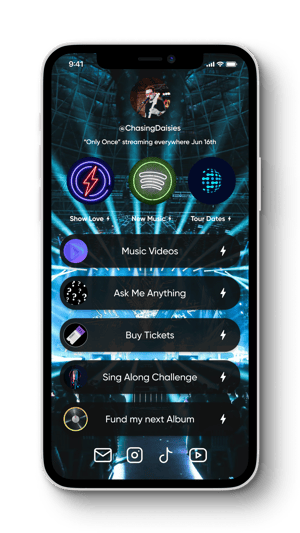
Furthermore, this shift challenges the dominance of centralized platforms. By moving the point of sale and the point of engagement to a "link in bio" that the artist controls, musicians are reclaiming their data and their profits. Industry analysts suggest that as more artists adopt these "mini-website" models, the reliance on traditional social media platforms for anything other than top-of-funnel discovery will continue to diminish.
Jesse Cannon’s analysis concludes that the "supercharged" link in bio is not merely a convenience but a business necessity. "This isn’t a traditional link in bio page," Cannon stated. "It’s a place where you can regularly send your fans to get a good impression and build your business." As the digital economy continues to evolve, the ability to facilitate a deeper connection with fans through a single, powerful link will likely remain the cornerstone of successful music marketing.
The move toward these integrated systems also signals a future where "social commerce" becomes the primary driver of artist revenue. By merging the social experience with the commercial experience, Koji provides a blueprint for how musicians can navigate an increasingly complex digital world. For the artist, the goal is clear: make it as easy as possible for a fan to listen, engage, and support. With the right tools, the distance between a "like" on a screen and a transaction in a bank account has never been shorter.
