

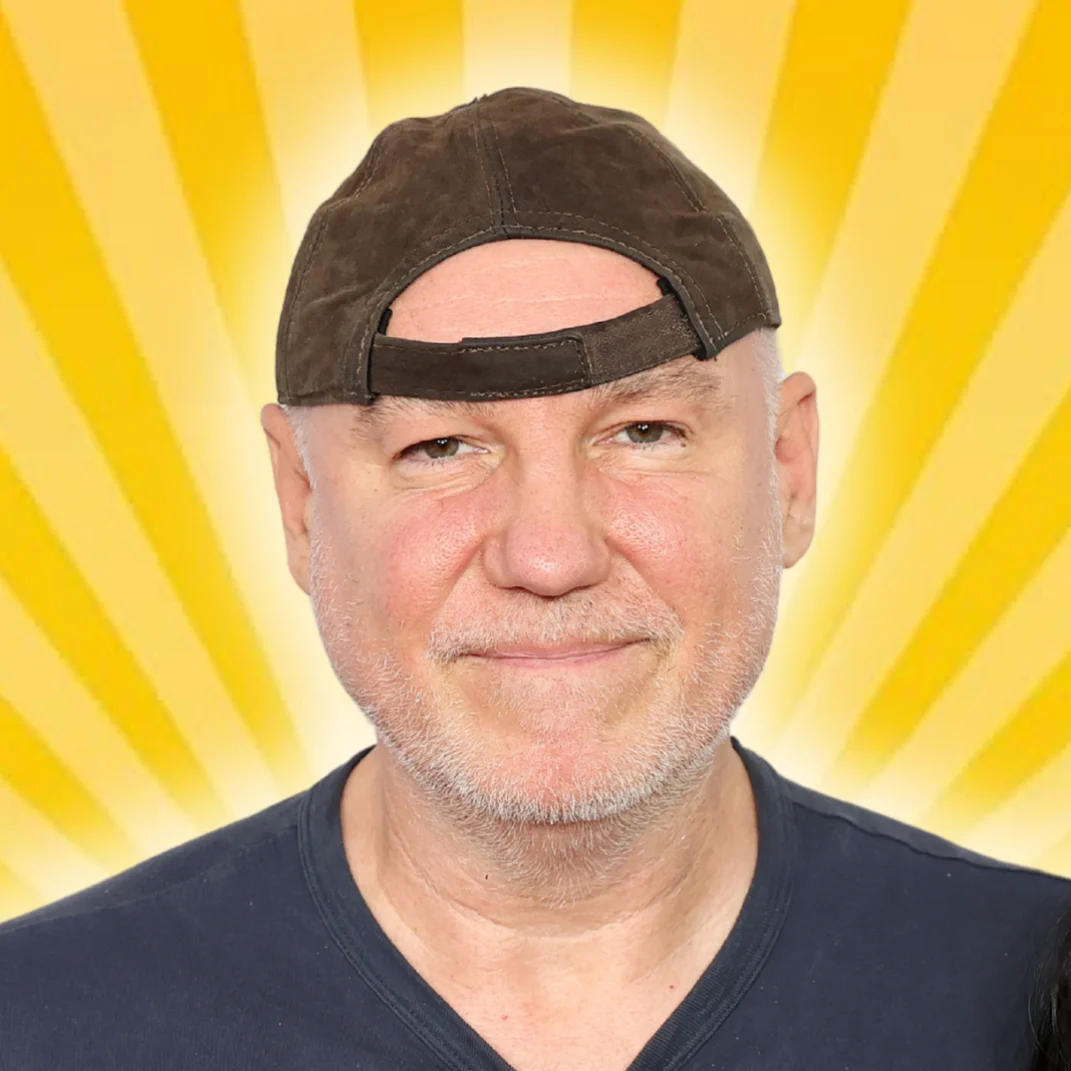
Gregg Alexander, the enigmatic creative force behind the acclaimed 1990s musical project New Radicals, alongside long-time collaborator Danielle Brisebois, has released "One Night Only (Break Loose Break Free!)," marking the first newly recorded song credited to New Radicals since their sole album, Maybe You’ve Been Brainwashed Too, was released in 1998. This unexpected return to the New Radicals moniker serves as the theme song for the forthcoming romantic comedy One Night Only, featuring Monica Barbaro and Callum Turner. The new track, co-written and performed by Alexander, Brisebois, and Brisebois’ husband, Nick Lashley, revisits the signature piano-driven pop-rock and spoken-word elements that defined their original sound.
A Brief, Brilliant, and Baffling History: The Rise and Retreat of New Radicals
New Radicals burst onto the music scene in 1998 with Maybe You’ve Been Brainwashed Too, an album that quickly garnered critical praise for its sharp, socially conscious lyrics, catchy melodies, and Alexander’s distinctive vocal delivery. The album’s lead single, "You Get What You Give," became a global phenomenon, reaching No. 36 on the U.S. Billboard Hot 100, No. 5 in the UK, and topping charts in Canada and New Zealand. Its anthemic chorus and optimistic message resonated widely, cementing its status as a late-90s staple. Despite the album’s success and the undeniable popularity of "You Get What You Give," Alexander made the surprising decision to disband New Radicals in 1999, citing disillusionment with the commercial pressures and manufactured image associated with being a rock band frontman. His final public performances as New Radicals were during a tour opening for the Goo Goo Dolls in 1999, after which he largely withdrew from the public eye, rarely granting interviews or performing.
Alexander’s retreat from the spotlight did not, however, signify an end to his musical contributions. Instead, he transitioned into a highly successful, albeit behind-the-scenes, career as one of pop music’s most sought-after songwriters. His prolific output as a co-writer resulted in numerous chart-topping hits for other artists, solidifying his reputation as a master craftsman of contemporary pop. Among his most notable co-writing credits are Sophie Ellis-Bextor’s enduring dance anthem "Murder On The Dancefloor," which reached No. 2 in the UK and experienced a significant resurgence in 2024, and Santana’s Grammy-winning collaboration with Michelle Branch, "The Game Of Love," a global hit that peaked at No. 5 on the Billboard Hot 100 and earned a Grammy Award for Best Pop Collaboration with Vocals in 2003. He also co-wrote the Oscar-nominated song "Lost Stars" for the 2014 film Begin Again, famously recorded by Keira Knightley and Adam Levine, which achieved widespread critical acclaim and a nomination for Best Original Song at the 87th Academy Awards. This period showcased Alexander’s versatile songwriting prowess, adapting his style to various artists while maintaining a distinctive melodic sensibility.
The Enduring Legacy of "You Get What You Give"
The cultural footprint of "You Get What You Give" proved remarkably resilient, experiencing multiple waves of renewed interest over two decades after its initial release. Its optimistic message and infectious energy transcended its original era, finding new audiences and applications.
A significant resurgence occurred in 2021 when New Radicals reunited for a performance at President Joe Biden’s virtual inauguration parade. This unexpected comeback, after a 22-year hiatus, was deeply personal for the Biden family. "You Get What You Give" held profound significance for President Biden, having been described as his late son Beau Biden’s "theme song" during his battle with cancer. The President himself elaborated on the song’s importance in his memoir, highlighting its role as a source of strength and hope for his family during a difficult time. The decision by Alexander and Brisebois to perform for the inauguration was a rare exception to Alexander’s general reluctance to engage in public performances, underscoring the profound personal connection and the song’s unique resonance within the Biden household. The virtual nature of the event, necessitated by the ongoing global health crisis, allowed for a broader, more intimate reach, bringing the message of hope to millions.
Beyond its political moment, "You Get What You Give" has also captured the imagination of a new generation of musicians. In recent years, a diverse array of Gen Z artists have released their interpretations of the track, demonstrating its timeless appeal. Bands like Geese, known for their indie rock sound, and acclaimed pop artists such as Benee and Gus Dapperton, have all offered their unique takes on the song. These covers not only introduce the track to younger listeners but also highlight its adaptability and enduring relevance in contemporary music. This cross-generational appeal underscores the song’s status as a modern classic, capable of inspiring and connecting across different musical landscapes and cultural contexts.
Gregg Alexander’s Re-emergence and Personal Reinterpretations
In a subtle but significant shift in recent years, Gregg Alexander has begun to re-engage with his own body of work, offering fans a rare glimpse into his original artistic vision for some of his most famous co-written compositions. This period of re-engagement began in earnest with the release of his own versions of "Murder On The Dancefloor" in 2024 and "The Game Of Love" just last month. These recordings provide a unique opportunity for listeners to hear these familiar hits in Alexander’s distinctive voice, offering a new perspective on the songs that became synonymous with other artists. For "The Game Of Love," this involved a re-recording with its original vocalist, Michelle Branch, further bridging the gap between the known versions and Alexander’s interpretation. This move suggests a newfound willingness from Alexander to revisit and reclaim his artistic contributions, perhaps reflecting a comfort with his role as a songwriter and a desire to share his original sonic ideas.
The journey of "Lost Stars" also presents an intriguing footnote in Alexander’s recent re-engagement. Initially released by Alexander and Brisebois in 2015 under their own names, separate from the New Radicals moniker, the track saw a reissue in 2024 where it was retroactively credited to New Radicals. This brief re-crediting, before its subsequent disappearance from streaming services, created a momentary ambiguity regarding what constituted a "new" New Radicals track. This chronological peculiarity highlights Alexander’s somewhat unconventional approach to his discography and the fluid nature of artistic crediting, particularly for a project like New Radicals, which has always been closely identified with his singular vision.
"One Night Only (Break Loose Break Free!)": A True New Radicals Revival
The release of "One Night Only (Break Loose Break Free!)" on Friday definitively marks the first newly recorded song officially credited to New Radicals since 1998. This track is not merely a reinterpretation or a reissue but an entirely fresh composition, signaling a genuine, if perhaps singular, return for the project. The song was co-written and performed by the core creative trio of Gregg Alexander, Danielle Brisebois, and Nick Lashley, who have maintained a collaborative relationship since the original New Radicals era, notably co-writing "Lost Stars" together.
Musically, "One Night Only (Break Loose Break Free!)" exhibits a striking continuity with the sound established on Maybe You’ve Been Brainwashed Too. Its punchy, piano-driven pop-rock instrumentation, combined with Alexander’s characteristic spoken-word passages, immediately evokes the nostalgic feel of their seminal album. This deliberate sonic choice suggests a conscious effort to deliver a track that is authentically New Radicals, appealing to long-time fans while also potentially introducing their distinctive style to new listeners through its association with the upcoming film.
The new track serves as the official theme for the romantic comedy One Night Only, a film whose intriguing premise centers on a world where premarital sex is illegal except for one designated night each year. This unique narrative concept aligns well with the often-irreverent and thought-provoking lyrical themes found in New Radicals’ original work, which frequently explored societal norms and individual freedoms. The selection of New Radicals for the theme song suggests the filmmakers sought a sound that is both distinctive and carries a certain cultural weight, resonating with the film’s blend of humor, romance, and social commentary.
The One Night Only Soundtrack: A Curated Musical Landscape
The soundtrack for One Night Only is shaping up to be a diverse and compelling collection, featuring contributions from an intriguing array of artists beyond New Radicals. The film’s cast itself includes notable musical talents, adding another layer of artistic depth to the project.
King Princess, the acclaimed American singer-songwriter known for her unique blend of pop and indie sensibilities, has contributed a cover of John Paul Young’s iconic 1977 disco-pop hit, "Love Is In The Air." Young’s original track, a global sensation that reached the Top 5 in multiple countries and became synonymous with feel-good romance, is a fitting choice for a romantic comedy. King Princess’s interpretation is expected to infuse the classic with her contemporary edge, offering a fresh take on a beloved song.
Further enhancing the film’s musical landscape, Este Haim, a member of the Grammy-winning rock band HAIM, has reteamed with her Suncoast collaborator Christopher Stracey to compose the film’s score. Haim’s experience as a seasoned musician and Stracey’s compositional expertise promise a score that will skillfully underscore the film’s emotional beats and narrative arc. A medley of their work, titled "One Haim Only Plus A Stray (Score Suite)," is also streaming, providing a taste of their collaborative efforts. The involvement of such respected artists in the soundtrack curation speaks to the film’s ambition to create a memorable and impactful auditory experience.
Broader Implications: Legacy, Revival, and the Intersections of Art
The release of "One Night Only (Break Loose Break Free!)" carries significant implications for the legacy of New Radicals and Gregg Alexander’s unique career trajectory. For fans who have waited over two decades for new material, it represents a moment of unexpected gratification and a potential re-engagement with a beloved project. It challenges the long-held perception that New Radicals was a one-album wonder, firmly establishing Alexander’s continued creative output under the moniker, even if sporadically.
This event also highlights a broader trend in the music industry where artists, after extended hiatuses, are finding new avenues to release music, often facilitated by film and television projects. The association with One Night Only provides a contemporary context for New Radicals’ return, introducing their sound to a new generation through a different medium. It also underscores the power of a distinct artistic voice, like Alexander’s, to endure and resurface on its own terms, free from the initial pressures that led to his withdrawal from the spotlight.
Furthermore, the involvement of diverse talents like King Princess and Este Haim on the soundtrack illustrates the collaborative nature of modern film scoring and soundtrack curation. It showcases how film can serve as a powerful platform for both established and re-emerging artists to showcase their work, fostering cross-genre and cross-generational musical dialogues. The blend of classic New Radicals sound, a reimagined disco anthem, and an original score by contemporary artists creates a rich tapestry that reflects the film’s own layered narrative.
The unexpected return of New Radicals, anchored by a new song that faithfully adheres to their original sound, offers a fascinating case study in artistic control, legacy management, and the enduring power of well-crafted pop music. Whether "One Night Only (Break Loose Break Free!)" signals a more sustained revival for New Radicals remains to be seen, but for now, it stands as a potent reminder of Gregg Alexander’s singular talent and the lasting impact of his musical vision.
