

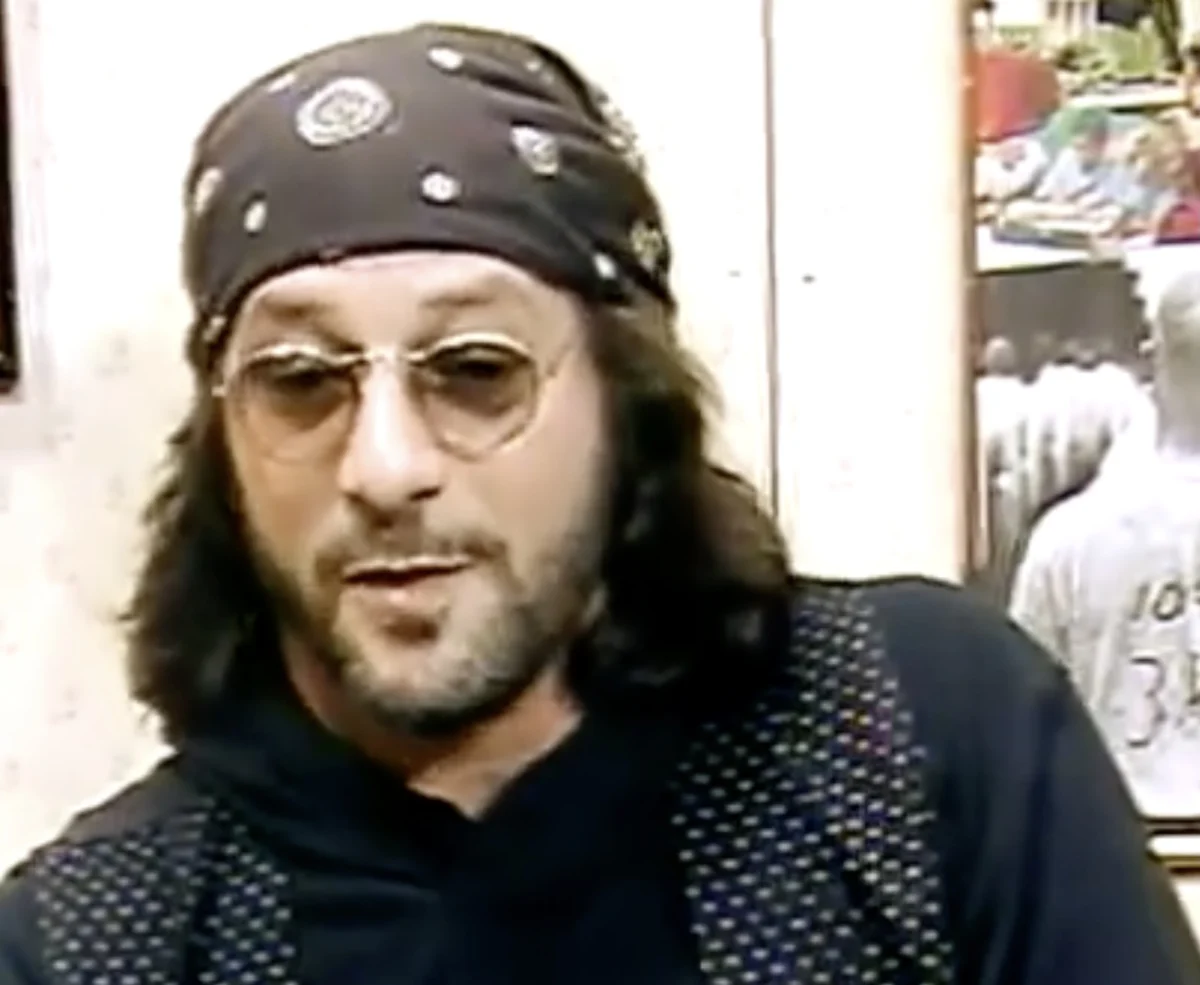
David Z, the acclaimed Minneapolis musician and producer whose indelible touch shaped a vast array of chart-topping hits and defined critical moments in music history, passed away on Sunday in Burbank, California, at the age of 78. Born David Rivkin, Z succumbed to complications from an infection, as confirmed by his younger brother, Bobby Z, the renowned former drummer for Prince’s iconic band, The Revolution. His death marks the loss of a prolific and versatile talent whose impact resonated across genres, from the foundational sounds of the Minneapolis music scene to global pop anthems and the revered blues and R&B recordings of legendary artists.
A Foundation in the Vibrant Minneapolis Music Scene
David Rivkin’s musical journey began in the fertile ground of Minneapolis, Minnesota, a city that would later become synonymous with innovative soundscapes. Growing up in the 1950s and 60s, he immersed himself in the local music scene, a crucible of creativity that was then burgeoning with rock, R&B, and blues influences. His early professional foray saw him as a gifted guitarist, contributing to singles released by local groups such as The Chancellors and The High Spirits. These experiences provided him with invaluable hands-on studio time and a deep understanding of instrumental arrangement and performance, skills that would become hallmarks of his illustrious career. The Minneapolis of that era, though not yet a global music capital, was a hotbed of regional talent, fostering a tight-knit community where musicians often collaborated and honed their craft across various bands. Z’s involvement in this foundational period established his reputation as a skilled and reliable instrumentalist with a keen ear for what made a track resonate.
From Staff Songwriter to Budding Producer: Early Career Milestones
The early 1970s marked a significant shift in David Z’s career trajectory as he transitioned from primarily a performer to a multifaceted talent within the music industry. He spent time in Los Angeles as a staff songwriter for A&M Records, a pivotal role that expanded his creative horizons. During this period, he collaborated with a diverse range of artists, notably working with the influential country-rock pioneer Gram Parsons. Parsons, known for his work with The Byrds and The Flying Burrito Brothers, was a critical figure in blending country music with rock and soul, and Z’s involvement offered him exposure to a different facet of American music production. Z also contributed instrumentally to records by artists such as Billy Preston, the celebrated keyboardist who famously worked with The Beatles and later achieved solo success with hits like "Will It Go Round in Circles." These experiences not only deepened his understanding of songwriting and arrangement but also refined his technical abilities in the studio, laying the groundwork for his future as a sought-after engineer and producer. His time at A&M was a crucial apprenticeship, exposing him to the broader mechanics of record making and the collaborative nature of the music business on a national scale.
The Genesis of a Legend: David Z and Prince
Perhaps David Z’s most historically significant contribution came in 1976 when he played a crucial role in the nascent career of a then-teenage Prince Rogers Nelson. In a pivotal moment for music history, Z helped Prince record the demo tape that ultimately secured him a groundbreaking deal with Warner Bros. Records. At just 18 years old, Prince was an undeniable prodigy, possessing an extraordinary talent for songwriting, playing multiple instruments, and performing. However, translating that raw genius into a polished demo required expert guidance. Z’s technical prowess and understanding of studio dynamics were instrumental in capturing Prince’s vision, showcasing his immense potential to record label executives. This collaboration not only launched Prince’s unparalleled career but also forged a deep professional and personal connection between Z and the Minneapolis phenom.
Their association continued throughout Prince’s meteoric rise. David Z served as an engineer on numerous Prince records, contributing to the meticulous soundscapes that defined the artist’s early and mid-career output. While specific engineering credits can be extensive across Prince’s discography, Z’s presence in the studio during these formative years was vital. His most widely recognized musical contribution to Prince’s work came with the 1986 smash hit "Kiss," from the album Parade. On this iconic track, which soared to the top of the Billboard Hot 100, David Z not only played instruments but also significantly helped arrange the song. "Kiss" is renowned for its minimalist, stripped-down funk groove, a deliberate departure from some of Prince’s more layered productions. Z’s instrumental work, often featuring sparse yet impactful guitar lines, and his input on the song’s arrangement were critical in achieving its distinctive, infectious sound. The track’s raw energy and innovative structure owe much to the collaborative environment in the studio, where Z’s technical skill and musical intuition were highly valued in shaping one of Prince’s most enduring classics. Bobby Z’s statement regarding his brother’s passing underscores the deep family connection to Prince’s musical universe, a testament to the integral role the Rivkin brothers played in the development of the "Minneapolis Sound."
"Funkytown" and the Disco Era’s Enduring Legacy
Concurrent with his work in Prince’s orbit, David Z also demonstrated his versatility by embracing the burgeoning disco scene. He served as a guitarist for Lipps Inc., a Minneapolis-based disco project that achieved global renown with its immortal 1980 hit, "Funkytown." This track became a defining anthem of the late disco era, reaching number one on the Billboard Hot 100 and achieving significant international success. Z’s instrumental contributions to "Funkytown" were an essential part of its infectious, synth-driven groove and soaring vocals, helping to create a record that transcended the disco genre’s eventual decline to become a perennial classic. "Funkytown" represented a different facet of Minneapolis’s musical output, showcasing the city’s ability to produce popular music that resonated globally, further cementing David Z’s reputation as a musician capable of contributing to diverse and commercially successful projects. The song’s enduring popularity, regularly featured in films, commercials, and radio, speaks volumes about its timeless appeal and Z’s role in its creation.
Architect of Late ’80s Pop and R&B Hits
The late 1980s proved to be a particularly fruitful period for David Z as a producer, establishing him as a hitmaker responsible for some of the decade’s most memorable and successful tracks. His roots in the "Minneapolis Sound" – a fusion of funk, rock, pop, and new wave largely pioneered by Prince – informed much of his production aesthetic, lending a distinctive edge to his work.
He continued to collaborate with acts closely associated with Prince, further disseminating the Minneapolis influence. This included his production work for Mazarati, a funk group whose 1986 debut album featured the track "100 MPH." Interestingly, Prince re-recorded the Mazarati instrumental for "Kiss," giving a fascinating glimpse into the cross-pollination of ideas within that creative circle. Z also worked with The Family, another Prince-affiliated group whose self-titled 1985 album introduced the world to songs like "Nothing Compares 2 U," later famously covered by Sinéad O’Connor. These projects showcased Z’s ability to cultivate talent and craft records that captured the distinctive Minneapolis groove while allowing the artists’ unique voices to shine.
However, it was his work with non-Prince affiliated artists that cemented his status as a major producer. In 1988, David Z produced Fine Young Cannibals’ colossal hit "She Drives Me Crazy." The track, characterized by its distinctive drum loop, soulful vocals from Roland Gift, and catchy pop sensibility, became a global phenomenon, reaching number one on the Billboard Hot 100 and topping charts in numerous other countries. Z’s production on "She Drives Me Crazy" perfectly captured the band’s blend of new wave, soul, and rock, creating a sound that was both innovative and commercially irresistible. The song’s success was a testament to his ability to identify and amplify an artist’s unique appeal, translating it into a polished, radio-ready product without sacrificing artistic integrity.
Another significant production success came with Jody Watley’s debut solo album in 1987, specifically the single "Looking for a New Love." This track was a defining moment for Watley, launching her solo career after her departure from Shalamar. "Looking for a New Love" reached the Top 10 on the Billboard Hot 100 and earned Watley a Grammy Award for Best New Artist. David Z’s production on the song showcased his knack for crafting sophisticated R&B-pop, combining contemporary dance beats with smooth vocals and memorable hooks. His work with Watley underscored his understanding of evolving pop and R&B trends, proving his adaptability and his capacity to help artists define new sonic directions. These late ’80s successes solidified his reputation as a producer with an uncanny ability to craft smash hits that resonated with a broad audience, demonstrating his mastery across different genres and artists.
Versatility and Late-Career Contributions to Blues and R&B Legends
David Z’s career trajectory exemplified remarkable versatility, moving seamlessly from pop and funk to the foundational genres of American music. In his later career, he lent his production expertise to records by true legends of blues and R&B, further illustrating the breadth of his musical understanding and respect across the industry. He worked with Buddy Guy, the iconic blues guitarist, on several projects, including the Grammy Award-winning album Damn Right, I’ve Got the Blues (1991). This album was a crucial moment in Guy’s career, helping to reignite his popularity and introduce his raw, electrifying blues to a new generation of listeners. Z’s production helped to capture Guy’s authentic energy while presenting it in a contemporary context, garnering critical acclaim and commercial success.
He also collaborated with the legendary "Matriarch of Soul," Etta James. His work on her late-period albums, such as The Seven Year Itch (1989) and Stickin’ to My Guns (1990), showcased his ability to honor the rich tradition of her artistry while ensuring her powerful vocals and timeless delivery were presented with clarity and impact. These collaborations with established greats demonstrated Z’s deep respect for musical heritage and his skill in working with artists whose careers spanned decades, contributing to recordings that further cemented their legacies. This phase of his career highlighted his fundamental understanding of music’s roots and his capacity to bring out the best in performers, regardless of genre or era. His ability to navigate such diverse musical landscapes speaks volumes about his profound musicianship and his invaluable contribution to the recording industry.
Legacy and Enduring Impact
David Z’s passing leaves an undeniable void in the music community, but his legacy is firmly etched in the annals of popular music. He was not merely a technician in the studio but a true architect of sound, whose meticulous ear and collaborative spirit helped shape the careers of numerous artists and create songs that continue to resonate globally. His early involvement with Prince, from that pivotal 1976 demo to the iconic "Kiss," positions him as a crucial figure in the genesis of one of music’s greatest innovators. Without his expertise, the initial trajectory of Prince’s career might have been significantly different.
Beyond his contributions to the Purple One, Z’s influence as a producer of global hits like "Funkytown," "She Drives Me Crazy," and "Looking for a New Love" underscores his profound impact on the sound of late 20th-century pop and R&B. These songs are not just commercial successes; they are cultural touchstones that defined an era, and David Z’s fingerprints are all over their enduring appeal. His ability to blend genres, from funk and rock to disco and blues, and his knack for extracting compelling performances from artists, made him an invaluable asset in the studio.
His career trajectory, spanning from local Minneapolis bands to working with legends like Gram Parsons, Billy Preston, Buddy Guy, and Etta James, showcases a rare breadth of talent and adaptability. He was a master of the groove, an astute arranger, and a precise engineer, whose multifaceted skills allowed him to contribute significantly at every stage of a record’s creation. David Z’s quiet dedication and profound musicality enriched the soundscapes of generations, ensuring that his work will continue to be celebrated and enjoyed for decades to come. His death marks the end of an era for many who witnessed his genius firsthand, yet his contributions remain a vibrant, living part of music history.
