

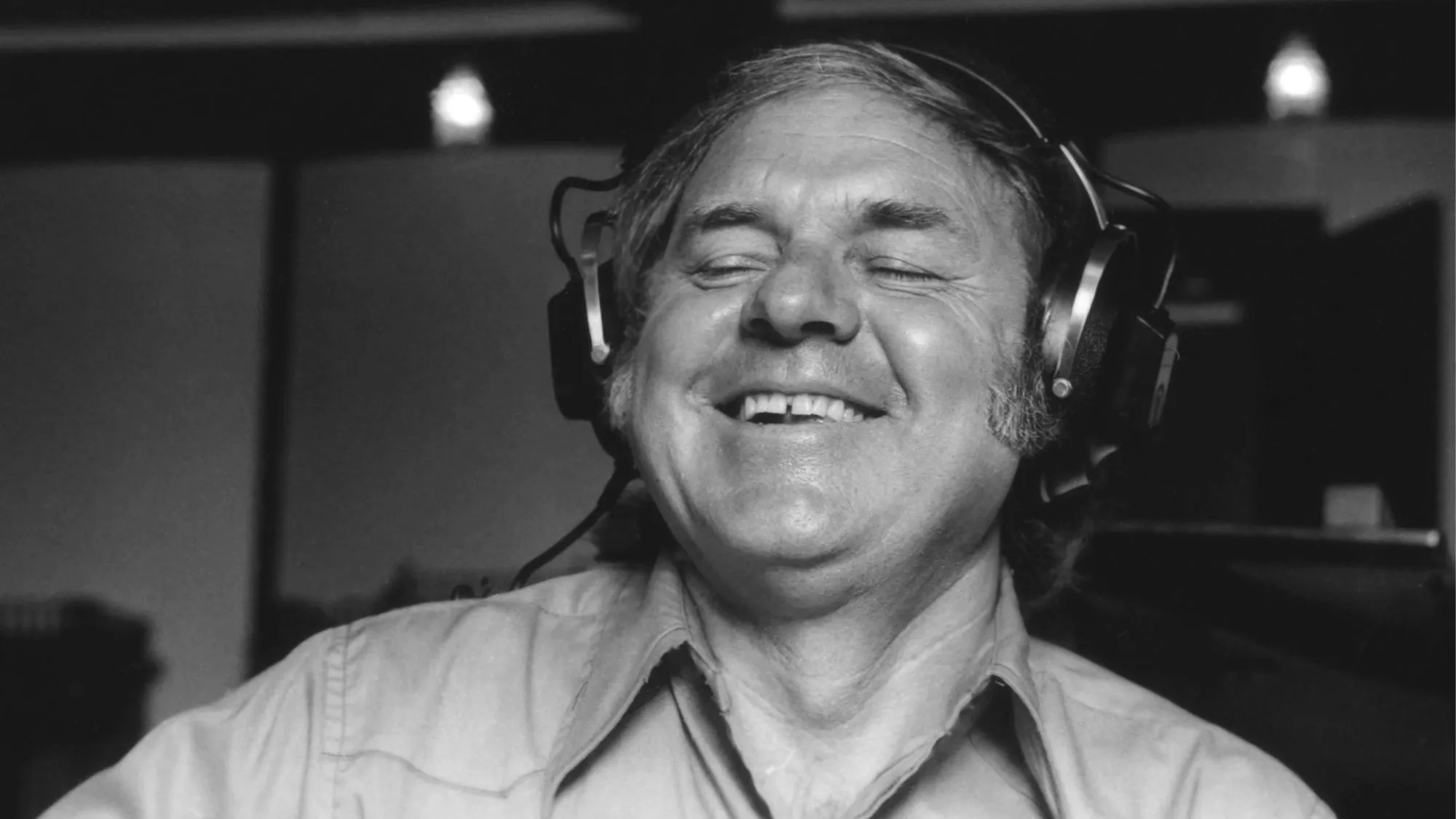
On August 7, 2011, the music world lost a foundational pillar of country and rockabilly history when Marshall Grant passed away at the age of 83 in Jonesboro, Arkansas. As an original member of the Tennessee Two, the backing duo for Johnny Cash, Grant was instrumental in crafting the "boom-chicka-boom" rhythm that defined American music for decades. His death marked the end of an era for the Sun Records legacy, leaving behind a body of work that stretched from the mid-1950s through the turn of the millennium. Grant was more than a bassist; he was a road manager, a legal adversary, a loyal friend, and the stabilizing force for one of the most volatile and celebrated figures in music history.
Early Life and the Memphis Mechanical Roots
Born Marshall Reed Grant on May 5, 1928, in Bryson City, North Carolina, Grant’s early years did not immediately suggest a future in the spotlight. He was raised in a large family and married his wife, Etta, in 1946. Seeking better economic opportunities, the couple moved to Memphis, Tennessee, in 1947. In the post-war industrial boom of Memphis, Grant found work as a mechanic. By the early 1950s, he had established himself as the chief mechanic at the Automobile Sales Company.
It was in this industrial setting that the seeds of the Tennessee Two were sown. Working alongside Grant were Luther Perkins and Roy Cash, the older brother of a young man named J.R. Cash, who was then serving in the United States Air Force. When Johnny Cash was discharged and returned to Memphis in 1954, Roy introduced him to his colleagues. At the time, none of the men were professional musicians. Grant and Perkins "picked" guitars as a hobby, and Cash was an aspiring singer-songwriter with a handful of gospel and folk-inspired tunes.
The initial meeting was humble. When Cash suggested they play together, Grant famously replied that they played "very little." This lack of formal training would ironically become their greatest asset. Because they were not polished session players, they developed a minimalist, rhythmic style that emphasized timing and drive over complex melodic ornamentation.
The Invention of the Boom-Chicka-Boom Sound
The transition from a trio of rhythm guitarists to a structured band occurred out of necessity. To provide a fuller sound, Grant moved from the guitar to the upright bass, an instrument he had to teach himself to play from scratch. Luther Perkins developed a technique of muting the strings of his Fender Esquire with the heel of his hand, creating a percussive, "chugging" lead line. When paired with Grant’s steady, driving bass notes and Cash’s vigorous acoustic strumming, the "boom-chicka-boom" sound was born.
In 1954, the group auditioned for Sam Phillips at Sun Records. While Phillips initially rejected their gospel material, he was captivated by their unique rhythm and Cash’s baritone voice. The subsequent recording sessions produced "Hey Porter" and "Cry, Cry, Cry," which became hits on the country charts in 1955. The success of these tracks proved that the Tennessee Two’s sparse arrangement was not a limitation but a revolutionary sonic signature.
Between 1955 and 1958, the group recorded a string of masterpieces that defined the rockabilly genre, including "Folsom Prison Blues" and "I Walk the Line." Grant’s bass provided the heartbeat of these tracks. In "I Walk the Line," his unwavering adherence to the root notes allowed Cash to hum his way through complex key changes, a technique necessitated by the band’s inability to play in certain keys without a capo. This technical limitation forced a creative solution that became a hallmark of the Johnny Cash identity.
Transition to Columbia Records and the Road Manager Era
As Johnny Cash’s fame exploded, the group moved from Sun Records to Columbia Records in 1958. With this move came increased professional demands. Recognizing the need for order in an increasingly chaotic touring schedule, Grant voluntarily assumed the role of road manager. For much of the 1960s and 70s, Grant was responsible for booking shows, managing finances, and ensuring that the "Man in Black" actually made it to the stage.
This period was marked by some of the most iconic moments in music history, including the 1968 recording of At Folsom Prison and the 1969 At San Quentin. Grant was the rhythmic anchor for these live performances, maintaining his composure even as the atmosphere inside the prisons grew tense. However, the 1960s also brought tragedy; in 1968, Luther Perkins died following a house fire. The loss of his partner in the Tennessee Two was a profound blow to Grant, yet he remained with Cash, helping to integrate new musicians like Bob Wootton into the fold to maintain the integrity of the band’s sound.
Conflict, Litigation, and the Statler Brothers
The professional relationship between Grant and Cash began to fray in the late 1970s. Cash’s well-documented struggles with substance abuse created a volatile working environment. In 1980, after twenty-five years of service, Cash fired Grant. The dismissal was a shock to the country music community, as the two were seen as inseparable.
The situation worsened when Grant, along with the estate of Luther Perkins, filed a lawsuit against Cash. The legal action alleged the embezzlement of retirement funds and unpaid royalties. The lawsuit was a painful chapter for both men, representing a public fracture of a lifelong brotherhood. Eventually, the matter was settled out of court, and the legal animosity subsided, though they would not work together professionally for many years.
Following his departure from Cash’s band, Grant did not retreat from the industry. He became the manager for the Statler Brothers, a vocal group that had spent years touring as part of the Johnny Cash Show. Under Grant’s management, the Statler Brothers enjoyed immense success, becoming one of the most decorated groups in country music history until their retirement in 2002. Grant’s transition from musician to high-level manager highlighted his logistical brilliance and deep understanding of the music business.
Reconciliation and Final Years
Despite the legal battles of the 1980s, the bond between Grant and Cash was eventually mended. In their later years, the two reconciled, recognizing that their shared history outweighed their professional disputes. Rosanne Cash, Johnny’s eldest daughter, frequently spoke of Grant as the "anchor" who kept her father from drifting away during his darkest periods of addiction.
In 1999, Grant made his final onstage appearance with Cash, reuniting for a performance that paid tribute to their origins as the Tennessee Two. Following Cash’s death in 2003, Grant became a primary guardian of the band’s legacy. He published a memoir in 2006 titled I Was There When It Happened: My Life with Johnny Cash, which provided an unfiltered look at the birth of rock and roll and the complexities of life on the road with a legend.
Grant’s final public appearance was poignantly tied to his beginnings. In early August 2011, he traveled to Jonesboro, Arkansas, to participate in a festival aimed at raising funds to restore Johnny Cash’s childhood home in Dyess. It was during this trip that he suffered an aneurysm and was hospitalized. He passed away on August 7, surrounded by family and the echoes of the music he helped create.
Chronology of Key Events
- 1928: Marshall Grant is born on May 5 in Bryson City, NC.
- 1947: Moves to Memphis and begins work as a mechanic.
- 1954: Meets Johnny Cash through Roy Cash at the Automobile Sales Company.
- 1955: The Tennessee Two records "Cry, Cry, Cry" and "Hey Porter" at Sun Records.
- 1956: "I Walk the Line" is released, cementing the "boom-chicka-boom" sound.
- 1958: The group moves to Columbia Records; Grant becomes road manager.
- 1968: Performs at Folsom Prison; Luther Perkins dies later that year.
- 1980: Fired by Johnny Cash; begins managing the Statler Brothers.
- Early 1980s: Files and settles a lawsuit against Cash over retirement funds.
- 1999: Final onstage performance with Johnny Cash.
- 2002: Retires from managing the Statler Brothers.
- 2006: Publishes his memoir, I Was There When It Happened.
- 2011: Dies on August 7 in Jonesboro, Arkansas.
Impact and Technical Legacy
Marshall Grant’s contribution to music is often measured by the "boom-chicka-boom" rhythm, but its technical impact goes deeper. In an era where country music was moving toward the polished "Nashville Sound" with lush strings and background singers, Grant’s minimalist bass lines kept the "Outlaw" spirit alive before the term even existed.
Musicologists note that Grant’s playing style—predominantly using the "slap" technique on the upright bass—bridged the gap between traditional hillbilly music and the emerging rock and roll sound. His ability to maintain a metronomic pulse without the aid of a drummer (the Tennessee Two did not add a regular drummer, W.S. Holland, until 1960) was a feat of endurance and timing.
Furthermore, Grant’s role as a road manager set a precedent for the "artist-managed" model of touring. He proved that a band member could successfully navigate the business complexities of the industry while maintaining a creative role. His management of the Statler Brothers further solidified his reputation as one of the most effective behind-the-scenes figures in country music.
Official Reactions and Historical Significance
Upon his death, the tributes from the music community emphasized Grant’s character as much as his talent. Rosanne Cash described him as the "bedrock" of her father’s life, stating that "Marshall was the one who was always there, through the success and the addiction." The Statler Brothers released a statement noting that they "never would have achieved what they did without Marshall’s guidance and friendship."
The death of Marshall Grant represented the closing of a chapter on the original Sun Records sound. Along with Sam Phillips, Johnny Cash, and Luther Perkins, Grant was a primary architect of a sound that broke racial and genre barriers. His legacy remains preserved not only in the recordings that continue to influence artists across the globe but also in the restoration of the Cash history he supported until his final days. Marshall Grant was the pulse of the Tennessee Two, providing the steady beat that allowed the Man in Black to become a legend.
