

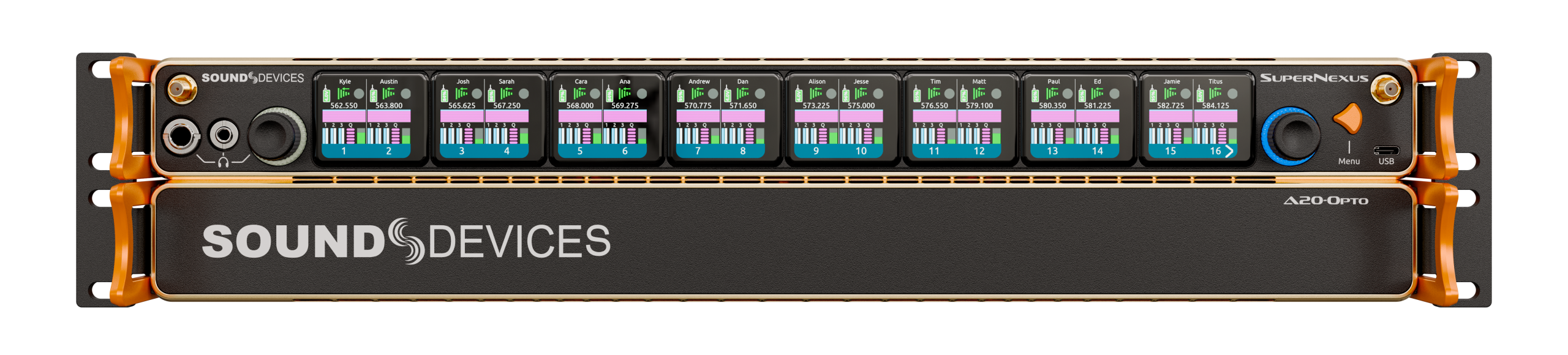
The landscape of professional wireless audio has undergone a radical transformation over the last decade, transitioning from complex, often experimental setups to streamlined, high-density digital environments. At the forefront of this shift is the Sound Devices A20-SuperNexus, a system that represents a convergence of high-fidelity recording heritage and cutting-edge radio frequency (RF) engineering. While names like Shure and Sennheiser have historically dominated the wireless microphone market, the entry of Sound Devices into this sector—bolstered by strategic acquisitions and technological innovation—has introduced a new paradigm for stability, ease of use, and spectral efficiency. The A20-SuperNexus is not merely a receiver; it is a comprehensive ecosystem designed to meet the rigorous demands of global touring, broadcast, and film production.
The Strategic Foundation of Sound Devices Wireless
To understand the technological leap represented by the A20-SuperNexus, one must examine the corporate evolution of its manufacturer. Sound Devices was founded in 1998 in Reedsburg, Wisconsin, by a team of former Shure employees: Matt Anderson, Jon Tatooles, Jim Koomar, and Brad Lovett. The company initially built its reputation on high-end field mixers and recorders, becoming the industry standard for location sound in film and television. However, the pivot toward wireless dominance began in earnest in 2018 when Sound Devices acquired Audio Limited, a venerable British manufacturer of high-performance wireless microphone systems.
This acquisition allowed Sound Devices to marry its expertise in digital signal processing (DSP) and rugged hardware design with Audio Limited’s decades of RF expertise. The synergy was further amplified in October 2021 when Sound Devices joined the Audiotonix group. This conglomerate includes premier audio brands such as Solid State Logic (SSL), DiGiCo, Allen & Heath, and Calrec. This affiliation has facilitated deep integration between wireless receivers and digital mixing consoles, a feature set that is increasingly critical in modern live sound workflows.
Technical Specifications and the SpectraBand Revolution
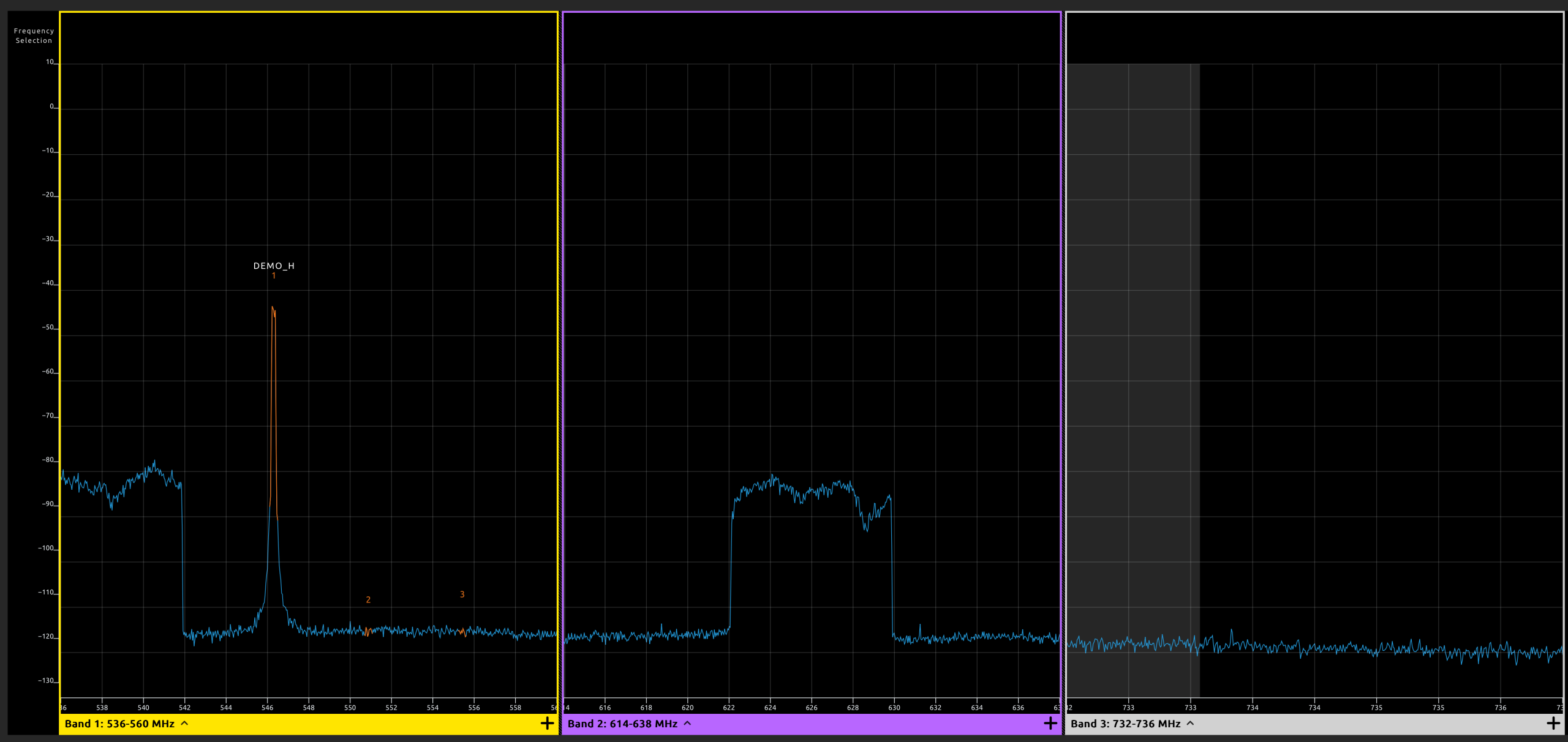
The primary challenge facing modern RF technicians is the "Spectrum Crunch." As governments worldwide auction off frequency bands to telecommunications companies for 5G and other mobile services, the available white space for wireless microphones has diminished. The A20-SuperNexus addresses this through its proprietary SpectraBand technology. Unlike traditional systems that are locked into specific regional frequency blocks, the SuperNexus offers a staggering tuning range from 174 MHz to 1525 MHz. This global compatibility ensures that a single rack of equipment can be legally and effectively operated in virtually any country, from the VHF bands used in the United States to the 1.5 GHz bands utilized in Japan and Europe.
The receiver itself is a 1U, 19-inch rack-mount unit capable of receiving 16 channels in its base configuration. Through software licensing, this can be expanded to 32 channels within the same physical footprint. In an industry where rack space is at a premium—particularly in mobile broadcast trucks and touring fly-kits—the ability to house 32 channels of high-quality wireless audio in a single rack unit is a significant achievement. Furthermore, the system supports cascading multiple units; theoretically, a compact 4U rack could manage 128 discrete wireless channels.
Connectivity and Network Architecture
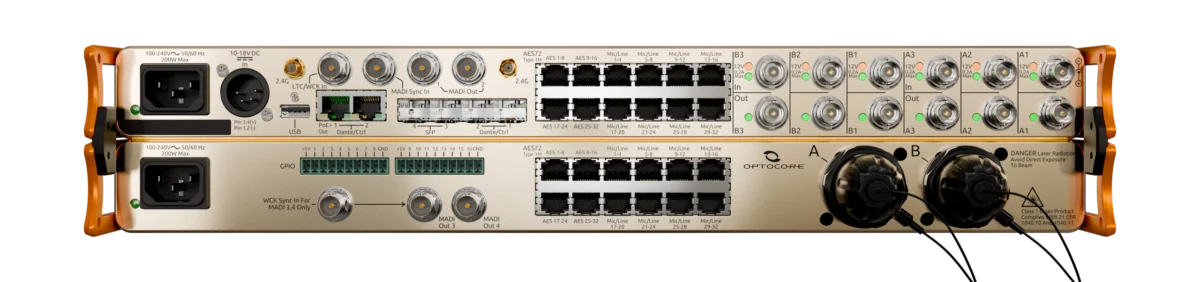
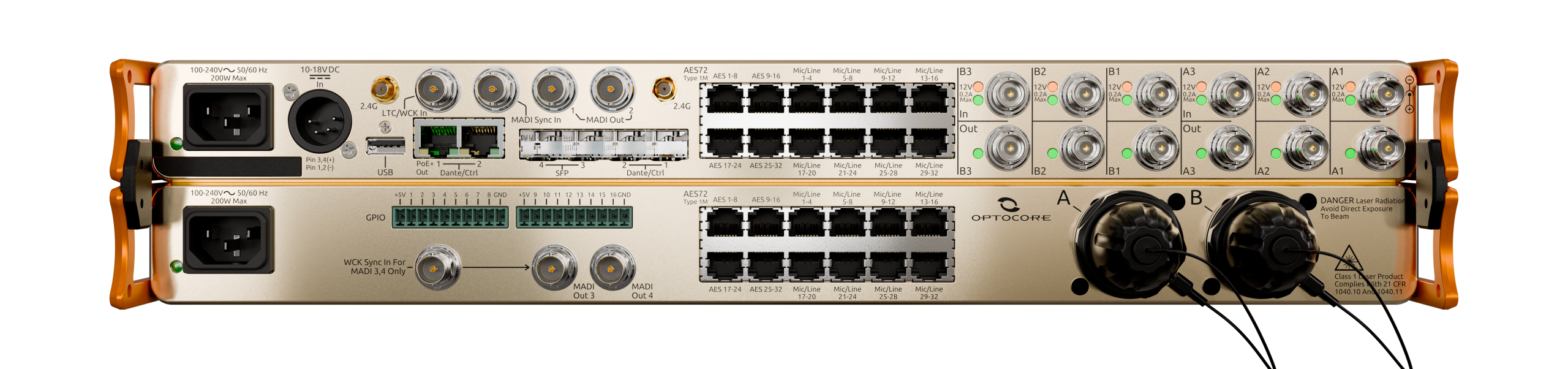
The rear panel of the A20-SuperNexus reflects the requirements of a networked audio environment. Power is provided via a standard IEC input with redundancy offered through a 4-pin XLR DC input, allowing the unit to run off external battery systems or secondary power supplies in the event of a mains failure. For audio distribution, the system is fully equipped for the digital age, offering 32 channels of Dante primary and secondary connectivity, as well as MADI. For legacy systems or specific signal paths, AES3 and analog outputs are available via RJ45 ports.
A significant expansion option is the A20-Opto, a 1U extension that provides direct Optocore integration. This is particularly advantageous for DiGiCo console users, as it allows the wireless system to sit natively on the Optocore loop, providing seamless signal routing and remote control. The A20-Opto also adds additional MADI outputs and General Purpose Input/Output (GPIO) ports for advanced triggering and automation.
The system’s RF front end is equally robust. It supports up to three pairs of diversity antennas without the need for external distribution amplifiers. The A20-SuperNexus introduces "Hexversity," a mode where six antennas can be utilized simultaneously to provide unprecedented signal stability in challenging RF environments.

NexLink and Remote Ecosystem Management
One of the most praised features of the A20-SuperNexus is NexLink, a long-range, 2.4 GHz bidirectional control link. Similar in concept to Shure’s ShowLink, NexLink allows the sound engineer to remotely control every parameter of the transmitters from the receiver or a web browser. This includes changing frequencies, adjusting output power, and even turning transmitters on or off. Sound Devices claims that the NexLink range exceeds that of the UHF audio signal, ensuring that if a microphone is audible, it is also controllable.
This bidirectional communication facilitates a "Zero-Gain" architecture. The transmitters utilize high-performance 32-bit float converters, providing a dynamic range so vast that traditional gain settings at the transmitter are unnecessary. The engineer simply adjusts the output level at the receiver, eliminating the risk of digital clipping at the source—a common failure point in high-pressure live environments.
The Transmitter Portfolio: Mini, TX, and HH
The A20 system includes three distinct transmitter types, each tailored for specific applications.
- A20-Mini: Designed for the film and theater industries, the Mini is a waterproof, ultra-compact bodypack. It lacks a physical display to minimize size, relying entirely on remote control via the SuperNexus or a dedicated smartphone app. Despite its size, it features internal 32-bit float recording with 64 GB of storage, serving as a fail-safe backup against RF dropouts.
- A20-TX: This larger bodypack is the workhorse of the series, offering up to 10.5 hours of battery life. It features a unique "Hot Swap" capability where batteries can be changed without powering down the unit, thanks to a dual-battery circuit design. It also includes an ePaper display that remains legible even when the unit is powered off, allowing for easy identification and labeling.
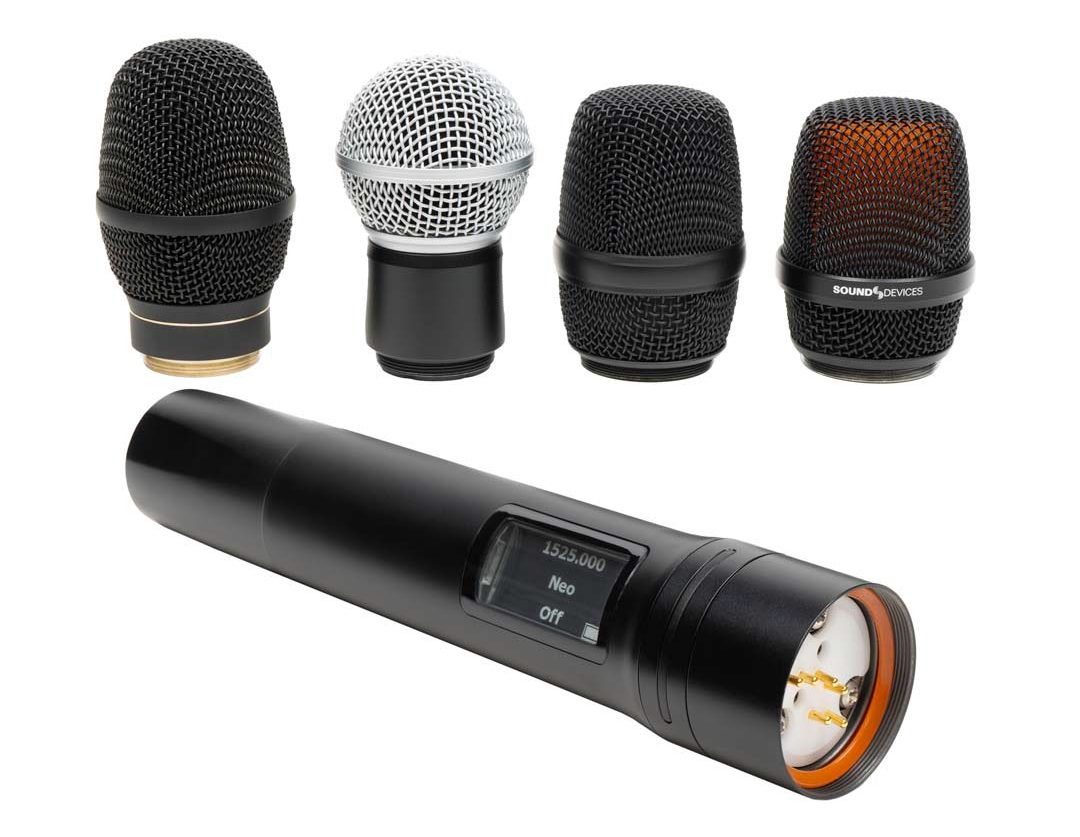
- A20-HH (Handheld): The handheld transmitter introduces a modular approach to hardware. The entire outer shell can be removed and replaced, allowing for custom paint jobs or "blinged" shells for specific performers without risking the internal electronics. It features a reversible adapter ring compatible with both Shure and Sennheiser capsule threads. The "RocketAntenna" design at the base of the unit is engineered to minimize RF attenuation caused by the performer’s hand, a frequent cause of signal loss.
Real-World Application and Market Impact
The practical benefits of the A20-SuperNexus were demonstrated at the 2024 Glastonbury Festival, where the system was employed by Coldplay. In an environment featuring over 140 channels of wireless audio and significant spectral interference, the SuperNexus’s ability to navigate the wide frequency range and provide stable "Hexversity" reception proved critical.
Industry reactions have highlighted the system’s "Auto-Assign" functionality as a major workflow improvement. In high-stakes environments, the ability for the receiver to scan the environment, coordinate frequencies, and push those settings to the transmitters via NexLink in a matter of seconds is a significant advantage over manual synchronization.
From a financial perspective, the A20-SuperNexus is positioned in the premium tier of the market, with costs averaging approximately €2,800 per channel. However, for rental houses and high-end venues, the return on investment is found in the system’s versatility and longevity. By covering the entire usable RF spectrum, the system is essentially future-proofed against further government spectrum reallocations.
Future Outlook: In-Ear Monitoring and Ecosystem Expansion
Sound Devices has signaled that the A20-SuperNexus is the foundation of a broader ecosystem. An in-ear monitoring (IEM) unit has been announced, which will integrate directly into the SuperNexus rack via the A20-Opto. This will allow for a fully integrated 32-channel input/output wireless rack occupying only 3U of space.
As the professional audio industry continues to move toward fully networked, software-defined workflows, the A20-SuperNexus stands as a benchmark for integration. Its combination of 32-bit float recording, massive spectral flexibility, and deep console integration addresses the most persistent pain points in wireless audio production. For the modern audio engineer, the system offers not just a connection, but a comprehensive, fail-safe environment that allows for greater creative focus by minimizing technical volatility.
