

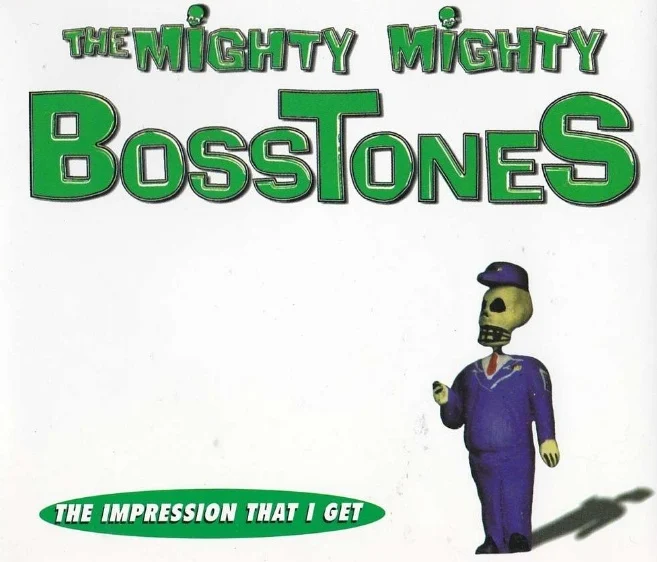
On June 28, 1997, The Mighty Mighty Bosstones’ single "The Impression That I Get" ascended to the top of the Billboard Modern Rock Tracks chart, marking a significant milestone for the Boston-based ska-punk pioneers. This achievement solidified the band’s commercial breakthrough after years as an underground favorite and major-label act, positioning them at the forefront of the burgeoning ska-punk movement that briefly dominated alternative radio waves in the mid-to-late 1990s. The track’s success was a testament to the band’s distinctive "ska-core" sound, energetic live performances, and a unique blend of earnest lyricism with infectious, horn-driven melodies.
The Genesis of Ska-Core: Boston’s Hybrid Sound
The Mighty Mighty Bosstones emerged from the vibrant Boston music scene in the early 1980s, at a time when the United Kingdom’s two-tone ska revival was waning but its influence remained potent. Frontman Dicky Barrett, alongside co-founding members, initially steeped in Boston’s famously aggressive hardcore punk scene, found common ground in the rhythmic complexities of ska. This fusion laid the groundwork for their self-coined genre, "ska-core," characterized by the driving rhythms and horn sections of ska, the gravelly, often shouted vocals of hardcore, and occasional forays into funk-metal guitar. This distinctive sound, coupled with an instantly recognizable visual aesthetic—all members frequently sporting plaid suits—helped them stand out in an increasingly crowded alternative landscape.
The band’s early years were dedicated to refining their sound, leading to their debut album, Devil’s Night Out, released in 1989 on Taang! Records, a local hardcore label known for launching acts like The Lemonheads. This album, followed by 1992’s More Noise And Other Disturbances, showcased a raw, energetic, and somewhat chaotic sound that would become their hallmark. The presence of Dicky Barrett, whose deep, raspy voice sounded seasoned beyond his years, alongside the enigmatic "Dancing Bosstone" Ben Carr, who contributed primarily through his dynamic stage presence rather than instrumental skill, further cemented their unique appeal. Carr’s role as a non-instrumentalist, focused purely on energy and interaction, became a defining characteristic that resonated deeply with audiences, particularly young punk fans.
Major Label Transition and Rising Prominence
The post-Nirvana major-label signing frenzy of the early 1990s saw many alternative bands secure deals, and The Mighty Mighty Bosstones were no exception, signing with Mercury Records. While their sound diverged significantly from the grunge explosion, Mercury likely recognized their potential as an eccentric, genre-bending party band with a compelling live show, akin to acts like Oingo Boingo. Their 1993 major-label debut, Don’t Know How To Party, featuring the anthemic single "Someday I Suppose," began their ascent. The track gained traction on MTV and peaked at #19 on the Modern Rock charts, signaling their growing mainstream viability.
A pivotal moment in their career arrived with their appearance at Lollapalooza 1995. Despite a less-than-ideal time slot, their high-energy performance, complete with synchronized movements and Ben Carr’s captivating dancing, often overshadowed their more critically acclaimed, indie-leaning peers on the bill. Bob Nastanovich of Pavement, another band on the Lollapalooza lineup, notably commented on the Bosstones’ physicality and showmanship, contrasting it with Pavement’s own more subdued stage presence. This tour significantly expanded their fan base, demonstrating their ability to captivate large festival audiences. Further cementing their cultural relevance, the band made a memorable cameo in the critically acclaimed 1995 teen film Clueless, performing their 1991 track "Where’d You Go," earning an endorsement from Alicia Silverstone’s character, Cher.
The mid-1990s witnessed a broader commercial acceptance of ska-punk, catalyzed by the success of bands like Green Day and The Offspring in popularizing punk, and Rancid’s ska-infused "Time Bomb" reaching #8 on the Modern Rock chart. The subsequent breakthroughs of No Doubt, Sublime, and Goldfinger further paved the way for the Bosstones’ eventual chart-topping success.
"The Impression That I Get": A Chart-Topping Anthem
"The Impression That I Get" first appeared on the 1996 compilation Safe And Sound: A Benefit In Response To The Brookline Clinic Violence. This album, featuring various Massachusetts artists, aimed to raise funds for women’s reproductive health following tragic violence at local abortion clinics. The song, co-written by Dicky Barrett and bassist Joe Gittleman (who now teaches music industry classes), drew inspiration from a profound personal experience: the death of a close friend’s brother. Barrett reflected on the intense pain observed at the funeral, prompting him to ponder his own resilience in the face of similar hardship.
Lyrically, the song explores themes of unexperienced pain and the anticipation of future challenges. A common misinterpretation of the chorus, "I never had to, knock on wood," stems from a grammatical nuance. Barrett clarifies that the phrase denotes not having yet faced such severe trials, rather than a superstition gone awry. This introspective vulnerability, juxtaposed with the song’s outwardly buoyant and sprightly musical arrangement, creates a compelling tension. The track features the band’s signature tootling horn riffs reminiscent of high school marching bands and 1960s Jamaican ska, combined with a humming organ, mid-tempo groove, and power chords that punctuate the chorus. Barrett’s distinctive, guttural "aaaaaagh" on the word "I" and the hardcore-style gang vocals add further layers of intensity and catchiness, making it a cohesive and memorable pop-ska nugget.
Released as a single in February 1997, a month prior to its inclusion on the album Let’s Face It, "The Impression That I Get" quickly climbed the Modern Rock chart. Its appearance as a scene-transition soundtrack in the acclaimed film Chasing Amy in April further amplified its presence in popular culture, pushing it towards its eventual #1 position by June 28, 1997.
Commercial Peak and Eventual Decline
The year 1997 marked the pinnacle of The Mighty Mighty Bosstones’ commercial success. Let’s Face It achieved platinum status, signifying sales of over one million units. The band maintained a relentless touring schedule, appearing at multiple festivals, including two different Warped Tours. Their media visibility was high, with performances on Saturday Night Live and the prime-time Sesame Street special Elmopalooza, where they famously performed with The Count. The follow-up single, "The Rascal King," also performed strongly, peaking at #7 on the Modern Rock chart. However, this period of widespread exposure also led to a sense of commercial saturation for some, with the band’s energetic, sometimes "goofball" shtick beginning to wear thin for longtime fans.
The momentum proved difficult to sustain. Their 2000 album, Pay Attention, failed to replicate the success of its predecessor. While its lead single, "So Sad To Say," reached #11 on the Modern Rock chart, overall public and critical interest had waned. This marked their final appearance on the Modern Rock charts and their last album with Mercury Records. Following this, the band transitioned back to the indie landscape, releasing one more album before embarking on an extended hiatus.
Post-Hiatus and Controversial Dissolution
During their hiatus, individual members pursued diverse careers. Dicky Barrett relocated to Los Angeles, briefly hosting a radio morning show before securing a steady, nearly two-decade-long gig as the in-house announcer for Jimmy Kimmel Live! Guitarist Nate Albert transitioned into a successful career as a record label executive, notably signing The Weeknd to Republic Records, leveraging his Bosstones’ connections in the process.
The band reactivated in 2007, initially playing select shows before embarking on tours with acts like Dropkick Murphys. They continued to release new material and tour for over a decade. However, their later years were marred by controversy. A 2021 George Floyd tribute song drew widespread criticism for its perceived awkwardness. The band’s ultimate dissolution in January 2022 was widely attributed to frontman Dicky Barrett’s outspoken anti-vaccination stance, which reportedly caused internal friction and made touring logistics untenable. Barrett’s public alignment with anti-vaccination figures, including co-writing a song for Robert F. Kennedy Jr.’s rallies (since removed from public platforms), and his subsequent dismissal from Jimmy Kimmel Live! due to his refusal to comply with vaccine mandates, severely impacted his career and the band’s legacy. He later formed The Defiant, a band reportedly composed of musicians sharing similar views.
The abrupt end to a nearly 40-year career left many fans grappling with the dichotomy between their cherished musical output and the frontman’s controversial views. Despite the problematic context surrounding its later years, The Mighty Mighty Bosstones’ "The Impression That I Get" remains a significant cultural artifact of the 1990s ska-punk boom. Its blend of infectious energy, relatable introspection, and genre-defying sound secured its place as a chart-topping anthem that, for a brief period, brightened the airwaves and left an indelible "impression" on a generation of alternative music enthusiasts.
