

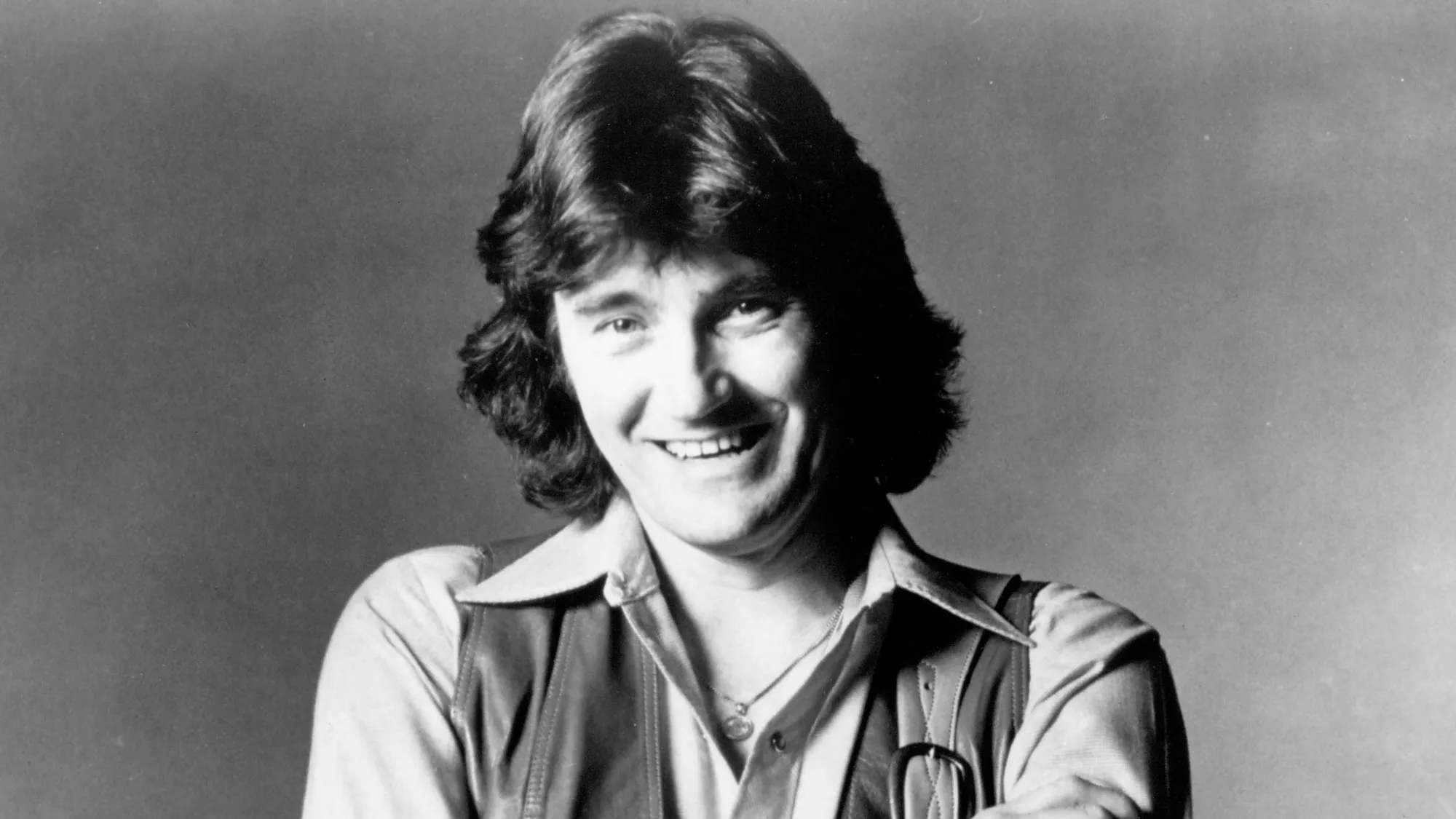
The landscape of American country music is often defined by its regional subgenres, and few artists have bridged the gap between the swampy rhythms of Louisiana and the polished production of Nashville as successfully as Eddy Raven. Born Edward Garvin Futch on August 19, 1944, in Lafayette, Louisiana, Raven celebrates his 80th birthday this year, marking a legacy that spans over six decades of songwriting, recording, and performing. While many casual listeners recognize him for his string of chart-topping hits in the 1980s, Raven’s contribution to the genre is deeply rooted in his ability to infuse traditional country with Cajun, reggae, and rock influences, creating a "tropical-country" sound that predated the coastal aesthetics later popularized by artists like Jimmy Buffett and Kenny Chesney.
The Formative Years: From Lafayette to the Airwaves
The origins of Eddy Raven’s musical journey are inextricably linked to the cultural melting pot of Acadiana. Growing up in Lafayette, Raven was immersed in the sounds of Cajun fiddles and accordions, but he was equally drawn to the burgeoning rock and roll movement of the 1950s. As a teenager, he began performing in local rock bands, honing his stage presence and developing a versatile vocal style that could handle both rhythmic uptempo tracks and soulful ballads.
A pivotal shift occurred when Raven’s family relocated to Georgia. At the age of 16, the young musician secured a position at a local radio station, an experience that provided him with an invaluable education in the mechanics of the music industry and the diverse tastes of the listening public. It was during this period, in 1962, that he recorded his debut single, "Once a Fool," for a small independent label. Though the record did not achieve national success, it established Raven as a recording artist and set the stage for his return to Louisiana a year later.
Upon returning to Lafayette, Raven began working at La Louisianne, a prominent local record store. The owner, Carol Rachou, also operated an eponymous record label that specialized in Cajun and regional music. This environment allowed Raven to deepen his understanding of his heritage, culminating in his first full-length album, That Cajun Country Sound, released in 1969. The project was a seminal moment, blending the regional sounds of his youth with the commercial aspirations of country music, and it caught the attention of established figures in the Nashville establishment.
The Songwriting Architect: Building a Nashville Foundation
The transition from a regional performer to a national songwriter was facilitated by Cajun country veteran Jimmy C. Newman. Recognizing Raven’s innate talent for melody and lyricism, Newman helped him secure a publishing contract with Acuff-Rose Music, one of the most prestigious publishing houses in Nashville. This move proved to be the catalyst for Raven’s long-term career stability.
Throughout the 1970s, Raven became one of the most sought-after songwriters in Tennessee. His compositions were characterized by a sophisticated narrative style and a rhythmic sensibility that felt modern yet grounded in tradition. The list of artists who recorded Raven’s material reads like a "Who’s Who" of Country Music Hall of Fame inductees:
- Don Gibson: Turned Raven’s "Country Green" into a top-five hit in 1971.
- Jeannie C. Riley: Recorded "Good Morning, Country Rain," further cementing Raven’s reputation for radio-friendly hooks.
- Roy Acuff: The "King of Country Music" himself covered "Back in the Country," a testament to Raven’s respect within the industry.
- Waylon Jennings and Merle Haggard: Both icons of the Outlaw movement recognized the grit in Raven’s writing, with Jennings recording "Sweet Mother Texas" and Haggard covering "Dealin’ with the Devil."
Perhaps his most enduring contribution as a songwriter is "Thank God for Kids." Originally recorded by Raven himself, the song became a career-defining hit for the Oak Ridge Boys in 1982. The song’s sentimental yet grounded depiction of fatherhood resonated deeply with the American public, reaching the top of the charts and becoming a perennial favorite on country radio.
The RCA Era: A Decade of Dominance
While Raven found significant success behind the scenes, his aspirations as a solo performer remained a priority. After a stint with ABC Records in the mid-1970s, which produced minor hits such as "Good News, Bad News" and "Free to Be," Raven signed with RCA Records Nashville in the early 1980s. This partnership would usher in the most commercially successful period of his life.
In 1984, Raven released "I Got Mexico," a track that perfectly encapsulated his unique musical identity. The song’s breezy, rhythmic production and escapist themes struck a chord with listeners, becoming his first number-one hit on the Billboard Hot Country Songs chart. This success was not an anomaly; it was the beginning of an extraordinary run. Between 1984 and 1990, Raven achieved 17 consecutive top-10 hits, an achievement that solidified his status as a mainstay of the era.
Among his six number-one singles were:
- "I Got Mexico" (1984)
- "Shine, Shine, Shine" (1987)
- "I’m Gonna Get You" (1988)
- "Joe Knows How to Live" (1988)
- "In a Letter to You" (1989)
- "Bayou Boys" (1989)
This era of Raven’s career was marked by a high degree of technical precision. His records often featured the finest session musicians in Nashville, yet they maintained a distinct "swamp-pop" feel that set them apart from the increasingly homogenized "Urban Cowboy" sound of the early 80s and the neotraditionalist movement of the late 80s.
Analytical Perspective: The "Island-Cajun" Fusion
Industry analysts often point to Raven’s rhythmic experimentation as his primary contribution to the evolution of country music. During a period when many artists were sticking to standard 4/4 country shuffles or power ballads, Raven introduced syncopated rhythms reminiscent of reggae and Caribbean music. This is most evident in tracks like "Joe Knows How to Live" and "Shine, Shine, Shine."
By incorporating these global influences, Raven expanded the boundaries of what was acceptable on country radio. He demonstrated that the genre could be rhythmic and danceable without losing its lyrical integrity. Furthermore, his consistent use of Cajun themes—most notably in the chart-topping "Bayou Boys"—helped keep regional American cultures visible in the mainstream media. This fusion of the local and the global allowed Raven to appeal to a broad demographic, from traditionalists in the South to casual listeners in urban markets.
Chronological Milestone Summary
- 1944: Born on August 19 in Lafayette, Louisiana.
- 1962: Records first single, "Once a Fool," at age 18.
- 1969: Releases debut album, That Cajun Country Sound, on La Louisianne Records.
- 1971: Don Gibson takes Raven’s "Country Green" to the Top 5, establishing Raven as a premier songwriter.
- 1974: Signs with ABC Records; begins a string of minor chart successes.
- 1982: The Oak Ridge Boys release "Thank God for Kids," written by Raven, which becomes a massive hit.
- 1984: "I Got Mexico" reaches #1, beginning a streak of 17 consecutive Top 10 hits.
- 1989: "Bayou Boys" reaches #1, serving as an anthem for his Louisiana roots.
- 1990s: Transitions toward independent labels as the "Young Country" movement shifts the market.
- 2017: Releases All Grassed Up, a bluegrass-inspired project with Pinecastle Records.
- 2018: Formally steps back from full-time touring, though remains active in special appearances.
Legacy and the Independent Era
As the 1990s progressed, the country music industry underwent a seismic shift with the arrival of "Class of ’89" artists like Garth Brooks and Alan Jackson. While Raven’s chart dominance began to wane, his reputation as a "musician’s musician" only grew. He transitioned to working with independent labels, which allowed him greater creative freedom to explore his roots without the pressure of maintaining a top-10 radio streak.
His 2017 album, All Grassed Up, serves as a fitting late-career statement. Released by Pinecastle Records, the project reimagined many of his hits and new compositions through the lens of bluegrass. The album received critical acclaim for its musicianship and reminded the industry of Raven’s enduring vocal strength.
Though he stepped back from the rigors of full-time touring in 2018, Raven’s influence remains palpable. Modern artists who blend country with coastal or rhythmic influences owe a debt to the ground Raven broke in the 1980s. His journey from a teenage rock-and-roller in Lafayette to a Nashville titan serves as a blueprint for artistic longevity and stylistic courage.
Eddy Raven’s 80-year journey is more than a collection of chart statistics; it is a testament to the power of regional identity in a globalized world. By staying true to the "Cajun Country Sound" while embracing the rhythms of the wider world, Raven didn’t just follow the trends of country music—he helped define them. As he celebrates this milestone birthday, the industry looks back on a career defined by craftsmanship, innovation, and an unwavering connection to the bayou.
