

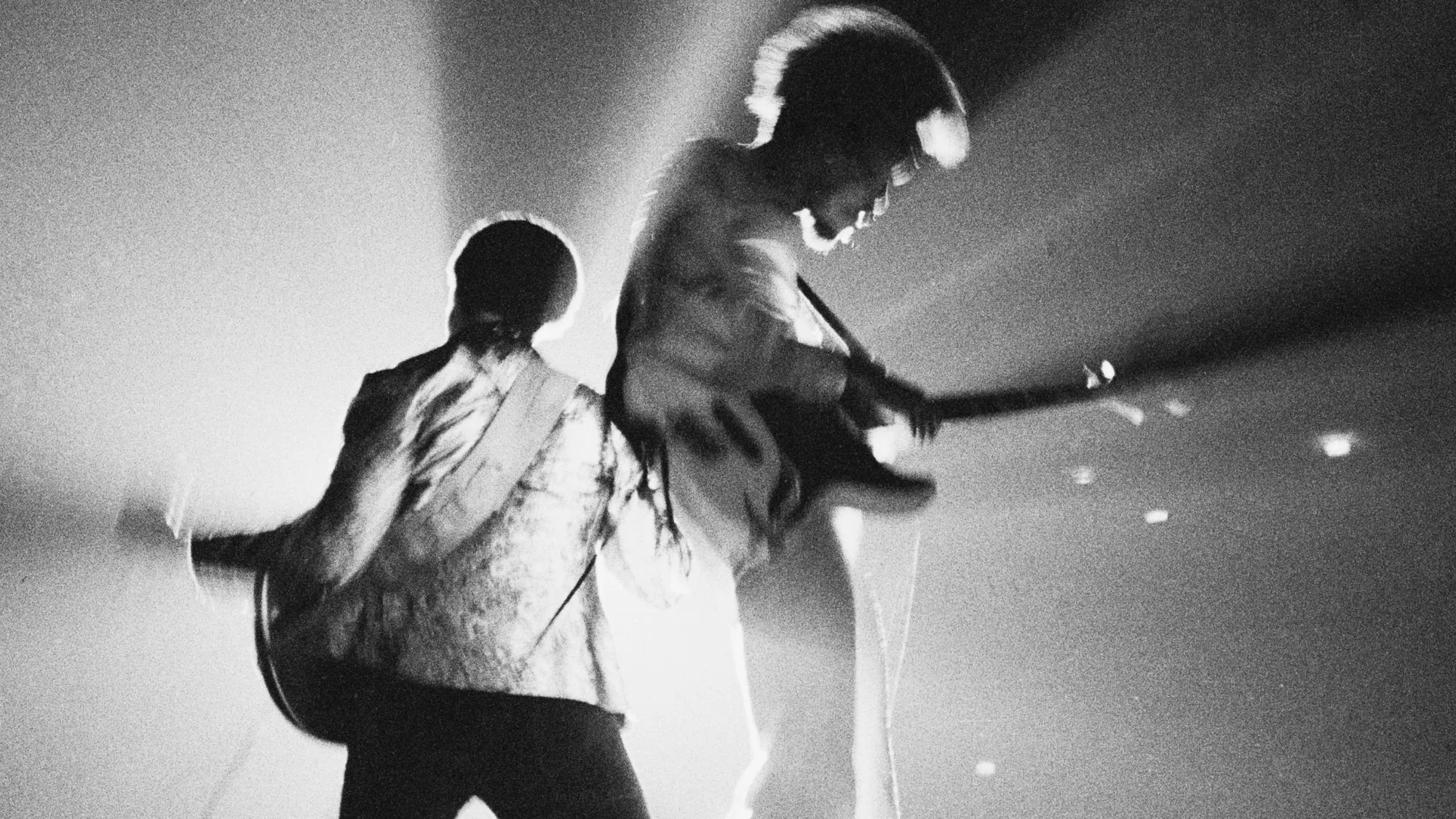
Earth, Wind & Fire, an ensemble that redefined the landscape of American popular music through a sophisticated blend of R&B, soul, funk, jazz, and disco, stands as one of the most commercially successful and critically acclaimed bands of the 20th century. Founded in Chicago in 1969 by the visionary Maurice White, the group’s trajectory from a local experimental outfit to a global phenomenon serves as a blueprint for musical innovation and cross-genre appeal. With over 90 million records sold worldwide and an induction into the Rock and Roll Hall of Fame, Earth, Wind & Fire (EWF) created a sonic identity that was as much about spiritual elevation as it was about rhythmic precision. Their catalog is characterized by a unique duality: the ability to produce chart-topping dance hits while simultaneously exploring complex themes of Afrocentrism, mysticism, and universal love.
The Genesis and Chronological Evolution of a Musical Powerhouse
The story of Earth, Wind & Fire begins with Maurice White, a former session drummer for Chess Records who played on hits for icons like Etta James and Fontella Bass. Seeking to create a group that transcended the limitations of traditional R&B, White moved to Los Angeles and recruited a diverse array of talent, including his brother, bassist Verdine White. The band’s early years were marked by experimentation, but it was the mid-1970s lineup—featuring the soaring falsetto of Philip Bailey and the precision of the Phoenix Horns—that propelled them into the stratosphere of pop music.
By 1975, the release of the soundtrack to the film That’s the Way of the World solidified their status as superstars. The album reached number one on the Billboard 200, and the single "Shining Star" became a definitive anthem of the era. This period marked the beginning of a golden age for the group, characterized by elaborate stage shows featuring pyrotechnics, magic tricks designed by Doug Henning, and costumes that blended ancient Egyptian iconography with futuristic aesthetics. This "Afrofuturist" approach was not merely a gimmick; it was a visual representation of the band’s philosophy that music could bridge the gap between the ancestral past and a technologically advanced future.
Analyzing the Masterpieces September and the Allee Willis Collaboration
Among the most enduring entries in the Earth, Wind & Fire canon is the 1978 hit "September." Originally recorded during the sessions for their Best of Vol. 1 album, the song has become a perennial favorite, experiencing a resurgence every autumn in the digital age. The track was co-written by Maurice White, Allee Willis, and Al McKay. Willis, who would go on to become a legendary songwriter, often recalled that "September" was her first collaboration with the group, a project she entered with a mix of awe and professional rigor.
The song is famous for its infectious "ba-dee-ya" refrain, a lyrical choice that Willis initially questioned. According to historical accounts and interviews with Willis, she spent months trying to find a "real" word to replace the nonsense syllables. However, Maurice White insisted on keeping them, arguing that the feeling and the groove of the sound were more important than literal meaning. This decision highlights White’s production philosophy: music should be a visceral experience that bypasses the intellect to speak directly to the soul.
Data from streaming platforms like Spotify and Apple Music consistently place "September" in the top tier of most-played songs from the 1970s, with a notable spike in listenership every September 21st. The song’s longevity is attributed to its perfect arrangement, featuring a driving bassline by Verdine White and a horn section that provides both rhythmic punctuation and melodic counterpoint.
Let’s Groove and the Transition into the Eighties
As the disco era waned and the music industry shifted toward synthesized sounds in the early 1980s, many 70s-era bands struggled to remain relevant. Earth, Wind & Fire, however, successfully navigated this transition with the 1981 hit "Let’s Groove." Written by Maurice White and Wayne Vaughn, the song incorporated the emerging "Vocoder" vocal effect and a more electronic production style without sacrificing the band’s signature funk foundation.
In interviews with NME and other contemporary music journals, Maurice White explained that "Let’s Groove" was a conscious effort to distill the fundamentals of a hit record into a format that felt modern. He described the process as "real honest," emphasizing that the goal was to share a sense of joy and communal experience with the listener. The track peaked at number three on the Billboard Hot 100 and number one on the Hot R&B/Hip-Hop Songs chart, proving that EWF’s "groove" was adaptable to changing tastes. The success of "Let’s Groove" demonstrated the band’s technical proficiency and White’s keen ear for production trends, ensuring the group’s presence on the airwaves well into their second decade.
The Subversive Depth of Boogie Wonderland
While "Boogie Wonderland" (1979) is often categorized as a quintessential disco floor-filler, a closer analysis of its lyrics reveals a surprisingly somber narrative. A collaboration with the R&B vocal group The Emotions, the song was co-written by Allee Willis and Jon Lind. Willis has noted that the inspiration for the lyrics came from the dark, gritty atmosphere of the 1977 film Looking for Mr. Goodbar, which explored the nihilism and danger of the urban nightlife scene.
The lyrics describe a world where "midnight creeps so slowly into hearts of men" and individuals "dance and shake the hurt" to escape the disappointments of daily life. This juxtaposition of a high-energy, celebratory arrangement with lyrics about loneliness and temporary escapism through "drugs, sex, and alcohol" adds a layer of sophistication rarely found in standard disco tracks. It serves as a social commentary on the era’s excess, suggesting that the "wonderland" of the dance floor was often a fragile facade. Despite its heavy themes, the song was a massive commercial success, earning a Grammy nomination and becoming a staple of the group’s live performances.
Statistical Impact and Industry Recognition
The magnitude of Earth, Wind & Fire’s influence is reflected in their extensive list of accolades and statistical achievements. Over the course of their career, the group has earned:
- Six Grammy Awards from 17 nominations.
- The Grammy Lifetime Achievement Award (2016).
- Four American Music Awards.
- Induction into the Rock and Roll Hall of Fame (2000) and the Vocal Group Hall of Fame (2003).
- A star on the Hollywood Walk of Fame.
- The Kennedy Center Honors (2019), marking them as the first Black group to receive the prestigious award.
Beyond awards, the band’s influence is measured by their impact on subsequent generations of musicians. Their horn arrangements and rhythmic structures have been sampled hundreds of times by hip-hop and R&B artists, including Jay-Z, Public Enemy, and Drake. The "Earth, Wind & Fire sound" became a shorthand for high-production-value funk, characterized by pristine layering and a wide dynamic range.
Broader Cultural Implications and Musical Legacy
Earth, Wind & Fire’s contribution to the cultural fabric of America extends beyond the charts. During a period of significant social and political transition for African Americans, the group provided a soundtrack that emphasized pride, spirituality, and unity. Maurice White’s interest in Egyptology and Eastern philosophy was reflected in the band’s album covers—designed by Shusei Nagaoka—which featured pyramids, celestial bodies, and futuristic landscapes. This helped popularize the Afrofuturist movement, which sought to reclaim African heritage through a lens of science fiction and cosmic exploration.
The band’s ability to maintain a diverse, multi-generational fanbase is a testament to the universal appeal of their message. Whether addressing the environmental concerns of "Earth, Wind & Fire" or the romantic longing of "After the Love Has Gone," the group remained committed to a level of musicality that bridged the gap between "high art" and popular entertainment.
In the contemporary era, the band continues to tour, led by original members Verdine White, Philip Bailey, and Ralph Johnson. Although Maurice White passed away in 2016, his vision of a "total" musical experience—one that engages the body, mind, and spirit—remains the guiding principle of the ensemble. The enduring popularity of their hits like "September," "Let’s Groove," and "Boogie Wonderland" ensures that the legacy of Earth, Wind & Fire will continue to influence the trajectory of global music for decades to come. Their work stands as a reminder that the most effective pop music is often that which dares to be musically complex, lyrically thoughtful, and relentlessly optimistic.
