

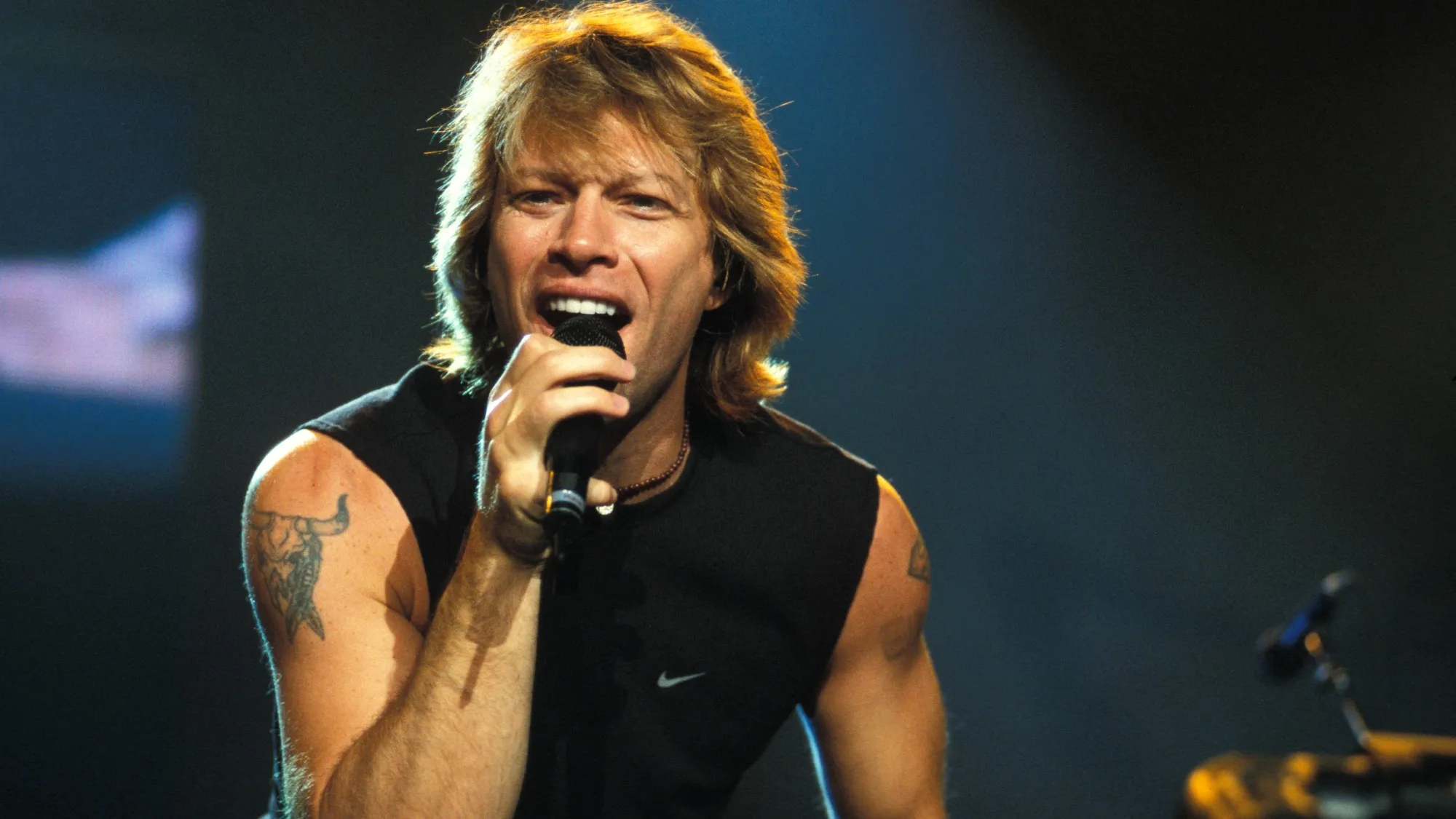
The year 1989 stands as a pivotal juncture in the history of popular music, marking the definitive conclusion of the "hair metal" era and the nascent beginnings of the alternative and grunge movements that would come to define the 1990s. While the sonic landscape was beginning to shift toward the stripped-back aesthetics of the Pacific Northwest, the charts of 1989 were still dominated by the high-production values, soaring choruses, and guitar-driven melodies of hard rock and power ballads. Four specific tracks—"Lay Your Hands On Me" by Bon Jovi, "Close My Eyes Forever" by Lita Ford and Ozzy Osbourne, "18 And Life" by Skid Row, and "Angel Eyes" by The Jeff Healey Band—not only achieved significant commercial success but also served as cultural touchstones for a generation. These songs represent the culmination of a decade of rock evolution, blending technical proficiency with narrative songwriting that continues to resonate with audiences decades after their initial release.
The Cultural and Industrial Context of 1989
To understand the impact of these four tracks, one must examine the state of the music industry at the close of the 1980s. Music television, specifically MTV, had reached the zenith of its influence, capable of breaking a band through heavy rotation of high-budget music videos. The Recording Industry Association of America (RIAA) reported massive growth in the rock sector during this period, with the "power ballad" becoming a mandatory requirement for any hard rock album seeking mainstream crossover success.
As 1989 progressed, the polished production of the mid-80s began to meet a more gritty, street-level sensibility. Bands were increasingly incorporating social commentary and more complex emotional themes into their lyrics, moving away from the purely hedonistic tropes of the early glam era. This transition is evident in the diverse subject matter of the year’s biggest hits, which ranged from spiritual connection and romantic longing to the harsh realities of juvenile delinquency and urban decay.
Bon Jovi and the Global Dominance of New Jersey
By 1989, Bon Jovi had transitioned from a successful New Jersey rock act to one of the largest touring entities in the world. Their fourth studio album, New Jersey, released in late 1988, was designed to prove that the success of its predecessor, Slippery When Wet, was not an anomaly. "Lay Your Hands On Me" was released as the album’s fourth single in the summer of 1989, solidifying the band’s status as the definitive arena rock act of the era.
Composition and Thematic Intent
Written by Jon Bon Jovi and Richie Sambora, "Lay Your Hands On Me" was built around a thundering drum beat and a gospel-influenced chant, designed specifically to serve as a high-energy concert opener. The song reached Number 7 on the Billboard Hot 100, marking the band’s fourth consecutive Top 10 hit from a single album—a record-breaking feat for a hard rock group at the time.
The lyrics, while often interpreted through a romantic lens, were intended by the writers to symbolize the symbiotic relationship between the band and their massive global fanbase. The chorus—"If you want me to lay my hands on you / Lay your hands on me"—acted as a call-and-response anthem that became a staple of their "New Jersey Syndicate" tour, which spanned 237 shows across 22 countries.
Industrial Impact
The success of "Lay Your Hands On Me" demonstrated the power of the "anthem" format. Industry analysts at the time noted that Bon Jovi’s ability to blend rock instrumentation with pop sensibilities allowed them to maintain a presence on Top 40 radio while still selling out stadiums. The track remains a case study in effective rock production, utilizing layered vocal harmonies and Sambora’s signature talk-box guitar effects to create a wall of sound that defined the late-80s aesthetic.
The Unlikely Alchemy of Lita Ford and Ozzy Osbourne
One of the most enduring collaborations of the decade arrived in the form of "Close My Eyes Forever." Released as part of Lita Ford’s third studio album, Lita, the track featured heavy metal icon Ozzy Osbourne in a rare, vulnerable duet. The song’s ascent to Number 8 on the Billboard Hot 100 in mid-1989 represented the highest chart peak for both artists at that point in their respective careers.
The Origin of a Power Ballad
The song’s creation was famously serendipitous. During a management meeting—both artists were managed by Sharon Osbourne—the two began a late-night songwriting session that was reportedly fueled by a shared bottle of wine. The resulting track was a haunting exploration of regret and the fear of loss. The interplay between Ford’s melodic guitar work and Osbourne’s distinctive, emotive vocals created a dark, atmospheric tension that stood in stark contrast to the more upbeat pop-rock of the era.
Critical and Commercial Reception
"Close My Eyes Forever" served to humanize Ozzy Osbourne, who had spent much of the 1980s embroiled in controversy regarding his public persona. For Lita Ford, the song was a professional breakthrough, proving her capabilities as a songwriter and a vocalist who could hold her own alongside one of the genre’s titans. The song’s longevity is attributed to its minor-key arrangement and the genuine chemistry between the performers, which avoided the manufactured feel of many contemporary duets.
Skid Row and the Gritty Realism of 18 And Life
While Bon Jovi represented the polished side of New Jersey rock, Skid Row brought a more aggressive, street-wise energy to the charts in 1989. Their self-titled debut album was a massive success, but it was the second single, "18 And Life," that catapulted the band into the cultural zeitgeist. The song reached Number 4 on the Billboard Hot 100, becoming the band’s most successful single.
Narrative Depth and Social Commentary
Written by guitarist Dave "Snake" Sabo and bassist Rachel Bolan, "18 And Life" is a cautionary tale about a young man named Ricky who commits a senseless murder and is sentenced to life in prison. Sabo has stated in various interviews that the inspiration for the character of Ricky was drawn from his brother’s difficult transition back to civilian life after serving in the Vietnam War, though the lyrics were adapted to reflect a more contemporary urban struggle.
The song’s structure—starting as a somber acoustic ballad before exploding into a high-octane rock chorus—mirrored the volatility of the protagonist’s life. Sebastian Bach’s vocal performance, characterized by its wide range and raw emotional power, was widely cited by critics as one of the best of the year.
Broader Social Implications
"18 And Life" was part of a larger trend in 1989 where hard rock bands began addressing social issues such as homelessness, drug addiction, and gun violence. By placing a tragic narrative at the center of a Top 5 hit, Skid Row challenged the perception that heavy metal was purely escapist. The song’s music video, which dramatized the lyrics, was placed in heavy rotation on MTV, further cementing the track’s status as a definitive late-80s anthem.
The Jeff Healey Band: Blues-Rock in the Mainstream
In a year dominated by big hair and spandex, the success of "Angel Eyes" by The Jeff Healey Band was an anomaly that highlighted the enduring appeal of the blues. Released on the band’s debut album, See The Light, "Angel Eyes" reached Number 5 on the Billboard Hot 100, an impressive feat for a blind guitarist from Canada playing a lap-style technique.
Songwriting and Crossover Appeal
Interestingly, "Angel Eyes" was not written by Healey himself but by veteran songwriters Fred Koller and John Hiatt. The song is a mid-tempo blues-rock ballad that features a "common man" narrative—a protagonist wondering how he managed to win the love of someone seemingly out of his league. Healey’s soulful vocal delivery and his fluid, melodic guitar solos provided a level of authenticity that resonated with both rock fans and adult contemporary listeners.
The Jeff Healey Legacy
Healey’s rise to fame in 1989 was bolstered by his appearance in the Patrick Swayze film Road House, where he and his band served as the house musicians for the fictional "Double Deuce" bar. "Angel Eyes" benefited from this cinematic exposure, but its staying power was rooted in its high production value and Healey’s undeniable virtuosity. The track remains a staple of classic rock radio, serving as a reminder of the brief window in the late 80s when traditional blues-rock could compete on the pop charts with high-concept metal acts.
Chronology of a Year in Transition: 1989 Rock Milestones
- January 1989: Bon Jovi’s New Jersey continues its multi-platinum run; "Born to Be My Baby" climbs the charts.
- March 1989: Lita Ford and Ozzy Osbourne release "Close My Eyes Forever," which begins its slow climb to the Top 10.
- June 1989: Skid Row releases "18 And Life," coinciding with their tour opening for Bon Jovi, providing them with massive national exposure.
- July 1989: "Angel Eyes" enters the Top 40, proving the marketability of blues-inflected rock.
- August 1989: "Lay Your Hands On Me" peaks at Number 7, marking the fourth Top 10 hit from New Jersey.
- September 1989: "18 And Life" peaks at Number 4, the highest-charting song among the four discussed.
Analysis of Broader Impact and Implications
The success of these four songs in 1989 illustrates several key points about the evolution of the music industry. First, it proved that the "power ballad" and the "rock anthem" were the most effective vehicles for commercial longevity. Each of these tracks utilized a specific formula: a memorable hook, high-stakes emotional delivery, and a music video that emphasized the artist’s persona.
Furthermore, 1989 represented the final year of "undisputed" dominance for this style of rock. Within two years, the release of Nirvana’s Nevermind and Pearl Jam’s Ten would render the polished production and theatricality of 1989’s hits "outdated" in the eyes of critics and younger consumers. However, the data suggests that these songs have had a more significant afterlife than many of their contemporaries. According to streaming data and radio airplay statistics from the 2020s, these four tracks remain among the most-played songs from the late 1980s, suggesting that their appeal transcends the "hair metal" label.
The lasting legacy of "Lay Your Hands On Me," "Close My Eyes Forever," "18 And Life," and "Angel Eyes" lies in their ability to capture the specific energy of an era while maintaining a level of songwriting craftsmanship that survives shifting trends. They stand as a testament to a time when rock music was the dominant cultural language, capable of delivering both high-octane entertainment and poignant social reflection. As the 1980s drew to a close, these songs provided a fitting crescendo to a decade of excess, innovation, and unforgettable melodies.
