

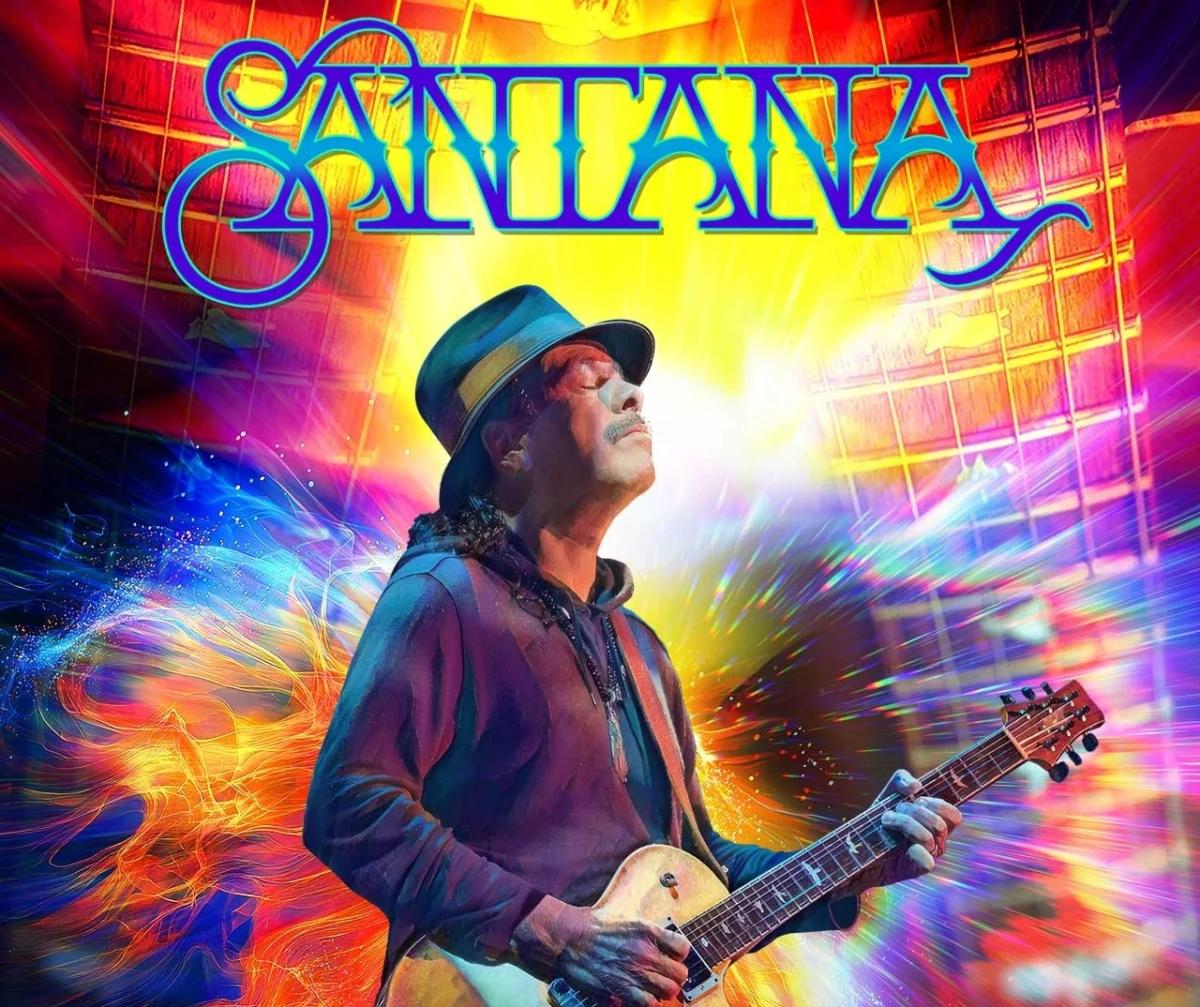
Legendary guitarist Carlos Santana is once again at the center of public controversy following remarks made during a concert at the iconic Red Rocks Amphitheatre on Monday, August 24th, where he offered a highly dubious and medically unfounded "cure" for cancer. The comments, which quickly circulated online, have drawn sharp condemnation from fans, medical professionals, and cancer advocacy groups, who describe them as irresponsible, harmful, and a form of victim-blaming.
The Red Rocks Incident: A Closer Look
The incident unfolded during Santana’s performance at the revered Red Rocks Amphitheatre in Morrison, Colorado, a venue known for its breathtaking natural acoustics and stunning geological formations. On a night that should have been solely dedicated to his iconic fusion of rock and Latin American jazz, Santana paused to address the audience with an unexpected discourse on health.
"If you wanna make sure that in your life you never have cancer, it’s important that you remember this: Grievances causes cancer," Santana told the thousands gathered. He continued, asserting, "So it’s important that you let it go and forgive. Let go of that shit. Let it go. And you will be clean. I promise you. You will be clean." To underscore his claim, he added, "Someone, a specialist on cancer, he said he never met anyone that had cancer that didn’t have grievances."
The immediate reaction from the audience was mixed, with some expressions of agreement, while others, particularly as the comments began to spread online via fan recordings and social media posts, reacted with shock and dismay. The claim that "grievances cause cancer" and that forgiveness is a preventative measure directly contradicts established medical science and has ignited a firestorm of criticism for its potential to mislead and harm vulnerable individuals.
A History of Controversial Remarks
This is not the first instance of Carlos Santana making public comments that have led to widespread criticism and subsequent apologies. In 2017, the ten-time Grammy Award winner faced a similar backlash after making controversial statements about global music icon Beyoncé. Santana had suggested that Beyoncé was "not a singer" but rather a "model" who relied on visual performance over vocal talent, while praising Adele’s musicality. His exact words, "Beyoncé is beautiful to look at and some of her songs are great, but she’s not a singer, she’s a model," drew immediate and intense disapproval from Beyoncé’s fans and the broader music community, who accused him of sexism and undermining a celebrated artist’s accomplishments. Santana later issued an apology, stating that his comments were "unfortunate" and had been taken out of context.
This pattern suggests a propensity for the celebrated musician to venture beyond his musical expertise into areas where his pronouncements can be perceived as ill-informed or insensitive. While celebrities are entitled to their personal beliefs, their immense platforms amplify the reach and potential impact of such statements, especially when they pertain to critical public health matters.
The Medical Community Responds: Dispelling Misinformation
The scientific and medical communities are unequivocal in their stance regarding the causes and prevention of cancer. Santana’s claims stand in stark opposition to decades of rigorous research and established understanding of oncology.
The Science of Cancer Causation
Cancer is a complex disease characterized by the uncontrolled growth and spread of abnormal cells. Its development is multi-factorial, influenced by a combination of genetic predispositions, environmental exposures, and lifestyle choices. The leading recognized causes and risk factors for cancer include:
- Genetics: Inherited gene mutations play a significant role in a small percentage of cancers, such as certain breast, ovarian, and colorectal cancers.
- Lifestyle Factors:
- Tobacco Use: Smoking and exposure to secondhand smoke are the single largest preventable causes of cancer worldwide, linked to lung, throat, mouth, bladder, and many other cancers.
- Alcohol Consumption: Excessive alcohol intake is a known risk factor for cancers of the mouth, throat, esophagus, liver, and breast.
- Diet and Nutrition: Diets high in processed meats, red meats, and low in fruits and vegetables are associated with increased cancer risk. Obesity is also a significant risk factor for various cancers.
- Physical Inactivity: Lack of regular exercise increases the risk of several cancer types.
- Environmental Exposures:
- Ionizing Radiation: Exposure to radon gas, UV radiation from sunlight, and medical radiation (e.g., X-rays, CT scans) can damage DNA and increase cancer risk.
- Chemical Carcinogens: Exposure to certain chemicals in the workplace or environment (e.g., asbestos, benzene, formaldehyde) can cause cancer.
- Pollution: Air and water pollution have been linked to increased cancer incidence.
- Infectious Agents: Certain viruses and bacteria are known to cause cancer, including Human Papillomavirus (HPV) for cervical and head and neck cancers, Hepatitis B and C viruses for liver cancer, and Helicobacter pylori for stomach cancer.
- Age: The risk of most cancers increases with age, as cumulative exposure to risk factors and cellular damage accrues over time.
Organizations like the National Cancer Institute (NCI), the World Health Organization (WHO), and the American Cancer Society (ACS) consistently publish evidence-based guidelines on cancer prevention, screening, and treatment. None of these reputable bodies, nor any other legitimate scientific institution, has ever identified "grievances" or a lack of forgiveness as a cause or cure for cancer.
Psychological Well-being and Health
While mental and emotional well-being are undoubtedly crucial components of overall health, the link between psychological factors and cancer is often misunderstood and misrepresented. Chronic stress, depression, and other emotional distress can impact the body in various ways, potentially influencing immune function, inflammation, and hormone regulation. These effects might indirectly contribute to a less resilient state or influence unhealthy coping mechanisms (e.g., smoking, poor diet) that are known cancer risk factors. However, scientific research has not established a direct causal link between emotional grievances, trauma, or a lack of forgiveness and the initiation or progression of cancer cells.
To suggest that an individual’s emotional state directly causes or prevents cancer is a gross oversimplification and, more critically, an unscientific assertion that places undue blame and burden on those affected by the disease. Cancer patients and survivors often face immense emotional and psychological challenges, and such claims can exacerbate feelings of guilt, inadequacy, and despair.
The Dangers of Medical Misinformation
The dissemination of unsubstantiated medical claims, particularly by influential public figures, carries significant and far-reaching dangers.
Impact on Patients and Survivors
The most immediate and profound impact of Santana’s statements falls upon cancer patients, survivors, and their families. The idea that "grievances cause cancer" is a classic example of victim-blaming. It implies that individuals are solely responsible for their illness due to their emotional state, rather than acknowledging the complex biological, genetic, and environmental factors at play.
This narrative can induce immense psychological distress, guilt, and shame. Patients already grappling with a life-threatening diagnosis may internalize these messages, believing their illness is a punishment for unaddressed emotional issues. This can lead to:
- Undermining Trust in Medical Professionals: Patients might question evidence-based treatments or advice from their doctors.
- Delaying or Abandoning Proven Therapies: Some may be swayed to pursue unproven alternative "cures" based on emotional or spiritual practices, foregoing potentially life-saving conventional treatments like chemotherapy, radiation, or surgery.
- Increased Mental Health Burden: Adding guilt and self-blame to the already heavy psychological toll of a cancer diagnosis.
- Isolation: Patients might feel misunderstood or judged if they are unable to "let go" of perceived grievances.
For those who have lost loved ones to cancer, such claims can be deeply hurtful, implying that their family members might have survived had they simply been more forgiving or emotionally "clean."
Public Health Implications
Beyond individual harm, medical misinformation poses broader public health challenges:
- Erosion of Trust in Science: When celebrities promote unverified health claims, it can erode public trust in scientific institutions, medical research, and public health authorities.
- Spread of Pseudoscientific Beliefs: It normalizes and legitimizes pseudoscientific ideas, making it harder for the public to discern accurate health information from harmful myths.
- Resource Misallocation: If individuals are diverted towards unproven remedies, it can lead to financial exploitation and a misallocation of personal and public health resources away from effective prevention and treatment strategies.
- Hindrance to Prevention Efforts: Accurate public health campaigns about genuine cancer risk factors (e.g., smoking, obesity, HPV vaccination) can be undermined by the proliferation of misleading information.
Fan and Public Reaction: A Swift Backlash
The online response to Santana’s Red Rocks comments was swift and overwhelmingly negative. Social media platforms, including Reddit, X (formerly Twitter), and Facebook, became immediate forums for public outrage. Many long-time fans expressed profound disappointment, citing the irresponsibility of using such a prominent platform to spread dangerous medical advice.
Comments ranged from direct refutations of the medical claims to expressions of personal pain:
- "As someone who lost a parent to cancer, this is incredibly offensive and a complete form of victim-blaming," one user wrote on Reddit.
- "Santana should stick to guitar. Spreading medical misinformation, especially about cancer, is incredibly harmful," another posted on X.
- "My mother-in-law was the most forgiving person I knew, and she died of cancer. This kind of rhetoric is disgusting," read a Facebook comment.
- Several people referenced Santana’s past apology for his Beyoncé comments, questioning his judgment and suggesting a pattern of thoughtless public statements.
The sentiment underscored a strong public expectation that figures with significant influence should exercise caution and responsibility, particularly when addressing sensitive topics like health and disease.
Ethical Considerations for Public Figures
Carlos Santana, as a world-renowned musician with a career spanning over five decades, commands an enormous platform and a loyal global following. This level of influence comes with an inherent ethical responsibility. While freedom of speech is a fundamental right, when that speech pertains to public health and is presented as factual advice, it crosses into a territory where accuracy and potential harm must be carefully considered.
Celebrities often leverage their fame to advocate for causes they believe in, which can be immensely positive. However, when those beliefs stray into unsubstantiated medical claims, the potential for harm outweighs any perceived good intention. The ethical imperative for public figures is to either remain silent on complex medical issues or, if they choose to speak, to ensure their information is vetted, evidence-based, and aligned with expert consensus. Failing to do so can lead to devastating consequences for their audience, who may mistakenly attribute expertise to their pronouncements solely based on their celebrity status.
Looking Ahead: The Path to Rectification
As of the immediate aftermath of the Red Rocks incident, Carlos Santana had not issued a public apology or clarification regarding his cancer claims. Given his history of retracting controversial statements, there is an expectation from the public and medical community that he will address the backlash. A clear, unequivocal retraction and an acknowledgment of the scientific consensus on cancer causation would be crucial to mitigate the damage caused by his remarks.
Beyond an apology, this incident highlights a broader societal challenge: the pervasive nature of medical misinformation in the digital age. It underscores the critical importance for individuals to seek medical advice from qualified healthcare professionals and to rely on reputable scientific and medical organizations for accurate health information. While empathy, forgiveness, and positive emotional states can contribute to overall well-being and coping mechanisms during illness, they are not substitutes for scientific understanding of disease prevention, diagnosis, and treatment.
The incident at Red Rocks serves as a potent reminder of the power of celebrity influence and the grave responsibility that comes with it. In matters of public health, the stakes are too high for anything less than accurate, evidence-based communication.
