

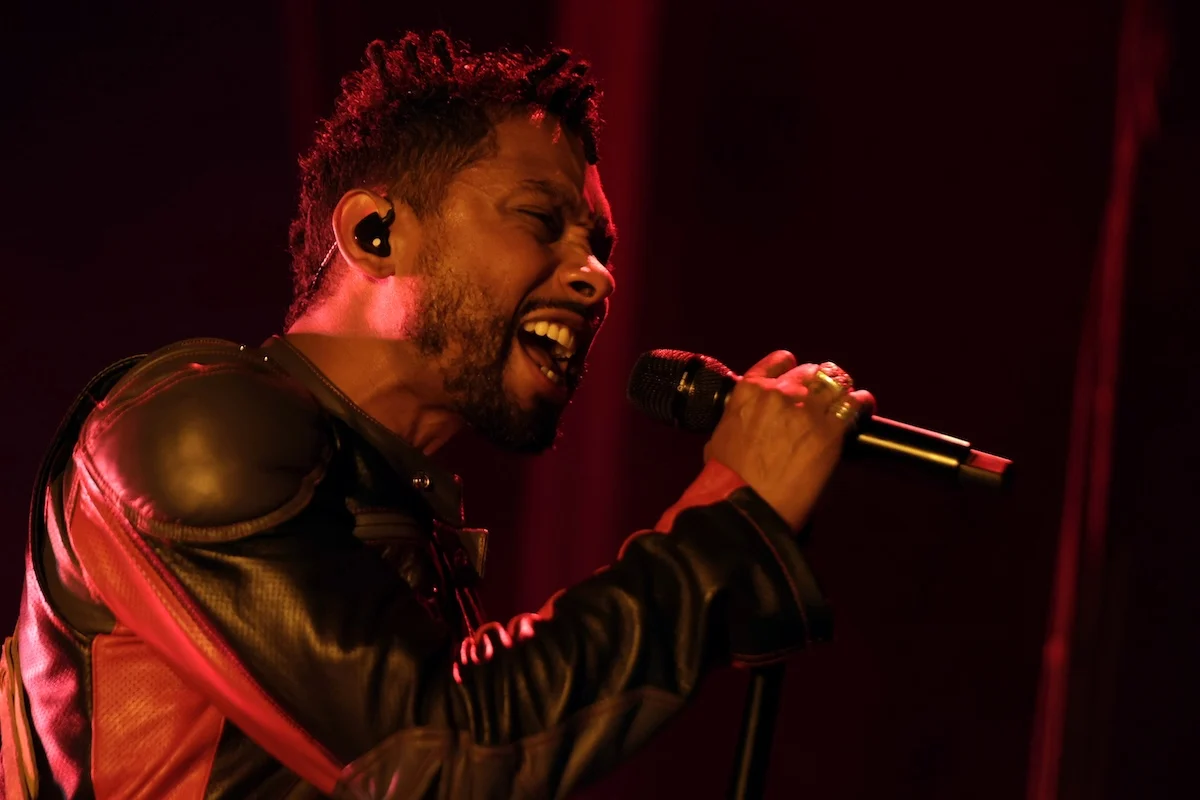
R&B luminary Miguel has issued a fervent public statement condemning a sustained campaign of "racism, harassment, stalking, invasions of privacy, and false allegations" directed at his family. The artist’s powerful message, delivered via social media on Friday, August 28, comes in the wake of his partner, Margaret Zhang’s, announcement that the couple is expecting their second child. This latest wave of abuse, specifically targeting Zhang with racist and anti-Asian attacks, alongside "abusive comments" aimed at their existing child, has prompted the Grammy-winning singer to draw a definitive line, asserting that legal and ethical boundaries have been breached and further action will be pursued.
Miguel’s statement, posted on Instagram, underscored the distinction between public opinion regarding his work and the unacceptable nature of personal attacks. "People can have opinions about me. About the music. About the work. I accept the realities that come with doing anything in public," he wrote, acknowledging the inherent scrutiny that accompanies a life in the spotlight. However, he unequivocally declared, "But racism, threats, harassment, stalking, invasions of privacy, and targeting of children are abuse. Not opinion." This assertion highlights a critical boundary often blurred in the digital age, where public figures are frequently subjected to intense personal scrutiny that can escalate into harmful online and offline behavior.
Escalation of Abuse Following Pregnancy Announcement
The specific catalyst for Miguel’s recent public outcry appears to be the announcement of his partner Margaret Zhang’s second pregnancy. While the initial onset of harassment and false allegations against his family has been ongoing for "the past year," as detailed in his statement, the news of an expanding family seems to have intensified the targeting. Miguel specifically called out "recent racist and anti-Asian attacks directed at my partner – including comments and DMs, as well as abusive comments about my child," emphasizing that these actions "crossed a LINE that should require no explanation." This detail underscores a disturbing trend where personal milestones, particularly those involving family, can trigger heightened levels of online abuse and hate speech, often with a racial or discriminatory undertone.
Margaret Zhang is a prominent figure in her own right, known for her multifaceted career as a fashion director, creative, writer, photographer, and filmmaker. Her professional stature and public presence likely contribute to the visibility that makes her a target, particularly within the context of her relationship with Miguel. The intersection of her professional identity with her personal life as Miguel’s partner, combined with her Asian heritage, creates a complex dynamic that can unfortunately attract discriminatory attacks in an increasingly polarized online environment. The targeting of a pregnant woman and her existing child adds a layer of egregious harm, infringing upon deeply personal and vulnerable aspects of family life.
Timeline of Events and Miguel’s Career Context
Miguel Jontel Pimentel, known mononymously as Miguel, has been a significant force in contemporary R&B for over a decade. His career gained widespread recognition with albums like Kaleidoscope Dream (2012) and Wildheart (2015), earning him critical acclaim and a dedicated fanbase. Last year, he released his fifth album, Caos, which continued to showcase his unique blend of R&B, funk, and soul. The release of an album often brings renewed public attention, and while it’s intended for professional engagement, it can inadvertently open doors to increased scrutiny of a celebrity’s personal life.
The chronology of the harassment, as outlined by Miguel, indicates a sustained period of distress for his family:
- Last Year: The period during which Miguel released his fifth album, Caos, marked the beginning of his family being subjected to "racism, harassment, stalking, invasions of privacy, and false allegations." The original statement doesn’t specify an exact start date, but this implies an ongoing issue that has worsened over time.
- Recent Past (Leading up to Aug. 28): The announcement of Margaret Zhang’s second pregnancy occurred, triggering a specific surge in "racist and anti-Asian attacks" directed at Zhang and "abusive comments" about their child.
- Friday, August 28: Miguel publicly addressed the escalating abuse via a detailed statement posted on his Instagram account, drawing a firm boundary and announcing intentions for legal action where appropriate.
This timeline suggests a gradual erosion of privacy and safety for the family, culminating in a critical point that necessitated public intervention from Miguel. The decision to speak out publicly is often a last resort for celebrities, indicating the severity and persistence of the threats and harassment they endure.
The Broader Context: Online Harassment and Anti-Asian Hate
Miguel’s statement resonates with a much larger societal issue concerning online harassment, cyberbullying, and the alarming rise of anti-Asian sentiment globally. Statistics from various organizations highlight the pervasive nature of these problems:
- Anti-Asian Hate: Reports from organizations like Stop AAPI Hate and the Asian American Bar Association have documented a significant surge in anti-Asian hate incidents, both online and offline, since early 2020. This spike is often linked to xenophobic rhetoric surrounding the COVID-19 pandemic. A Stop AAPI Hate report from March 2021 indicated nearly 6,603 anti-Asian hate incidents were reported between March 19, 2020, and March 31, 2021, with verbal harassment and shunning being the most common forms of discrimination. Women were disproportionately targeted, accounting for 68% of incidents. While these statistics primarily cover physical and verbal harassment, the online realm mirrors and often amplifies these biases, creating hostile digital environments. The targeting of Margaret Zhang specifically with anti-Asian attacks falls squarely within this troubling trend.
- Online Harassment: Data from the Pew Research Center consistently shows that a significant percentage of internet users have experienced some form of online harassment. A 2020 study found that 41% of Americans had personally experienced online harassment, with specific demographics, including racial and ethnic minorities and women, facing higher rates of severe forms of harassment. For public figures, these numbers are often exponentially higher, and the nature of the abuse can escalate to stalking, doxing, and threats, as outlined by Miguel. The anonymity or perceived anonymity of the internet empowers individuals to engage in behavior they might never consider offline, leading to a breakdown of civility and a normalization of aggression.
- Targeting of Children: The targeting of children, as mentioned by Miguel, represents a particularly heinous aspect of online abuse. Children of public figures are often unwilling participants in their parents’ fame, yet they become collateral damage in online campaigns of hatred. This type of harassment can have severe psychological impacts on minors, affecting their sense of safety, well-being, and development. Child protection organizations and legal frameworks globally are increasingly grappling with how to safeguard children from online exploitation and abuse, but the challenge remains significant, especially when the perpetrators operate across jurisdictions or under pseudonyms.
Social Media’s Role and Platform Responsibility
Miguel’s statement also pointedly addressed the role of "organizations and individuals that knowingly amplify or enable racism, harassment, or false allegations for attention and engagement." This critique implicitly, and often explicitly in similar celebrity statements, refers to social media platforms and certain media outlets that may inadvertently or deliberately provide a stage for such harmful content.
Social media companies like Instagram, where Miguel posted his statement, have explicit community guidelines prohibiting hate speech, harassment, and bullying. However, the enforcement of these policies remains a contentious issue. Critics argue that platforms are often slow to act, lack sufficient moderation resources, or prioritize engagement metrics over user safety, allowing harmful content to proliferate. The sheer volume of user-generated content makes comprehensive moderation a monumental task, yet the responsibility to create safer online spaces is increasingly being placed on these tech giants.
For public figures, the constant barrage of comments and direct messages can be overwhelming. While platforms offer tools for filtering comments and blocking users, the scale of targeted campaigns can overwhelm these features. Miguel’s call for accountability extends beyond the direct perpetrators to those who "knowingly amplify or enable" such behavior, suggesting a need for a more proactive and stringent approach from platforms and potentially from media entities that report on or feature such content.
Legal and Ethical Implications
Miguel’s assertion that "Where legal and ethical lines have been crossed, action has been and will continue to be taken" signals a serious intent to pursue legal recourse against those responsible for the abuse. Depending on the jurisdiction and the specifics of the harassment, various legal avenues may be available:
- Defamation: False allegations that harm a person’s reputation could be subject to defamation lawsuits.
- Harassment and Stalking: Many jurisdictions have laws against online harassment and cyberstalking, which can carry criminal penalties.
- Invasion of Privacy: Public figures, while having a reduced expectation of privacy, are still protected from certain egregious invasions, especially concerning their private family life.
- Child Protection Laws: Laws designed to protect children from abuse and exploitation may also come into play if the comments or actions directed at his child are severe enough.
The ethical implications of online behavior are equally significant. Miguel highlighted that individuals participating in such behavior are "not supporting me. You are not part of this community." This statement attempts to define the boundaries of acceptable fan engagement and community participation, emphasizing that true support does not involve the perpetration or amplification of abuse. It’s a call for fans to self-police and for the broader online community to foster a culture of respect and empathy rather than toxicity.
Reactions and Broader Implications
While Miguel’s statement did not include reactions from other celebrities or specific organizations, it can be inferred that his sentiments are widely shared within the entertainment industry and by anti-harassment advocacy groups. Many public figures have increasingly spoken out against online abuse, the erosion of privacy, and the mental health toll it takes on them and their families. There is a growing consensus that the current online environment often fails to protect individuals from targeted harassment, necessitating stronger legal frameworks, more robust platform enforcement, and a fundamental shift in online culture.
Miguel concluded his statement with a message of gratitude to those who have shown kindness: "To everyone who has treated my family with kindness, dignity, and respect: We see you. We deeply appreciate you." This acknowledgment serves as a reminder that amidst the negativity, there is a community of supporters who value decency and respect. His public stance is not only a personal defense but also a contribution to the ongoing conversation about accountability, digital citizenship, and the urgent need to combat online hate and harassment, especially when it targets vulnerable individuals and crosses into racial discrimination and the abuse of children. The incident serves as a stark reminder of the dark side of digital connectivity and the enduring challenges faced by public figures in navigating their personal lives under the relentless gaze of the internet.
