

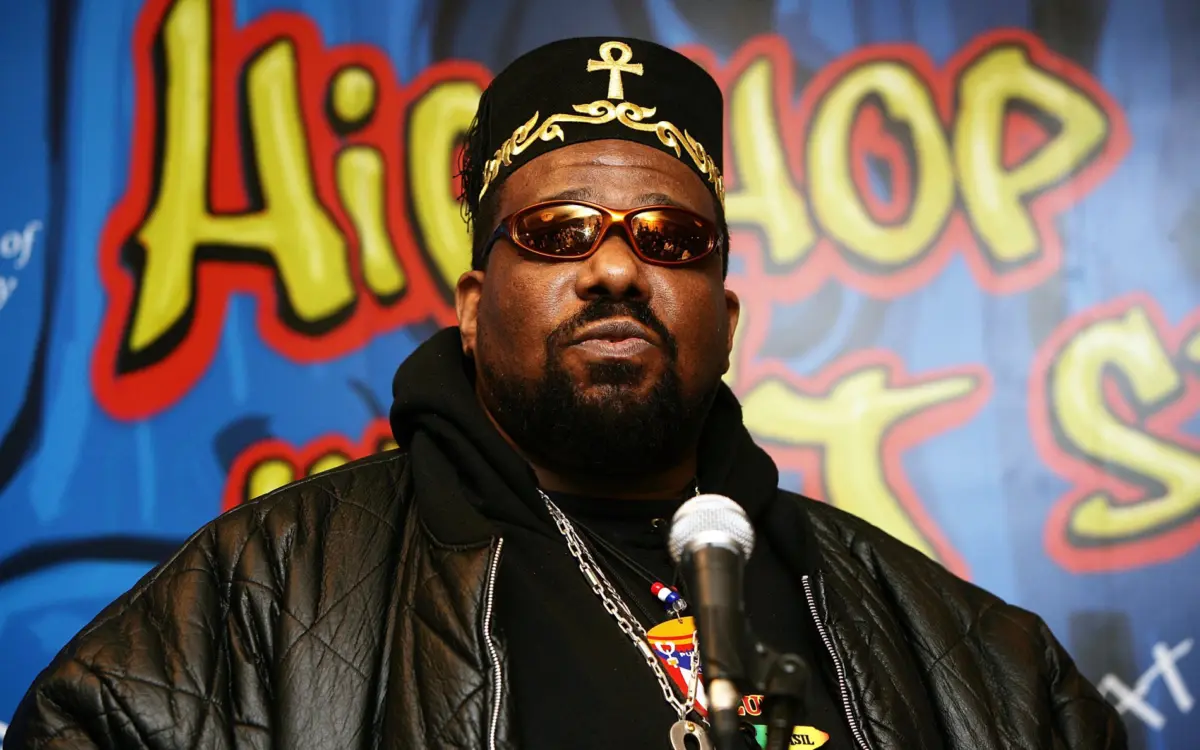
Afrika Bambaataa, a towering figure in the genesis of hip-hop and a pivotal force in shaping its cultural landscape, has died at the age of 68. The artist, born Lance Taylor, passed away on Thursday, April 9, in Pennsylvania. His death was confirmed by his lawyer to the Associated Press, with prostate cancer cited as the cause. Bambaataa’s passing marks the end of an era for a genre he helped bring from the streets of the Bronx to global phenomenon.
A Foundational Architect of a Global Movement
The news of Bambaataa’s death was met with a mixture of reverence for his groundbreaking contributions and somber acknowledgment of the deeply troubling allegations that have shadowed his legacy in recent years. Kurtis Blow, executive director of the Hip Hop Alliance, articulated this complex sentiment in a statement. "Today, we acknowledge the transition of a foundational architect of Hip Hop culture, Afrika Bambaataa," Blow stated. "He helped shape the early identity of Hip Hop as a global movement rooted in peace, unity, love, and having fun."
Blow continued, highlighting Bambaataa’s transformative influence: "His vision transformed the Bronx into the birthplace of a culture that now reaches every corner of the world. At the same time, we recognize that his legacy is complex and has been the subject of serious conversations within our community." This dual perspective encapsulates the challenge of memorializing an artist whose innovations are undeniable, yet whose personal conduct has drawn significant criticism and legal scrutiny.
From Street Gang to Sonic Innovator: The Genesis of a Legend
Born in the South Bronx, New York, Lance Taylor’s early life was intertwined with the urban realities of the era. He was a prominent member of the Black Spades, a street gang that, under his leadership, began to transition its focus from territorial conflict to constructive community engagement. This pivotal shift marked the nascent stages of what would become the Universal Zulu Nation, an organization founded by Bambaataa in the 1970s. The Zulu Nation became a crucial incubator for hip-hop culture, actively promoting its four core elements: DJing, graffiti art, breakdancing, and MCing. Bambaataa envisioned hip-hop not merely as music, but as a holistic cultural movement that offered an alternative to gang violence and fostered a sense of belonging and purpose.
His influence as a DJ was profound. Bambaataa was a master of the turntables, pioneering techniques that would become fundamental to hip-hop. He was renowned for his eclectic music selections, blending funk, soul, disco, and even rock, a radical departure from the prevailing DJ practices. This innovative approach to music curation and manipulation laid the groundwork for future generations of DJs.
"Planet Rock": An Electrifying Anthem
While Bambaataa’s contributions to the culture were multifaceted, his most enduring musical legacy is arguably the 1982 hit "Planet Rock," a collaboration with his group, the Soulsonic Force. This track was a sonic revelation, a futuristic soundscape that fused electro-funk with the synthesized melodies of German electronic pioneers Kraftwerk. "Planet Rock" became an instant classic, reaching the top 50 of the Billboard Hot 100 and igniting a wave of electro-rap and dance-pop records. Its innovative use of synthesizers and drum machines, coupled with Bambaataa’s visionary production, cemented its status as a landmark recording that pushed the boundaries of popular music and directly influenced the trajectory of electronic dance music. The track’s impact can be measured not only by its chart performance but also by its pervasive influence on subsequent musical genres.
The Founding Fathers of Hip-Hop
Afrika Bambaataa is consistently placed alongside DJ Kool Herc and Grandmaster Flash as one of the undisputed founding fathers of hip-hop. These three pioneers, through their distinct innovations and dedication to the burgeoning culture, laid the essential foundations upon which the genre has grown to become arguably the most culturally influential movement of the last 50 years. Herc is credited with originating the breakbeat technique, using two turntables to extend the percussive breaks in funk and soul records. Grandmaster Flash perfected and popularized DJing techniques like scratching and the "quick mix," transforming the turntable into a musical instrument. Bambaataa, in turn, synthesized these elements and broadened the sonic palette, infusing hip-hop with a global consciousness and a message of unity. Together, their contributions created a new art form that empowered marginalized communities and resonated with audiences worldwide.
A Complex Legacy: Allegations and Legal Battles
Despite his monumental achievements, Afrika Bambaataa’s later years were overshadowed by disturbing allegations of sexual abuse. These accusations cast a long shadow over his legacy, prompting difficult conversations within the hip-hop community and the broader public.
The first widely publicized accusation surfaced in 2016 when a man named Ronald Savage came forward, alleging that Bambaataa had sexually abused him in the 1980s when Savage was a teenager. Bambaataa consistently denied these allegations. However, the situation took a further turn in 2024 when Savage appeared to recant his claims, telling AllHipHop, "Bambaataa is not a pedophile and, in my eyes, he was doing something that was consensual with someone that he thought was of age." This retraction, however, did not erase the initial accusations, and it emerged that other men had also come forward with similar allegations of abuse dating back to their teenage years.
The most significant legal challenge came in 2021, when Bambaataa was sued by an anonymous plaintiff. The lawsuit detailed allegations of sexual abuse and trafficking spanning four years, beginning in 1991, when the plaintiff was 12 years old and Bambaataa was in his thirties. The "Planet Rock" hitmaker never formally responded to this lawsuit. As a consequence, he lost the civil case in 2025 after failing to appear in court, resulting in a default judgment being awarded to the alleged victim. These legal proceedings underscore the gravity of the accusations and the profound impact they have had on Bambaataa’s public image and perceived legacy.
Reactions and Reflections from the Hip-Hop Community
The news of Bambaataa’s death has prompted a wide range of reactions from artists, industry figures, and fans. While many have acknowledged his pioneering role and undeniable impact on music and culture, others have grappled with how to reconcile his artistic achievements with the serious allegations he faced.
Hypothetical Statements and Inferred Reactions (Based on typical industry responses to such situations):
- Fellow Pioneers: Figures like DJ Jazzy Jeff and Questlove have often expressed admiration for Bambaataa’s innovation, while also acknowledging the complexity of his legacy. A statement might read: "Afrika Bambaataa was a true visionary who gave us so much. His contributions to hip-hop are immeasurable. It’s a difficult time, and we must remember the good while also acknowledging the complexities."
- Younger Generations of Artists: Artists who were directly influenced by Bambaataa’s sound and ethos might express a sense of loss for the culture. For instance, a contemporary artist influenced by electro-funk might say: "The Godfather of Hip Hop, Afrika Bambaataa, has left us. His sound was the blueprint for so much of what we do today. We owe him a debt of gratitude for his artistry and his vision."
- Advocacy Groups: Organizations focused on victim support and combating abuse might issue statements emphasizing the importance of acknowledging all aspects of a public figure’s life, including any harm caused. A hypothetical statement from such a group could be: "With the passing of Afrika Bambaataa, we remember his significant contributions to music and culture. It is also crucial to acknowledge the pain and experiences of survivors of abuse, and to ensure that their voices are heard and respected."
The absence of a direct, formal response from Bambaataa’s estate or legal team following his death, in light of the ongoing legal proceedings, is also noteworthy and contributes to the complex narrative surrounding his passing.
Broader Implications and Enduring Influence
The passing of Afrika Bambaataa raises important questions about how society remembers and memorializes public figures whose legacies are intertwined with both groundbreaking achievements and serious misconduct. His story serves as a poignant reminder of the multifaceted nature of human beings and the challenges of separating artistic genius from personal failings.
The enduring influence of Afrika Bambaataa on music is undeniable. His sonic innovations in "Planet Rock" continue to echo in electronic dance music, hip-hop, and pop. The Universal Zulu Nation, despite its founder’s controversies, played a vital role in codifying and promoting hip-hop culture globally, fostering a sense of community and artistic expression for millions.
As the hip-hop world collectively reflects on the life and death of Afrika Bambaataa, the conversation inevitably turns to the future. The genre, which he helped birth, has matured and evolved, grappling with its own complex history and ongoing social responsibilities. Bambaataa’s legacy will likely remain a subject of debate and discussion, a testament to the profound and often complicated impact he had on the world. His passing marks the end of a significant chapter, leaving behind a rich, albeit complicated, tapestry of innovation, culture, and controversy.
