

The landscape of digital music production has seen a significant shift toward the preservation of "imperfect" vintage technologies, a trend further solidified by the recent launch of the Optigan plugin by DSP Bricks. This new software instrument serves as a comprehensive digital recreation of the Optigan (Optical Organ), a short-lived but historically significant instrument first introduced to the consumer market in 1971. By translating the unique mechanical and optical processes of the original hardware into a streamlined virtual instrument, DSP Bricks aims to provide modern producers with the distinct, lo-fi character that has made the original hardware a sought-after collector’s item for decades.
The Optigan plugin reproduces the specific playback mechanics of the original unit, which relied on interchangeable optical program discs rather than electronic oscillators or magnetic tape. This release includes the full library of 40 original program discs alongside three rare prototype discs, offering a exhaustive sonic archive of the Optigan’s capabilities. Priced at €49 and supporting major formats including VST3, AU, and AAX, the plugin marks a significant entry into the niche market of vintage hardware emulation.
The Technological Lineage of the Optical Organ
To understand the significance of the DSP Bricks release, one must examine the unorthodox history of the Optigan Corporation, a subsidiary of the toy giant Mattel. Launched in 1971, the Optigan was marketed as a high-end consumer instrument intended for home entertainment. Unlike the Hammond organs of the era, which used tonewheels, or the Mellotron, which used magnetic tape loops, the Optigan utilized "optical soundtracks" similar to those found on 35mm motion picture film.
The original hardware functioned by shining a light through a spinning, translucent 12-inch celluloid disc. These discs were encoded with 57 concentric tracks: 37 for individual notes on the keyboard and 21 for chord buttons and rhythm accompaniments. As the light passed through the varying densities of the disc’s tracks, it was captured by a photoelectric cell and converted into an electrical signal, which was then amplified. This process allowed the Optigan to play back actual recordings of live musicians—a precursor to modern sampling—though the fidelity was limited by the optical technology of the time.
The Optigan’s commercial life was brief. Due to the fragility of the discs, the mechanical complexity of the playback system, and the rapid evolution of electronic synthesizers, Mattel sold the company to Miner Industries in 1973. By 1976, production had ceased entirely. Despite its failure as a mass-market consumer product, the instrument’s grainy, "wobbly" sound quality eventually earned it a cult following among experimental musicians and film composers seeking a nostalgic, haunting aesthetic.
Technical Specifications and Plugin Architecture
The DSP Bricks Optigan plugin is designed to emulate not just the sounds of the original discs, but the specific behavior of the hardware’s playback engine. A defining characteristic of the original Optigan was the direct relationship between motor speed and pitch. Because the discs were driven by a single motor, changing the tempo of the rhythm accompaniment would inherently shift the pitch of the keyboard notes.
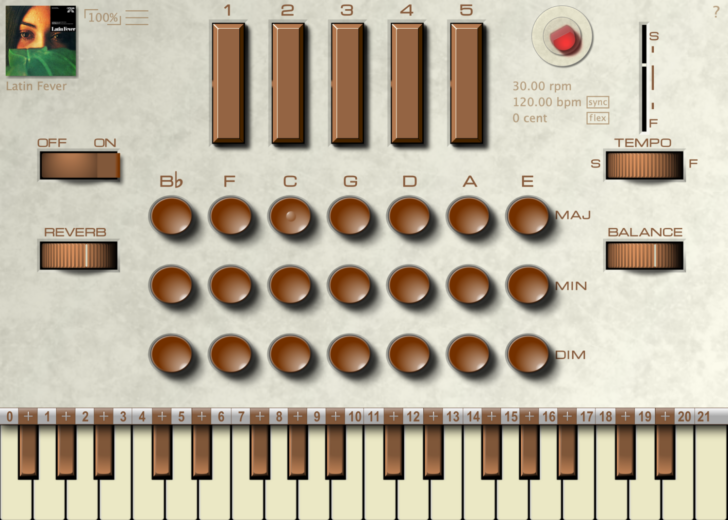
DSP Bricks has incorporated this "authentic" mode while also offering modern flexibility. The plugin features an independent pitch adjustment control and a tempo synchronization function, allowing users to lock the loops to their Digital Audio Workstation (DAW) clock without necessarily altering the pitch—a feat impossible on the original 1971 hardware.
Key Features of the DSP Bricks Optigan:
- Comprehensive Library: Includes all 40 original production discs and three rare prototype discs that were never officially released to the public.
- Authentic Playback Engine: Emulates the "optical" noise, frequency response, and mechanical quirks of the original photoelectric system.
- Modern DAW Integration: Native support for Apple Silicon (M1/M2/M3) and compatibility with macOS and Windows.
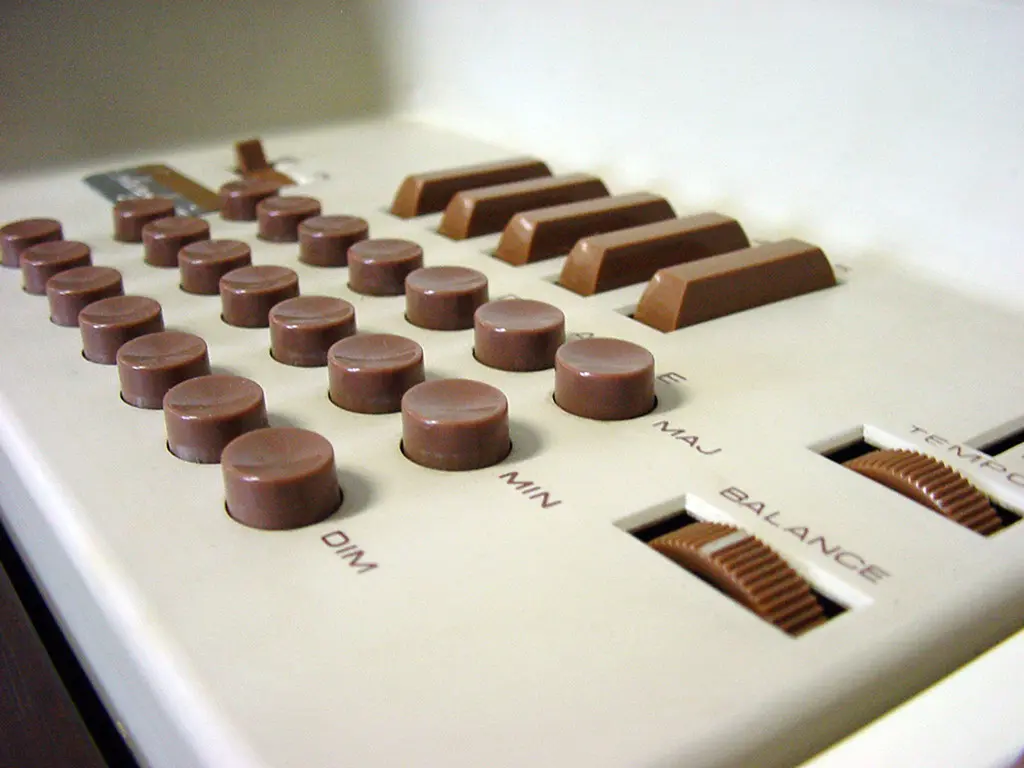
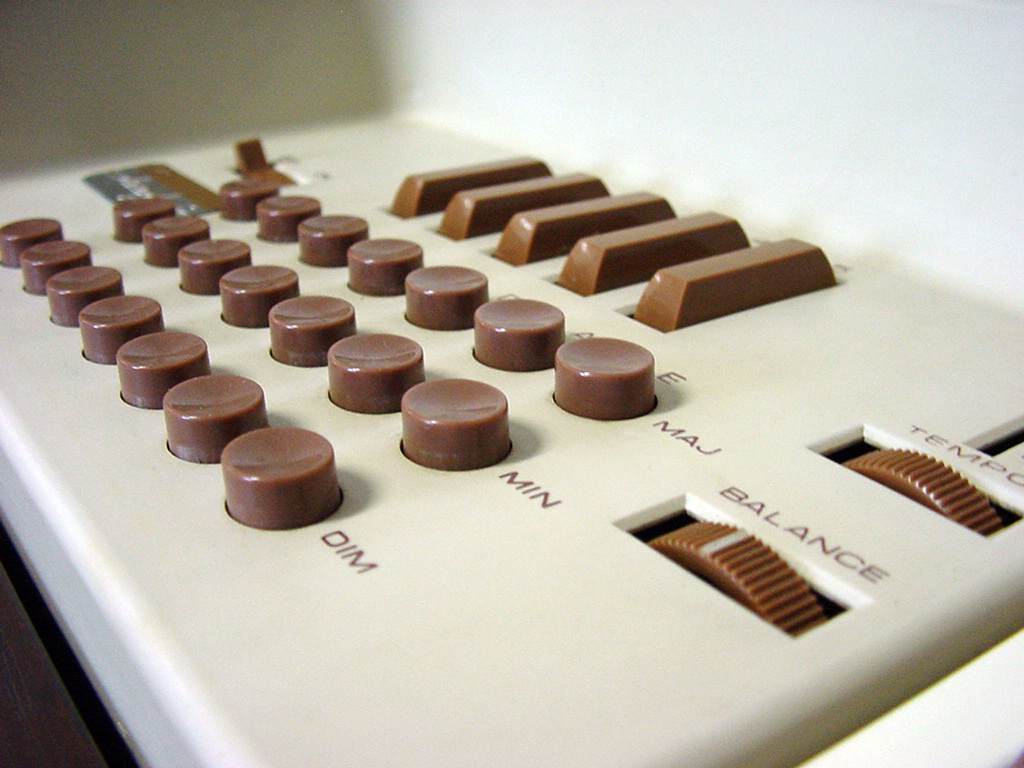
- Control Interface: A dedicated interface for managing the chord buttons and keyboard layout, mirroring the physical design of the Optigan’s control surface.
- Standalone and Plugin Formats: Available as a standalone application for live performance or as a plugin (VST3, AU, AAX) for studio production.
Chronology of the Optigan Discs
The variety of the 43 discs included in the DSP Bricks plugin provides a snapshot of 1970s musical tastes. The original library was designed to allow "instant" performances of various genres. Each disc contained a set of rhythm loops (drums, bass, and accompaniment) triggered by the left-hand chord buttons, and a lead instrument (such as flute, organ, or strings) mapped to the right-hand keyboard.
The library included in the plugin covers a wide spectrum:
- The Early Series (1971-1972): Discs like "Folk and Old Time," "Big Band Moog," and "Latin Fever" defined the early marketing of the device.
- The Professional Series: Later discs featured more complex arrangements, including "Nashville Country" and "Romantic Strings."
- The Prototype Discs: These are of particular interest to historians and sound designers. They represent experimental recordings made by the Optigan Corporation that were shelved during the company’s transition to Miner Industries.
By including these prototypes, DSP Bricks offers a more complete historical record than previous hardware-based collections, many of which are now plagued by disc rot or mechanical failure.
Official Responses and Market Context
While DSP Bricks has not released formal statements from the original engineers—many of whom are no longer active—the release has been met with enthusiasm by the vintage instrument community. The preservation of optical synthesis is viewed by many as a vital step in maintaining the "sonic palette" of the 20th century.
Industry analysts note that the release of the Optigan plugin arrives at a time when "Lo-Fi" is a dominant subgenre in digital music. The popularity of "Lo-Fi Hip Hop" and "Synthwave" has created a high demand for instruments that provide built-in character, noise, and pitch instability. At €49, the DSP Bricks version is positioned as a mid-tier tool, competing with other vintage emulations like those from GForce Software or Arturia, though the Optigan’s specific optical-based sound remains a unique niche.
A representative from the development team noted that the primary challenge in creating the plugin was capturing the "organic" nature of the light-based playback. "The goal was not to provide a clean sample set," the developer stated in a technical blog post accompanying the release. "The goal was to provide the experience of the Optigan, which includes the hiss, the occasional pop of the disc surface, and the unique way the loops sit in a mix."
Broader Impact and Implications for Sound Design
The release of the DSP Bricks Optigan has implications beyond simple nostalgia. For film and media composers, the Optigan provides a "hauntological" quality—a term coined by critics to describe music that evokes a sense of a lost future or a distorted past. The instrument’s grainy textures have famously been used by artists such as Tom Waits, Elvis Costello, and Jon Brion to create atmospheres that feel both familiar and unsettling.
Furthermore, the plugin’s ability to decouple pitch from tempo represents a significant evolution in how these vintage sounds can be used. In a modern production environment, the inability to sync a rhythm loop to a project’s BPM is often a deal-breaker. By solving this technical limitation while retaining the original audio’s fidelity (or lack thereof), DSP Bricks has made the Optigan a viable tool for contemporary pop, indie, and electronic music.
The move toward Apple Silicon native support also indicates a commitment to longevity. As the industry moves away from older architecture, ensuring that historical emulations remain functional on the latest hardware is essential for archival purposes.
Conclusion
The DSP Bricks Optigan plugin is more than a mere software instrument; it is a digital museum of a forgotten era of synthesis. By meticulously documenting the 43 discs and emulating the quirks of 1970s optical technology, DSP Bricks has ensured that the unique "ghostly" sounds of the Optigan will continue to influence music production for the foreseeable future.
As digital tools become increasingly polished and perfect, the demand for the "beautifully broken" sounds of the past continues to grow. The Optigan, with its celluloid origins and light-based mechanics, stands as a testament to a time when music technology was as much about mechanical ingenuity as it was about electronic innovation. With this release, that ingenuity is now accessible to any producer with a laptop and a DAW, ensuring the legacy of the optical organ remains audible in the modern age.
