

As Halloween approaches, Amazon’s Prime Big Deal Days, colloquially known as October Prime Day, offered a critical two-day window from October 6th to October 7th for shoppers to secure substantial last-minute savings on a wide array of products, with a particular emphasis on children’s Halloween costumes. This strategic sales event, exclusive to Prime members, presented discounts as steep as 64% on popular costumes, a markdown level notably surpassing those typically found at dedicated seasonal retailers such as Spirit Halloween. The timed nature of the event, concluding at midnight on October 7th, created an urgent impetus for consumers to capitalize on these limited-time offers, positioning Amazon as a dominant force in the pre-holiday shopping surge.
The Strategic Emergence of October Prime Day

Amazon Prime Big Deal Days represents a significant evolution in Amazon’s retail strategy, serving as a second major sales event within a calendar year, complementing the original Prime Day held in July. Introduced to extend the holiday shopping season and capture consumer spending well in advance of traditional Black Friday and Cyber Monday sales, this October iteration strategically positions Amazon to dominate early festive purchasing. The inaugural Prime Day in 2015 was conceived as a one-day celebration of Amazon’s 20th anniversary, primarily designed to boost Prime membership. Its overwhelming success quickly transformed it into an annual global shopping phenomenon, characterized by record-breaking sales and a surge in new Prime subscribers. The addition of an October event, often referred to as Prime Early Access Sale in previous years, underscores Amazon’s ambition to create multiple peak shopping periods, thereby sustaining consumer engagement and loyalty throughout the year. This strategy also serves as a defensive measure against competing early holiday sales launched by other major retailers like Target and Walmart, ensuring Amazon remains at the forefront of consumer spending decisions.
Halloween: A Monumental Retail Event
Halloween has steadily grown beyond a single-night celebration into a significant economic driver, becoming one of the largest retail holidays in the United States, second only to Christmas. According to projections from the National Retail Federation (NRF), consumer spending on Halloween is consistently robust, with figures often reaching upwards of $10 billion annually. A substantial portion of this expenditure is allocated to costumes, particularly for children. In recent years, data has shown that the average American household plans to spend over $100 on Halloween-related items, including costumes, decorations, and candy. The trend of early shopping for Halloween has been steadily increasing, with a growing number of consumers beginning their costume hunt in September or even earlier. However, a significant segment still engages in last-minute purchasing, a demographic perfectly targeted by events like Amazon Prime Big Deal Days. The convenience of online shopping, coupled with fast shipping options available to Prime members, has further solidified e-commerce platforms as preferred destinations for Halloween preparations, reducing the need for multiple trips to physical stores.

Unprecedented Discounts Drive Last-Minute Costume Frenzy
The allure of discounts reaching up to 64% on children’s Halloween costumes during Prime Big Deal Days presented an compelling proposition for parents and guardians. This level of markdown is particularly noteworthy when compared to specialized Halloween retailers like Spirit Halloween, which, while offering an extensive selection, often maintain higher price points closer to the holiday. The competitive pricing strategy adopted by Amazon not only attracts budget-conscious shoppers but also positions the e-commerce giant as a formidable competitor in a market traditionally dominated by brick-and-mortar pop-up stores. The availability of such steep discounts on popular and licensed characters also helps alleviate the financial burden on families, making sought-after costumes more accessible. This focus on high-demand categories like children’s costumes highlights Amazon’s data-driven approach to identifying and capitalizing on specific consumer needs during peak seasonal periods.
A Diverse Lineup of Pop Culture and Classic Choices

The curated selection of children’s Halloween costumes available during Prime Big Deal Days reflected a keen understanding of current pop culture trends and enduring favorites. The offerings spanned a wide range, ensuring that children could embody their beloved characters or opt for more unique, standout choices.
-
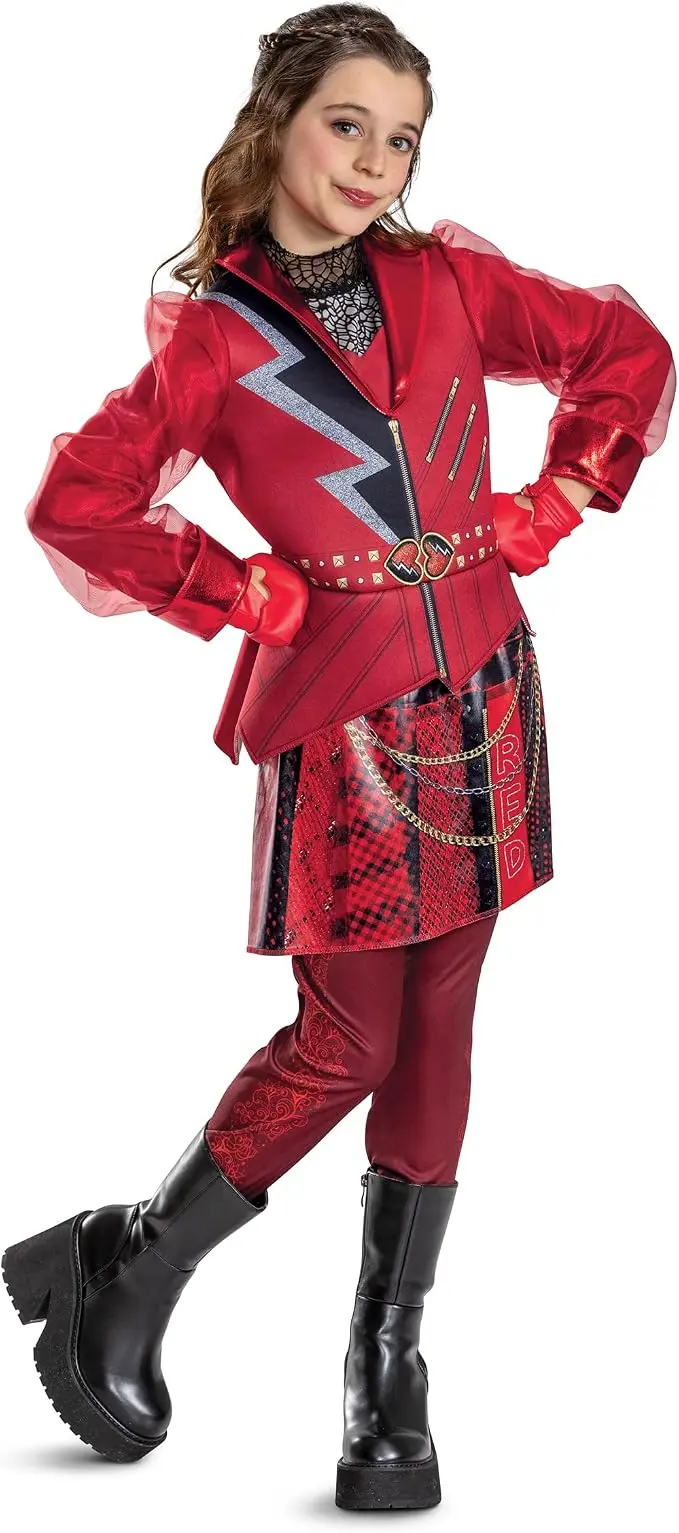
Disney’s Descendants: With the ongoing popularity of the Descendants franchise, particularly in anticipation of new content like Descendants: Wicked Wonderland, costumes inspired by characters such as Chloe and Red were highly sought after. The Chloe costume, for instance, featured a convenient jumpsuit with an attached shirt, simplifying the dressing process. The description noted its popularity, with "50+ Bought in Past Month," indicating strong consumer interest. Similarly, Red’s costume saw even greater demand, with "500+ Bought in Past Month," benefiting from the character’s renewed spotlight. It is important to note that for many of these character costumes, essential accessories like wigs were often sold separately, albeit frequently with their own accompanying discounts (e.g., Chloe’s wig at 20% off, Red’s wig at 15% off), encouraging additional purchases.
-
Wicked Shiz University: Ahead of the highly anticipated movie adaptation of the hit musical Wicked, the Shiz University costume offered children an early opportunity to immerse themselves in the magical world of Oz. This outfit capitalized on the growing excitement surrounding the film, allowing young fans to channel the iconic aesthetics of the musical.

-
Star Wars: The Mandalorian and Grogu: The enduring phenomenon of Star Wars, revitalized by the critically acclaimed series The Mandalorian and its adorable breakout character, Grogu (often referred to as Baby Yoda), made the Mandalorian costume a timely and popular choice. The narrative impact of Star Wars: The Mandalorian and Grogu, which hit theaters in 2026, ensures this costume’s relevance and high demand. Over "400+ Bought in Past Month" underscored its widespread appeal.
-
Transformers Bumblebee: A perennial favorite, the Bumblebee costume from Transformers continued to be a strong contender. This particular version stood out with its padded chest and shoulders, adding an "extra dose of superhero-like drama" that appeals to children seeking a more robust and impactful character portrayal. Its consistent popularity was evidenced by "800+ Bought in Past Month," making it one of the top sellers.
-
Benjamin Franklin: For those seeking an alternative to typical superheroes and princesses, the Benjamin Franklin costume provided a surprisingly clever and distinct choice. This colonial-inspired outfit, complete with a jacket, attached vest, cravat, and knicker pants, offered an instantly recognizable historical figure. This option caters to children who enjoy standing out or have an interest in history, showcasing a broader range of costume possibilities beyond mainstream media. As with other detailed costumes, the wig was sold separately, prompting further complementary purchases.

-
Harry Potter Hogwarts Uniforms: The magical world of Harry Potter remains a cultural touchstone, making Hogwarts house robes a timeless and beloved costume. The availability of robes for all four houses—Gryffindor, Hufflepuff, Ravenclaw, and Slytherin—allowed children to proudly represent their chosen affiliation. Each robe featured authentic house colors, a matching patch, a hood, and a satin-lined interior, providing a polished and immersive experience. With "100+ Bought in Past Month" for the Slytherin variant alone, the collective sales across all houses would be significant, reflecting the franchise’s sustained global appeal.
This comprehensive range, combining blockbuster media tie-ins with classic and unique options, effectively catered to diverse preferences, leveraging both current trends and timeless appeal.
The Indispensable Role of Prime Membership

Access to the Prime Big Deal Days, including the attractive costume discounts, was exclusively reserved for Amazon Prime members. This exclusivity is a core component of Amazon’s strategy to drive and retain subscriptions. A standard Prime membership costs $14.99 per month or $139 annually, providing a compelling ecosystem of benefits beyond just access to sales. These perks include expedited shipping, often free two-day or even same-day delivery, making last-minute shopping feasible and stress-free. Furthermore, membership grants access to Prime Video for streaming movies and TV shows, Amazon Music for ad-free listening, Prime Reading for a rotating selection of free e-books and magazines, and unlimited Amazon Photos storage.
To entice new subscribers, Amazon offers an appealing 30-day free trial, allowing potential members to experience the full suite of benefits, including the sales event, without immediate commitment. This trial period often converts a significant percentage of users into paying members. Additionally, Amazon provides discounted memberships for eligible students and young adults, offering plans at $7.49 per month or $69 per year after a six-month trial. This tiered approach ensures broader accessibility and targets specific demographics, further embedding Prime into various consumer lifestyles. The automatic renewal policy for memberships, unless actively canceled, underscores Amazon’s emphasis on long-term subscriber retention, transforming temporary shoppers into loyal, recurring customers.
Broader Implications for the Retail Landscape

The success of Amazon Prime Big Deal Days, particularly in capturing Halloween spending, has several significant implications for the broader retail landscape. Firstly, it intensifies the competitive pressure on traditional retailers. Brick-and-mortar stores, especially seasonal pop-ups like Spirit Halloween, face increasing challenges in competing with Amazon’s aggressive pricing and unparalleled convenience. While these stores offer a tactile shopping experience and instant gratification, they often cannot match the sheer breadth of inventory or the deep discounts offered by an e-commerce giant with vast logistical capabilities.
Secondly, these mid-autumn sales events are effectively pulling forward holiday spending. Consumers, eager to save money and avoid the perceived rush of late November, are increasingly willing to make purchases earlier in the season. This trend necessitates that all retailers adjust their promotional calendars, potentially leading to an earlier start for "Black Friday" type deals across the board. Retail analysts often point to these events as a sign of a more fragmented and extended holiday shopping period, where consumers are constantly on the lookout for deals rather than concentrating their spending on a few traditional dates.
Finally, the emphasis on Prime membership during these sales reinforces Amazon’s walled-garden approach to e-commerce. By bundling a diverse array of services with exclusive shopping benefits, Amazon creates a powerful incentive for consumers to remain within its ecosystem, thereby increasing customer lifetime value. This strategy not only drives sales during specific events but also cultivates a loyal customer base that is more likely to turn to Amazon for everyday needs throughout the year. The consistent growth of Prime membership, even in economically challenging times, speaks to the perceived value consumers derive from this comprehensive offering.

Looking Ahead: The Evolving Face of Seasonal Shopping
The performance of Amazon Prime Big Deal Days in 2026, particularly its strong showing in the Halloween costume segment, provides valuable insights into the evolving dynamics of seasonal retail. It underscores the ongoing shift towards online shopping convenience, driven by competitive pricing and integrated membership benefits. The strategic timing of these events allows Amazon to capture consumer attention and spending early, setting a precedent for other retailers to follow suit. As economic conditions fluctuate, the search for value remains paramount for consumers, making deeply discounted events like Prime Big Deal Days crucial for driving sales volumes. This trend is likely to continue, with major retailers increasingly creating their own "deal days" throughout the year, blurring the lines of traditional holiday shopping seasons and creating a more continuous cycle of promotional activity.
In conclusion, the Amazon Prime Big Deal Days successfully leveraged the approaching Halloween holiday to offer significant savings on kids’ costumes, reinforcing the value proposition of a Prime membership. By providing substantial discounts on a diverse and relevant selection, Amazon not only facilitated last-minute holiday preparations for countless families but also further solidified its position as an indispensable player in the ever-competitive retail landscape. The event’s conclusion marked a significant milestone in the 2026 shopping calendar, showcasing Amazon’s adeptness at adapting to consumer behavior and shaping the future of seasonal retail.
