

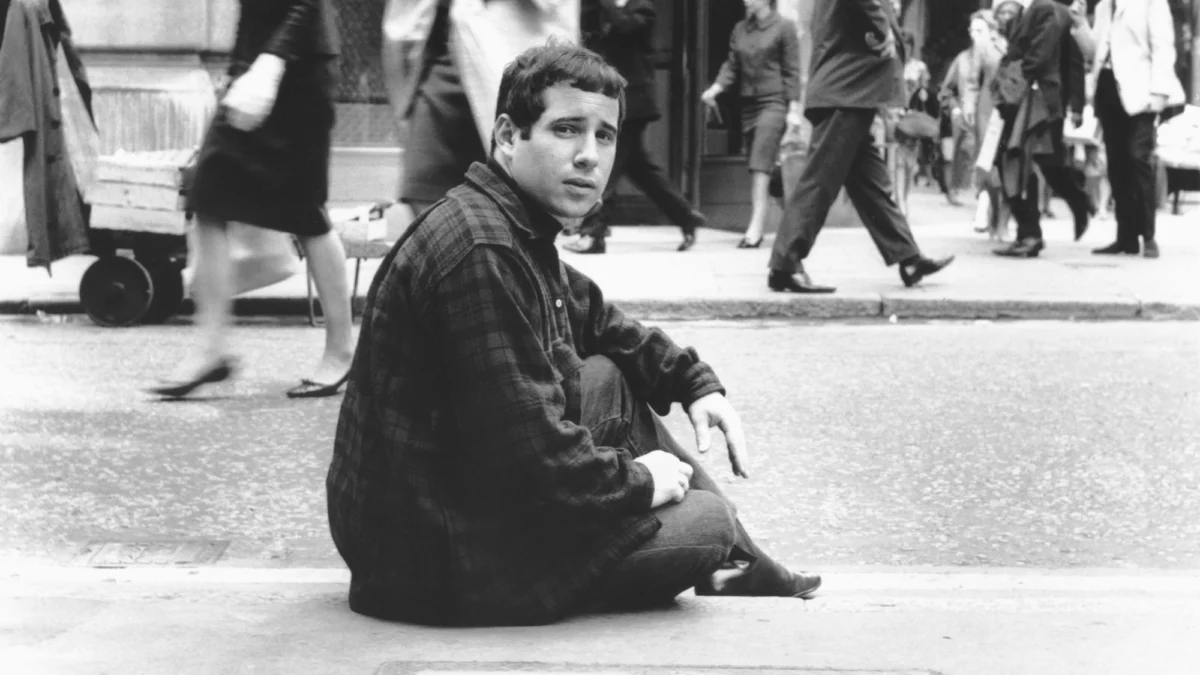
The cultural landscape of the 1960s was defined by a shift from the polished pop of the previous decade toward a more introspective, socially conscious form of folk and rock music. At the epicenter of this transformation was a single track that has since become an indelible part of the American songbook: "The Sound of Silence." Written by a 21-year-old Paul Simon and performed with the ethereal harmonies of Art Garfunkel, the song serves as a masterclass in evocative songwriting and vocal arrangement. Despite a storied and often tumultuous relationship between the two artists, Garfunkel has recently and historically offered profound praise for the track, describing it as a work of "genius" that possessed a "simple power" far beyond what he initially realized during its recording in the mid-1960s.
The history of "The Sound of Silence" is a narrative of accidental success, youthful intuition, and the evolution of the folk-rock genre. It is a song that almost disappeared into obscurity, only to be resurrected by a producer’s intuition, eventually becoming a multi-generational anthem for alienation and the breakdown of human communication. To understand the gravity of Garfunkel’s praise, one must examine the song’s origins, its technical construction, and the socio-political environment in which it was birthed.
The Genesis of a Folk-Rock Pillar
Paul Simon began writing "The Sound of Silence" in late 1963, shortly after the assassination of President John F. Kennedy. While Simon has frequently stated that the song was not a direct response to the national tragedy, the somber mood of the country undoubtedly seeped into the creative consciousness of the era. At the time, Simon was a young man living with his parents in Queens, New York. He famously wrote the lyrics in the bathroom of his family home, where the tiled walls provided a natural reverb that complemented his acoustic guitar.
The track was the sixth song Simon had ever written, a staggering statistic considering its complexity and lasting influence. Most songwriters spend decades honing their craft before producing a work of such gravity, yet Simon managed to capture a universal sense of "youthful alienation" while still in his early twenties. The song was recorded in March 1964 at Columbia Studios in New York City for the duo’s debut album, Wednesday Morning, 3 A.M.
At its inception, "The Sound of Silence" was a strictly acoustic affair. The album, however, was a commercial failure, selling only a few thousand copies upon its release in October 1964. The disappointment led Simon to move to England to pursue a solo career in the London folk circuit, while Garfunkel returned to his studies at Columbia University. It appeared that the song, and the duo’s partnership, had reached a premature end.
The 1965 Remix and the Birth of Folk-Rock
The trajectory of "The Sound of Silence" changed irrevocably in 1965 due to the intervention of producer Tom Wilson. Wilson, who had recently worked with Bob Dylan on the seminal "Like a Rolling Stone," recognized the potential for the track to bridge the gap between traditional folk and the burgeoning rock movement. Without the knowledge or consent of Simon or Garfunkel, Wilson overdubbed the original acoustic track with electric guitar, bass, and drums, utilizing the same studio musicians who had backed Dylan.
This "electric" version was released as a single in September 1965. It began to gain traction on radio stations in Boston and throughout Florida, eventually climbing the Billboard Hot 100. By January 1966, the song reached the No. 1 spot. The sudden success forced Simon to return from England and reunite with Garfunkel, effectively launching their career as the premier folk-rock duo of the era.
Art Garfunkel’s Analysis of the Song’s "Simple Power"
Decades after its release, Art Garfunkel’s perspective on the song has shifted from that of a participant to that of an admirer. In various retrospectives, Garfunkel has emphasized the "genius" of Simon’s early writing. He noted that the song possesses a "melodic, genius, simple power" that he did not fully grasp during the initial sessions. Garfunkel’s praise highlights a specific technical aspect of the song: its "hooky" nature. Despite its somber themes and lack of a traditional chorus, the melody remains incredibly accessible and singable, a feat Garfunkel attributes to Simon’s innate melodic sensibility.
Garfunkel’s role in the song’s success cannot be understated. While Simon provided the lyrical and melodic foundation, it was Garfunkel’s vocal arrangements and his high, clear tenor that provided the "angelic" quality that defined the Simon & Garfunkel sound. The two singers utilized a technique of close harmony, often singing the same words in different intervals, which created a haunting, unified voice. This vocal synergy made the theme of "silence" and "loneliness" feel communal rather than individual.
Lyrical Depth and the Theme of Alienation
Paul Simon’s own assessment of the song is characteristically humble. He has referred to it as a "nonsense song" in some contexts and a "post-adolescent angst" piece in others. However, the lyrics suggest a sophisticated understanding of the human condition. The opening line, "Hello darkness, my old friend / I’ve come to talk with you again," establishes a relationship with solitude that resonated with millions of listeners.
The song explores the inability of people to communicate on a meaningful level. Lines such as "People talking without speaking / People hearing without listening" serve as a critique of superficiality and the "neon god" of modern materialism and media. Simon’s lyrics suggest that while people are physically present with one another, they are spiritually and emotionally isolated.
Critics have often analyzed the song through the lens of the 1960s counter-culture, suggesting it predicted the social fragmentation that would define the decade. Yet, Simon maintains that the "key" to the song is its simplicity. It was a thought gathered from "college reading material," processed through the mind of a 21-year-old who felt the weight of the world but had not yet been jaded by it. This "youthful alienation" gave the song a purity that a more "sophisticated" or older writer might have over-complicated.
Statistical Impact and Cultural Legacy
The enduring popularity of "The Sound of Silence" is supported by decades of data. The song has been certified Triple Platinum by the RIAA, representing over three million units sold in the United States alone. It has been covered by hundreds of artists across various genres, most notably by the heavy metal band Disturbed in 2015. The Disturbed version, which featured a powerful orchestral arrangement and a raw vocal performance by David Draiman, reached the top of the Billboard Hard Rock and Mainstream Rock charts, proving the song’s lyrical relevance to a 21st-century audience.
The song’s inclusion in the 1967 film The Graduate further cemented its place in history. Director Mike Nichols used the track to represent the aimlessness and isolation of the protagonist, Benjamin Braddock. This was one of the first instances in cinema where a contemporary pop song was used as a thematic narrative device rather than just background music, changing how film soundtracks were produced forever.
In the digital age, "The Sound of Silence" has taken on a secondary life in internet culture. It has become a recurring motif in "memes," typically used to underscore moments of comedic sadness or existential dread. While some purists might view this as a trivialization of a masterpiece, it serves as evidence of the song’s deep-rooted presence in the collective consciousness. The melody is so recognizable that even a few notes can instantly convey a specific emotional state to a global audience.
Broader Implications and Final Analysis
The reflections of Art Garfunkel serve as a reminder of the lightning-in-a-bottle nature of Simon & Garfunkel’s early years. The fact that a songwriter’s sixth attempt at the craft could result in a "generational-defining track" is an anomaly in the music industry. It speaks to a rare alignment of talent, timing, and the specific cultural anxieties of the 1960s.
From a journalistic and historical perspective, "The Sound of Silence" remains a vital subject of study because it represents the transition of the "protest song" into something more psychological and internal. It did not protest a specific war or a specific law; instead, it protested the silence of the human heart. Garfunkel’s admission that the song is "better than anyone ever gave it credit for" suggests that even those closest to the creation of a masterpiece can be surprised by its eventual weight.
As the years go by, the "simple and singable melody" that Simon identified as the song’s core continues to bridge gaps between generations. Whether it is heard in the quiet of a dark room, through the speakers of a cinema, or in the viral clips of social media, the track remains a profound statement on the human need for connection. The "genius" that Garfunkel recognized is not just in the notes or the lyrics, but in the song’s ability to remain relevant in a world that has only grown louder and more crowded since 1964, yet arguably no less silent.
