

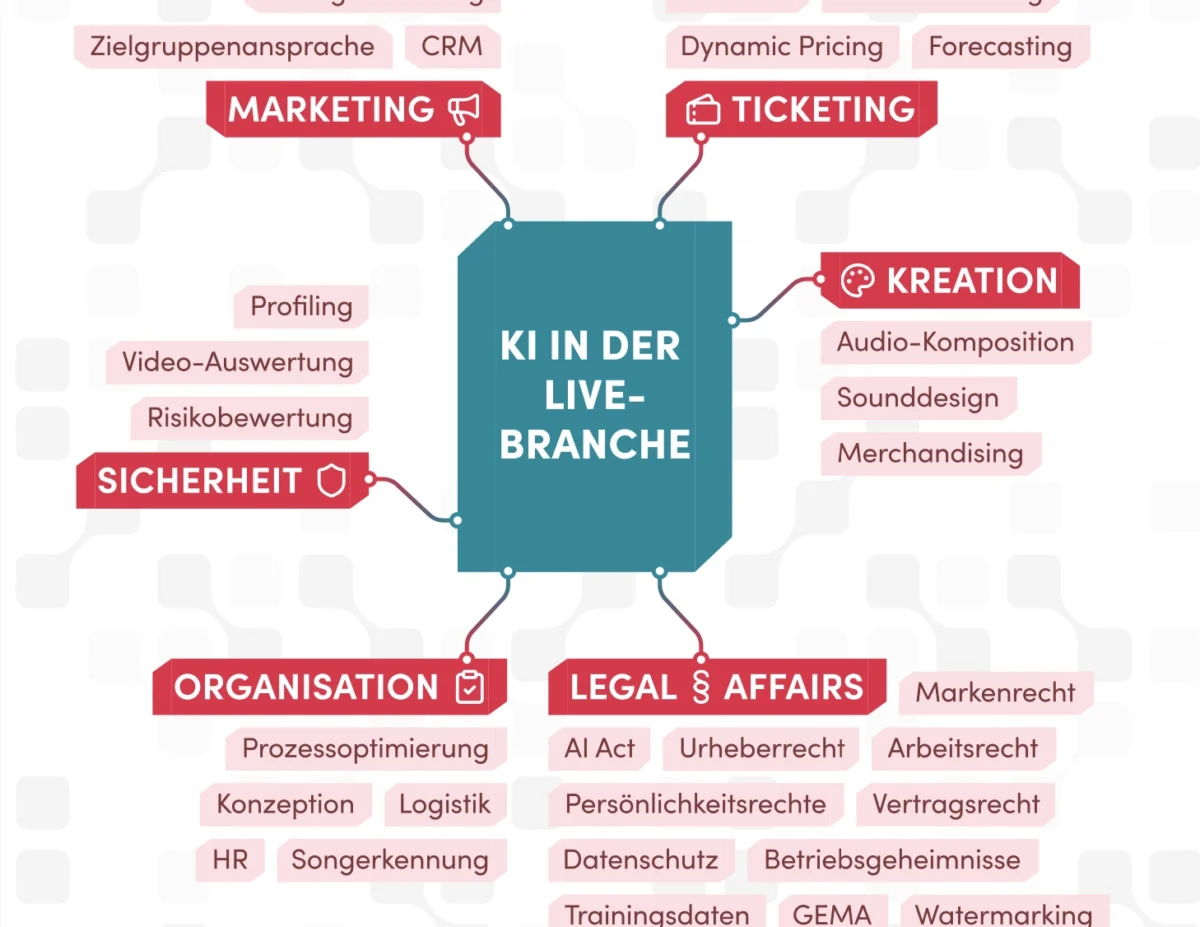
The Federal Association of the Concert and Event Industry (BDKV) has officially launched a specialized guidebook designed to navigate the transformative influence of Artificial Intelligence (AI) on the live entertainment sector. As the industry grapples with rapid technological shifts, this 30-page document serves as a strategic roadmap for event organizers, agencies, and service providers. The guide addresses a wide spectrum of applications, ranging from the initial creative stages of production to the complexities of digital marketing, ticketing, and operational security. By bridging the gap between technological potential and the rigorous legal frameworks of the European Union, the BDKV aims to provide a standardized foundation for the responsible adoption of AI technologies.
The Emergence of AI in the Live Entertainment Ecosystem
The release of the AI Guidebook comes at a pivotal moment for the German event industry, which contributes significantly to the national economy with billions in annual turnover. In recent years, the sector has transitioned from experimental use of digital tools to a phase where AI is becoming an integral part of the value chain. The BDKV identifies that AI is no longer a futuristic concept but a present-day utility that influences how concerts are planned, promoted, and executed.
In the creative domain, generative AI is being utilized to design stage visuals, promotional artwork, and even assist in sound engineering. However, the operational side of the industry sees perhaps the most significant efficiency gains. From predictive analytics that forecast ticket sales to AI-driven logistics that optimize touring routes for environmental sustainability, the technology is reshaping the business models of promoters and venue operators alike.
A Chronology of Industry Professionalization
The AI Guidebook is the fourth installment in a series of practical orientations published by the BDKV. This sequence of publications reflects a broader timeline of professionalization within the German event industry as it adapts to modern societal and regulatory demands.
The series began with a focus on the Corporate Sustainability Reporting Directive (CSRD), reflecting the industry’s commitment to ecological transparency. This was followed by a guidebook on "Awareness," addressing social responsibility and safety at events, and a subsequent manual on occupational health and safety. The addition of the AI Guidebook in April 2026 marks the latest chapter in this effort to equip industry players with the knowledge required to navigate a complex global market.
Strategic Implementation: Marketing, Ticketing, and Production
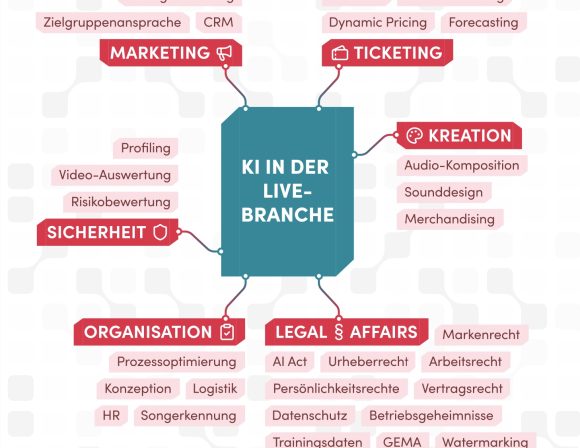
The BDKV guidebook categorizes AI applications into several core pillars, each essential to the lifecycle of a live event.
Marketing and Ticketing
One of the most immediate impacts of AI is seen in fan engagement. AI algorithms allow for hyper-personalized marketing campaigns that target specific demographics based on listening habits and past attendance. In ticketing, dynamic pricing models—though controversial—are increasingly discussed as a means to combat the secondary market and maximize revenue. AI also plays a role in fraud detection, identifying bot activity during high-demand on-sales to ensure tickets reach genuine fans.
Production and Creative Processes
In the realm of production, AI is revolutionizing technical workflows. Automated lighting systems can now sync with live performances in real-time using machine learning, while sound engineers use AI-powered plugins to optimize acoustics in challenging outdoor or indoor environments. The guidebook highlights that while AI can enhance creativity, the human element remains the primary driver of the "live" experience.
Data Analysis and Predictive Modeling
Data is often described as the new oil of the entertainment industry. The BDKV emphasizes that AI’s ability to process vast amounts of data can lead to more informed decision-making. By analyzing historical data and current market trends, promoters can better assess the financial viability of tours, reducing the risk of cancellations and financial loss.
Navigating the Regulatory Landscape: The EU AI Act and Privacy
A central feature of the BDKV Guidebook is its focus on the legalities of AI usage. The introduction of the European Union’s AI Act has created a new set of compliance requirements that the live entertainment industry must follow. The guidebook provides a structured overview of these regulations, focusing on three critical areas:
- Copyright and Intellectual Property: As generative AI uses existing works for training, the question of authorship and compensation remains a legal flashpoint. The BDKV provides guidance on how organizers can protect their intellectual property while using AI tools.
- Data Protection (GDPR): With AI systems requiring large datasets to function, ensuring the privacy of ticket buyers and attendees is paramount. The guidebook outlines best practices for data anonymization and consent.
- Transparency Requirements: Under the AI Act, certain uses of AI, such as deepfakes or automated emotion recognition, require clear disclosure to the public. The BDKV advises members on how to maintain transparency without compromising the entertainment value of their events.
Götz Schneider-Rothhaar, the author of the guidebook and legal counsel for the BDKV, noted that the goal is not merely to understand the technology but to "shape it legally and responsibly." He emphasized that the guidebook provides a foundation for assessing both the opportunities and the inherent risks of AI in a practical, real-world context.
Safety and Logistics: AI as an Operational Safeguard
Beyond marketing and creativity, the BDKV highlights the role of AI in event safety—a top priority for the association. AI-enhanced surveillance and crowd management systems can detect anomalies in crowd density or behavior, allowing security teams to intervene before incidents occur. Predictive AI can also be used to simulate emergency evacuation scenarios, taking into account the specific architecture of a venue and the demographics of the audience.
Furthermore, AI is being integrated into the logistics of large-scale festivals. Smart grid technology, managed by AI, can optimize energy consumption on-site, while AI-driven waste management systems help promoters meet the sustainability goals outlined in the BDKV’s earlier CSRD guidebook.

Industry Reactions and Economic Implications
The release of the guidebook has been met with positive feedback from various stakeholders within the German entertainment landscape. Industry analysts suggest that the proactive stance taken by the BDKV will help prevent a "digital divide" between large-scale promoters who have the resources to experiment with AI and smaller, independent organizers who may feel overwhelmed by the pace of change.
Johannes Everke, Managing Director of the BDKV, stated that members are currently facing the challenge of integrating these technological developments into their daily work reality while meeting rising legal standards. Everke views AI as a tool for innovation and efficiency that can lead to entirely new business models, such as hybrid event formats and enhanced VIP experiences driven by augmented reality.
While the guidebook is a proprietary resource for BDKV members, the association has made it available to non-members upon request, signaling a commitment to the overall health and progress of the entire industry. This move is seen as an effort to standardize AI usage across the country, ensuring that Germany remains a competitive and safe hub for international tours and local cultural events.
Future Outlook: The Human-AI Synergy
Looking forward, the BDKV suggests that the successful integration of AI will depend on the industry’s ability to maintain the "human touch" that defines live entertainment. While AI can optimize a spreadsheet or generate a social media post, the core of the industry remains the emotional connection between the artist and the audience.
The BDKV plans to update the guidebook periodically as AI technology and European case law evolve. As the sector moves toward the end of the decade, the association anticipates that AI will become as fundamental to event production as electricity or digital soundboards. By providing a clear framework today, the BDKV is ensuring that the concert and event industry of tomorrow is not only more efficient and innovative but also legally sound and ethically grounded.
This publication marks a significant milestone in the BDKV’s mission to support its members through education and advocacy. With the AI Guidebook, the association has moved from reactive observation to proactive leadership, setting a benchmark for other cultural and creative industries across Europe.
