

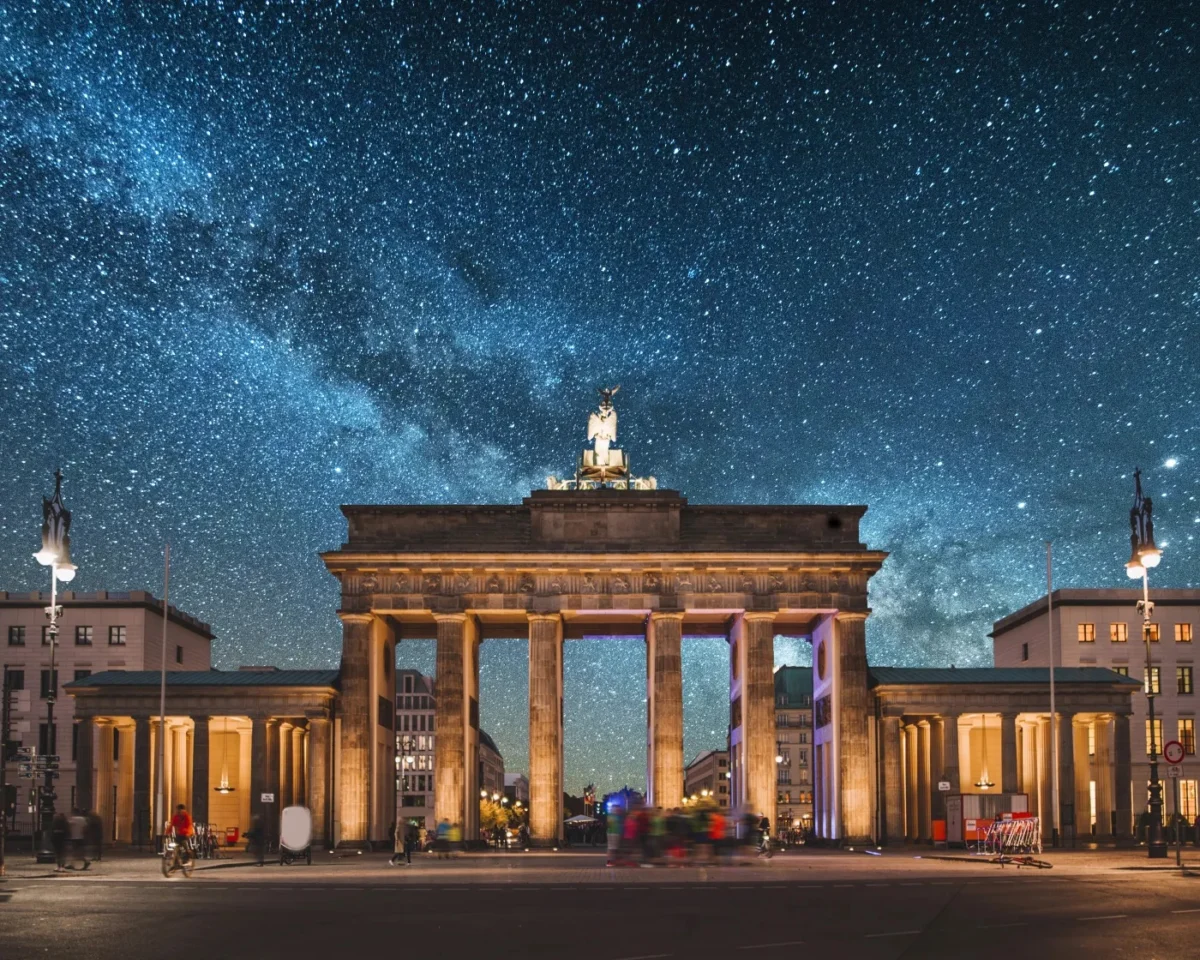
On Saturday, March 28, 2026, the city of Berlin will join thousands of municipalities across the globe in observing Earth Hour, the annual environmental campaign organized by the World Wide Fund for Nature (WWF). Between 8:30 PM and 9:30 PM local time, the German capital will witness a significant reduction in its nocturnal glow as numerous partner hotels of visitBerlin, alongside iconic public landmarks, dim or extinguish their lights. This symbolic gesture serves as a powerful reminder of the urgent need for climate action and highlights the growing commitment of the hospitality industry toward sustainable operational practices. From the historic Brandenburg Gate to the contemporary corridors of the city’s leading hotels, the event aims to mobilize public consciousness regarding energy consumption and the preservation of natural resources.
The Global Context and Evolution of Earth Hour
Earth Hour began as a symbolic "lights out" event in Sydney, Australia, in 2007. Since its inception, it has evolved into one of the world’s largest grassroots movements for the environment, engaging millions of people in more than 190 countries and territories. While the act of switching off lights for 60 minutes is largely symbolic, the movement has successfully driven major legislative changes and raised significant funding for environmental projects worldwide.
By 2026, the context of Earth Hour has shifted from simple awareness to a demand for systemic accountability. As global temperatures continue to fluctuate and the impacts of climate change become more pronounced in urban centers, Berlin’s participation reflects a broader European strategy to achieve carbon neutrality. For the tourism sector, which is inherently resource-intensive, Earth Hour 2026 represents a critical checkpoint in the industry’s transition toward a "green" economy.
Berlin’s Central Commemoration at the Brandenburg Gate
The focal point of Berlin’s Earth Hour activities will be the Brandenburg Gate. As one of Europe’s most recognizable monuments, its descent into darkness at 8:30 PM provides a visual narrative that resonates globally. The event at Pariser Platz is expected to draw climate activists, tourists, and residents, all gathering to witness the city’s commitment to the planet.
Beyond the Brandenburg Gate, the city’s administrative heart will also participate. The Rotes Rathaus (Red City Hall), the seat of the governing mayor, will go dark, joined by Schloss Britz and the municipal town halls of Neukölln, Köpenick, and Treptow. This coordinated effort between the private hospitality sector and the public administration underscores a unified front in Berlin’s climate policy, demonstrating that environmental responsibility transcends political and commercial boundaries.
The Hospitality Sector: Leading the Charge for Sustainability
A significant number of visitBerlin partner hotels, ranging from budget-friendly three-star establishments to five-star luxury icons, have pledged their participation in the 2026 event. These hotels are not merely participants but are increasingly becoming innovators in sustainable tourism. By reducing lighting in lobbies, bars, and facades, these establishments provide a tangible example of how the hospitality industry can minimize its carbon footprint without compromising guest experience.
Conny Doß, spokesperson for the participating partner hotels, emphasized that the initiative serves two primary purposes: "The Earth Hour makes it visible that many hotels in Berlin are actively engaging with the topic of climate protection. Beyond the symbolic character, the focus is primarily on sensitizing guests and employees within the hotels." This focus on education is vital, as the hospitality industry relies heavily on the cooperation of its clientele to achieve long-term sustainability goals.
Strategic Perspectives from visitBerlin
The leadership of visitBerlin, the city’s official tourism and convention office, has been vocal in its support for the initiative. Sabine Wendt, CEO of visitBerlin, noted the intrinsic link between a thriving tourism industry and a healthy environment. "I am delighted with the commitment of our partner hotels to Earth Hour," Wendt stated. "The campaign sets an important signal and contributes to creating attention for the themes of sustainability and climate protection. The tourism industry in particular is dependent on intact living spaces—this makes it all the more important to make the topic visible again and again and to take responsibility together."
Wendt further elaborated that visitBerlin is working on numerous projects to ensure Berlin remains a future-proof destination. This includes the "Sustainable Berlin" certification system, which provides a framework for tourism partners to measure and improve their ecological and social impact. The goal is to move beyond the "60 minutes of darkness" and integrate sustainable practices into the 27/7 operations of the city’s travel infrastructure.
Innovative Initiatives Across Berlin’s Hotel Landscape
The 2026 Earth Hour will see a variety of creative implementations across the city’s hotels, showcasing that sustainability can be integrated into the guest experience in diverse ways:
- Atmospheric Reductions: The Ritz-Carlton, Berlin, Hotel Berlin, Berlin, and the Park Inn by Radisson Berlin Alexanderplatz will significantly dim their exterior and interior lighting. These hotels are actively encouraging guests to participate by turning off lights in their individual rooms, fostering a sense of shared community responsibility.
- Thematic Gastronomy: At the Scandic Hotel Potsdamer Platz and the Park Plaza Berlin, the hour will be marked by the introduction of special "Earth Hour" drinks and cocktails. These offerings are designed to spark conversation among guests about environmental issues in a relaxed, social setting.
- Immersive Experiences: The MOA Berlin plans to create a unique atmosphere by dimming its restaurant lighting and completely deactivating the lights in its expansive atrium. This creates a "slow-living" environment that allows guests to experience the architecture in a new, more reflective light.
- Long-term Reforestation: Hotel Oderberger is combining the immediate action of Earth Hour with long-term ecological investment. In addition to using LED candles and reduced lighting, the hotel participates in the "Hotels for Trees" program, where a tree is planted for every room booking, effectively offsetting the carbon footprint of the guest’s stay.
- Unplugged Hospitality: The Three Little Pigs Hostel is taking a more radical approach by hosting an "Unplugged Lounge." By creating a space entirely free of electricity, they encourage guests to engage in traditional social activities, such as board games, demonstrating that high-quality social interaction does not require constant energy consumption.
Beyond the Hour: The "Green Pillow" and Systemic Change
While Earth Hour is a once-a-year event, the participating Berlin hotels are involved in year-round efforts to optimize resource management. Many are members of the "Green Pillow" working group, a collaborative platform where hoteliers exchange best practices for reducing energy and water consumption, minimizing food waste, and transitioning to renewable energy sources.

The shift toward sustainability is also supported by digital infrastructure. The "TourismusHub," visitBerlin’s e-learning platform, offers specialized modules on climate protection and sustainable management. This ensures that even smaller establishments have access to the knowledge required to implement modern energy-saving technologies, such as heat recovery systems and smart building automation.
Data and Implications: The Economic Case for Green Tourism
The participation of Berlin’s hotels in Earth Hour is not only an ethical choice but an economic one. According to recent market research, a growing segment of global travelers—often referred to as "conscious travelers"—prioritize sustainability when selecting destinations and accommodations. By publicly aligning with Earth Hour and pursuing certifications like "Sustainable Berlin," the city’s hospitality sector is positioning itself to capture this high-value market.
Furthermore, the operational efficiencies gained through sustainability initiatives have a direct impact on the bottom line. With energy prices remaining a volatile factor in hotel management, the transition to high-efficiency LED lighting, improved insulation, and optimized heating cycles (often showcased during Earth Hour) represents a significant long-term cost-saving strategy.
Conclusion: A City United for the Future
As the clock strikes 8:30 PM on March 28, 2026, the darkening of Berlin’s skyline will serve as a profound statement of intent. The collaboration between the WWF, visitBerlin, and the local hospitality industry demonstrates that the challenges of the 21st century cannot be met in isolation. Through symbolic actions like Earth Hour and the rigorous, everyday work of sustainability initiatives, Berlin is proving that it is possible to remain a world-class tourist destination while respecting the planetary boundaries that sustain all life.
The 2026 Earth Hour is more than a momentary blackout; it is a reflection of a city that is evolving. As guests sip candlelit cocktails in the MOA Berlin or play board games in the Three Little Pigs Hostel, they are participating in a global dialogue about what it means to live—and travel—responsibly in a changing world. Berlin’s message is clear: the lights may go out for an hour, but the city’s commitment to a sustainable future remains brighter than ever.
