

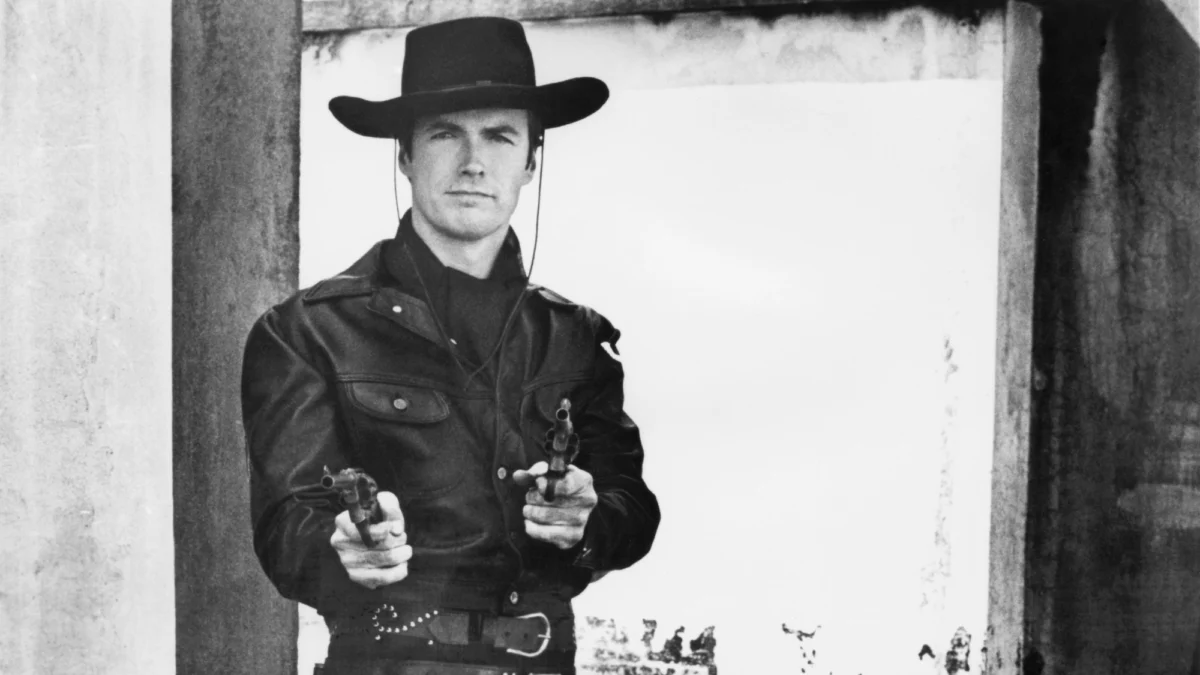
Clint Eastwood is widely recognized as a titan of the American film industry, a dual-threat icon whose career as an actor and Academy Award-winning director has spanned more than seven decades. While his cinematic contributions—from the "Man with No Name" in Sergio Leone’s Spaghetti Westerns to the gritty realism of Unforgiven and Million Dollar Baby—are etched into the cultural zeitgeist, his parallel career as a musician and composer remains a sophisticated, though often overlooked, chapter of his biography. Eastwood is not merely a hobbyist; he is a seasoned pianist and vocalist with four studio albums to his name and a deep-seated influence on the country and jazz genres. This musical journey began in earnest during the height of his television fame in the late 1960s and has continued to resonate through modern country music, most notably inspiring the late Toby Keith’s final masterpiece.
The Cowboy Balladeer: The Rawhide Era and the 1967 Debut
The genesis of Eastwood’s recording career is inextricably linked to his breakout role as Rowdy Yates in the CBS western series Rawhide, which aired from 1959 to 1965. During this era, it was common for television networks to capitalize on the popularity of their leading men by transitioning them into the recording booth—a trend that saw actors like William Shatner and Leonard Nimoy releasing thematic albums. Eastwood followed suit in 1967 with the release of Rawhide’s Clint Eastwood Sings Cowboy Favorites.
Released under the Cameo-Parkway label, the album was a curated collection of traditional western standards and contemporary country-pop ballads. The tracklist featured notable entries such as "Bouquet of Roses," "I’ll Love You More," "Along the Santa Fe Trail," and "Twilight on the Trail." To promote the record, the label released two singles: "Cowboy Wedding Song" and "Rowdy." Despite Eastwood’s massive television following, the singles failed to gain traction on the Billboard country charts or mainstream radio. At the time, the music industry was undergoing a seismic shift toward rock and roll and the "Nashville Sound," leaving little room for the traditionalist cowboy crooning Eastwood presented.
Despite the lack of commercial success, the 1967 album established Eastwood’s credentials as a serious student of American music. His vocal style was characterized by a warm, baritone delivery that prioritized storytelling over technical acrobatics—a precursor to the understated, stoic performances that would define his later film work.
The 1980s: Chart Success and High-Profile Collaborations
Following his debut, Eastwood’s musical output slowed as his film career reached international heights. It would be nearly thirteen years before he returned to the country music scene, this time through the medium of film soundtracks. In 1980, while starring in the comedy-drama Bronco Billy, Eastwood engaged in two significant musical collaborations that would cement his place in country music history.
The first was a duet with country legend Merle Haggard titled "Bar Room Buddies." The song, a classic honky-tonk anthem celebrating camaraderie and the dive-bar lifestyle, resonated deeply with audiences. Unlike his 1967 attempts, "Bar Room Buddies" was a resounding commercial success, climbing to the No. 1 spot on the Billboard Hot Country Songs chart. Eastwood, ever humble regarding his musical prowess, later remarked to Rolling Stone that Haggard’s immense talent was the primary driver of the song’s success, stating, "I think you can say that Merle Haggard had a hit and sort of dragged me along."
That same year, Eastwood expanded his collaborative horizons by teaming up with the legendary Ray Charles for the song "Beers to You," also featured on the Bronco Billy soundtrack. The pairing of a Hollywood icon and the "High Priest of Soul" was a testament to Eastwood’s respect within the music community. These recordings showcased Eastwood’s ability to bridge the gap between the gritty Bakersfield sound of Haggard and the soulful, genre-defying arrangements of Charles.
A Thirty-Year Hiatus and the Jazz Renaissance
While Eastwood’s country music contributions are significant, his heart has always belonged to jazz. After the flurry of activity in 1980, Eastwood largely stepped away from releasing vocal-driven albums. It was not until 1997, thirty years after his debut, that he released his next major project: Eastwood After Hours: Live at Carnegie Hall.
This record was a departure from his "cowboy" persona, serving as a sophisticated tribute to his love for jazz and blues. The concert featured performances by jazz luminaries such as Joshua Redman, Christian McBride, and Thelonious Monk Jr., with Eastwood himself participating on piano. This era marked a transition in Eastwood’s musical identity; he began composing the scores for many of his own films, including Mystic River, Million Dollar Baby, and Flags of Our Fathers. His compositions are noted for their minimalist, piano-heavy arrangements that mirror the emotional restraint of his directorial style.
The Philosophy of "The Old Man": The Toby Keith Connection
In the twilight of his career, Eastwood’s influence on country music took an unexpected and deeply emotional turn. In 2018, Eastwood was participating in a charity golf tournament at Pebble Beach when he struck up a conversation with country superstar Toby Keith. At the time, Eastwood was 88 years old and preparing to direct and star in his film The Mule.
Struck by Eastwood’s seemingly boundless energy and work ethic, Keith asked the veteran actor how he managed to maintain such a rigorous pace at his age. Eastwood’s response was a simple but profound piece of personal philosophy: "I just get up every morning and go out. And I don’t let the old man in."
This seven-word mantra resonated so powerfully with Keith that he immediately went home and wrote the song "Don’t Let the Old Man In." The track is a haunting meditation on mortality, resilience, and the refusal to succumb to the limitations of aging. Keith’s lyrics—"Many moons I have lived / My body’s weathered and worn / Ask yourself how old you’d be / If you didn’t know the day you were born"—captured the essence of Eastwood’s life philosophy.
Recording "The Mule": A Study in Authenticity
Upon hearing the song, Eastwood was so moved that he insisted on including it in the soundtrack for The Mule. The story behind the recording of the song adds a layer of poignancy to its legacy. When Keith first sent the track to Eastwood, it was intended to be a demo. Keith had been suffering from a severe illness on the day of the recording session, resulting in a vocal performance that was raspy, tired, and emotionally raw.
Keith later recalled telling Eastwood, "Well, now you’ve got a reference, and I’ll go back and put a vocal on it for you." To Keith’s surprise, Eastwood refused to let him re-record it. Eastwood recognized that the vulnerability in Keith’s "sick and tired" voice was exactly what the film needed. He wanted the "dark" and "authentic" quality of a man grappling with his own finitude.
"Don’t Let the Old Man In" went on to become one of the most celebrated songs of Keith’s later career. Following Keith’s diagnosis with stomach cancer and his subsequent passing in February 2024, the song took on a prophetic quality, serving as a final testament to both Keith’s artistry and the wisdom Eastwood had shared with him on a golf course years earlier.
Broader Impact and Implications
The musical trajectory of Clint Eastwood offers a unique case study in the intersection of celebrity, genre, and authenticity. While many actors attempt to pivot into music as a vanity project, Eastwood’s involvement has always been characterized by a genuine reverence for the craft. His No. 1 hit with Merle Haggard remains a rare example of a Hollywood star achieving legitimate chart-topping success in the Nashville ecosystem without it being perceived as a novelty.
Furthermore, Eastwood’s "Don’t Let the Old Man In" philosophy has transcended the world of music to become a cultural touchstone for aging gracefully and staying productive in one’s later years. The song’s resurgence in 2023 and 2024, particularly after Keith’s emotional performance at the People’s Choice Country Awards, highlighted the enduring power of the Eastwood-Keith collaboration.
Conclusion
Clint Eastwood’s musical legacy is defined by a rare longevity and a deep respect for the American songbook. From the cowboy ballads of 1967 to the chart-topping honky-tonk of the 1980s, and finally to the philosophical depth of his influence on modern country icons, Eastwood has proven to be a vital force in the genre. While his name will forever be synonymous with the silver screen, his contributions to music—both as a performer and as a source of inspiration—ensure that his voice will continue to be heard long after the credits roll. His story is a reminder that art is not confined to a single medium, and that a simple conversation between two legends can result in a piece of music that defines an era.
